Welcome To
Cabo Rojo, Dominican Republic
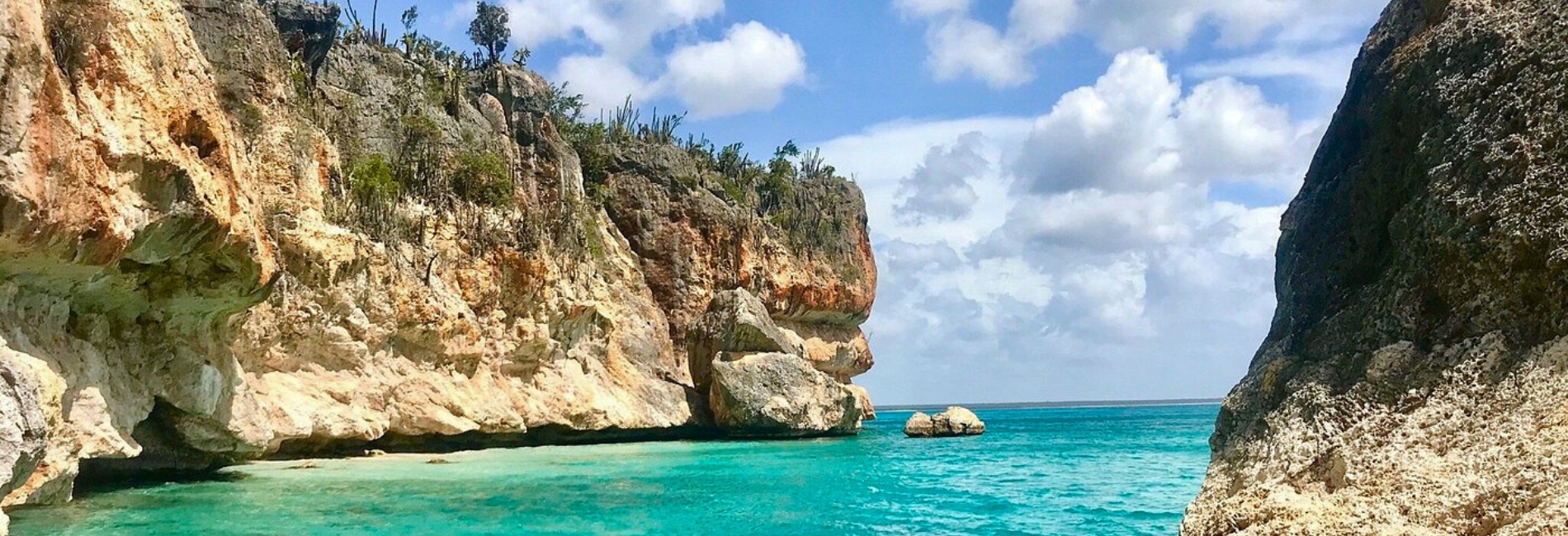
Cabo Rojo sits on the far southwestern tip of the Dominican Republic, tucked between Jaragua National Park and the Haitian border. It is one of the most remote and rewarding corners of the Caribbean. A place where you can walk a mile of white sand and not see another soul, snorkel reefs that see almost no traffic, and watch flamingos wade through a brackish lagoon at golden hour. This site is your guide to all of it.
Free Guides
In-depth guides covering every corner of the region.
Cabo Rojo Visitors Guide
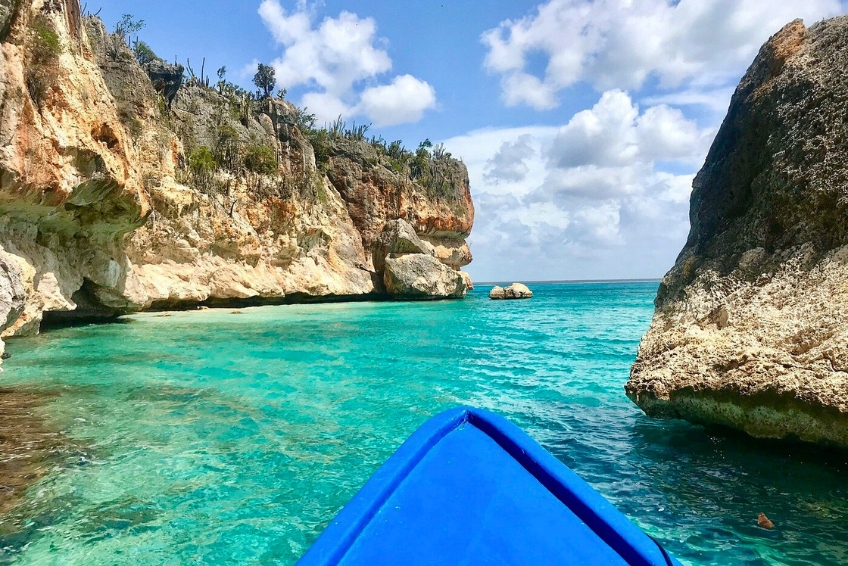
Cabo Rojo sits on the remote southwest coast of the Dominican Republic, home to Bahia de las Aguilas, an 8-kilometer pristine beach routinely ranked among the Caribbean's most beautiful. A $2.2 billion development is transforming the region, but right now you can still experience something rare. A world-class destination before the crowds arrive.
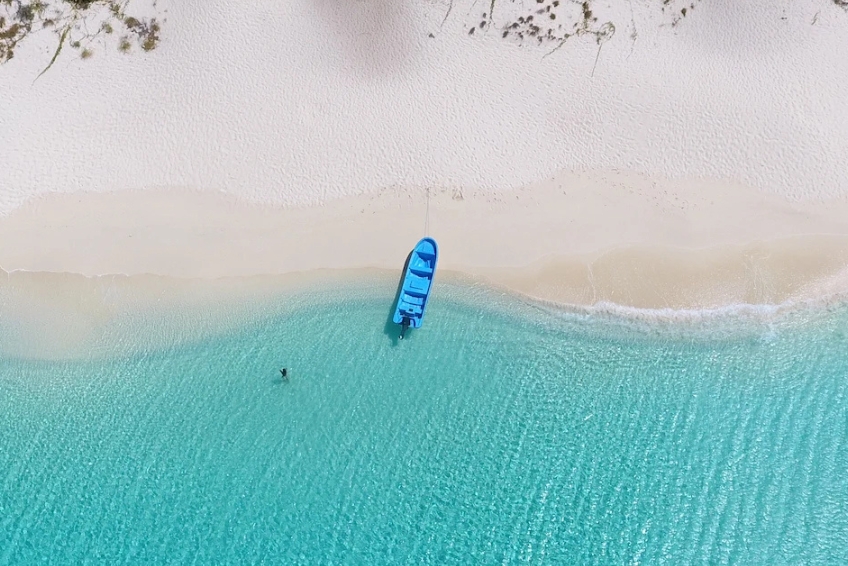
Bahia De Las Aguilas Visitors Guide
Bahia de las Aguilas is the Dominican Republic's most beautiful beach, and one of its hardest to reach. This guide covers everything you need to plan your visit: how to get there from Cabo Rojo cruise port or Pedernales, boat logistics, costs, what to pack, where to eat, and honest advice on what to expect.
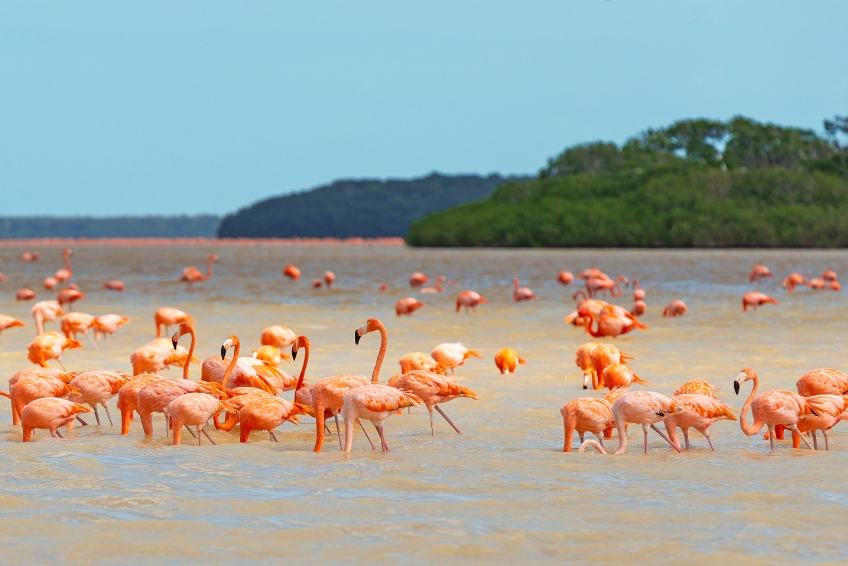
Laguna de Oviedo Visitors Guide
Laguna de Oviedo is the Dominican Republic's largest saltwater lagoon, home to American flamingos, rhinoceros iguanas, and an endemic fish found nowhere else on Earth. This guide covers tour options and pricing, wildlife, how to get there, where to stay, and what to pack for your visit.
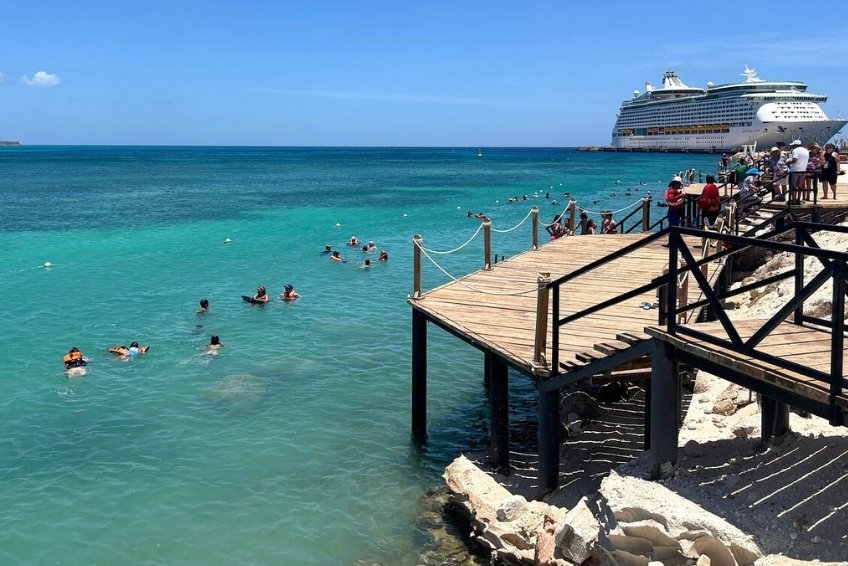
Cabo Rojo Cruise Port Guide
Port Cabo Rojo opened in 2024 on the remote southwest coast of the Dominican Republic, and what surrounds it is extraordinary. Bahia de las Aguilas, one of the world's great beaches, is a short boat ride away. This guide covers everything you need for your port day.
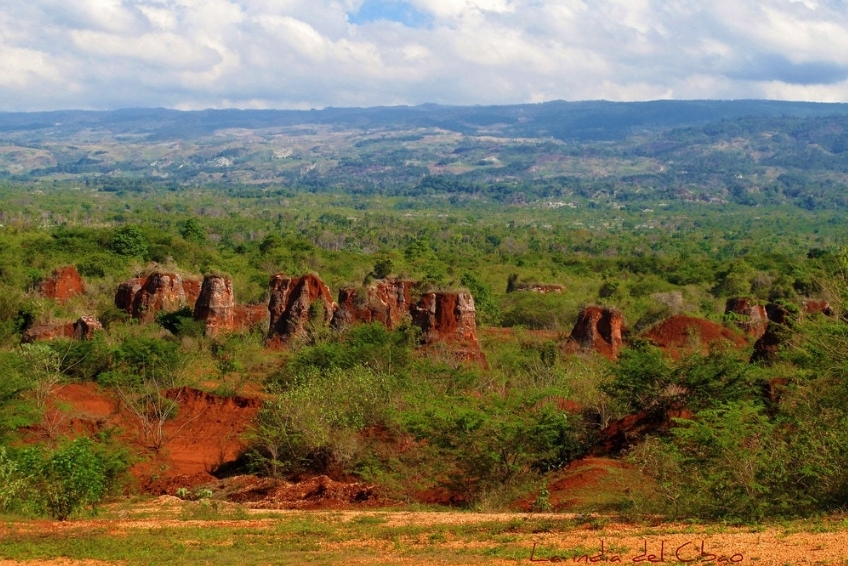
Hoyo de Pelempito Visitors Guide
Deep in the mountains of southwest Dominican Republic, Hoyo de Pelempito is a geological depression so vast that clouds gather inside it. Over 700 meters deep, ringed by walls that rise to 1,800 meters, and sheltering 13 endemic bird species: this is the Caribbean's most dramatic natural wonder.
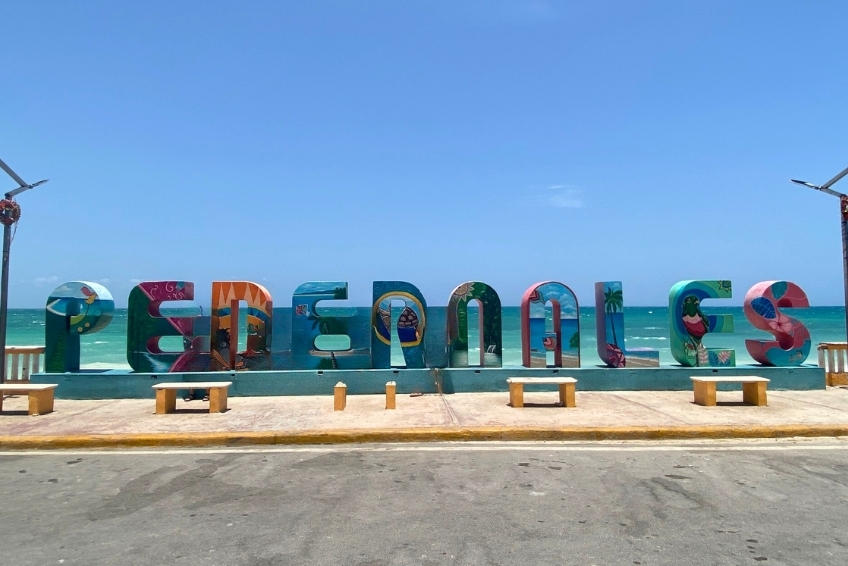
Pedernales Visitors Guide
Pedernales is the gateway to the Dominican Republic's wild southwest: Bahia de las Aguilas, Hoyo de Pelempito, Jaragua National Park, and the new Cabo Rojo cruise port. This guide covers how to get there, where to stay and eat, what to do, and everything you need to plan your trip.
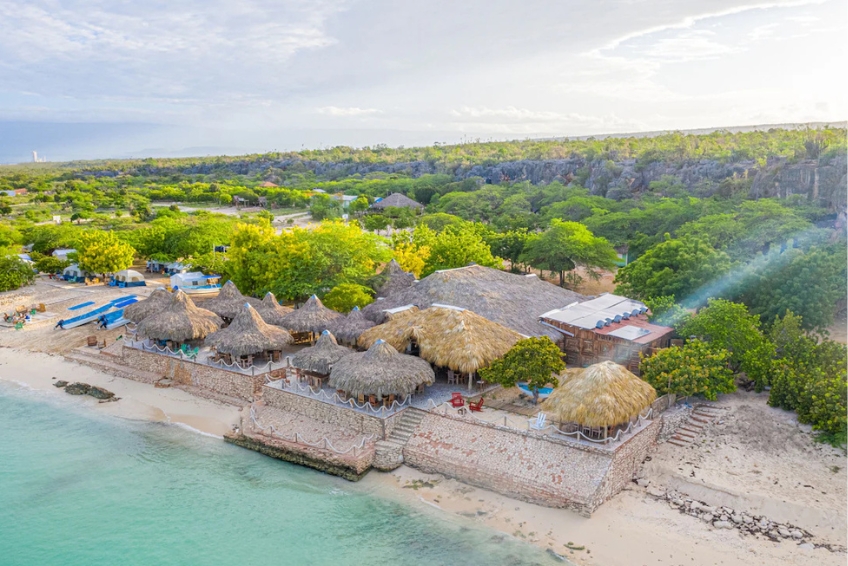
Where to Stay in Pedernales & Cabo Rojo
Pedernales has no chain hotels, no resort buffets, and no swim-up bars. What it does have is the best beach in the Caribbean, a handful of genuinely great family-run guesthouses, and a $2.2 billion resort development that's about to change everything. Here's where to stay right now.
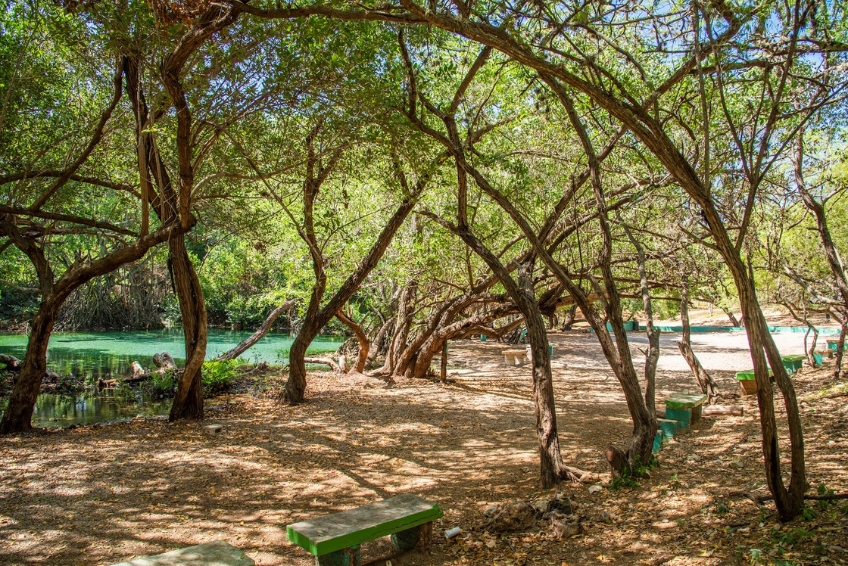
Jaragua National Park Visitors Guide
Jaragua National Park is the largest protected area in the Caribbean, home to Bahia de las Aguilas, thousands of flamingos at Laguna de Oviedo, and wildlife found nowhere else on Earth. This guide covers how to get there, 10 things to do, tour options and pricing, where to eat and stay in Pedernales, what to pack, and the best time to visit.
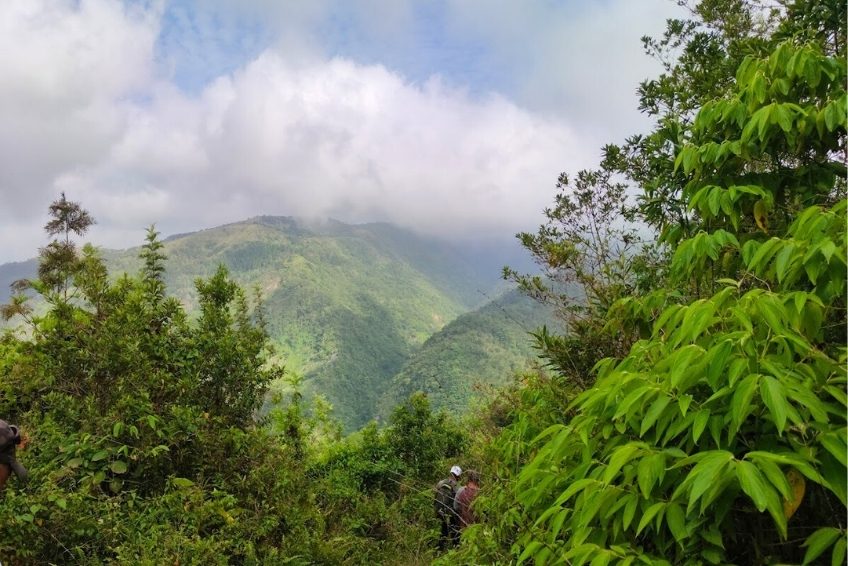
Sierra de Bahoruco National Park Visitors Guide
The Caribbean's most biodiverse mountain range, Sierra de Bahoruco National Park shelters 30 of Hispaniola's endemic bird species, ancient cloud forests, and wildlife found nowhere else on Earth. This complete guide covers how to get there, what to do, where to stay, and everything else you need to plan your visit.
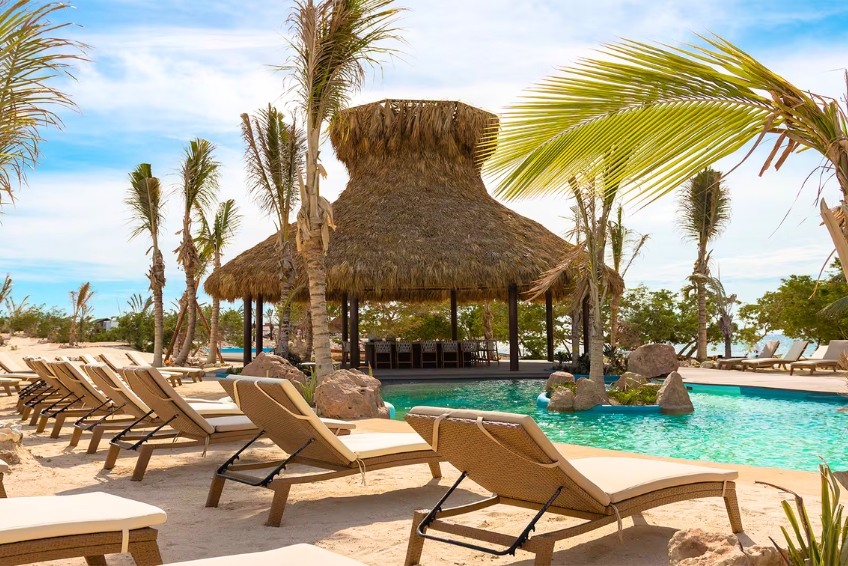
Baby Beach at Cabo Rojo Guide
Baby Beach at Port Cabo Rojo is a capacity-controlled beach club with an unlimited open bar, sandy Caribbean swimming, kayaks, and a freshwater pool. But is it worth the price? This guide covers exactly what's included, what it costs, who should book it, and how to get the most out of your day.
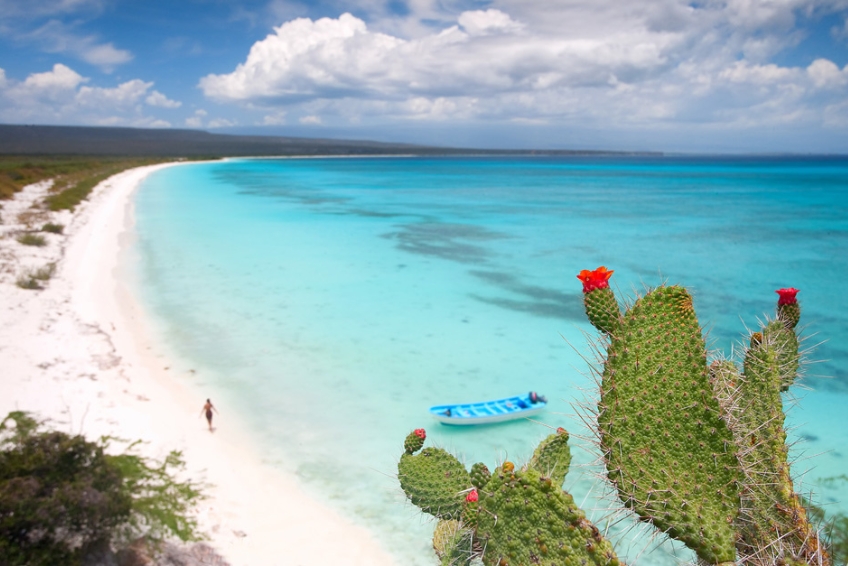
Bahia de las Aguilas
Why Visit Cabo Rojo?
Cabo Rojo is one of the last genuinely undiscovered corners of the Caribbean. The beaches are world-class and nearly empty. The national parks are enormous and almost entirely wild. The water is clear, the reefs are healthy, and the region sits outside the main sargassum belt that plagues much of the Dominican coast.
It is not a resort destination. There are no all-inclusive hotels (yet), no luxury beach clubs, and no tourist strips. What it has instead is real landscape, real quiet, and a level of natural beauty that is increasingly hard to find anywhere in the region.
Getting there takes a little effort, but that is exactly why it still looks the way it does.
Read the Complete Cabo Rojo Visitors Guide