
Cabo Rojo Visitors Guide
 Daniel Mode
Daniel Mode
Daniel Mode Vanessa Howard
Vanessa Howard
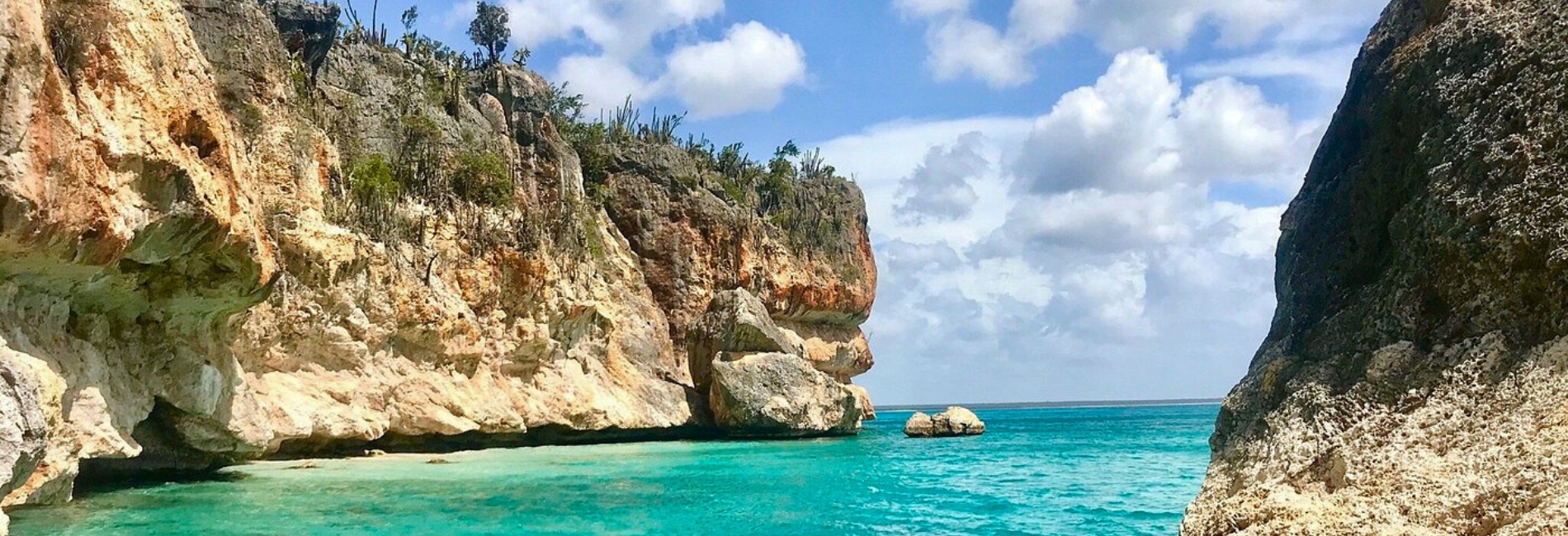
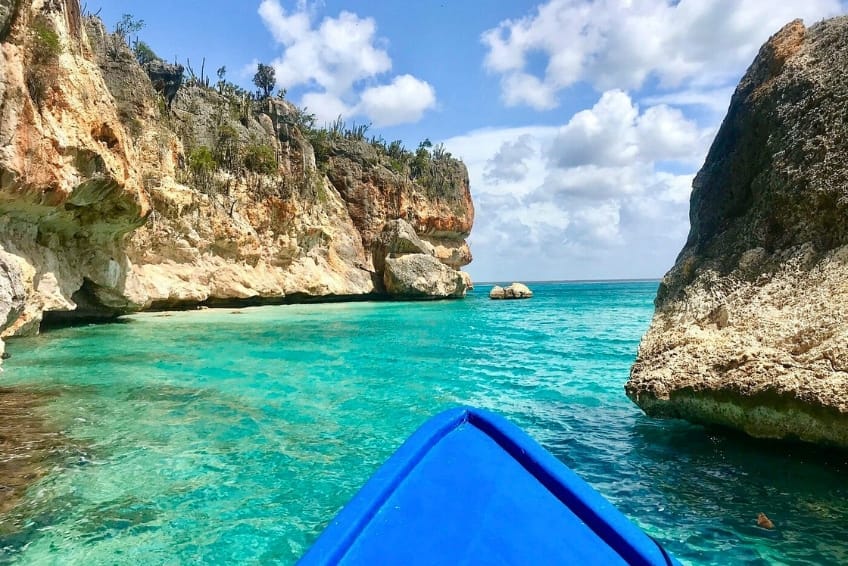
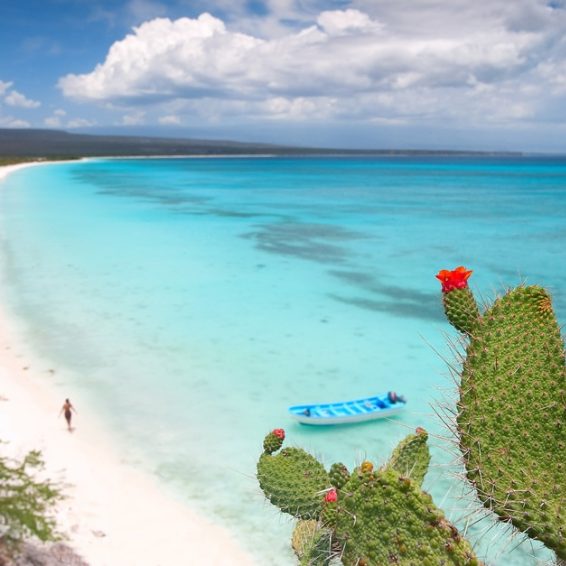
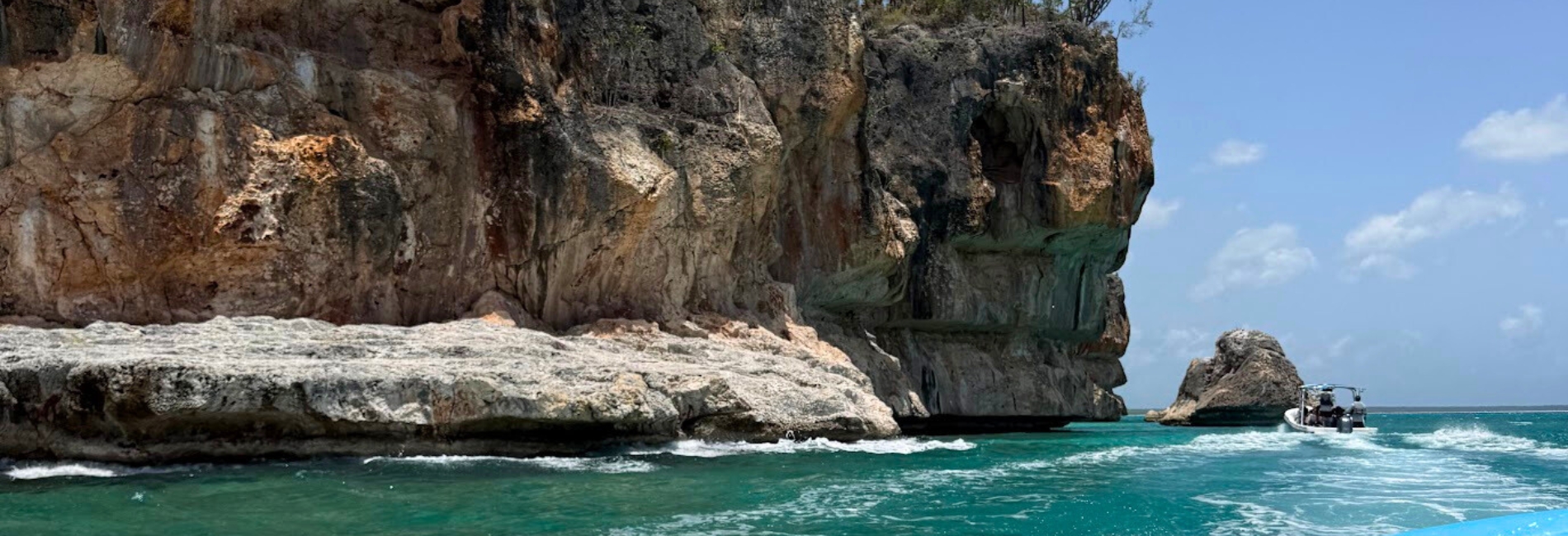
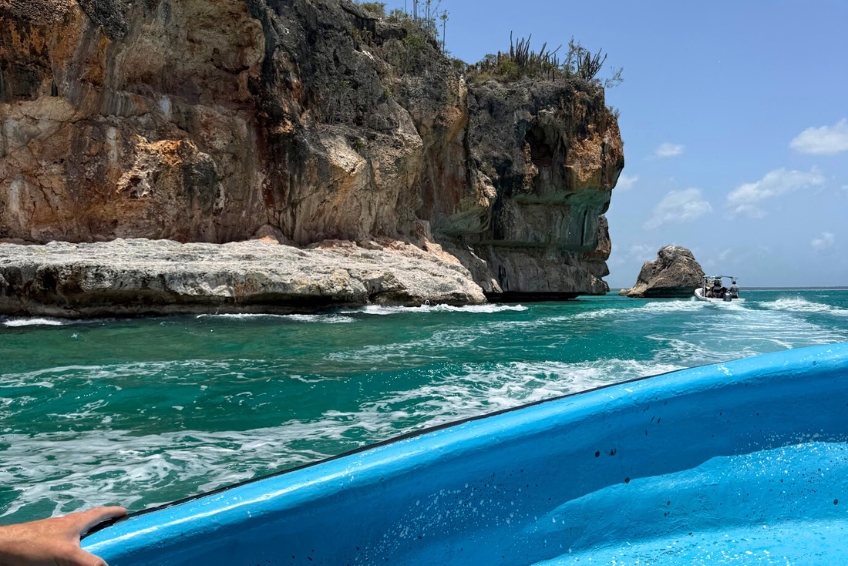
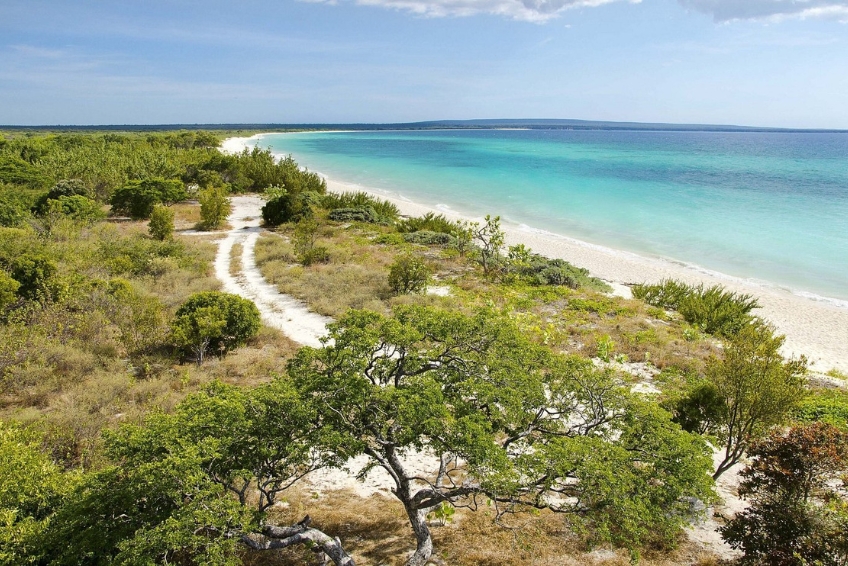
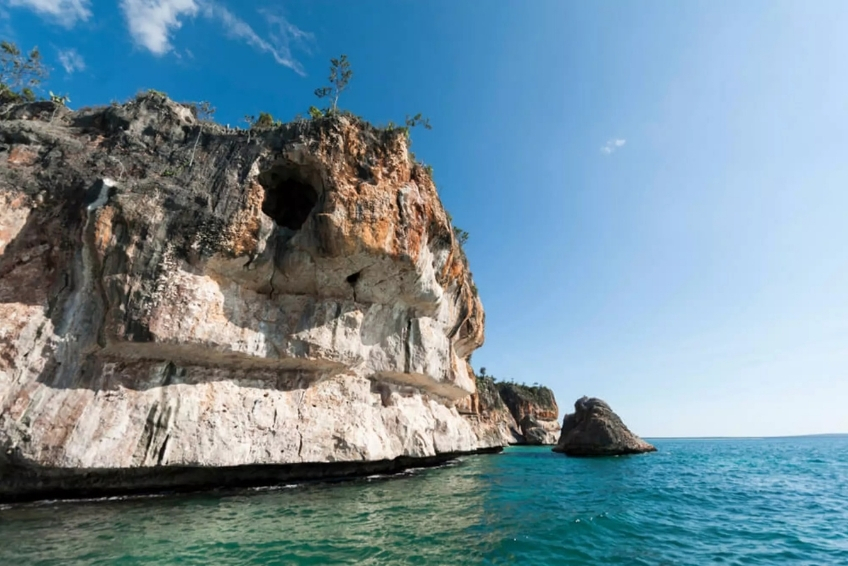
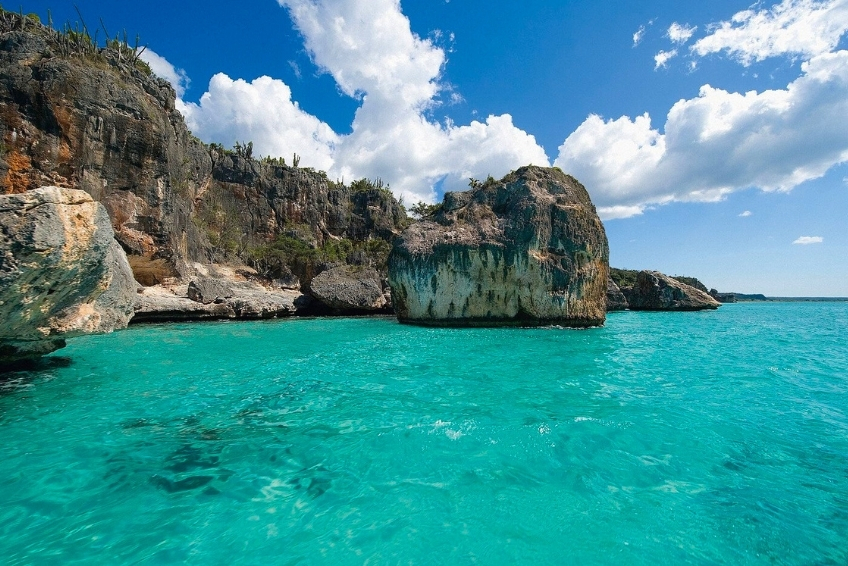
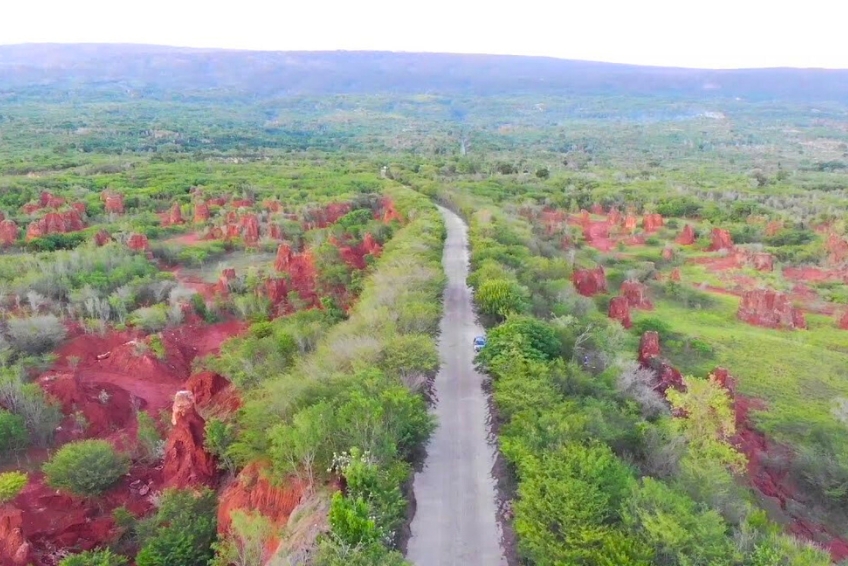
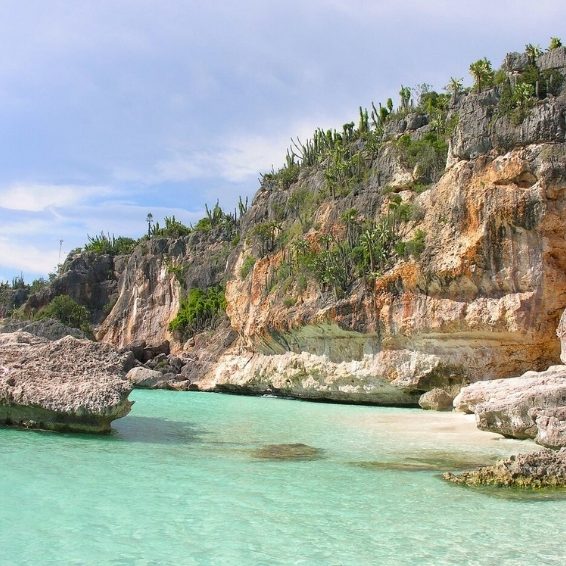
Vanessa HowardCabo Rojo is a small cape, a narrow point of coastline pushing out into the Caribbean Sea, on the remote southwest coast of the Dominican Republic. The name Cabo Rojo literally translates as “Red Cape”, due to the red soil stained a deep rust color by bauxite ore in the hills above the coast. Bauxite used to be mined here to produce aluminum, and the exposed red rock everywhere is something to see against the green landscapes. Cabo Rojo is one of the last wild corners of the Dominican Republic. The coastline here is dramatic with limestone cliffs dropping into turquoise water, desert landscapes studded with cacti, and beaches so empty you can walk for miles without seeing another soul. The star attraction is Bahia de las Aguilas, an 8-kilometer stretch of pristine sand inside Jaragua National Park that routinely ranks among the most beautiful beaches in the Caribbean. Beyond the beach, the region shelters flamingo-filled lagoons, ancient iguanas, and wildlife found nowhere else on Earth.
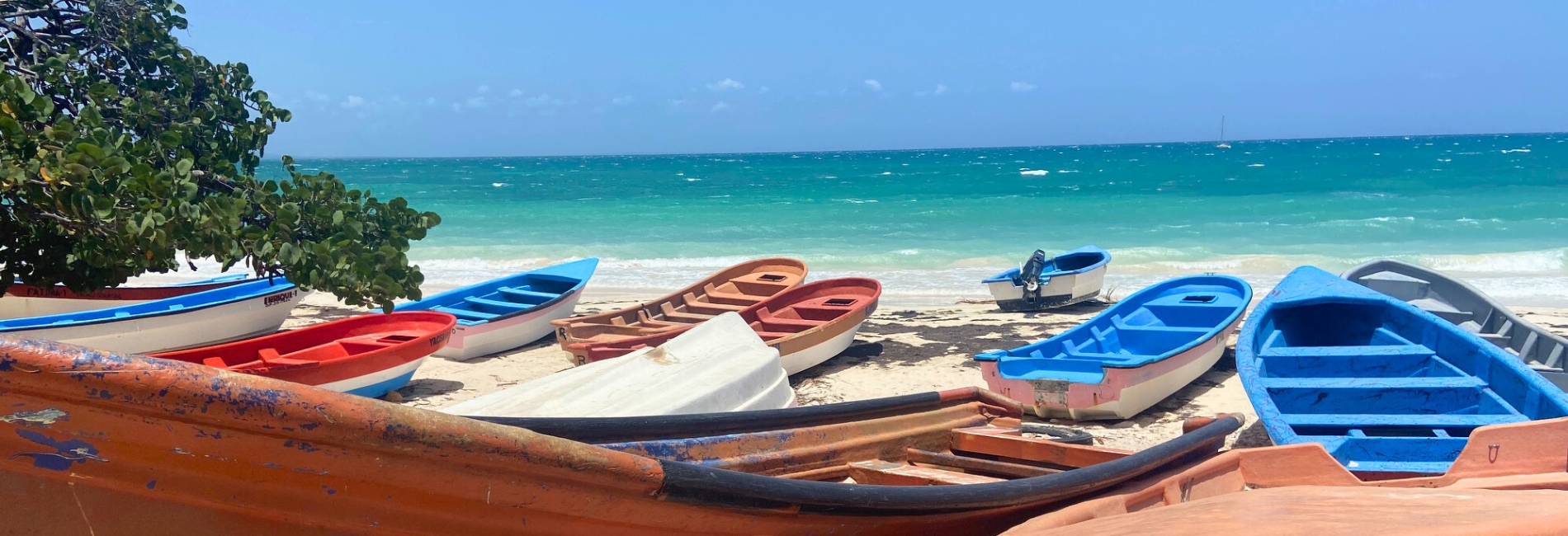
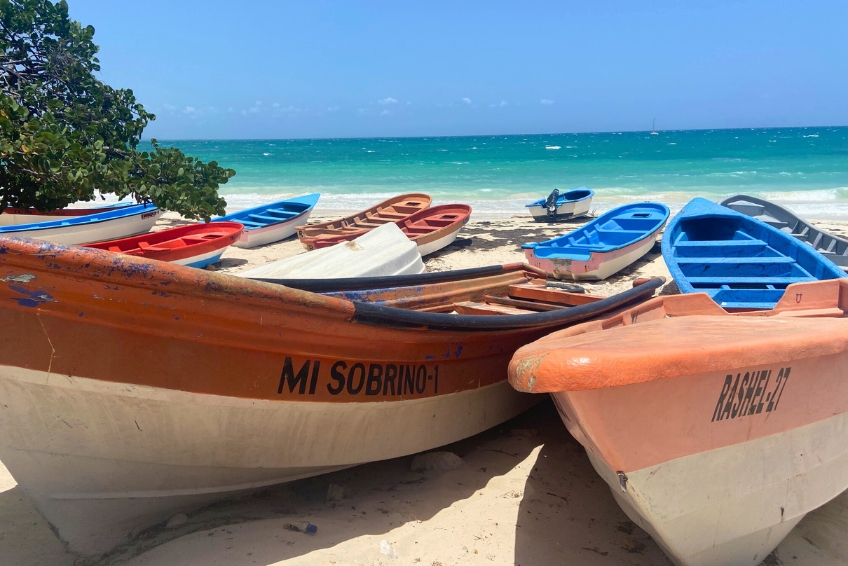
A $2.2 billion development project is transforming this area into what developers promise will be “the next Punta Cana,” but right now, you can still experience something increasingly rare. A world-class destination that hasn’t yet been overrun. A gleaming cruise port with a Ferris wheel sits just miles from a national park where the only bathroom is whatever cactus you can duck behind. Luxury resorts are rising from the earth while local fishermen still launch wooden boats from the same beaches their grandfathers used. That in-between moment is precisely what makes visiting now so compelling.
This article contains affiliate links. If you click on our links, we may earn a small commission at no extra cost to you. This helps us continue to offer free travel guides, but does not influence our recommendations in any way. Thanks for supporting independent travel content.
Contents
Where is Cabo Rojo, Dominican Republic?
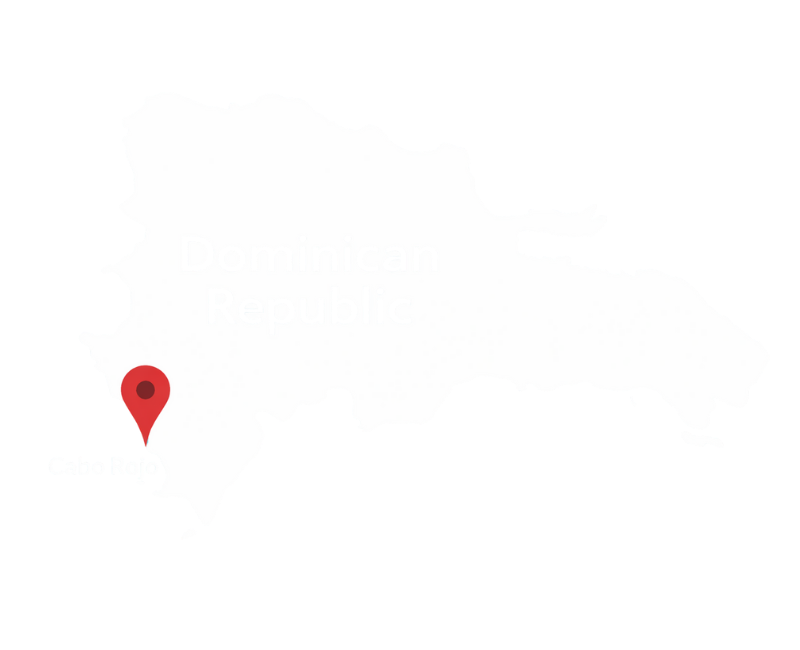
Cabo Rojo sits in Pedernales province at the southwestern tip of the Dominican Republic, around 310 km from Santo Domingo. The area includes the new Port Cabo Rojo cruise terminal and serves as the gateway to Bahia de las Aguilas beach.
Note: This is Cabo Rojo, Dominican Republic, not the town of the same name in Puerto Rico.
Cabo Rojo At A Glance
Cabo Rojo isn’t your typical Caribbean destination, and a little preparation goes a long way. This is a place where ATMs run out of cash, English is a foreign language, and the nearest reliable gas station might be two hours behind you. None of that should scare you off. It just means the visitors who do their homework have a much better time than those who show up expecting Punta Cana with fewer people. Here’s what you need to know before you go.
The New Cruise Port
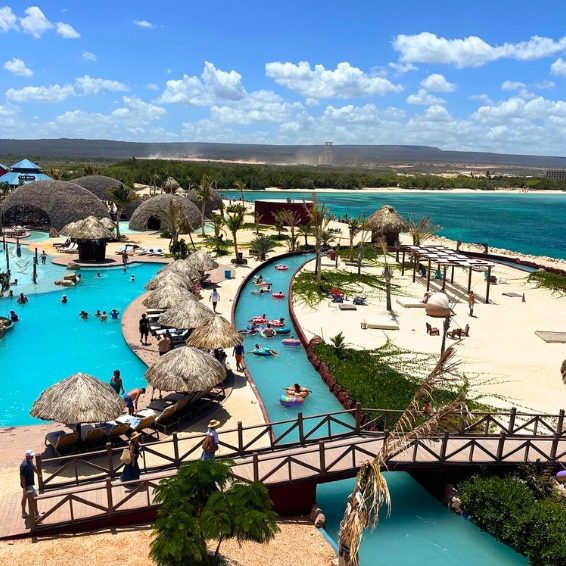
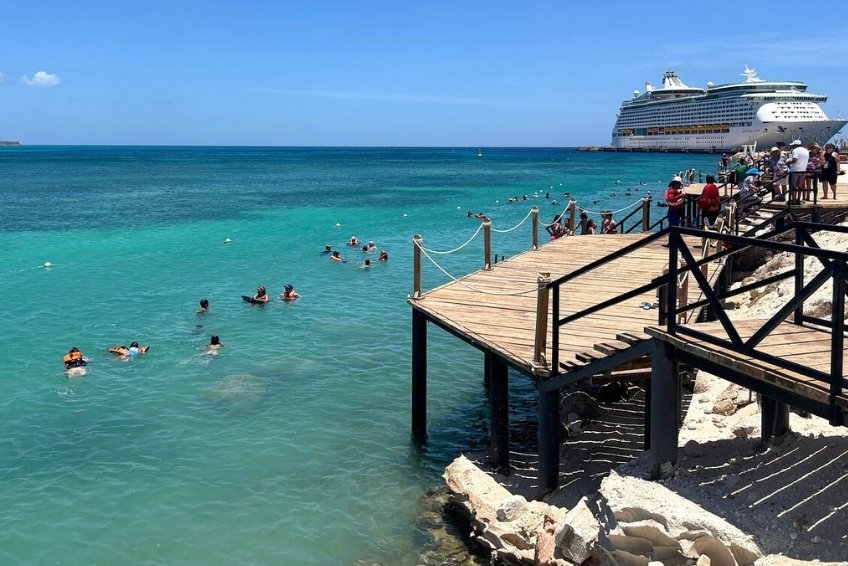
Port Cabo Rojo opened in January 2024 and changed the region overnight. Designed to accommodate up to four ships simultaneously, including Oasis-class mega-ships, it has brought Norwegian, Royal Caribbean, MSC, Holland America, Costa Cruises, and Virgin Voyages to this remote corner of the Dominican Republic.
The port itself is a self-contained resort experience: Ferris wheel, lazy river, pools, restaurants, and shops. It’s polished, it’s busy on ship days, and it sits just 15 kilometers from one of the most untouched beaches in the Caribbean. That contrast tells you everything you need to know about where Cabo Rojo is right now as a destination.

Language & Currency
Spanish is the primary language, and unlike Punta Cana or Puerto Plata, English speakers are genuinely rare. Google Translate with offline Spanish downloaded is essential for restaurant orders, tour negotiations, and basic interactions. Italian speakers will find surprising common ground thanks to a small European expat community.
The Dominican Peso (DOP) is the official currency, though US dollars are widely accepted at the cruise port and at some businesses in Pedernales. Cruise passengers can use USD throughout the port zone without issue, and most shore excursion operators accept dollars. If you’re venturing into Pedernales town, pesos will get you better rates at local restaurants and markets. You can exchange currency at the port or withdraw pesos from ATMs in town, though those ATMs can be unreliable. Independent travelers driving from Santo Domingo should withdraw sufficient cash in Barahona before heading south, as the Pedernales ATMs frequently run dry. Either way, boat captains and beach vendors deal exclusively in cash, so always have some on you.
Climate
Temperatures hover between 77-88°F year-round, but summer months (July-September) can push into the high 90s°F in this semi-arid microclimate. The dry season from December through April delivers ideal conditions with sunny skies and lower humidity.
Brief afternoon showers are possible during the wet season (May-November), though the rain shadow effect means Cabo Rojo receives far less rainfall than other parts of the DR. Around 50 cm annually compared to 150 cm or more in the north. Hurricane season officially runs June through November, peaking August-October. Check weather reports ahead of time, and we always suggest getting travel insurance during these months just in case.
Seaweed (Sargassum) Season
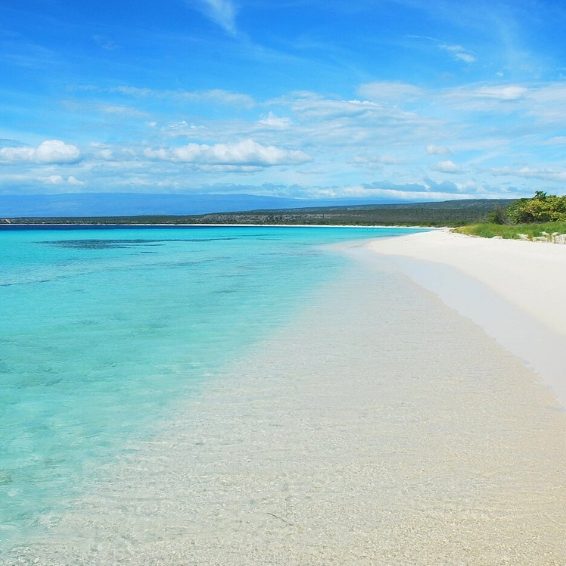
Good news for beach lovers, Cabo Rojo rarely gets sargassum seaweed! The area’s southwest coast faces the Caribbean Sea rather than the Atlantic Ocean, which means it largely escapes the sargassum seaweed that plagues Punta Cana and other east coast beaches during peak season (March-September). Bahia de las Aguilas and other beaches in the region historically stay clear thanks to their distance from Atlantic currents.
That said, changing ocean patterns have occasionally pushed sargassum into areas that were previously unaffected, including parts of Pedernales Province. If you’re traveling during summer months, it’s worth checking recent reports, though conditions here remain far better than on the East Coast. The dry season (December-April) offers the lowest risk.
Getting to Cabo Rojo
Most visitors currently arrive by cruise ship. Independent travelers need to make the long drive from Santo Domingo until the new Cabo Rojo airport opens in mid to late 2026.
By Cruise Ship
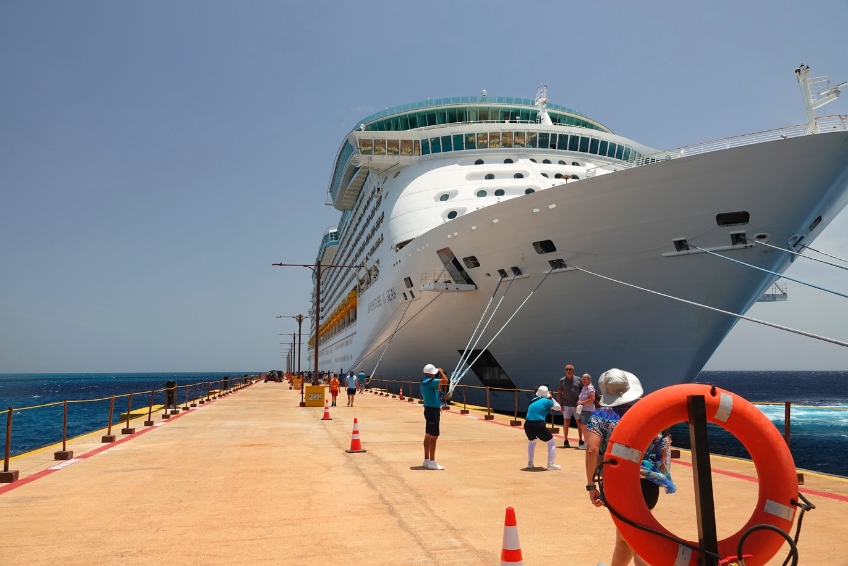
Port Cabo Rojo opened in January 2024 and is currently the primary gateway for international visitors. Designed to eventually accommodate up to four ships simultaneously, including Oasis-class mega-ships carrying 6,000+ passengers, the port has grown rapidly since its inauguration. Norwegian, Royal Caribbean, MSC, Holland America, Costa Cruises, and Virgin Voyages all include Cabo Rojo on Caribbean itineraries.
The port itself is a self-contained resort experience with a Ferris wheel, lazy river, carnival rides, pools, restaurants, and shops. Cocktails run around $15, beers $8. A dedicated “Baby Beach” section offers capacity-controlled access with drinks included for around $89 per person. It’s a polished tourist environment designed for passengers spending a few hours ashore.
Search for great deals on cruises here.

By Rental Car from Santo Domingo
For independent travelers, the journey starts at Las Americas International Airport (SDQ) in Santo Domingo. Expect 5-6 hours of driving southwest via Autopista 6 de Noviembre west, then Route 44 south through spectacular coastal scenery. Fill your gas tank in Barahona, as it’s the last reliable fuel stop before Pedernales.
Search for great deals on rental cars here.
By Private Transfer
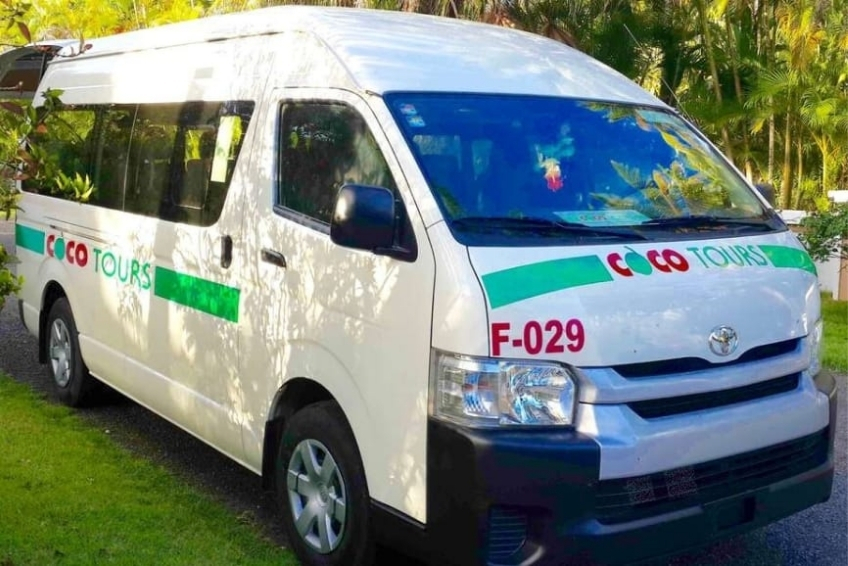
If you’d rather not drive, several companies offer private transfers from Santo Domingo to Pedernales. Larimar EcoTour charges around $380 USD flat rate for up to 15 passengers, making it reasonable for couples or small groups splitting the cost. Cocotours also services this route with similar pricing. Expect 5-6 hours each way. Book at least a few days in advance, as this isn’t a high-traffic route with vehicles constantly available.

By Public Transportation
There’s no direct bus from Santo Domingo to Pedernales, but budget travelers can piece together a route. Take a Caribe Tours bus from Santo Domingo to Barahona (about 3.5 hours, roughly $6-8 USD), then arrange a taxi or guagua (local minibus) for the remaining 2+ hours to Pedernales. The total cost runs $25-40 USD per person, but the journey takes 6+ hours with waiting time between connections. Not the most comfortable option, but it works.

By Air (Coming Early 2027)
This is what everyone is waiting for. The brand new Cabo Rojo International Airport is currently under construction near Oviedo, with the runway expected to be complete by late 2026 and full operations targeted for late 2026 or early 2027. Once operational, it will handle Boeing 777s with an initial capacity of 250,000 passengers annually, eventually scaling to one million passengers per year by the early 2040s as the broader development matures.
Getting Around Cabo Rojo
Once you’re in the Pedernales area, your transportation options depend largely on your comfort level with adventure and your budget.
Taxis
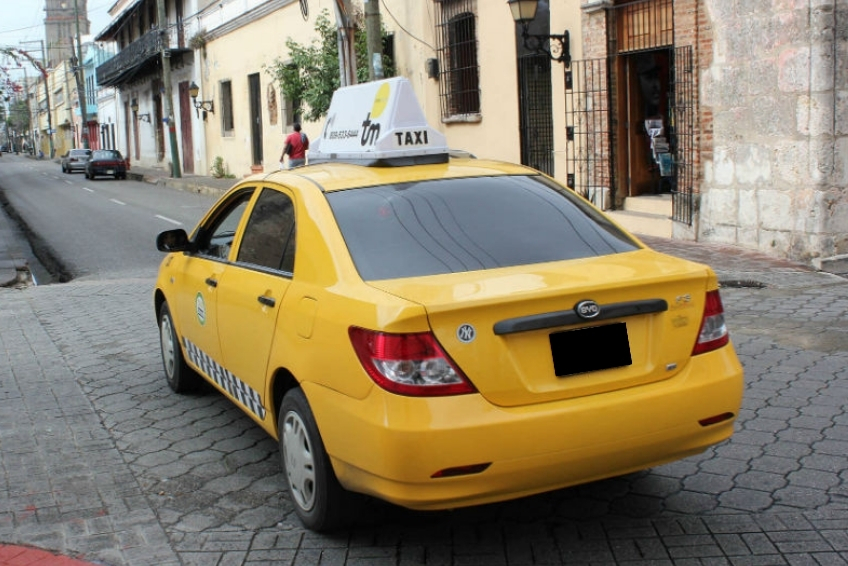
Taxis wait at Port Cabo Rojo and in Pedernales town, but this isn’t Punta Cana with meters and fixed rates. Negotiate your price before getting in. Most drivers only speak Spanish, so having your destination written down (or using a translation app) helps avoid confusion. Prices vary based on your negotiating skills and the driver’s mood that day. For cruise passengers, the port has a dedicated taxi zone where drivers are accustomed to working with tourists.

Tour Operators
For most visitors, pre-arranged tours are the easiest option. Larimar EcoTour is the most established operator in the area, offering everything from beach transfers to multi-day excursions. They handle logistics, provide English-speaking guides, and know which roads are passable after rain. Other local operators run boat tours to Bahia de las Aguilas from La Cueva for around $60 for up to 5 passengers, plus the $3 per person park entrance fee. Book tours at least a day in advance when possible, as this isn’t a place with unlimited vehicles waiting around.

Rental Car
A rental car gives you the most flexibility, especially if you want to explore beyond the main attractions. Standard vehicles handle the paved roads fine, but a 4×4 is recommended for reaching places like Hoyo de Pelempito or navigating the road to La Cueva after heavy rain. There are no rental agencies in Pedernales itself, so you’ll need to pick up a car in Santo Domingo or Barahona.
Search for great deals on rental cars here.

Motoconcho
Throughout the Dominican Republic, motoconchos (motorcycle taxis) are a common and cheap way to get around locally. You’ll see them in Pedernales town, and they’re fine for short hops. Prices are negotiable, usually just a few dollars for trips within town. Helmets are not always provided, and the experience ranges from “local adventure” to “what am I doing with my life,” depending on your tolerance for two-wheeled excitement.
Port Shuttle (Cruise Passengers)
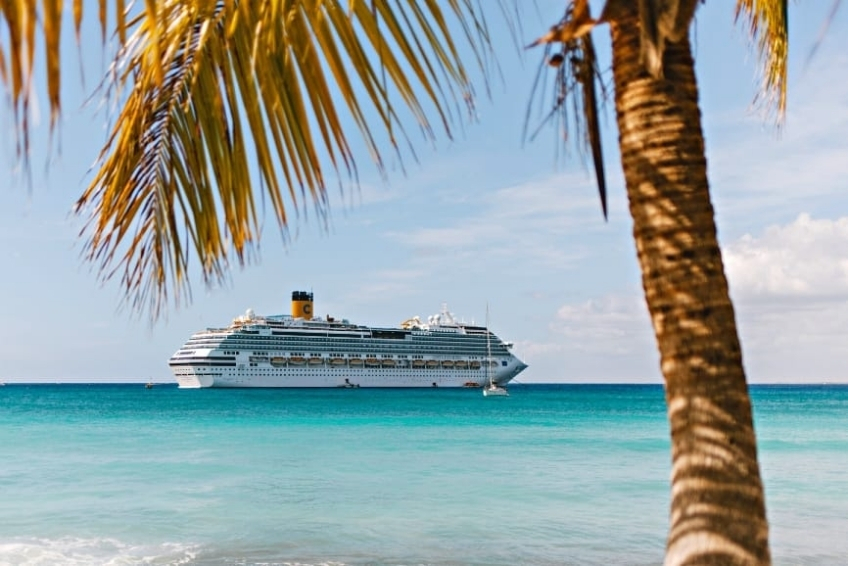
Cruise passengers often have access to free shuttles running between Port Cabo Rojo and Pedernales town. It’s a quick ride and lets you poke around the local markets, grab lunch at a Dominican restaurant, or simply see what an authentic border town looks like. The shuttle schedule aligns with ship arrivals and departures, but confirm timing at the information desk.
Things To Do In Cabo Rojo, Dominican Republic
Cabo Rojo isn’t a destination with amusement parks, zip-line courses, or all-inclusive activity desks. What you’ll find instead are raw natural experiences. Empty beaches, flamingo-filled lagoons, prehistoric wildlife, and landscapes that look more like another planet than the Caribbean. For cruise passengers, we’ve included distances from Port Cabo Rojo and realistic excursion times to help you plan. For independent travelers staying overnight, you’ll have time to explore at a more relaxed pace and hit multiple spots without watching the clock.
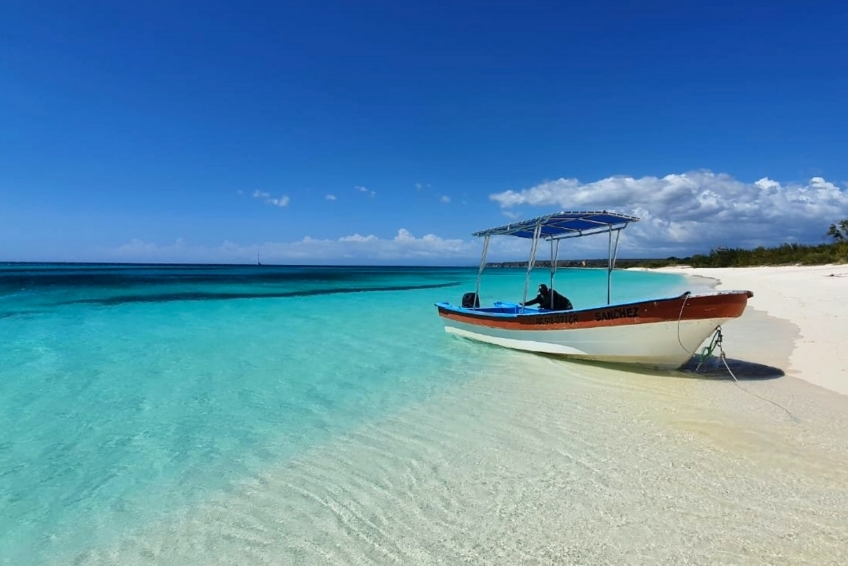
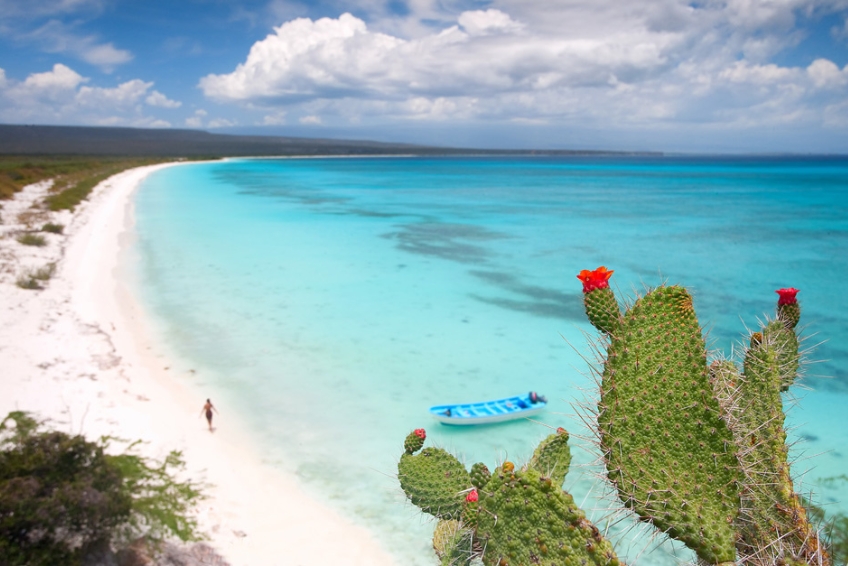
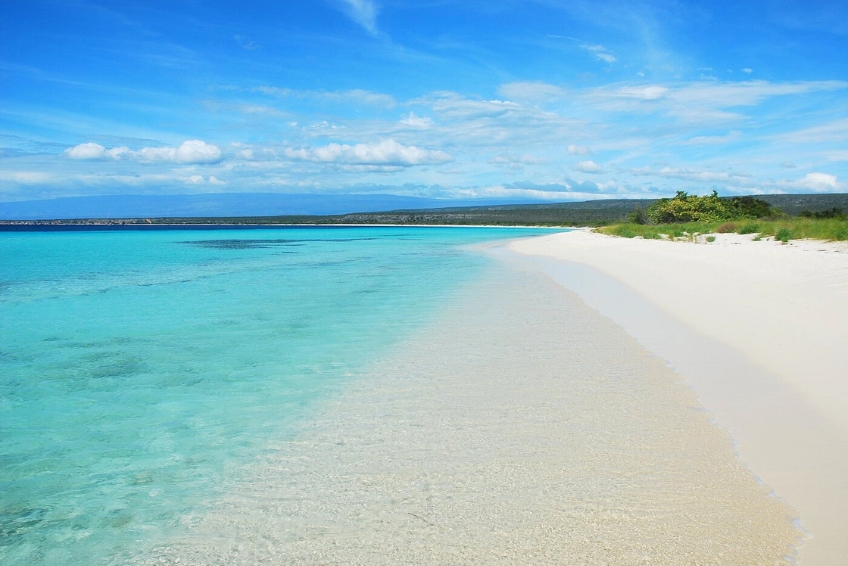
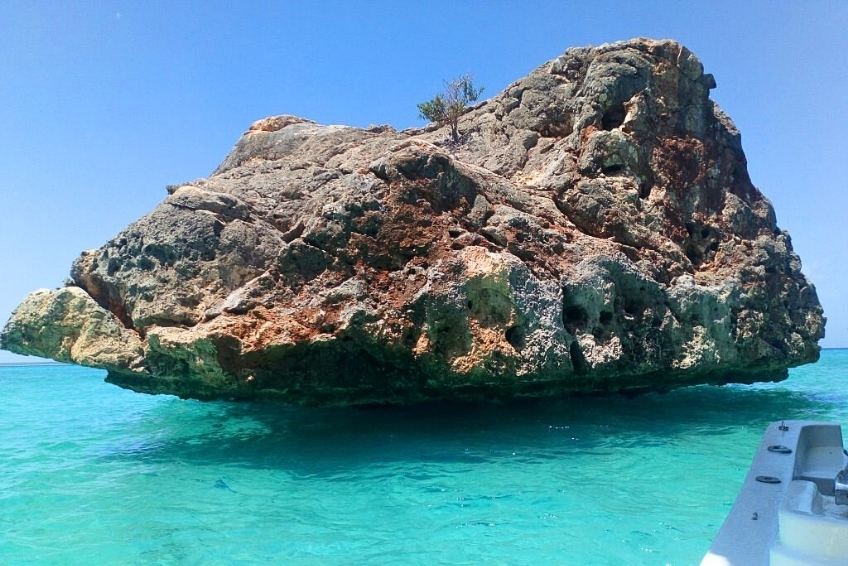
click to see more images
1. Bahia de las Aguilas
Distance from Cruise Port: 15 km to La Cueva boat launch (20-30 minutes), then 15-minute boat ride
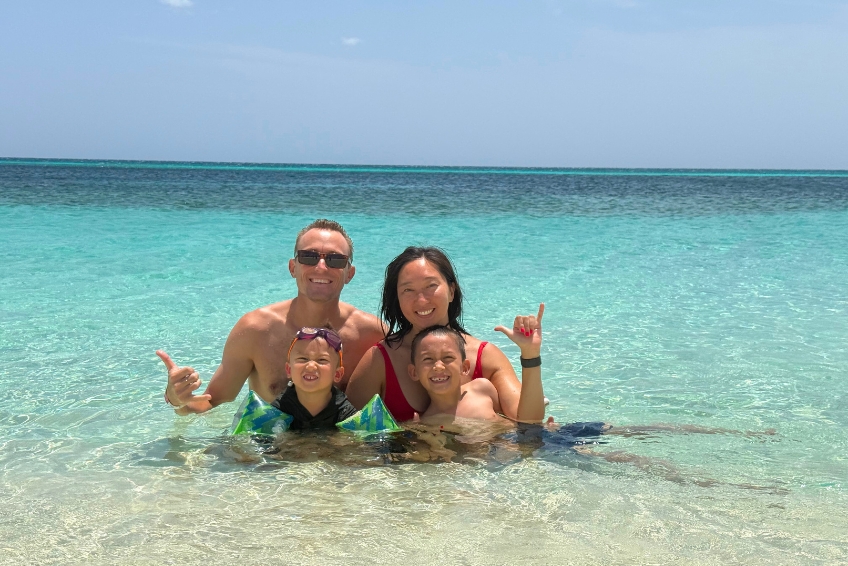
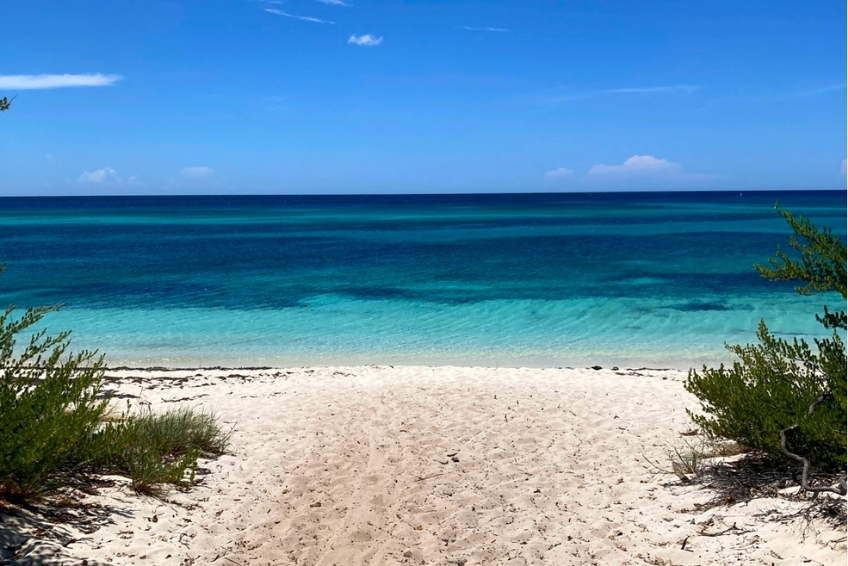
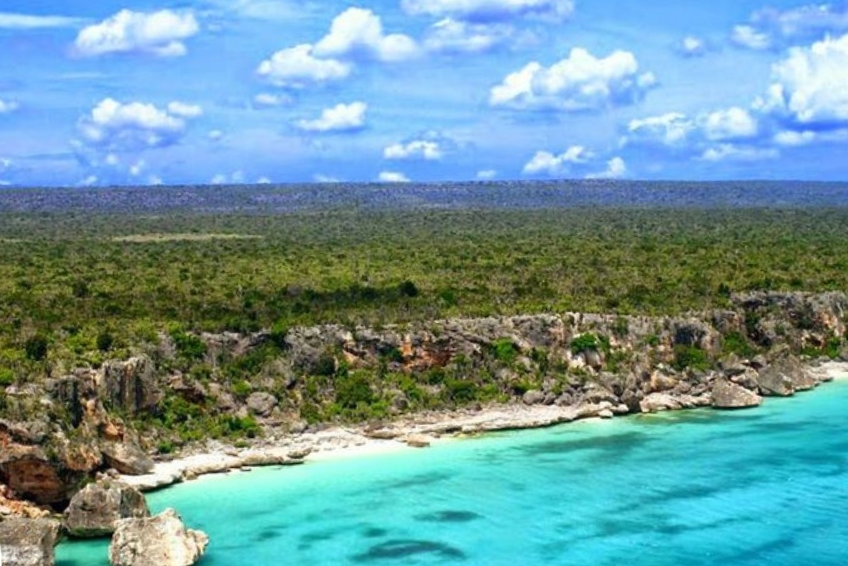
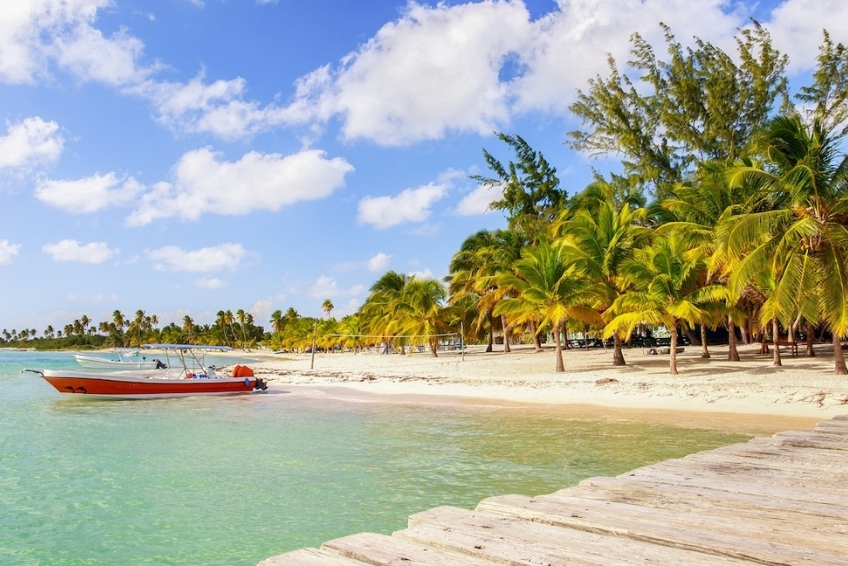
The essential Cabo Rojo experience and the reason most visitors make the journey. This 8-kilometer stretch of pristine beach inside Jaragua National Park has almost no facilities: no hotels, no restaurants, no vendors. Basic restrooms were added near the boat landing area in 2025, but beyond that you’re on your own. You bring everything in and take everything out.
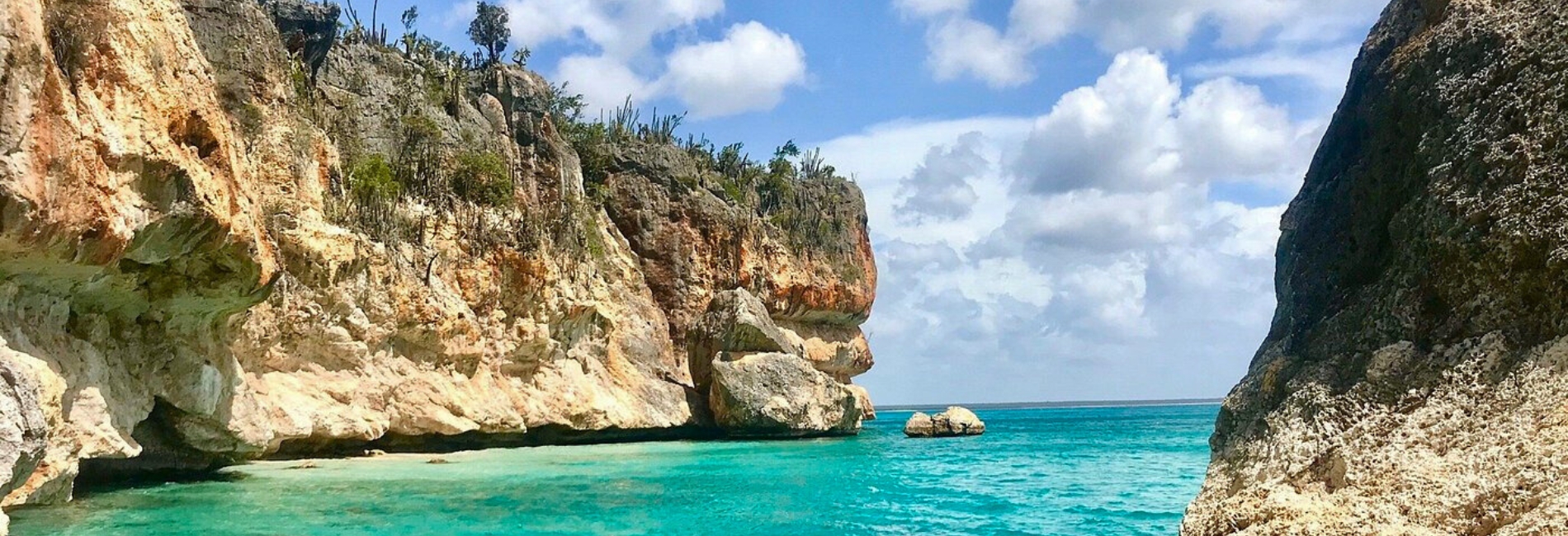
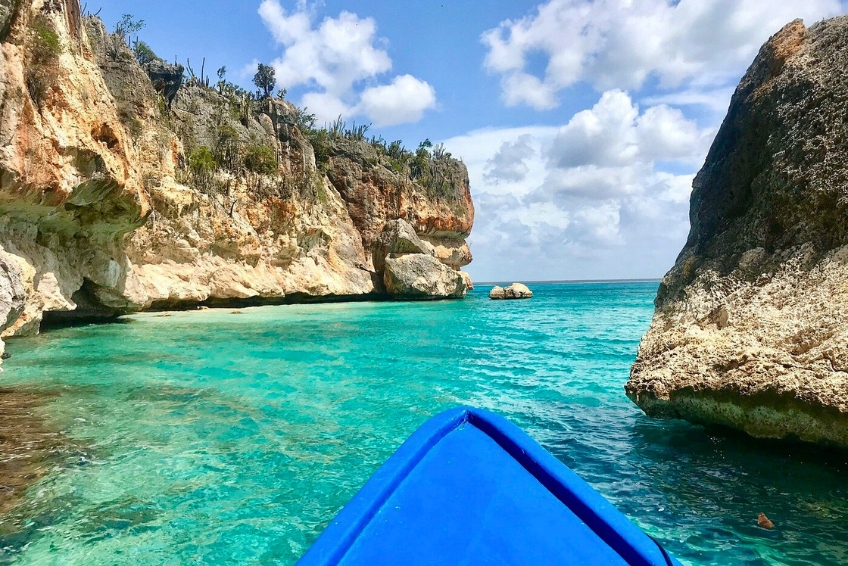
Boats depart from La Cueva starting around 8:30am, with the last return at 5:30pm. The trip costs around $60 round-trip for up to five people, plus a $3 park entrance fee. The boat ride itself is spectacular, threading through dramatic limestone formations along the coastline.
Pack everything you need: water (more than you think), snacks, and reef-safe sunscreen. Midday temperatures regularly climb into the mid-to-high 90s°F on this exposed, shadeless beach, so morning arrival is strongly recommended.
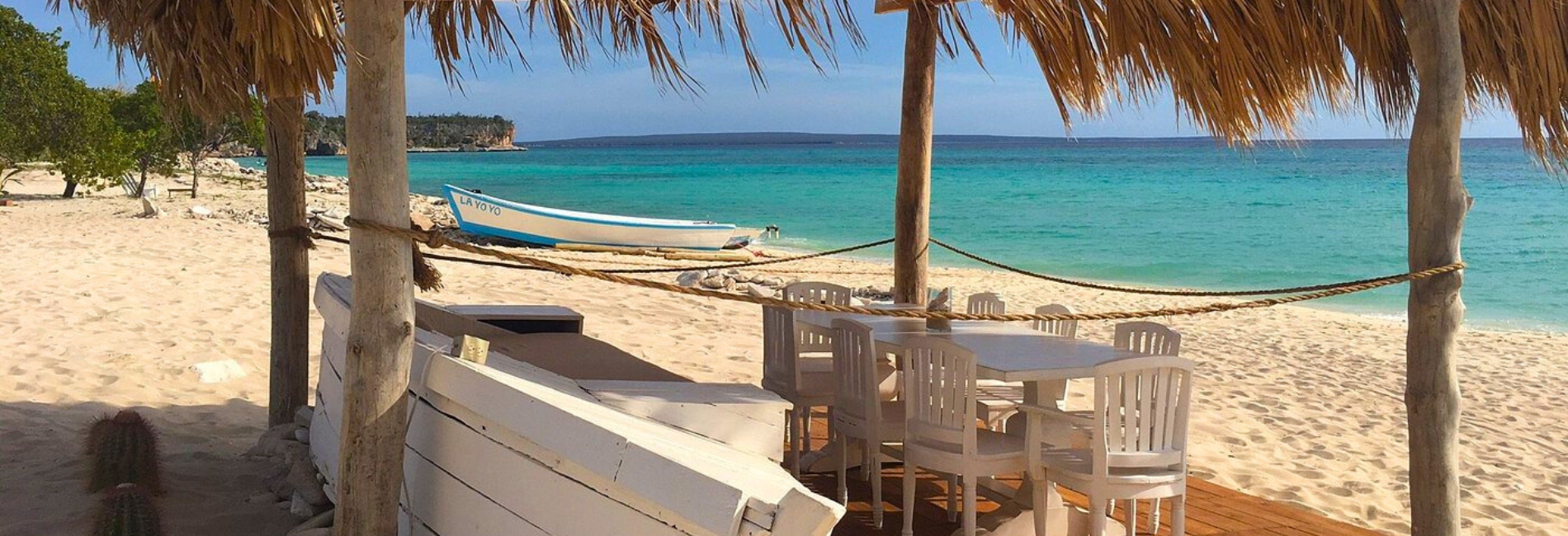
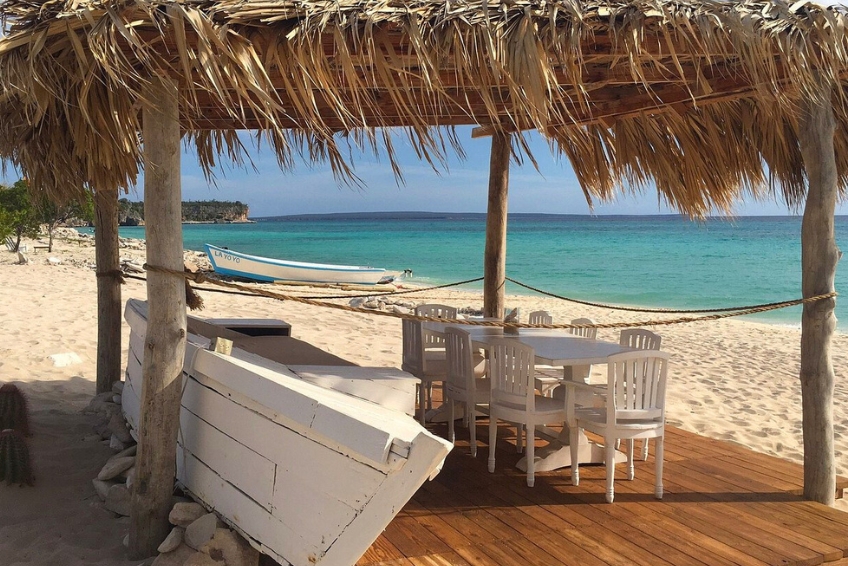
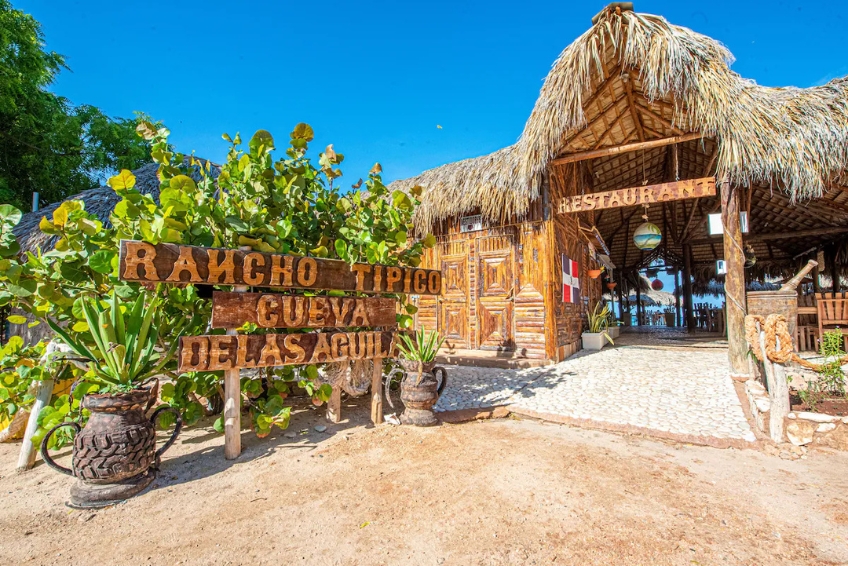
At La Cueva, the Rancho Tipico Restaurant at Glamping Ecolodge can arrange to have tables, chairs, and a freshly cooked lunch delivered directly to the sand by boat. Beach lunch packages start around $7-15 per plate. Many organized tour packages include this service. Ask about lunch options when you book your boat ride, ideally the day before.
Cruise excursion time: 4-6 hours minimum. Ship-sponsored tours run $90-150. Independent arrangements cost less but require paying attention to timing.
For more info and tips for visiting, read our Complete Guide to Bahia de las Aguilas
Check out this Bahia de las Aguilas 2 Day All Inclusive Beach Paradise Tour or this Bahia de las Aguilas Full Day Private Tour With Lunch and Open Bar Tour.
Island Life Tips: Arrive on the first boat out and claim a spot near the eastern end of the beach where a few trees provide midday shade. Ask about beach lunch delivery when you book your boat at La Cueva the day before, and bring a small dry bag for your phone and cash.
click to see more images
2. Pedernales Town
Distance from Cruise Port: 20 km (30-40 minutes)
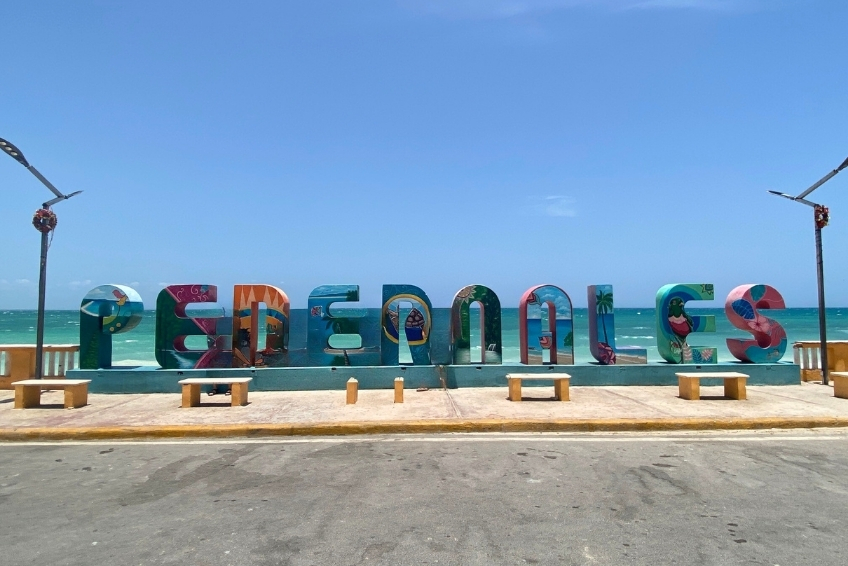
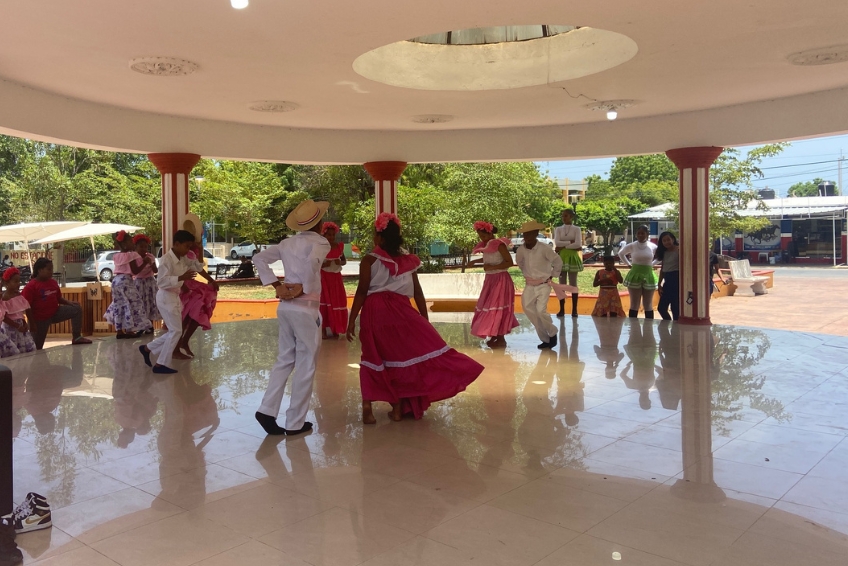
The provincial capital offers an authentic Dominican experience far removed from resort tourism. This border town of around 30,000 people has a working waterfront, local markets, and restaurants serving home-style Dominican and Haitian-influenced cuisine.
Pedernales Beach provides a relaxed alternative to the more remote Bahia de las Aguilas, with calm waters and local families rather than tour groups. The town also serves as the gateway to other attractions and offers the region’s most reliable ATMs, fuel, and supplies (though still unreliable at times).
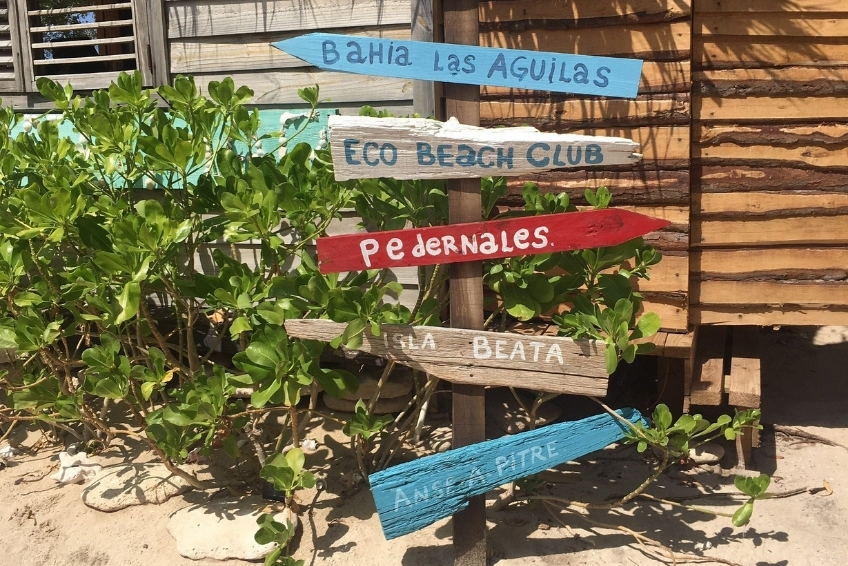
For visitors interested in border culture, the Haitian crossing at Anse-a-Pitres lies just beyond town, though crossing requires advance planning and documentation.
Cruise excursion time: 2-4 hours for a town visit and beach time.
For more info and things to do, read our Complete Guide to Pedernales
Island Life Tips: Visit the town market in the morning when it’s busiest and most photogenic. Withdraw more cash than you think you’ll need from the ATMs here since they’re the last reliable option before heading to remote attractions. For lunch, skip the places with English menus and follow the locals to the comedores with the longest lines.
click to see more images
3. Laguna de Oviedo
Distance from Cruise Port: around 25 km to El Cajuil visitor center (40-50 minutes)
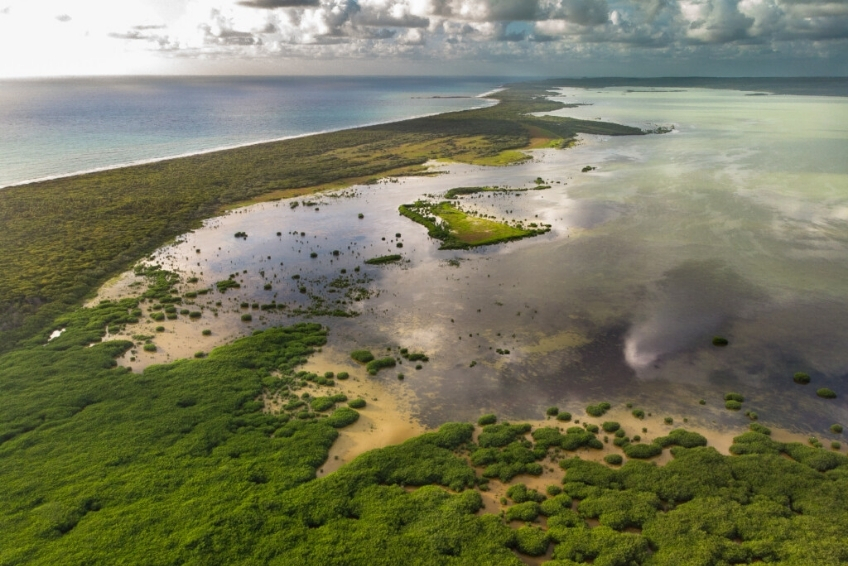
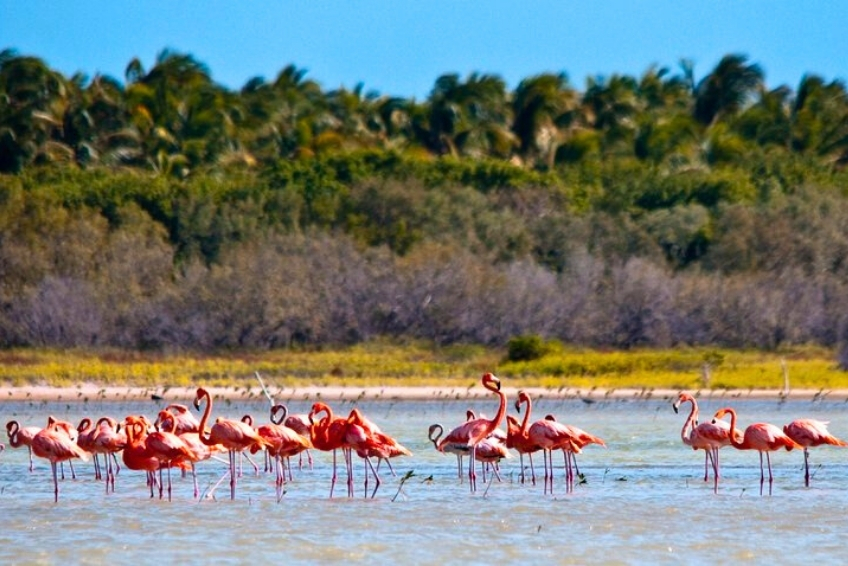
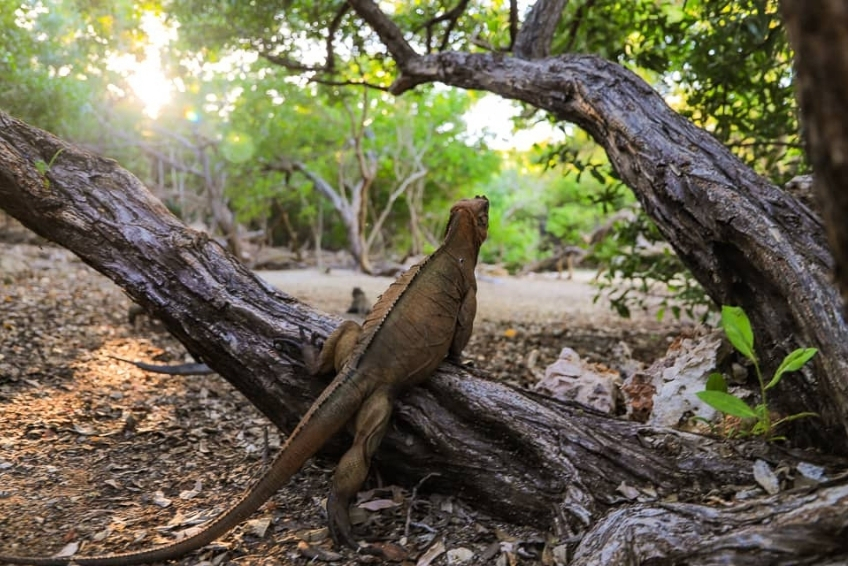
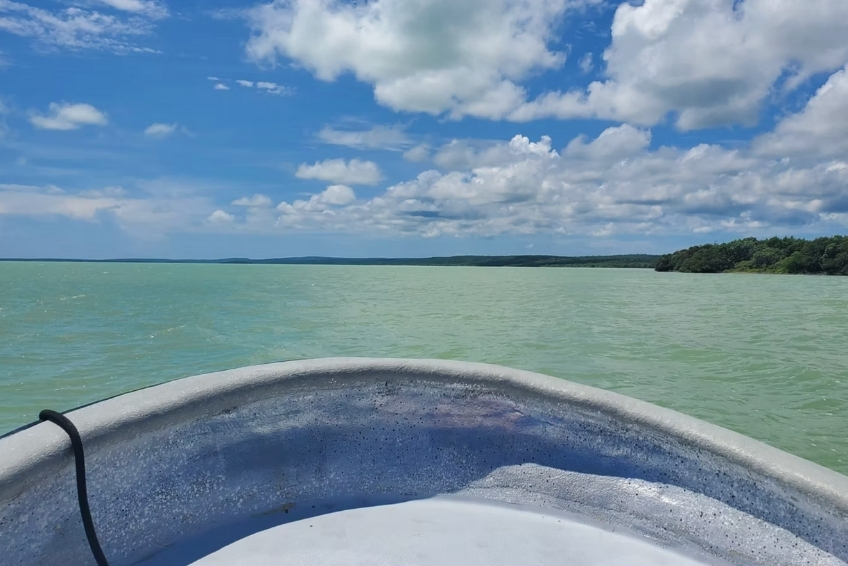
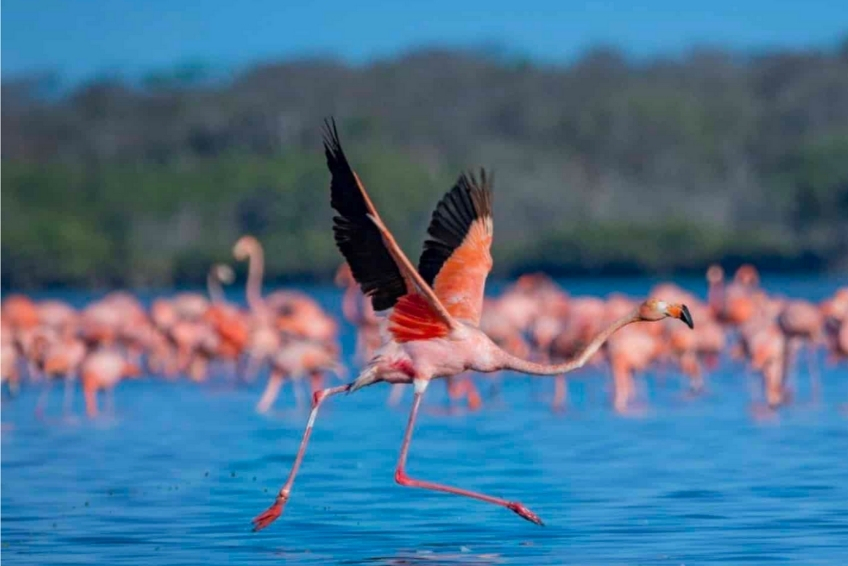
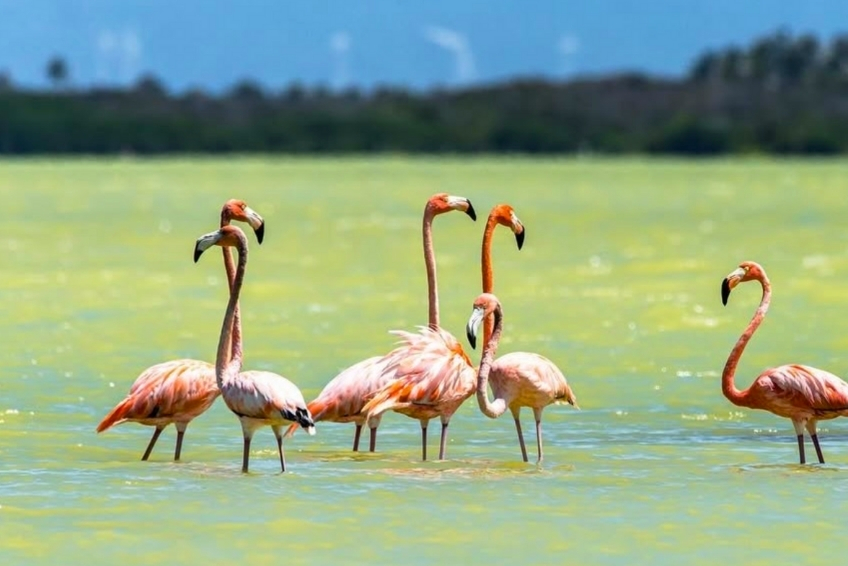
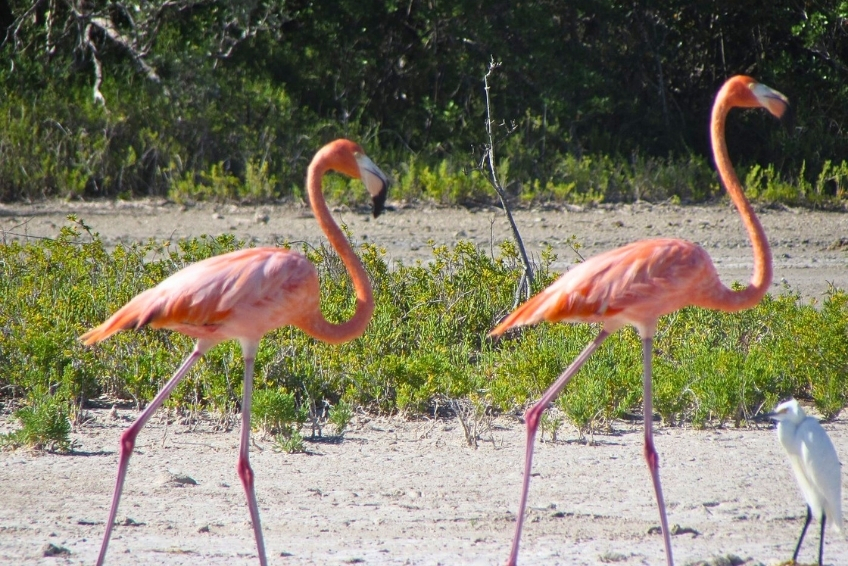
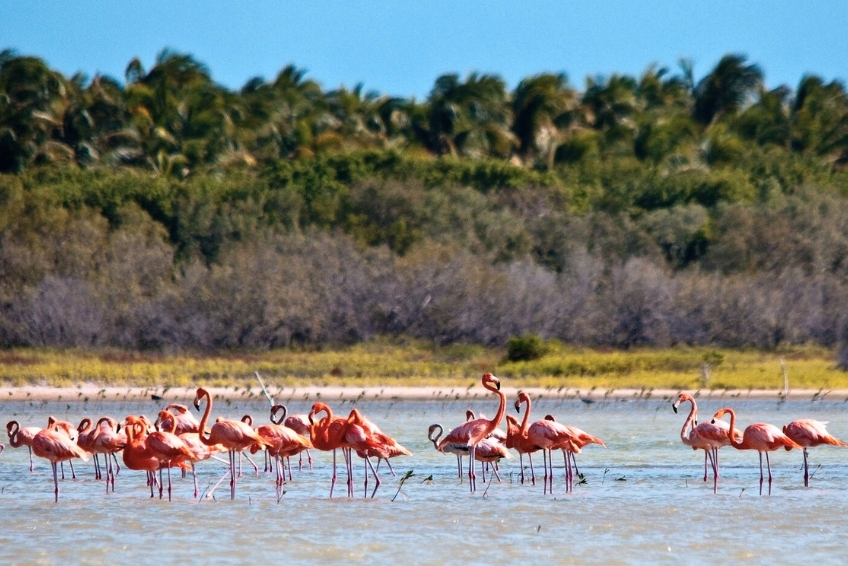
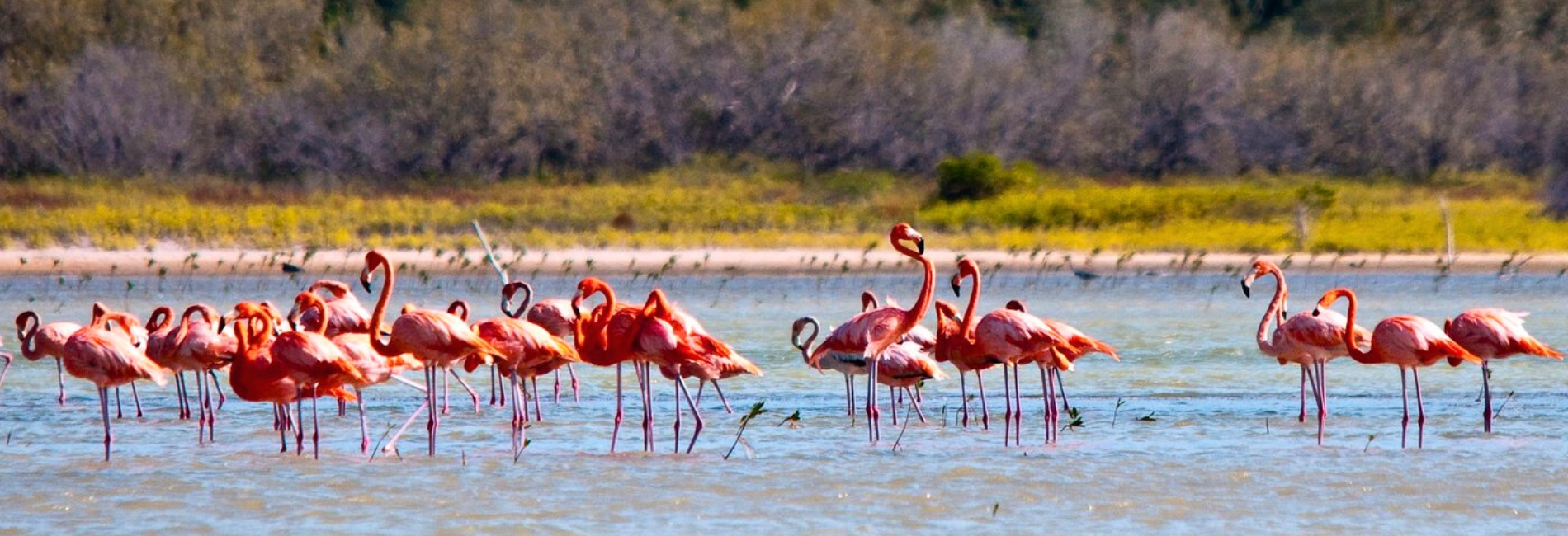
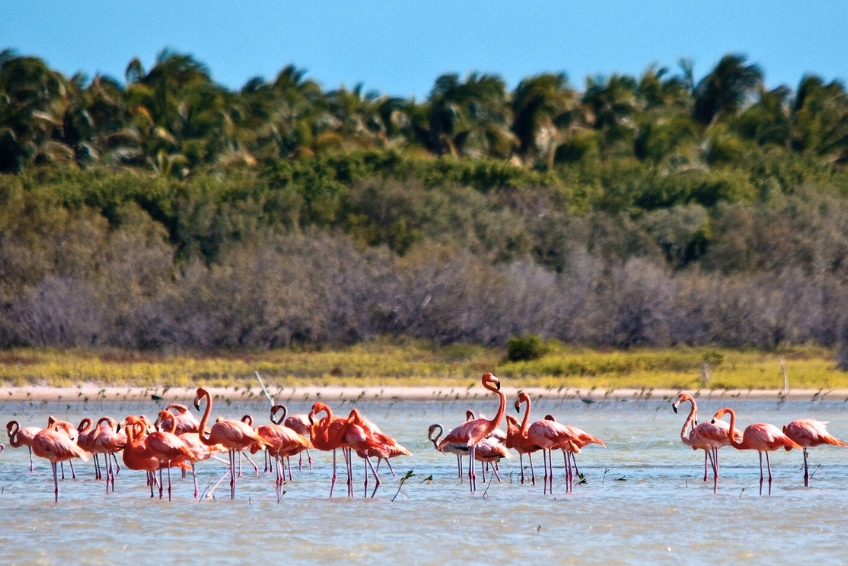
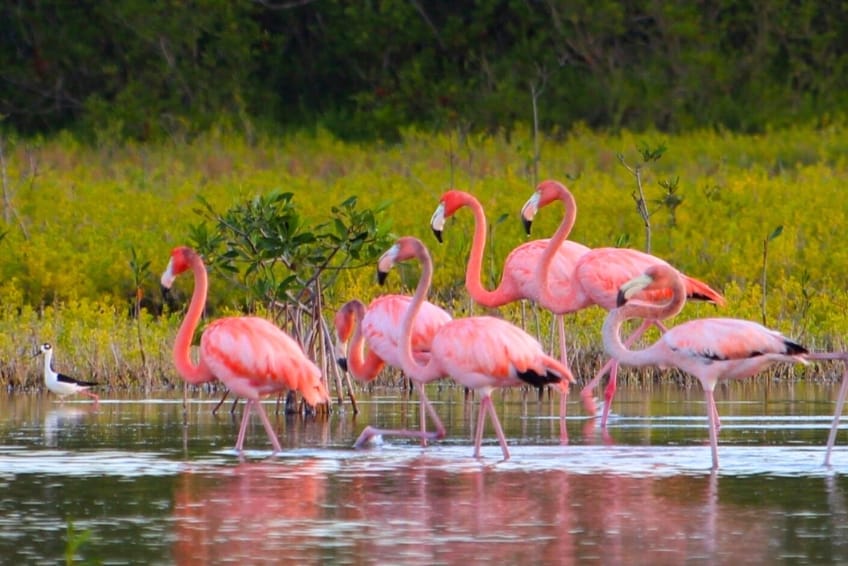
This 27-square-kilometer saltwater lagoon, three times saltier than the sea, hosts the Dominican Republic’s largest flamingo colony along with close to 150 bird species, American crocodiles, rhinoceros iguanas, and the endangered Ricord’s iguana.
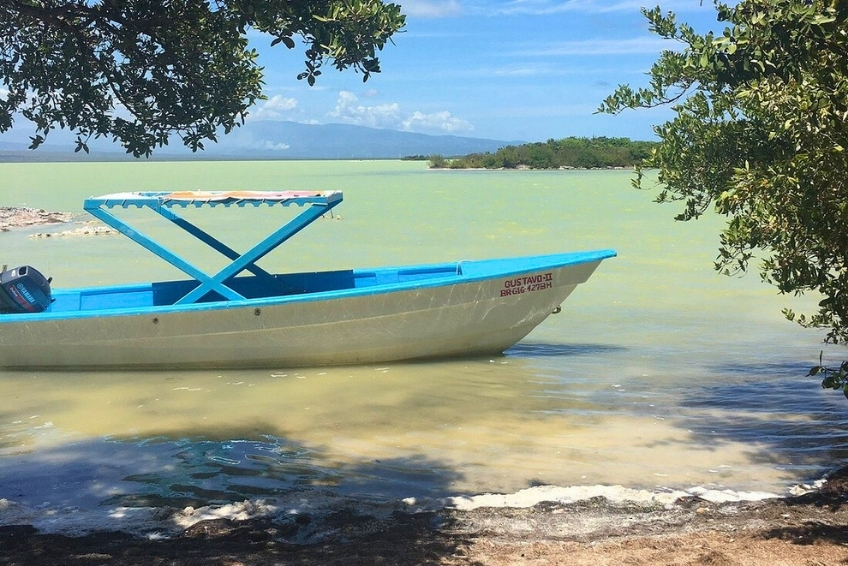
Boat tours lasting 2-3 hours depart from the El Cajuil visitor center and cost $50-100. The highlight for many visitors is “Cayo de las Iguanas” (Iguana Island), where you can observe both rhinoceros iguanas and Ricord’s iguanas in one of their last remaining habitats. Peak flamingo viewing runs November through March, when migratory birds arrive in the greatest numbers, though some birds are present year-round.
Go early morning when wildlife is most active, and the heat is manageable. The lagoon tour includes a unique mud bath experience in the mineral-rich shallows.
Cruise excursion time: 4-5 hours, including transportation. Often combined with Bahia de las Aguilas in full-day tours ($250-300).
For more info and tips for visiting, read our Complete Laguna de Oviedo Guide
Check out this highly rated Laguna de Oviedo Tour or discover more with this Explore Laguna de Oviedo Tour.
Island Life Tips: Book the earliest tour slot available and bring binoculars if you have them. Wear clothes you don’t mind getting muddy for the mineral bath, and pack a change of shoes since you’ll be wading through shallow water. The guides know where the iguanas like to sun themselves, so let them lead rather than wandering off on your own.
click to see more images
4. Jaragua National Park
Distance from Cruise Port: The park surrounds the Cabo Rojo area with various entry points within 15-40 km
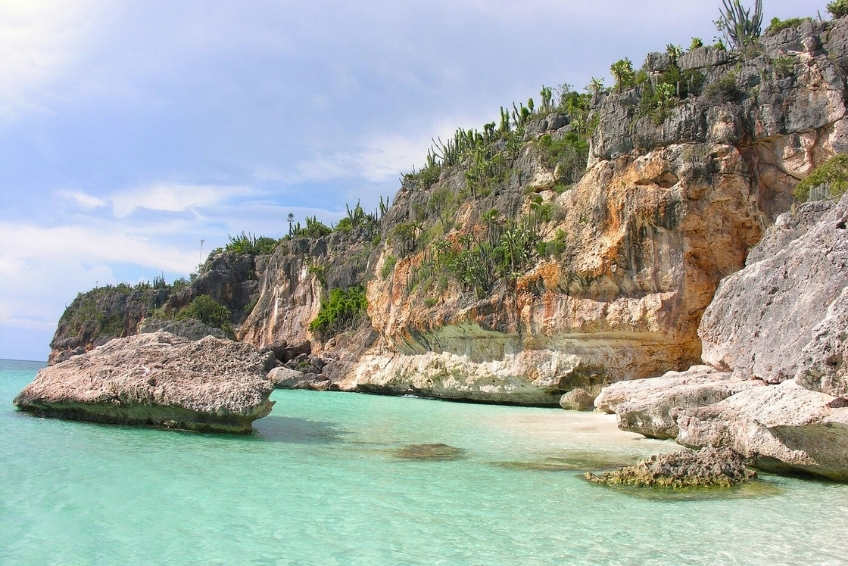
The largest protected area in the Caribbean, at 1,374 square kilometers, Jaragua encompasses both Bahia de las Aguilas and Laguna de Oviedo, along with vast stretches of dry forest, coastal wetlands, and offshore cays. In 2002, UNESCO designated the broader Jaragua-Bahoruco-Enriquillo region as a Biosphere Reserve.
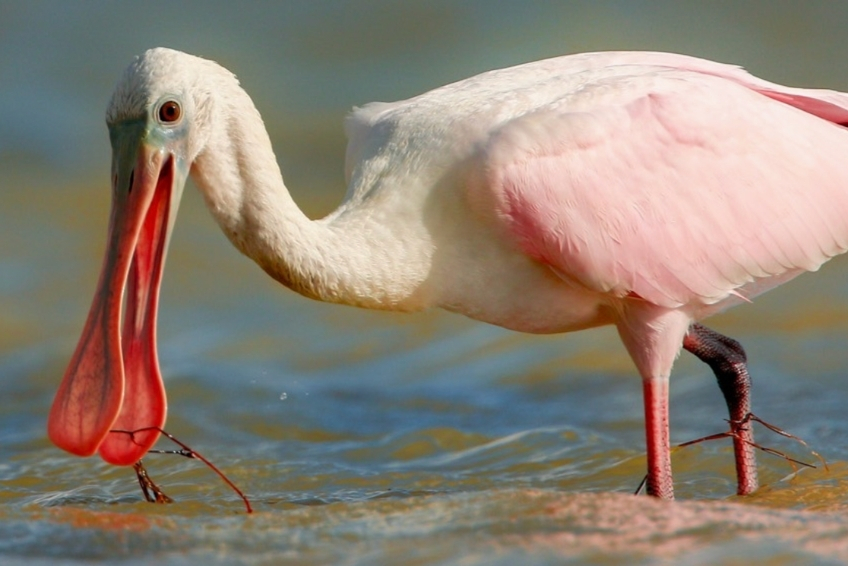
Beyond the headline attractions, the park protects extraordinary biodiversity, including the Hispaniolan solenodon, a venomous, shrew-like insectivore and the Hispaniolan hutia, a nocturnal herbivorous rodent, rhinoceros iguanas, hawksbill sea turtle nesting beaches, and over 130 bird species, including the Hispaniolan parrot and roseate spoonbills.
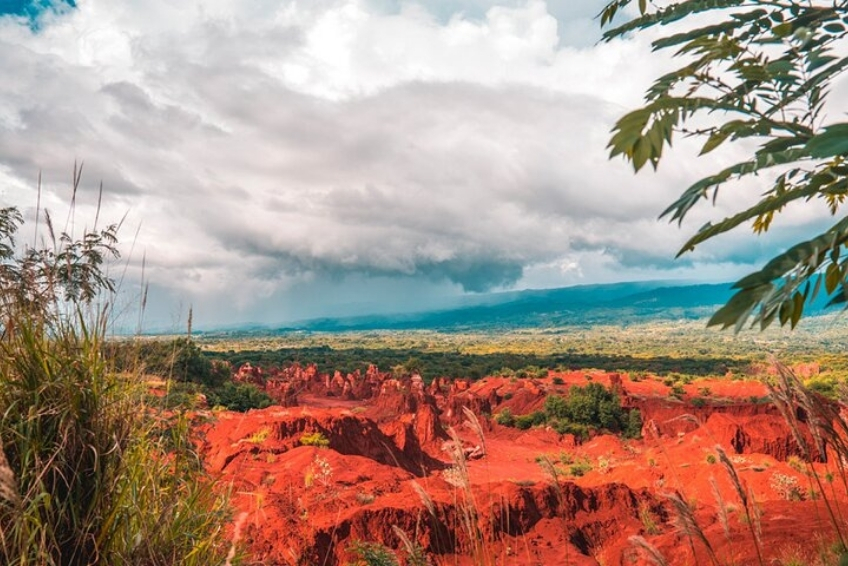
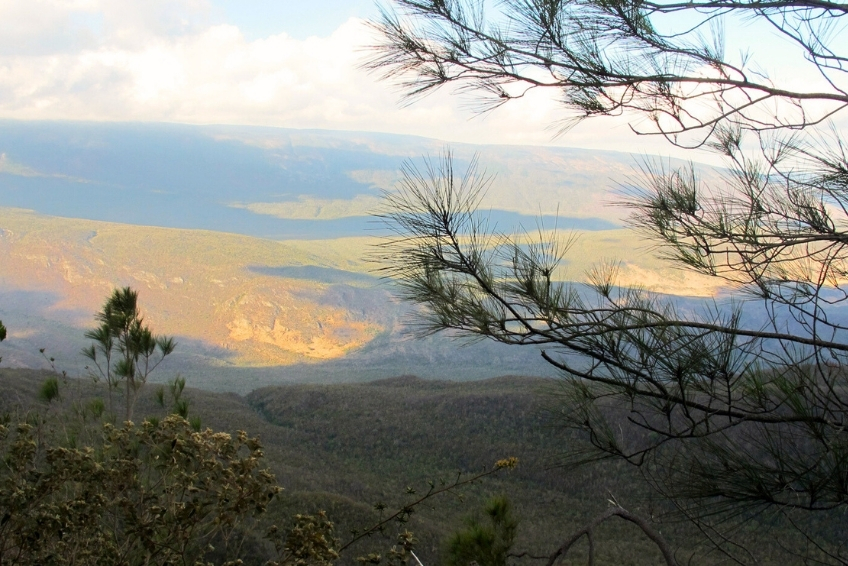
Hiking trails lead through surreal cactus forests and to Taino cave paintings. The landscape looks more like Arizona than the Caribbean, thanks to the rain shadow effect that creates semi-arid conditions across the peninsula.
Cruise excursion time: Varies by activity. Most park experiences are incorporated into Bahia de las Aguilas or Laguna de Oviedo tours.
For more info and tips for visiting, read our Complete Jaragua National Park Guide
Have the experience of a lifetime with this Cenote and Hiking Adventure in Jaragua National Park.
Island Life Tips: Hire a local guide through the El Cajuil visitor center for hiking beyond the main attractions. They know where to find the cave paintings, the best wildlife viewing spots, and which trails are passable after rain. Wear sturdy closed-toe shoes, long pants for the thorny vegetation, and carry twice the water you think you’ll need in this dry climate.
click to see more images
5. Hoyo de Pelempito
Distance from Cruise Port: around 32 km (1.5-2 hours each way due to road conditions)
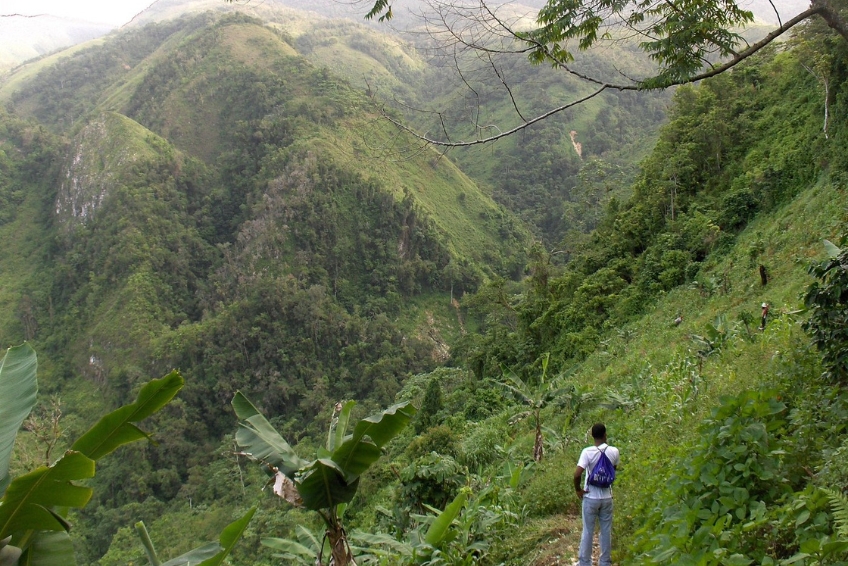
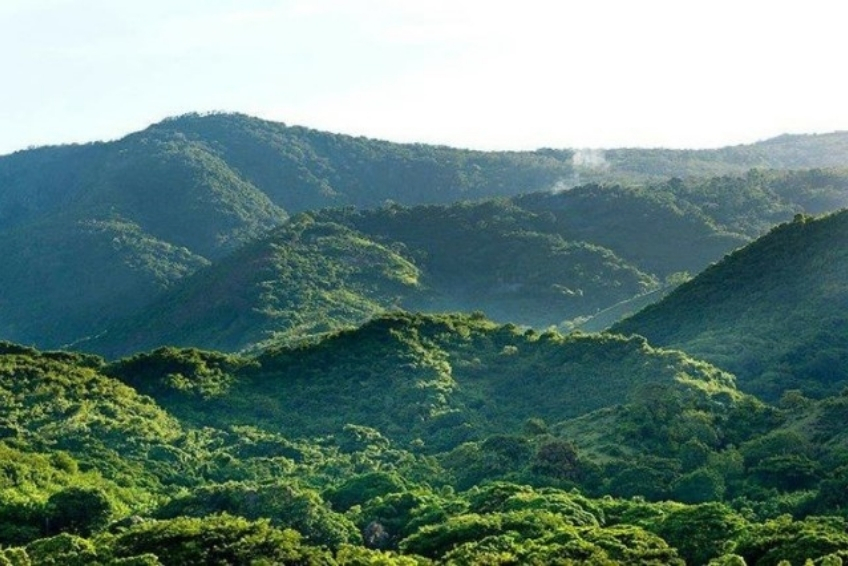
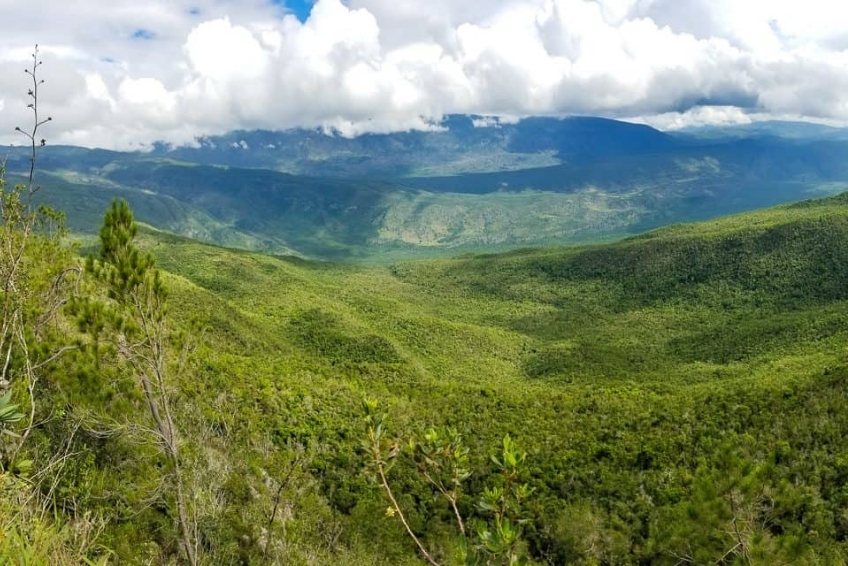
A dramatic geological depression in the Sierra de Bahoruco mountains, Hoyo de Pelempito offers one of the most striking viewpoints in the Caribbean. The drive itself is half the experience, ascending through three distinct ecosystems: coastal scrub, pine forest, and cooler highland forest.
The final 7 kilometers require a 4×4 vehicle with clearance. At around 1,165 meters in elevation, temperatures at the viewpoint are noticeably cooler than on the coast. Expect the mid-60s°F at dawn, a jarring contrast to the heat below. Bring a light jacket, water, and snacks, as there are no facilities.
Cruise excursion time: 5-6 hours minimum. This excursion pushes the limits of what’s possible during a typical port call and is better suited for overnight visitors or early arrivals.
For more info and tips for visiting, read our Complete Hoyo de Pelempito Guide
Check out this adventure tour as you explore Hoyo de Pelempito, Bahia de la Aguilas, and other Cabo Rojo hidden gems.
Island Life Tips: If you have the option, time your visit for sunrise when the light on the depression is most dramatic and temperatures are at their coolest. Pack layers since you’ll experience a significant temperature swing from coast to summit. If you’re prone to motion sickness, take medication before the winding mountain road. A thermos of hot coffee and breakfast snacks at the viewpoint makes for an unforgettable morning.
click to see more images
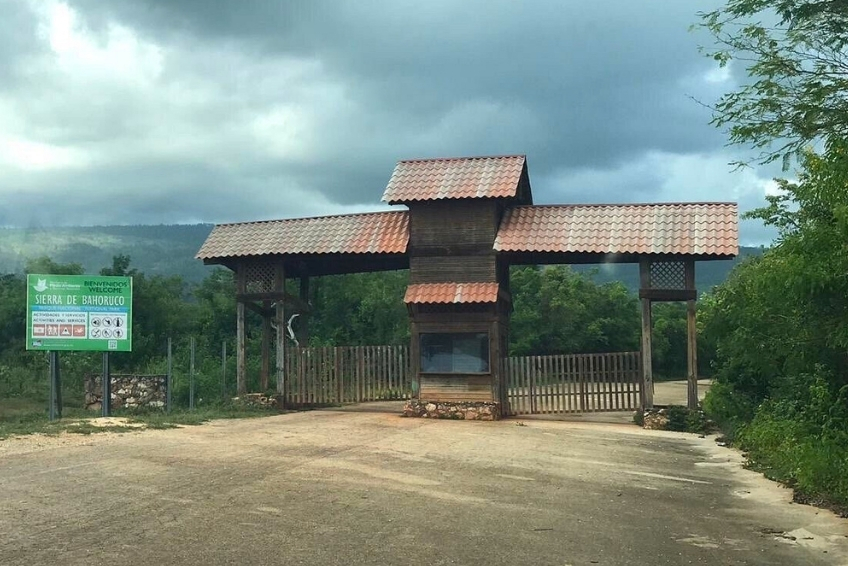
6. Sierra de Bahoruco
Distance from Cruise Port: 40-60 km, depending on destination (1.5-2.5 hours)
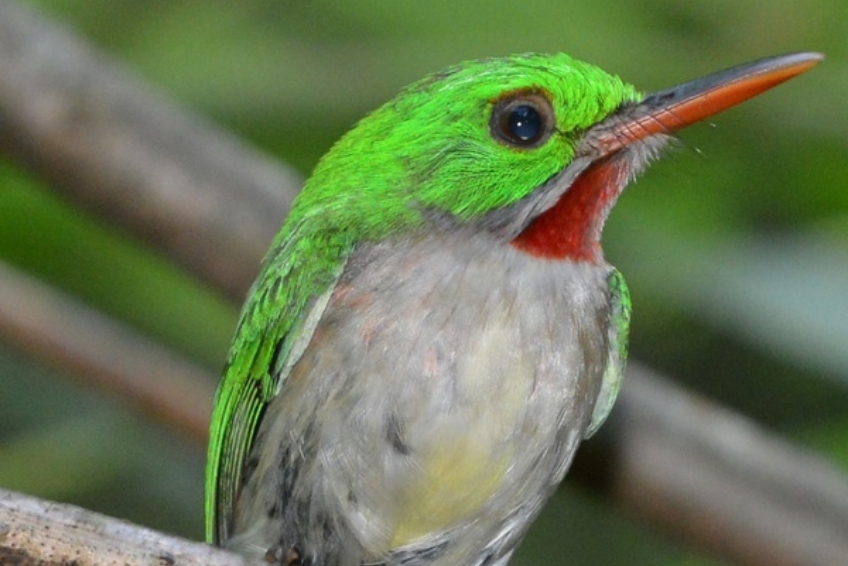
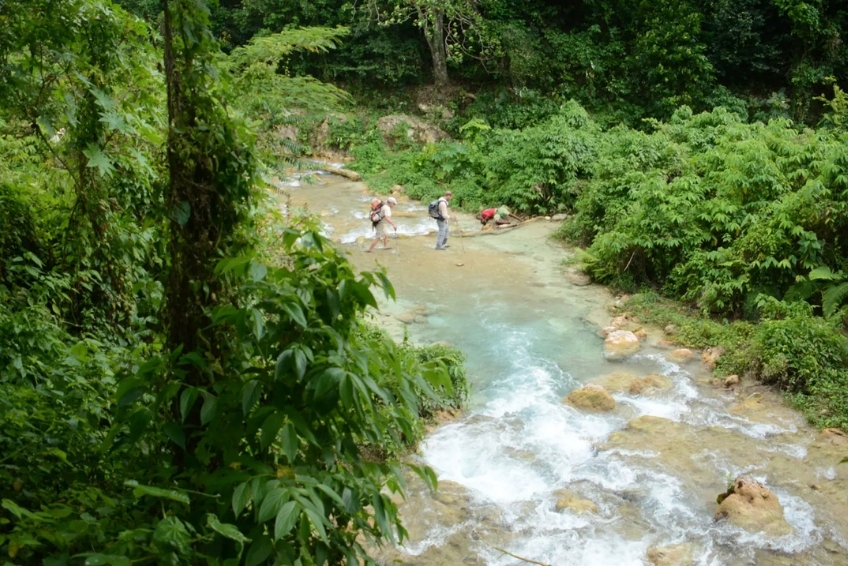
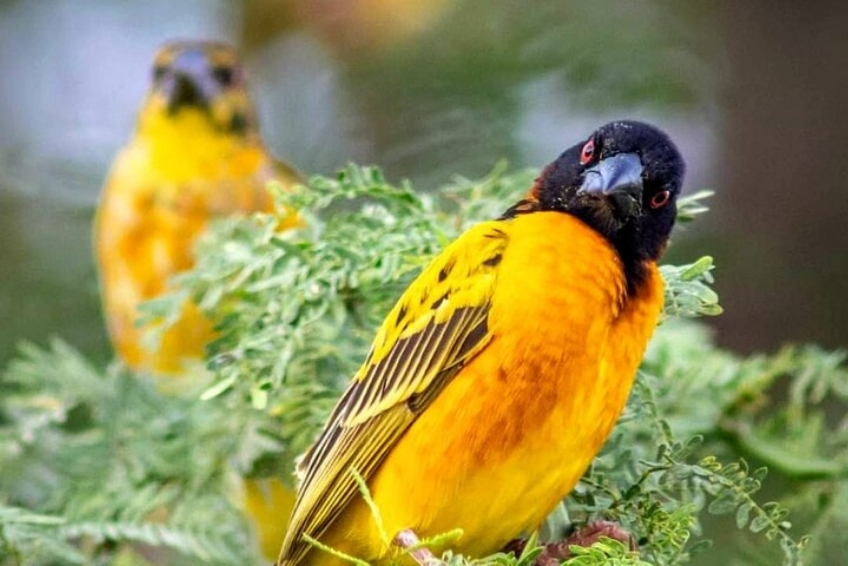
This mountain range rising to over 2,000 meters is one of the Caribbean’s premier birding destinations, home to endemic species found nowhere else on Earth. The Hispaniolan crossbill, white-winged warbler, and La Selle thrush draw serious birders from around the world.
The Sierra’s varied elevations create distinct life zones, from dry lowland forest through broadleaf humid forest to highland pine. The access road passes through small mountain communities where life moves at a different pace than on the coast.
Birding tours typically depart before dawn to catch peak activity. The area also offers hiking and opportunities to visit coffee farms in the cooler highlands.
Cruise excursion time: 6+ hours for a meaningful birding experience. Like Hoyo de Pelempito, this destination is challenging to fit into a standard port call.
For more info and tips for visiting, read our Complete Sierra de Bahoruco Guide.
Seriously into birding? Check out this Half Day Sierra de Bahoruco Bird Watching Tour or if you want even more time bird watching don’t miss this top rated 3 Day Sierra de Bahoruco Bird Watching Tour.
Island Life Tips: Serious birders should connect with local guides through the Grupo Jaragua conservation organization, who know exactly where to find the endemic species. Even non-birders will appreciate the dramatic elevation changes and cooler mountain air. Combine this with a stop at a local coffee farm for a complete highland experience, and consider spending a night in the mountains if your schedule allows.
Where to Eat around Cabo Rojo
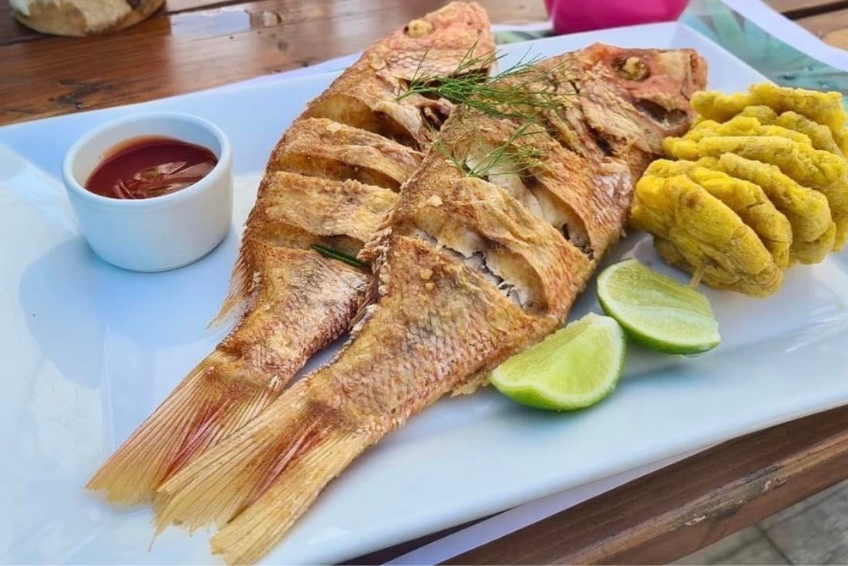
Don’t come to Cabo Rojo expecting farm-to-table tasting menus or craft cocktail bars. This is a place where lunch might be a whole fried fish served on a plastic plate under a palm tree, and that fish was probably swimming a few hours ago. The food scene here is simple, fresh, and deeply Dominican, with Haitian influences you won’t find in the resort zones up north.
At Cabo Rojo and La Cueva
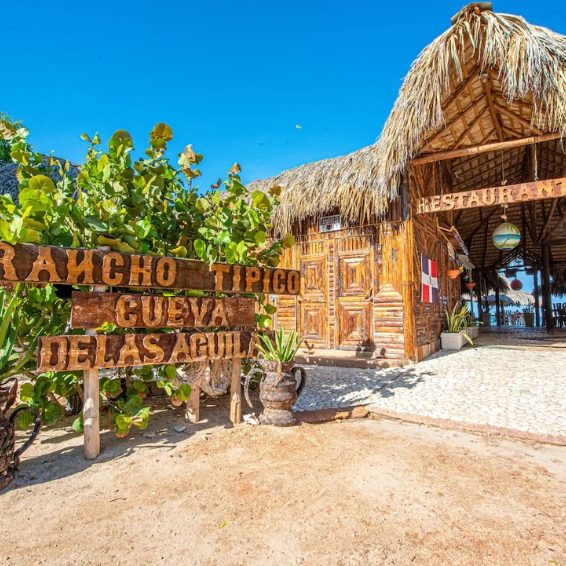
Rancho Tipico Cueva de las Aguilas is probably the top-rated restaurant in the province, and it earns the ranking. This beachside spot at La Cueva serves the legendary Bahiafongo, a mofongo stuffed with mixed seafood that we’d drive the coastal highway again just to eat. They also do lobster mofongo, seafood paella, and fried fish straight off the boats. Mofongos run $7-13 USD. The restaurant also arranges boat tours to Bahia de las Aguilas and offers tent accommodations for around $35/night (no air conditioning).
Restaurante De Bahia Dona Charo is run by Dona Charo and her son Antolin, and the food is outstanding. Three family style plates of pescado frito and lambi cost about $17 USD for the table. The kind of meal you’ll talk about for months.
Restaurante Casa Chiquita offers Italian-owned, budget-friendly seafood with meals running $5-9 USD. The coconut rice here is some of the best we’ve ever had, and we don’t say that lightly.

In Pedernales Town
Bocanye, Grill & Seafood, on Calle Libertad, is a solid Caribbean seafood spot with a varied menu and good portions. It’s one of the better homestyle restaurants in town and worth a visit, especially if you’re staying more than one night.
Restaurante Jalicar on Calle Libertad is our pick for the best value meal in town. Generous family-style plates of pescado frito, lambi al ajillo, and chicken with rice and beans for around RD$1,000 ($17 USD) for the table. No frills, just excellent home-cooked Dominican seafood at prices that feel like a steal.
El Navio Bar and Seafood sits right on Pedernales Beach with a sustainable-fishing-focused menu of lobster, red snapper, and conch. It’s the best spot in town for a sunset meal with your feet practically in the sand. Can be a little crowded and is pricey (for Pedernales).
Hotel Pedernales Italia serves homemade Italian-Dominican dinners to guests that are genuinely excellent. If you’re staying there, don’t miss the evening meal.
Meals across the region typically cost RD$300-1,000 ($5-17 USD). Cash only at virtually every establishment. Check out our Pedernales Visitors Guide for a full dining rundown.
What to Order
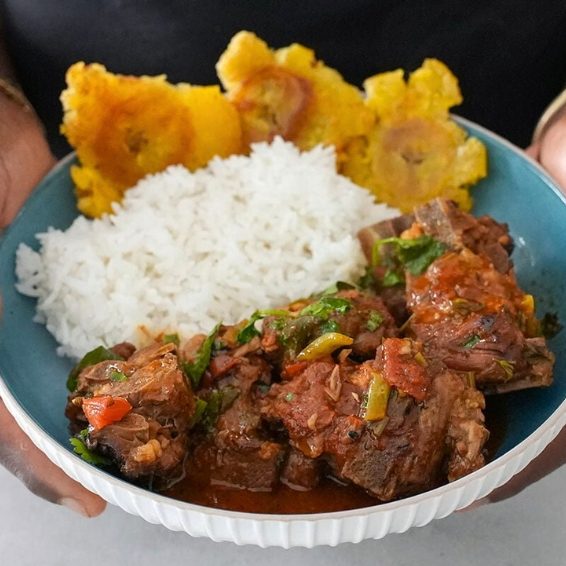
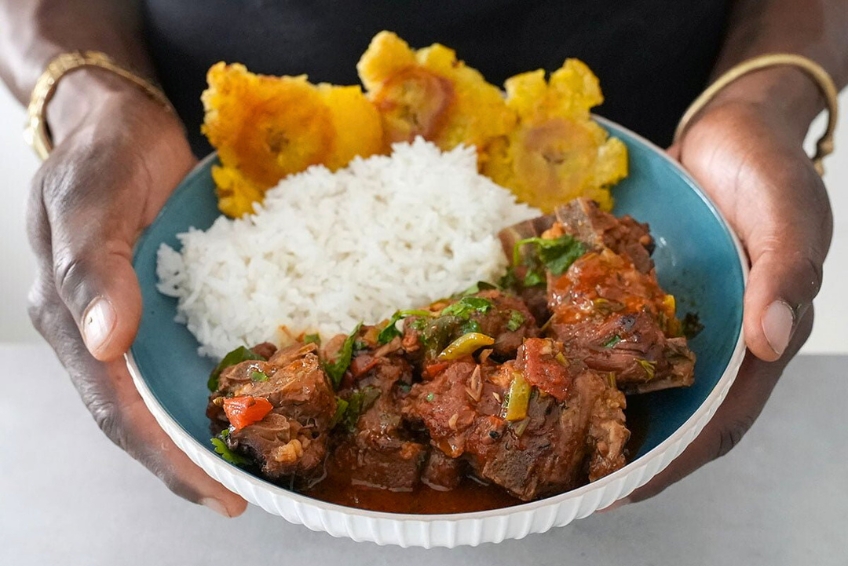
Traditional dishes worth seeking out
- Mofongo (mashed plantains with garlic, often stuffed with seafood)
- Pescado frito (whole fried fish with moro rice and tostones)
- Lambi (conch, prepared various ways)
- Cangrejo con tostones (crab with fried plantains).
For something quick and easy, many street vendors sell empanadas and yaniqueques (fried dough) for pocket change.
Meals across the region typically cost RD$300-1,000 ($5-17 USD). Cash only at virtually every establishment. Check out our Dominican Republic Food Guide for more on what to eat and how to order.
Where to Stay in Cabo Rojo
There are a variety of places to stay around Cabo Rojo. Pedernales town is a reasonable distance from most destinations, making it the most practical base for multi-day exploration.
Hotel Pedernales Italia
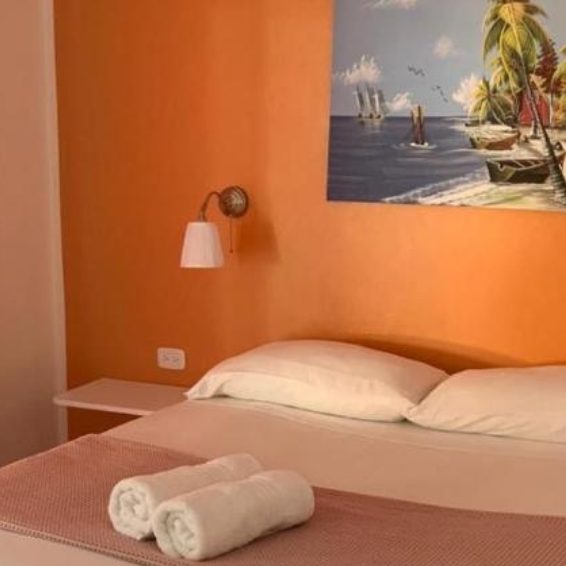
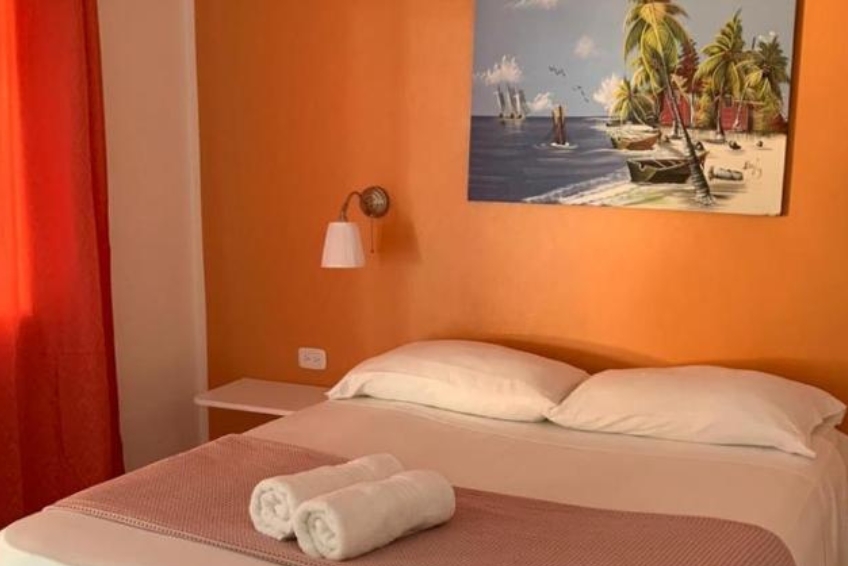
Hotel Pedernales Italia (around $37-44/night) is our top recommendation in Pedernales, full stop. Run by Italian couple Gianni and Viviana, this small 8-room guesthouse is the kind of place that makes you feel like a houseguest rather than a customer. The rooms are clean, air-conditioned, and comfortable. The homemade Italian-Dominican meals (breakfast included, dinner available) is some of the best food in Pedernales. But what really sets it apart is Gianni’s encyclopedic knowledge of the area and genuine willingness to help guests plan excursions, arrange transport, and navigate the region. He’ll give you more useful information about the surroundings than the Ministry of Tourism. The only caveat: Gianni speaks Spanish and Italian but has limited English, so brush up on your Spanish or bring a translation app. Book in advance, as eight rooms fill fast. Check Prices here
Hotel Vista de Aguilas Ecolodge
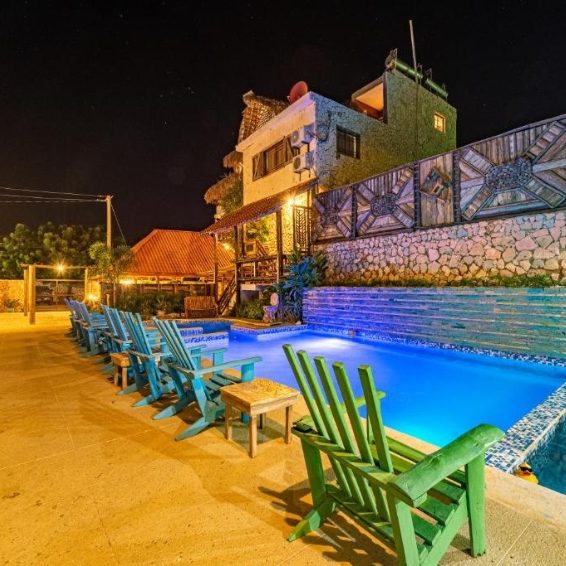
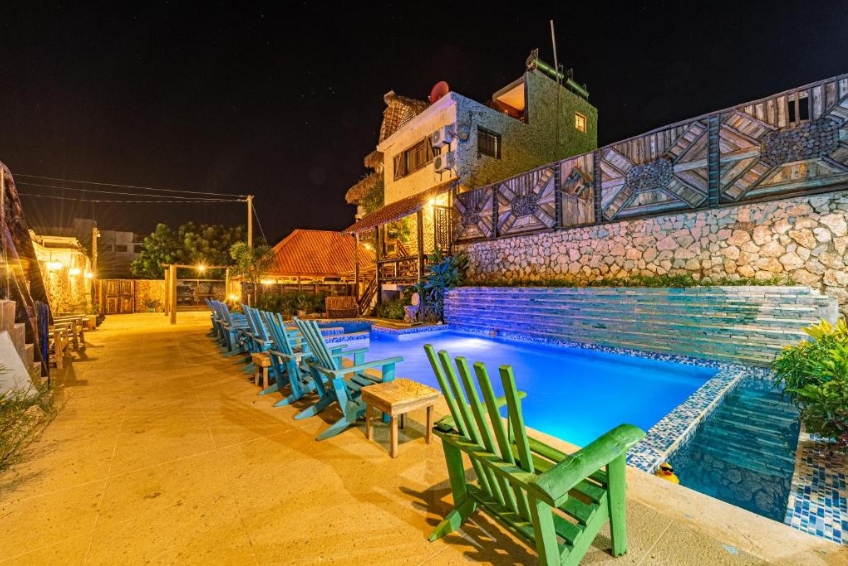
Hotel Vista de Aguilas Ecolodge (around $69-82/night) is the nicest physical property in town: handmade wooden furniture, seashell lamps, a small pool, spa services, and an on-site restaurant with farm-fresh juice. The rooms are air-conditioned with private bathrooms, and the complimentary cooked-to-order breakfast is solid. The staff goes out of their way to help with tour planning and logistics, and the overall feel is a genuine boutique eco-hotel. If you want the most comfortable room in Pedernales and don’t mind paying a bit more, this is the one. Our only nitpick: dinner options are limited, so plan to eat elsewhere for evening meals. Check Prices here
Hostal Dona Chava
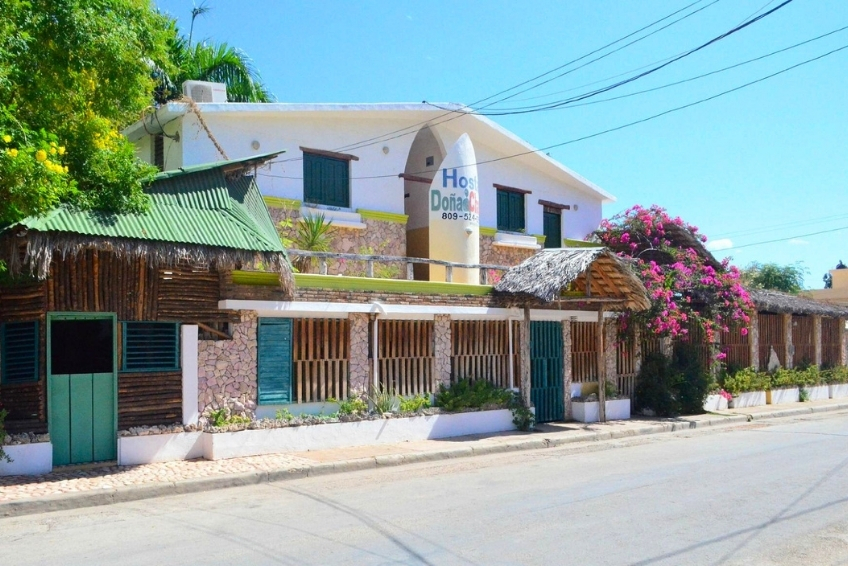
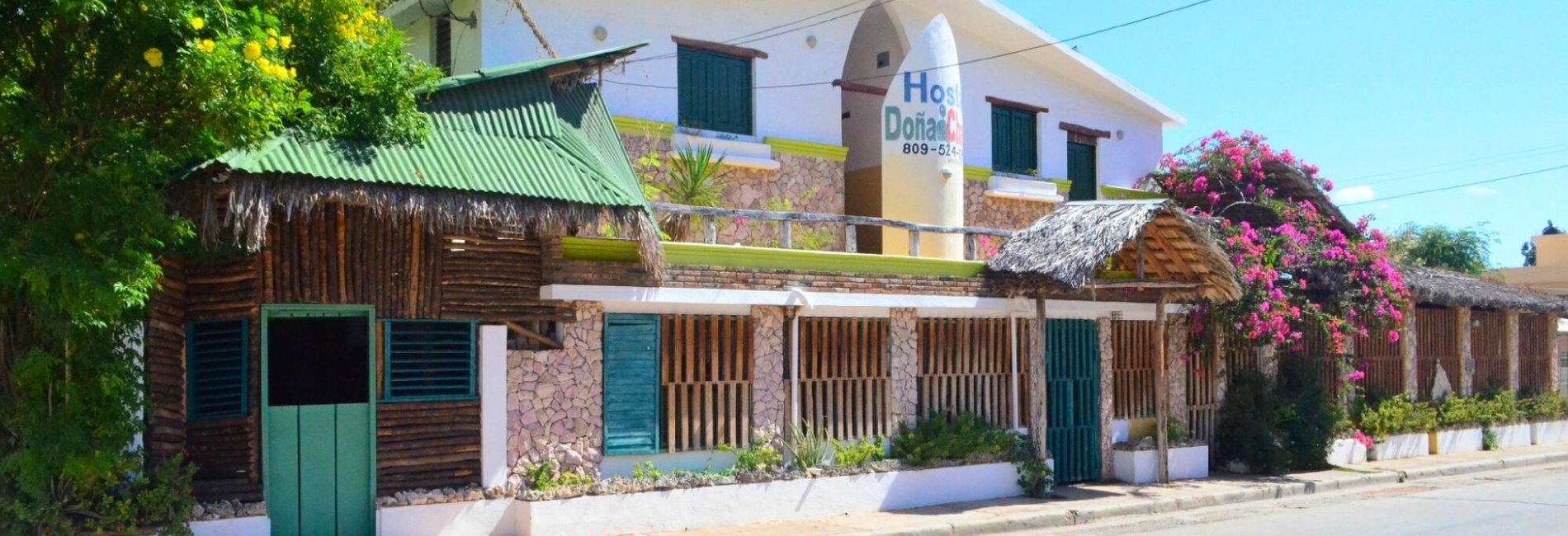
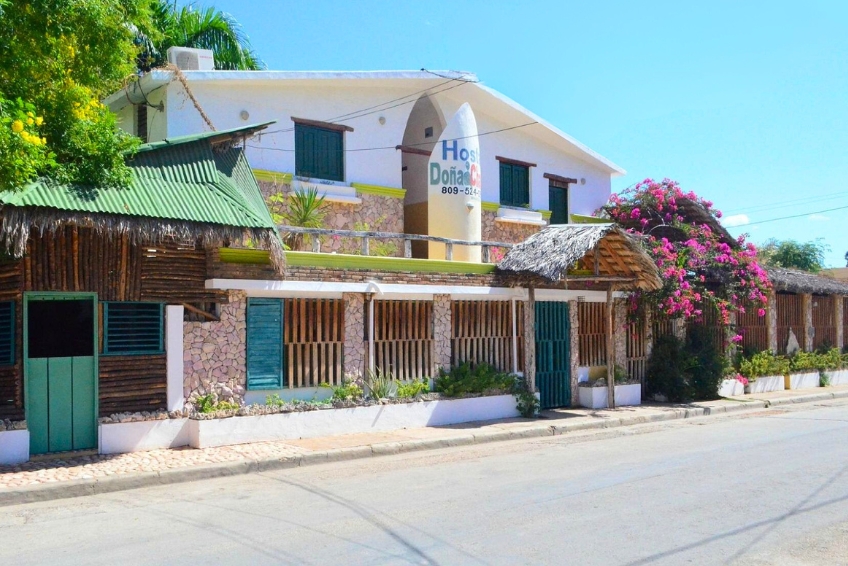
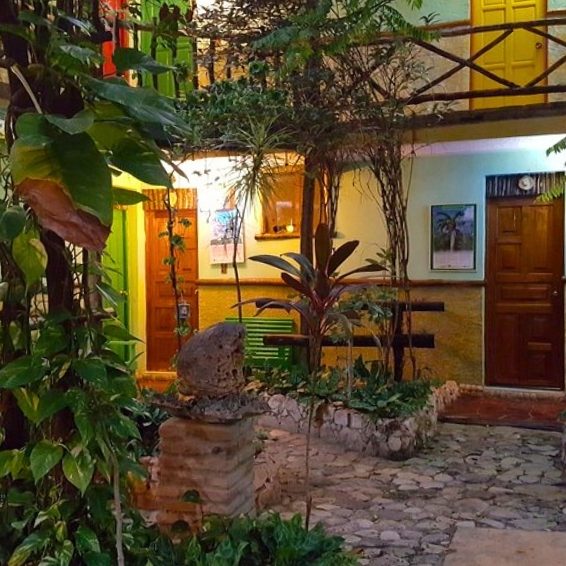
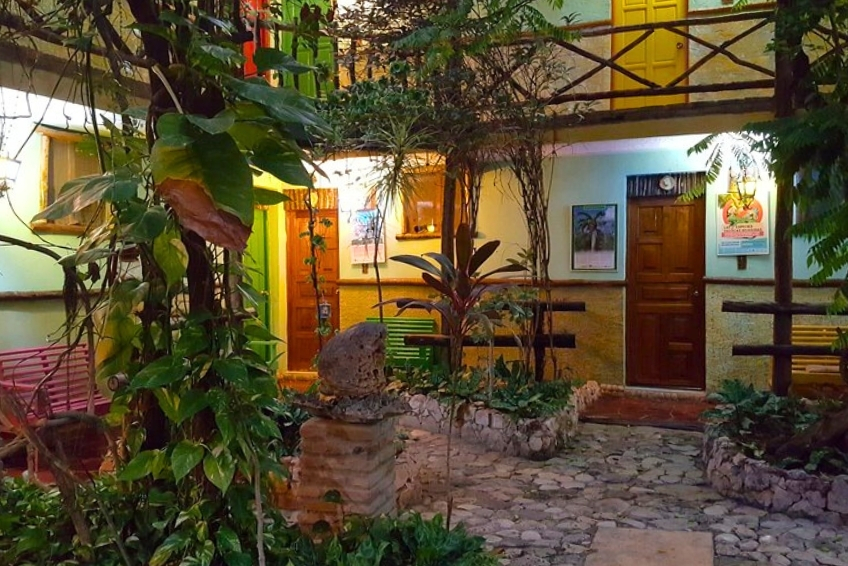
Hostal Dona Chava (around $30-45/night) is a wonderful surprise. Don’t let the word “hostal” fool you, this is a proper 21-room guesthouse that’s been family-run for three generations. The lush garden courtyard is one of the most relaxing spaces in Pedernales, filled with plants, comfortable rocking chairs, and a bar where you’ll end up trading stories with other travelers. Rooms have air conditioning, and the staff treats every guest like family. The location is excellent, right near the bus stop and a short walk to everything in town. If you’re on a budget, this is the best value in the region. If you’re not on a budget, it’s still worth considering for the atmosphere alone. Check Prices here


Glamping in La Cueva
The signature adventure experience for the area is Glamping EcoLodge Cueva de las Aguilas (around $66-195/night depending on tent type, breakfast included), beachfront tents with real beds on a private beach near La Cueva. The location is legitimately stunning as you fall asleep to the sound of waves and wake up steps from the Caribbean. The on-site Rancho Tipico restaurant serves excellent seafood (it won Restaurant of the Year in 2025), and they arrange boat tours to Bahia de las Aguilas directly from the property. With 35+ tents, this is by far the most popular accommodation in the region, and it books up fast. That said, keep your expectations calibrated. There’s no air conditioning (fans only), no WiFi and shared bathrooms for most tent types. Heat and mosquitoes can be intense, especially May through October. On busy weekends and cruise ship days, the staff can get overwhelmed, and service slows down. We’ve seen tent zippers that needed repair and a general sense that popularity is outpacing maintenance. It’s glamping, not a resort. That being said, come with the right mindset and you’ll love it. Check Prices here
What's Coming Soon
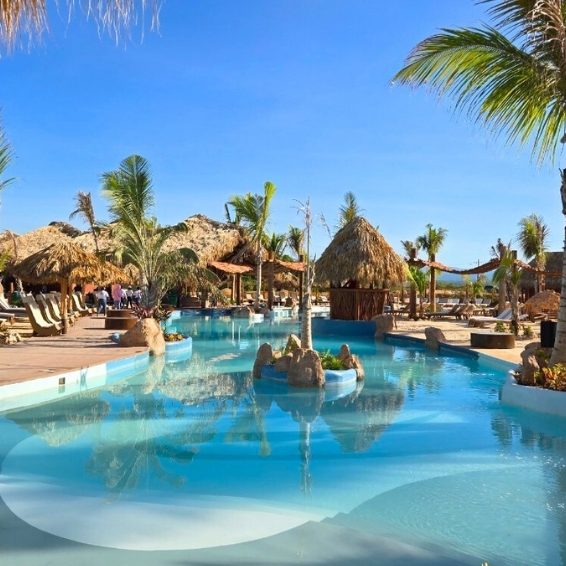
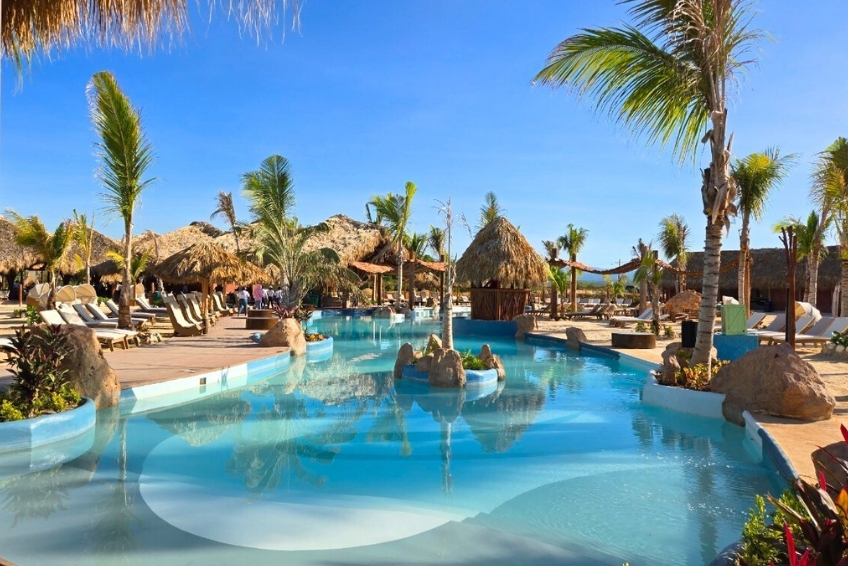
The Cabo Rojo mega-resort development will fundamentally change the accommodation landscape. Iberostar Cabo Rojo (588 rooms) is expected to open in early 2027 as the first major all-inclusive resort. La Quinta by Wyndham (110 rooms) was planned for 2025 but its current status is unclear. Secrets Hyatt (507 rooms) and Dreams Hyatt (504 rooms) are targeted for 2027. The long-term plan calls for 12,000 hotel rooms by 2033 from chains including Hilton, Marriott, Karisma, and Sunwing. The Pedernales of 2030 will look nothing like the Pedernales of today.
Essential Planning Information
The logistics that seem trivial at most Caribbean destinations require actual thought here. You can’t just wing it and assume there’s an ATM around the corner or that your phone will work when you need directions. The good news is that none of this is complicated. It just requires doing a few things before you leave, rather than figuring them out on arrival. Fifteen minutes of prep will save you hours of frustration.
Entry Requirements
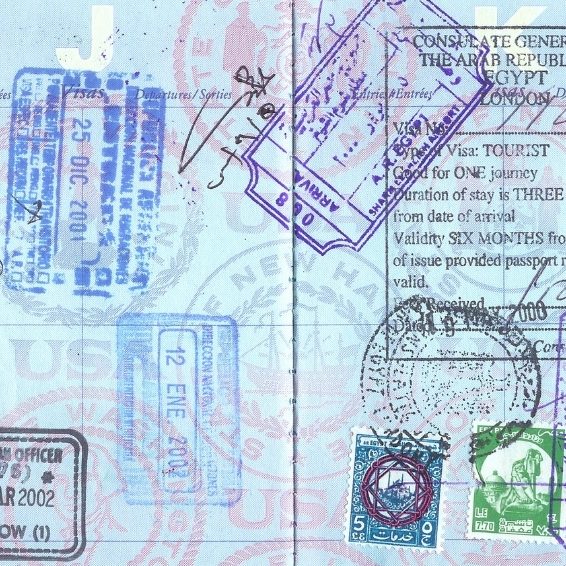
US citizens need a passport valid for the duration of their stay. No visa is required for visits up to 30 days. A $10 tourist card fee is typically included in airfare but may be collected separately at some entry points. Cruise passengers clear customs onboard and don’t need to worry about the tourist card.
Canadian and EU citizens enjoy the same 30-day visa-free access. Citizens of other countries should check with the Dominican consulate before booking, as requirements vary. If you’re driving from Santo Domingo, keep your passport and rental agreement accessible since there are occasional police checkpoints on the southern highway.

Money Matters
Cash is king here, and running out is a real problem. How much cash you need depends on how you’re arriving.
Cruise passengers can rely on USD throughout the port zone and for most organized excursions, but should carry some cash for tips, local restaurants in Pedernales, and any independent arrangements like hiring a boat directly at La Cueva. As a rough budget for a port day, plan for $60 for a boat to Bahia de las Aguilas, $3 per person for park entrance, and $7-20 for meals.
Independent travelers face a more critical cash situation. ATMs in Pedernales exist but frequently run dry or malfunction. Withdraw enough Dominican Pesos in Barahona, the last reliable stop before heading south, to cover your entire stay.
US dollars are accepted at some establishments, but you’ll get better rates and fewer headaches paying in pesos. Boat captains, beach vendors, tour guides, and most local restaurants deal exclusively in cash. Credit cards work at a handful of hotels in Pedernales and at the cruise port, but don’t count on them anywhere else. Bring small bills since making change for large denominations can be a challenge in smaller shops.

Communications
Your phone becomes a paperweight faster than you’d expect. Cell coverage works reasonably well in Pedernales town, but fades to nothing as you head toward the beaches and national park. At Bahia de las Aguilas, expect zero signal for calls, texts, or data. This isn’t a minor inconvenience. It means you can’t call your boat captain, look up directions, or contact your hotel if plans change.
Download offline Google Maps for the entire Pedernales Province before you arrive, either at home, at the port, or in Pedernales town, while you still have a signal. Screenshot any important phone numbers, hotel addresses, and confirmation details. Claro offers the best network coverage in the region, followed by Altice. If you’re staying multiple days, a local SIM card from either carrier costs a few dollars and provides better connectivity than international roaming. WiFi exists at most hotels in town but ranges from usable to painfully slow.

Safety
Cabo Rojo is remote, but remote doesn’t mean dangerous. The area sees far less crime than Santo Domingo or the tourist zones up north, partly because there simply aren’t many people around. Tourist police (POLITUR) maintain a presence in Pedernales and at major attractions, and locals are generally welcoming to visitors who treat them with respect.
Standard travel precautions apply. Don’t flash expensive jewelry or electronics, lock your rental car when parked, keep valuables in your hotel safe, and avoid walking alone in unfamiliar areas after dark. The biggest actual risks are sunburn, dehydration, and the occasional pothole on the drive down!
Best Time to Visit
December through April is the sweet spot. Minimal rain, comfortable temperatures in the 80s, and the lowest chance of sargassum washing ashore. This is also prime season for flamingo viewing at Laguna de Oviedo, when migratory birds swell the colony to its peak. Expect slightly higher prices and more visitors, though “crowded” here still means you might share the beach with 20 people instead of 5.
May and November offer a nice balance of good weather and fewer tourists. Shoulder season means better availability at hotels and easier tour bookings, with only slightly elevated chances of afternoon rain.
June through October requires more caution. Summer temperatures regularly climb into the high 90s°F in this semi-arid microclimate, making midday beach visits genuinely unpleasant without adequate water and shade. Hurricane season officially runs from June through November, peaking from August through October. The southwest coast is historically less affected than the north, but storms can still disrupt travel plans.
Check cruise ship schedules before booking if you’re an independent traveler. Ship days bring tour groups to Bahia de las Aguilas, and the beach feels noticeably different when 50 cruise passengers show up versus 5 overnight guests. Non-cruise days often mean you’ll have long stretches of sand nearly to yourself. Mid-week visits (Tuesday through Thursday) reliably draw the smallest crowds year-round.
Local Culture & Etiquette
This isn’t a resort bubble where staff are trained to anticipate tourist expectations. Cabo Rojo and Pedernales are working communities where visitors are guests. Learning basic Spanish phrases goes far. Greet people when entering establishments. Negotiate prices respectfully, but don’t expect rock-bottom rates, as fair prices support local families.
The region’s proximity to Haiti means you’ll encounter Haitian-Dominican cultural influences in food, music, and daily life. The border has a complex history, and locals appreciate visitors who show genuine interest rather than treating the area as merely a waypoint to the beach.
Tipping follows Dominican standards: 10-15% at restaurants (check if service charge is included), $5-10 per person for boat captains and guides. Cash tips in pesos are preferred over US dollars.
Cabo Rojo, Dominican Republic FAQ
Frequently Asked Questions
How do I get to Cabo Rojo, Dominican Republic?
Most visitors arrive by cruise ship through Port Cabo Rojo, which opened in January 2024. Independent travelers typically fly into Santo Domingo and drive 5-6 hours southwest, or arrange private transfers with local companies. A new international airport is under construction and is expected to open in late 2026 or early 2027. See our complete guide to getting to Cabo Rojo above for transfer companies, driving directions, and public transportation options.
How far is Cabo Rojo from Santo Domingo?
Cabo Rojo is around 310 kilometers (193 miles) southwest of Santo Domingo by road, requiring 5-6 hours of driving through an increasingly remote landscape.
How far is Cabo Rojo from Punta Cana?
The drive from Punta Cana to Cabo Rojo covers around 500 kilometers (310 miles) and takes 7-8 hours. Day trips aren’t practical from this distance, so plan at least two nights in Pedernales if you’re coming from Punta Cana.
Do I need a 4x4 to visit Cabo Rojo?
A standard rental car works fine for reaching Pedernales and Bahia de las Aguilas in dry conditions. However, a 4×4 is essential for Hoyo de Pelempito and recommended if you’re visiting during the rainy season.
Is there an airport in Cabo Rojo?
Cabo Rojo International Airport is currently under construction near Oviedo and is expected to open in late 2026 or early 2027. Until then, the nearest commercial airport is Santo Domingo (SDQ), which is 5-6 hours away by car.
What is Bahia de las Aguilas?
Bahia de las Aguilas is an 8-kilometer pristine beach inside Jaragua National Park, widely considered one of the most beautiful beaches in the Caribbean. There’s zero development and no facilities, and visitors can only access it by boat. Read our full Bahia de las Aguilas Guide for boat logistics, what to pack, and insider tips.
Is Bahia de las Aguilas worth visiting?
Absolutely. Travelers consistently rank Bahia de las Aguilas among the best beaches they’ve experienced anywhere in the world. The combination of crystal-clear water, white sand, dramatic limestone cliffs, and near-total solitude is increasingly rare in the Caribbean.
How much does it cost to visit Bahia de las Aguilas?
Budget around $60-70 total for boat transport and park fees. The boat ride costs around $60 for up to five people, plus a $3 per person park entrance fee. Cruise ship excursions typically run $90-150, and you can add $7-20 for lunch on the beach.
What is the difference between Cabo Rojo and Bahia de las Aguilas?
Cabo Rojo refers to the broader development area that includes the cruise port, upcoming resorts, and the surrounding town. Bahia de las Aguilas is the specific protected beach located inside Jaragua National Park, around 15 kilometers from the port.
Can you swim at Bahia de las Aguilas?
Yes, the beach offers excellent swimming conditions with calm, crystal-clear water and a gradual sandy bottom. There are no lifeguards, but also no significant hazards. Snorkeling is possible near the limestone cliffs at either end of the beach.
Is Cabo Rojo safe for tourists?
Yes, Cabo Rojo is safe for visitors. The area is remote but not dangerous, with lower crime rates than major resort areas. The Haiti border is nearby but heavily patrolled, and the security situation there doesn’t affect the tourist zone. See our safety section above for detailed information.
Is there sargassum seaweed at Cabo Rojo beaches?
Sargassum is rarely a problem here. The southwest coast faces the Caribbean Sea rather than the Atlantic, so it avoids most of the seaweed that plagues beaches on the east coast. December through April offers the lowest risk.
Do people speak English in Cabo Rojo?
English speakers are genuinely rare in this region. Download Google Translate with offline Spanish before you arrive, because this isn’t Punta Cana, where tourist infrastructure caters to English speakers.
Is there cell phone service at Bahia de las Aguilas?
There’s no cell service at the beach. Coverage works reasonably well in Pedernales town, but drops to zero once you head toward the coast. Download offline maps and screenshot any important information before leaving town.
Are there ATMs in Cabo Rojo?
ATMs exist at the port and in Pedernales, but they frequently run out of cash or malfunction. Cruise passengers can exchange currency or use USD at the port, but should withdraw pesos in town if heading to local restaurants or hiring boats independently. Independent travelers should withdraw sufficient cash in Barahona before heading south. Don’t count on the ATMs to bail you out.
What is the best time to visit Cabo Rojo?
December through April offers ideal weather with minimal rain, comfortable temperatures, and peak flamingo viewing at Laguna de Oviedo. Avoid July through September when extreme heat and hurricane season make conditions challenging. Mid-week visits typically offer the emptiest beaches.
How many days do you need in Cabo Rojo?
Plan a minimum of two nights to fully enjoy the beach experience. Three to four nights gives you time to add attractions like Laguna de Oviedo, Hoyo de Pelempito, or Sierra de Bahoruco. See our suggested itineraries for help planning your trip.
Can I visit Cabo Rojo as a day trip?
Day trips are only practical for cruise passengers arriving at Port Cabo Rojo. From Santo Domingo, you’re looking at 10-12 hours of driving round-trip, and from Punta Cana it’s 14+ hours. Independent travelers should plan to stay overnight.
Where should I stay in Cabo Rojo?
Until the resorts open in 2026-2027, accommodations center on Pedernales town. Options include Hotel Pedernales Italia for mid-range comfort, Hostal Dona Chava for budget travelers ($27-38/night), and Eco Del Mar for the most upscale experience currently available. See our complete accommodation section above for details.
When will Cabo Rojo resorts open?
IIberostar is expected to open in early 2027, with Secrets Cabo Rojo following in the first half of 2027 and Dreams Cabo Rojo in the second half of 2027. But you don’t need to wait for the resorts. The beach is accessible right now, and basic accommodations in Pedernales let you experience Bahia de las Aguilas before the crowds arrive.
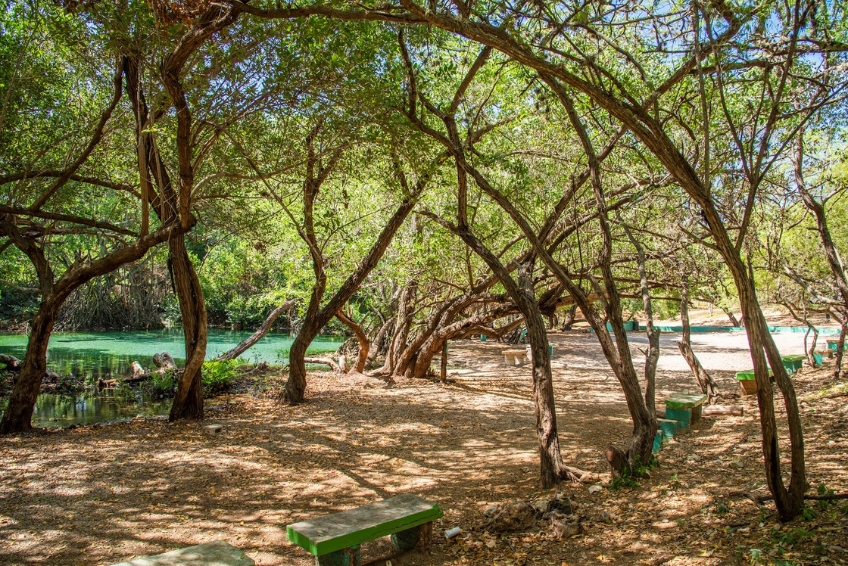
Jaragua National Park is the largest protected area in the Caribbean, home to Bahia de las Aguilas, thousands of flamingos at Laguna de Oviedo, and wildlife found nowhere else on Earth. This guide covers how to get there, 10 things to do, tour options and pricing, where to eat and stay in Pedernales, what to pack, and the best time to visit.
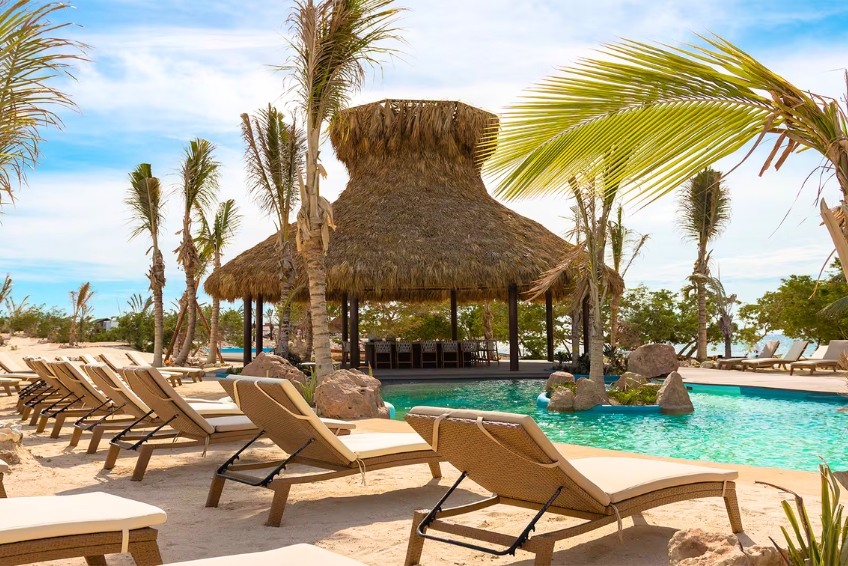
Baby Beach at Port Cabo Rojo is a capacity-controlled beach club with an unlimited open bar, sandy Caribbean swimming, kayaks, and a freshwater pool. But is it worth the price? This guide covers exactly what's included, what it costs, who should book it, and how to get the most out of your day.

Larimar is a rare blue gemstone found in only one place on Earth. A single mountainside in the Dominican Republic's southwest, within reach of Cabo Rojo. Here's what it is, why it only exists here, how to buy the real thing, and how to visit the mine yourself.
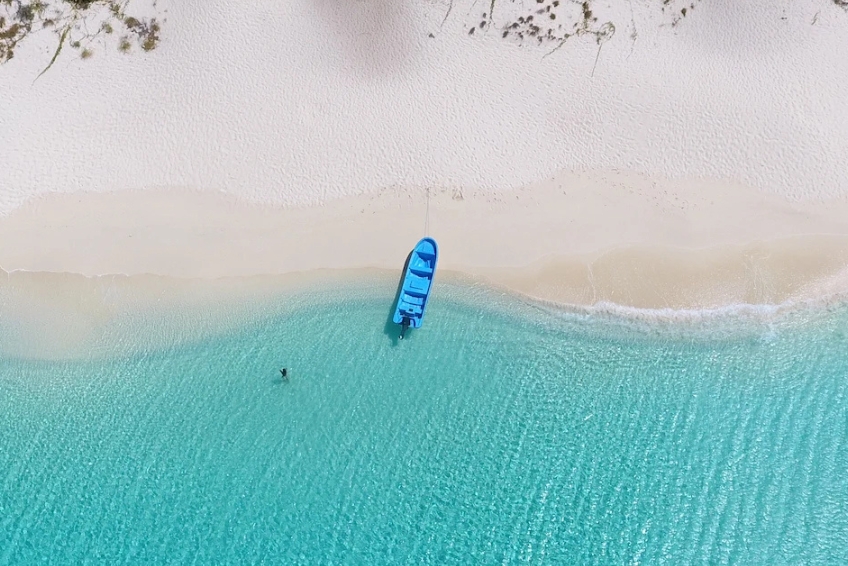
Bahia de las Aguilas is the Dominican Republic's most beautiful beach, and one of its hardest to reach. This guide covers everything you need to plan your visit: how to get there from Cabo Rojo cruise port or Pedernales, boat logistics, costs, what to pack, where to eat, and honest advice on what to expect.
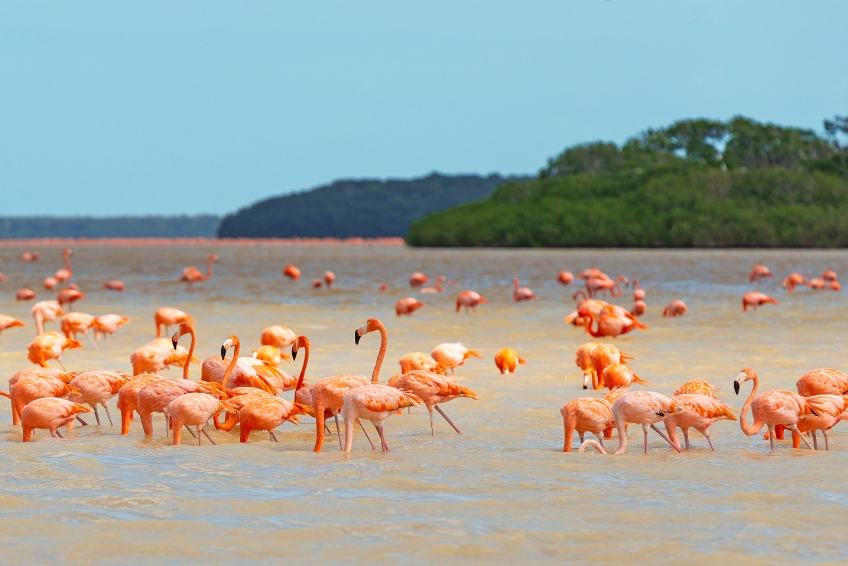
Laguna de Oviedo is the Dominican Republic's largest saltwater lagoon, home to American flamingos, rhinoceros iguanas, and an endemic fish found nowhere else on Earth. This guide covers tour options and pricing, wildlife, how to get there, where to stay, and what to pack for your visit.
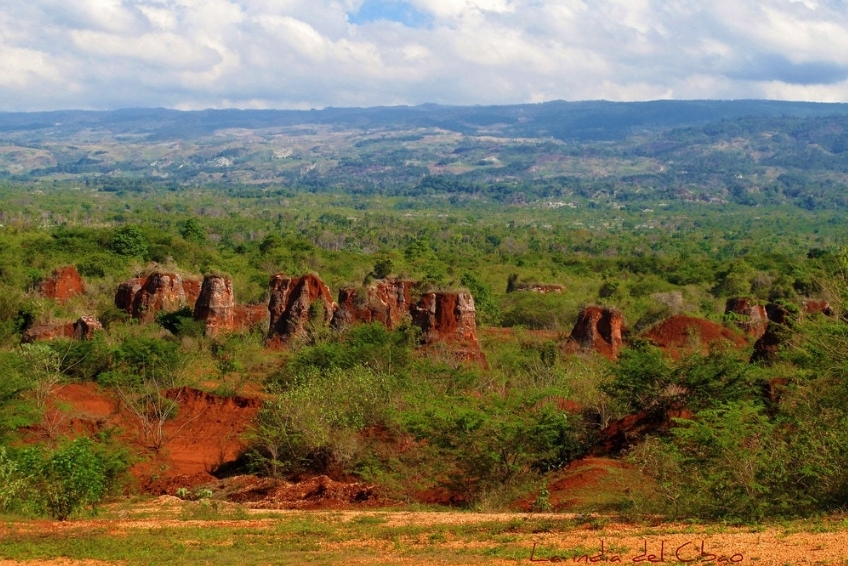
Deep in the mountains of southwest Dominican Republic, Hoyo de Pelempito is a geological depression so vast that clouds gather inside it. Over 700 meters deep, ringed by walls that rise to 1,800 meters, and sheltering 13 endemic bird species: this is the Caribbean's most dramatic natural wonder.
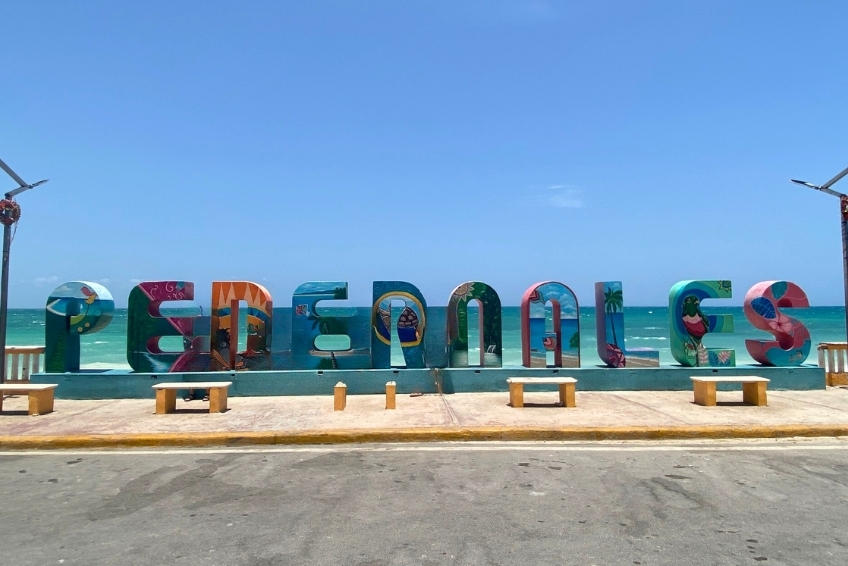
Pedernales is the gateway to the Dominican Republic's wild southwest: Bahia de las Aguilas, Hoyo de Pelempito, Jaragua National Park, and the new Cabo Rojo cruise port. This guide covers how to get there, where to stay and eat, what to do, and everything you need to plan your trip.
Port Cabo Rojo opened in 2024 on the remote southwest coast of the Dominican Republic, and what surrounds it is extraordinary. Bahia de las Aguilas, one of the world's great beaches, is a short boat ride away. This guide covers everything you need for your port day.
Port Cabo Rojo is one of the Caribbean's newest and most remote cruise stops, and the shore excursion decision looks very different here than at busier ports. This guide covers everything: what your cruise line offers, how to visit Bahia de las Aguilas independently, and how to make the most of your port day.