
Bahia De Las Aguilas Visitors Guide
 Daniel Mode
Daniel Mode
Daniel Mode Vanessa Howard
Vanessa Howard
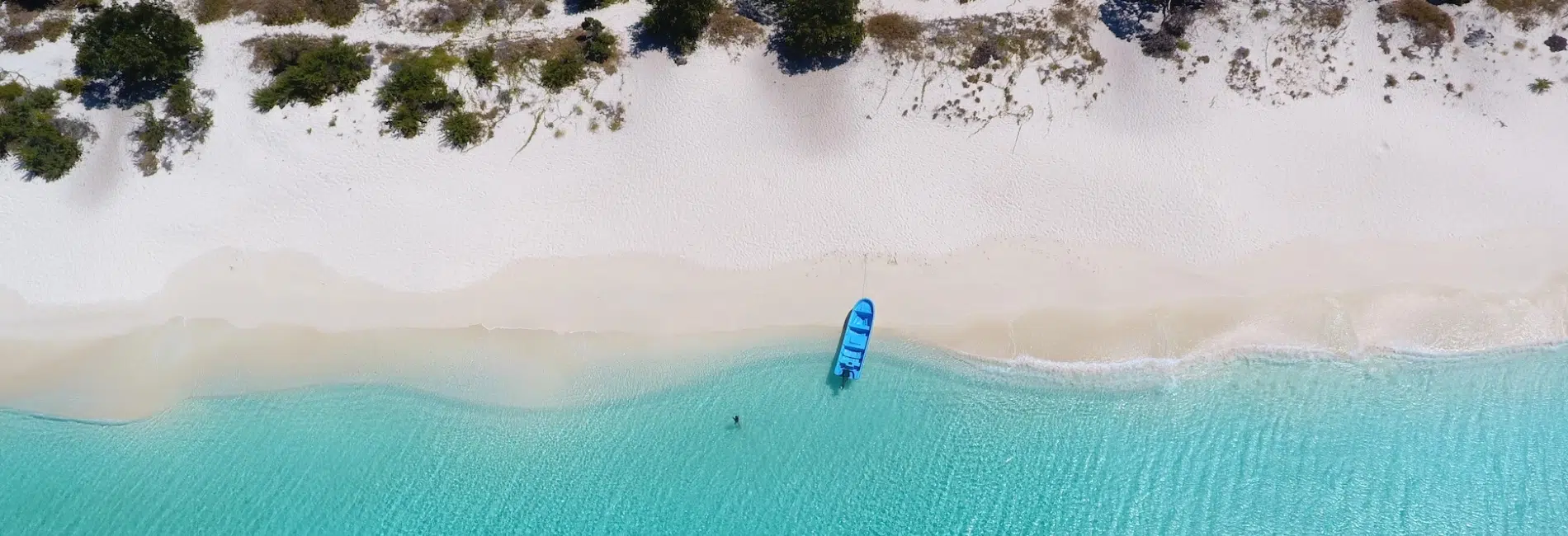
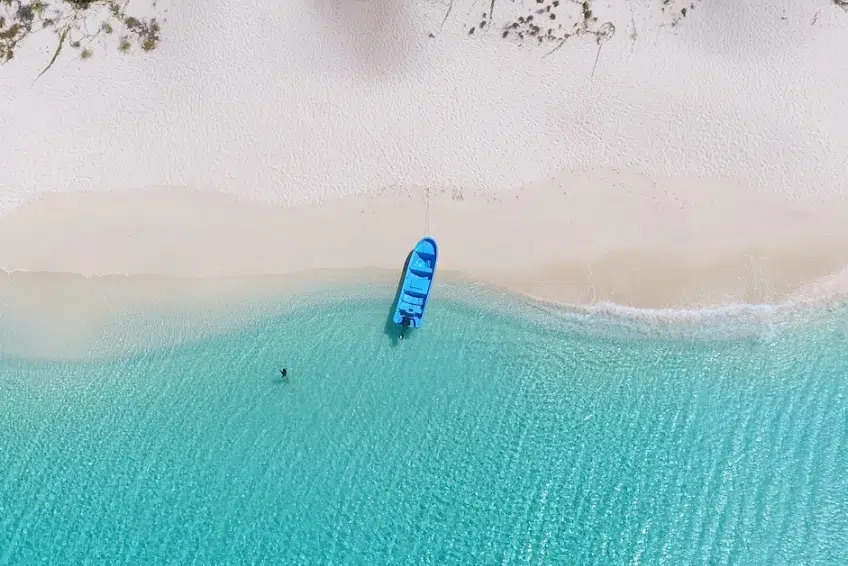
Vanessa HowardBahia de las Aguilas is widely considered the #1 beach in the Dominican Republic and ranks #34 globally on the World’s 50 Best Beaches list, yet reaching it still requires a boat ride through boulder-strewn coastal waters and a commitment many resort tourists won’t make. That remoteness is precisely what makes this 8-kilometer crescent of powder-white sand inside Jaragua National Park feel like a private Caribbean island! But the clock is ticking: a new cruise port opened in January 2024, a $2.2 billion mega-resort development is under construction nearby, and an international airport is expected to be operational by late 2026 or early 2027. This guide covers everything you need to know to visit before the crowds arrive permanently.
This article contains affiliate links. If you click on our links, we may earn a small commission at no extra cost to you. This helps us continue to offer free travel guides, but does not influence our recommendations in any way. Thanks for supporting independent travel content.
Contents
Where Is Bahia de las Aguilas?

Bahia de las Aguilas sits on the southwestern tip of the Dominican Republic in the Cabo Rojo area. The beach itself lies inside the boundaries of Jaragua National Park, a UNESCO Biosphere Reserve and one of the largest protected areas in the Caribbean. The beach faces south toward the Caribbean Sea in the Pedernales Province, just 30 kilometers from the Haitian border.
The nearest town is Pedernales, a quiet border community about 20–25 kilometers northwest. The nearest international airports are in Santo Domingo (5–6 hours by road) and Barahona (3+ hours), though a new international airport is under construction at nearby Cabo Rojo.
How to Get to Bahia de las Aguilas
Getting to Bahia de las Aguilas requires more effort than most Caribbean beaches, and that’s exactly what keeps it special. There’s no road that drops you at the sand, no resort shuttle, and no boardwalk. Every visitor arrives by boat, whether you’re a cruise passenger docking at the nearby Port of Cabo Rojo or an independent traveler making the trek to the small fishing settlement at La Cueva. The journey is part of the experience, and the payoff is a beach that still feels like it belongs to no one.
From the Cabo Rojo Cruise Port
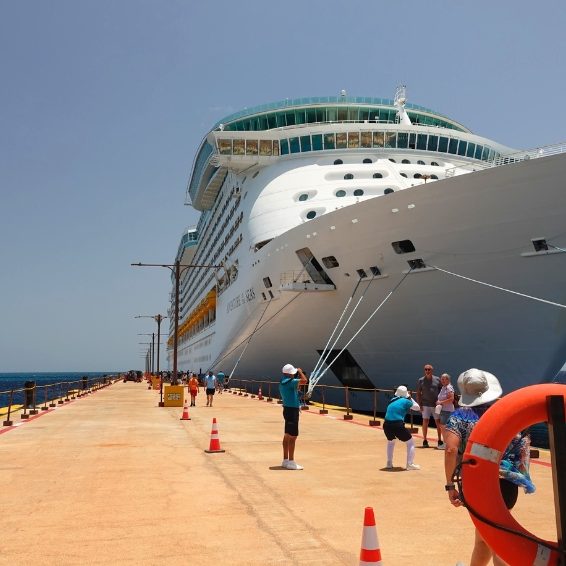
With the Port of Cabo Rojo now operational, cruise ships are the most common way visitors first encounter this corner of the DR. Cabo Rojo welcomed 176,690 cruise passengers across 42 operations in 2025, surpassing both Samaná and Santo Domingo in cruise arrivals. Six cruise lines now call here: Norwegian, Royal Caribbean, Holland America, MSC, Costa Cruises, and Azamara.

Cruise Excursions
Ship excursions to Bahia de las Aguilas typically run 3–4 hours and include air-conditioned vehicle transport (25 minutes to the boat embarkation point) followed by the motorboat ride. All the major cruise companies offer several versions of the tour. Expect pricing in the $79–149+ per person range.


Booking with a Local Tour Operator
Independent alternatives from the port run significantly cheaper and give you more flexibility. Cocotours (30 years in business, TripAdvisor Hall of Fame) is the most established independent operator serving cruise passengers at Cabo Rojo. They offer private, customizable shore excursions to Bahia de las Aguilas with port pickup, bilingual guides, air-conditioned transport, and an on-time ship return guarantee. Their most popular package includes a Pedernales town visit, speedboat to the beach, and Dominican lunch over a 5.5-hour window.
Larimar EcoTours is a well-regarded local operator offering all-inclusive Bahia de las Aguilas excursions (from $100/person), often combined with stops at Hoyo de Pelempito or Laguna de Oviedo. They also run larimar mine tours and multi-day glamping packages.
DIY Taxi & Boat Hire
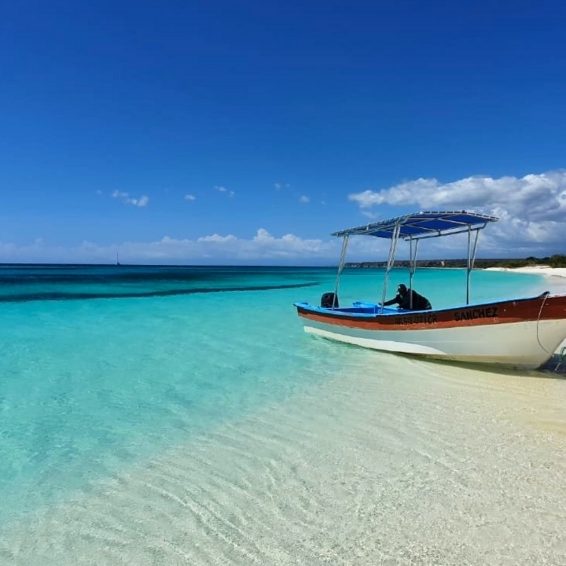
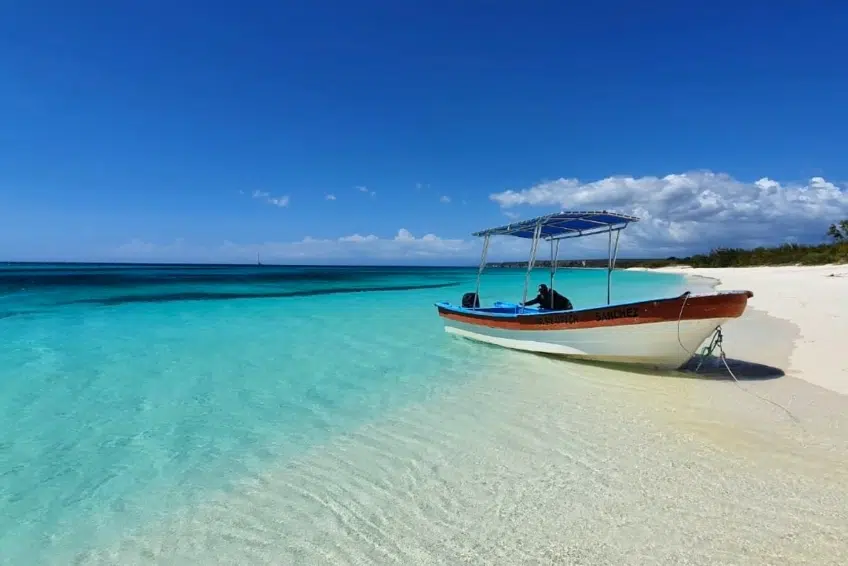
You can also arrange taxis for roughly $15-$25 (negotiate before getting into the taxi) to the fishing village of La Cueva and hire your own boats at roughly $40–60 per boat round-trip. The full DIY experience!


Deboarding Procedure
Cabo Rojo is not a tender port, so you walk directly off the ship onto the dock. Once you clear the gangway, you enter the port’s commercial area with its shops, pools, and entertainment. If you’ve booked a ship excursion, you’ll meet your group at the designated shore excursion staging area inside the terminal before boarding organized transport.
If you’ve pre-booked with an independent operator like Cocotours or Larimar EcoTours, your guide will be waiting with a sign just outside the port gates. They coordinate pickup times with the ship’s arrival schedule, so there’s no guesswork. For true DIY visitors, taxis line up outside the port entrance and can take you to La Cueva (about 25 minutes), where you arrange your own boat.
From the Pedernales Area
If you’re not arriving by cruise ship, you’re almost certainly basing yourself in Pedernales, the small border town about 20 kilometers east of the beach. From Pedernales, every route to Bahia de las Aguilas passes through a tiny fishing settlement called La Cueva, where you’ll board a boat for the final stretch. It’s not complicated, but it does take some planning, and a few things work differently than you might expect.
The Standard Route: La Cueva by Boat
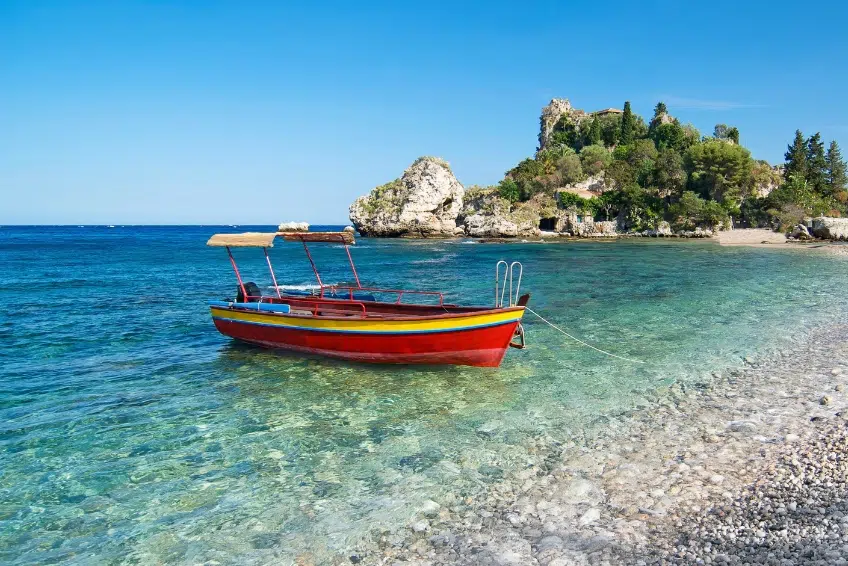
For independent travelers and anyone staying in the Pedernales area, the standard route begins at La Cueva (also called Cueva de las Aguilas or Playa de La Cueva), a small beach settlement on the Cabo Rojo coast about 14 kilometers from Pedernales town (roughly 25–30 minutes). The road starts paved and degrades to gravel with dips. Any vehicle can handle it at low speed. A 4×4 is not required for this stretch.
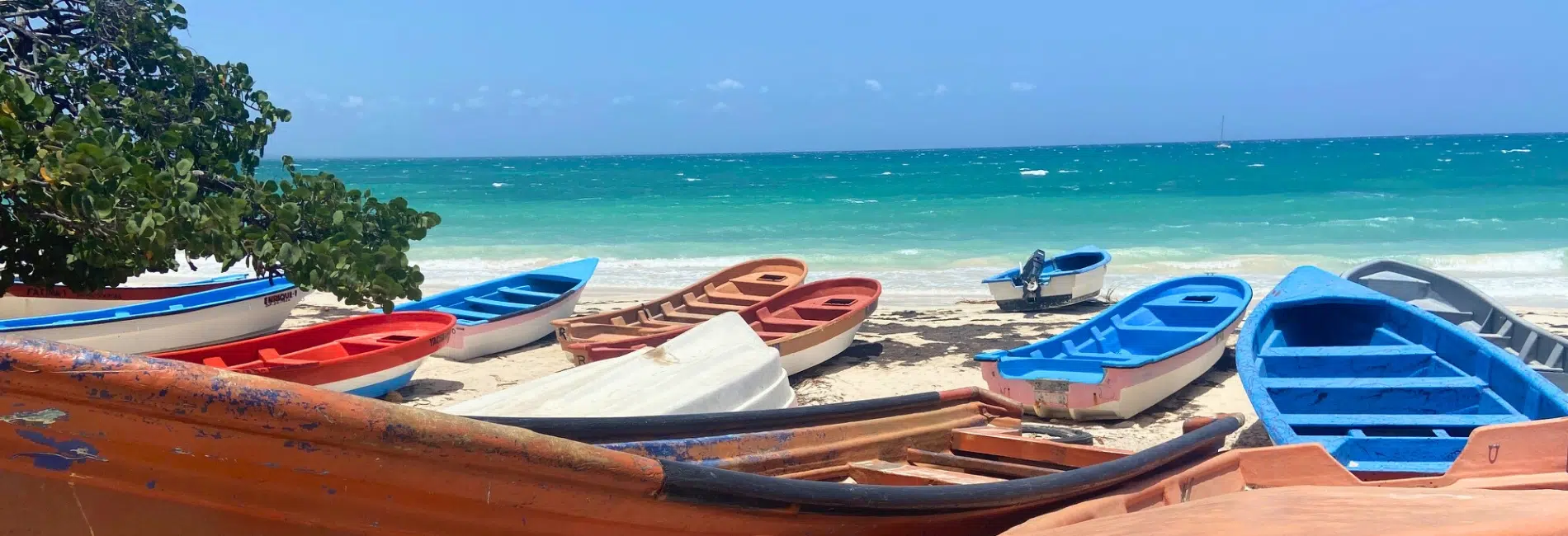
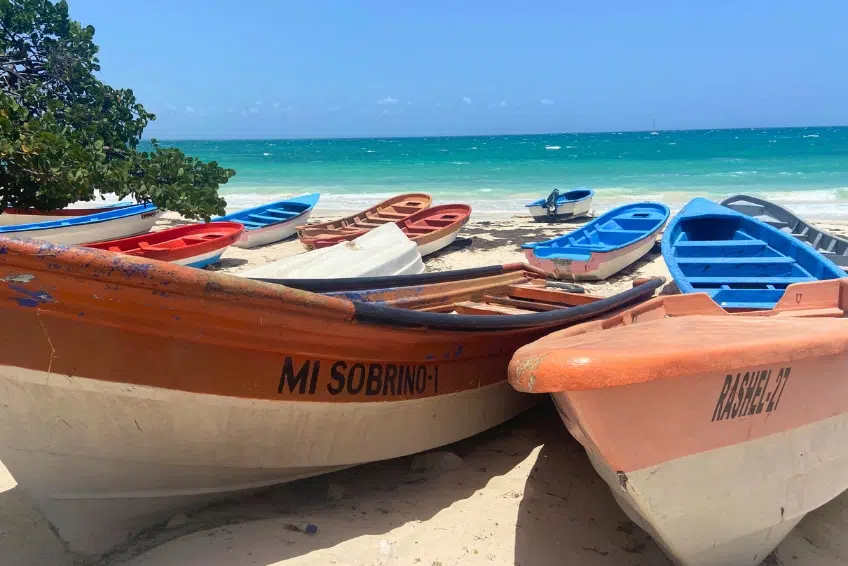
At La Cueva, you’ll pay the Jaragua National Park entrance fee of RD$150 ( around $3 USD) at a small hut across from the Glamping EcoLodge. You get a wristband to wear during your visit. From there, you board a small open motorboat (a fishing-style lancha with an outboard motor, capacity 6–8 passengers) for the 15–20 minute ride to the beach. Life jackets are mandatory and provided.


Boat Pricing and What to Watch For
Boat pricing is per boat, not per person, and you must pay in cash. The Glamping EcoLodge charges RD$3,175 ( around $60 USD) round-trip for up to 5 people. Rancho Típico runs slightly cheaper. Independent fishermen past the main restaurants may charge RD$2,000–2,500 ($35–45) for a group of 4–6. We’ve heard of budget travelers negotiating a one-way ride back by joining other passengers for as little as 200 pesos ($4), but don’t count on that.
A word of caution, some boat operators at La Cueva may overcharge tourists significantly. Our recommendation is to walk past the first cluster of restaurants to find the independent fishermen, who tend to offer fairer prices and a more pleasant experience. If none are available, head back to the restaurants and book there.
The Boat Ride
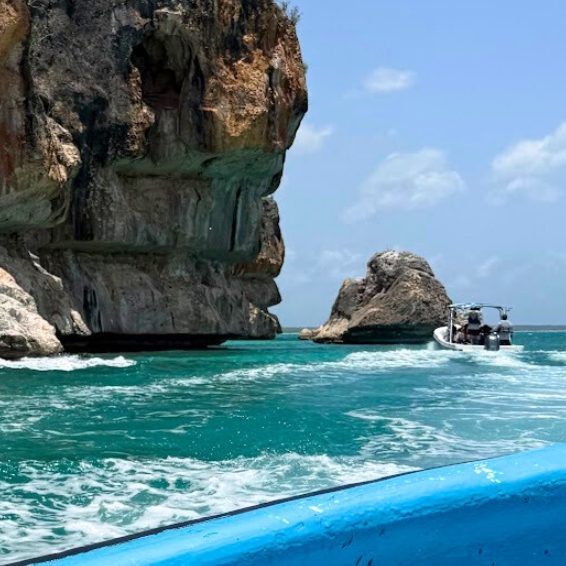
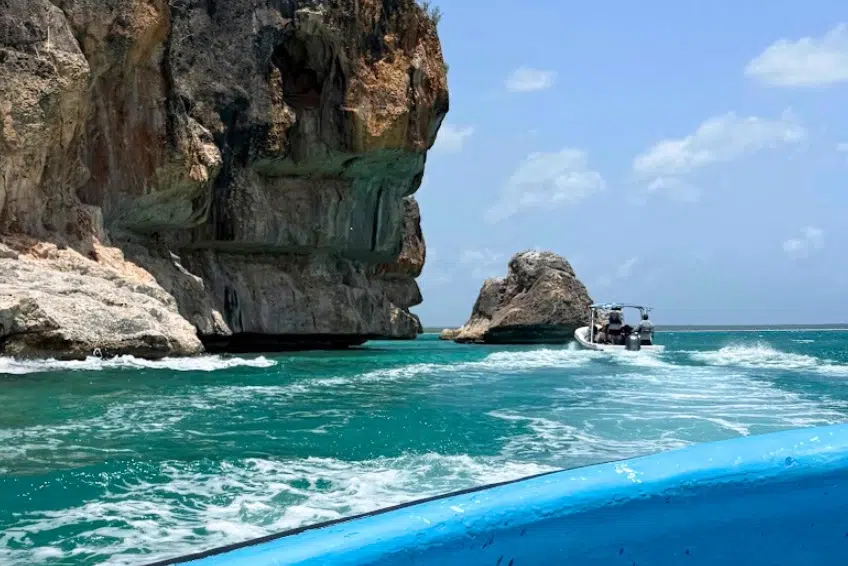
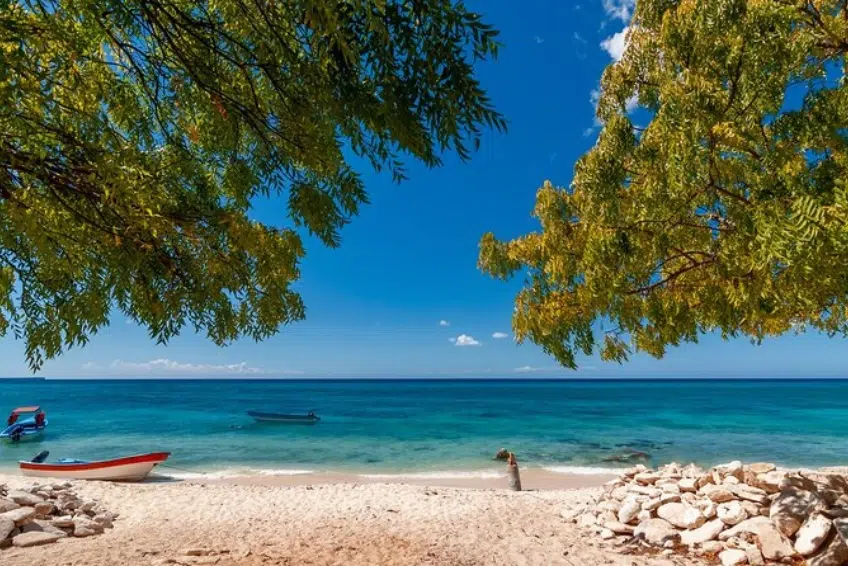
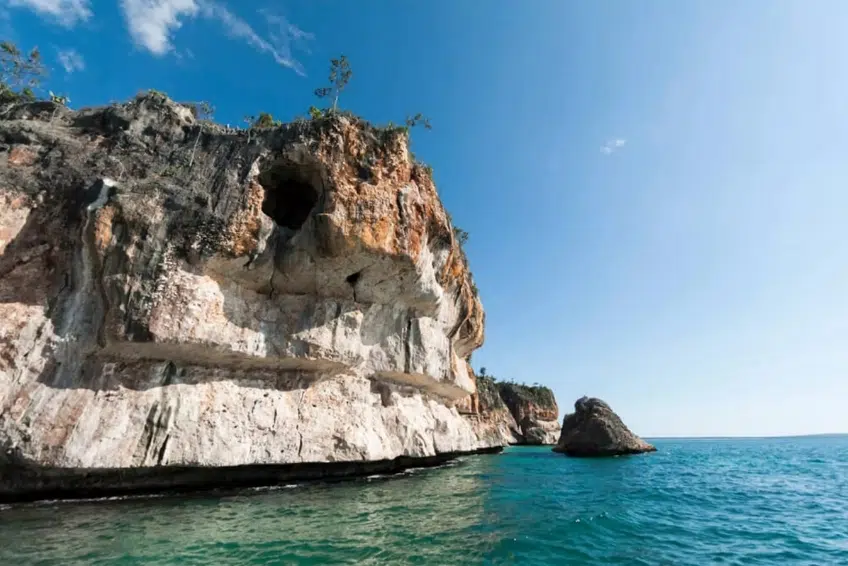
The boat ride itself is a highlight. Captains weave through dramatic boulder formations along the cliff-lined coast, pointing out hidden coves along the way. You will get splashed, so bring a waterproof bag for electronics. There is no dock at either end, so you’ll wade into shallow water to board and disembark. You’ll agree on a pickup time with the captain before being dropped off.
Boats operate 8:30 AM to 5:30 PM, with last pickups typically by 5:30 PM. A pro tip: ask to be the last pickup of the day. The beach empties out in the late afternoon, and those final couple of hours in golden-hour solitude are worth the wait!
Alternative Way to Reach the Beach (not recommended)
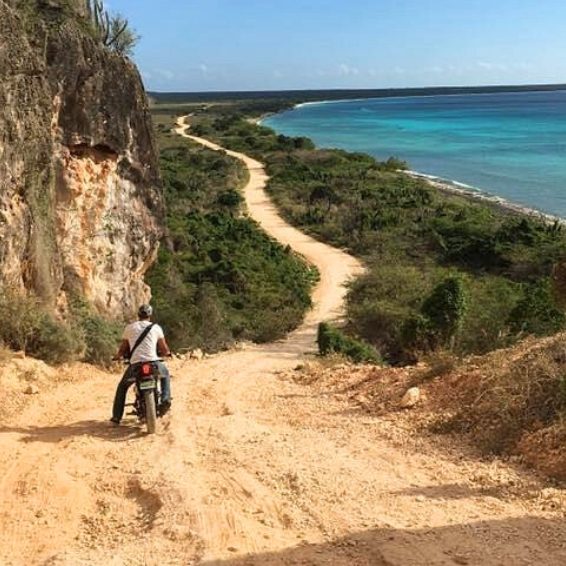
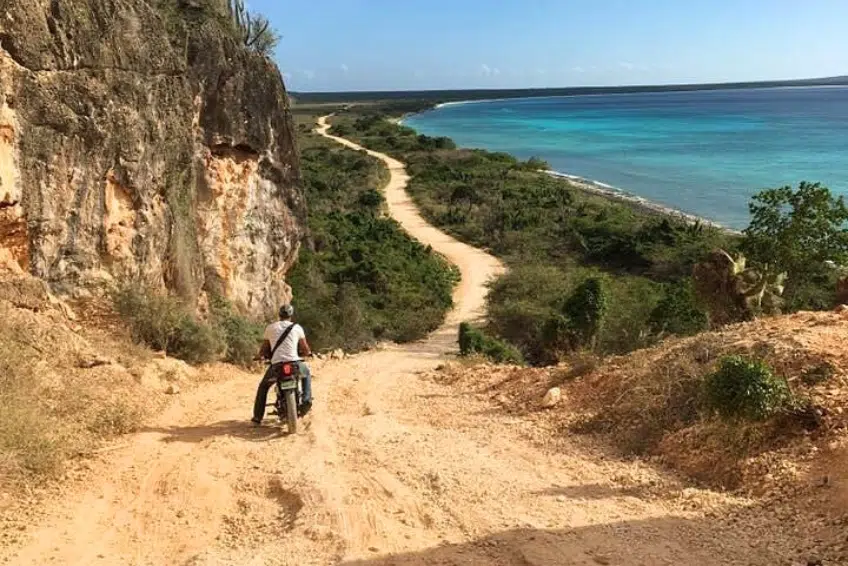
A dirt road over the hill from La Cueva reaches the beach directly. It was recently improved so most vehicles can pass carefully, though steep sections still make a 4×4 advisable. From the parking area, a 5-kilometer hike takes about an hour through completely exposed desert terrain with zero shade and temperatures that can exceed 100°F. We strongly discourage this unless you’re prepared for extreme heat and carrying a serious amount of water.
About The Beach
So you survived the gravel road, arranged a boat, and bounced across open water for 20 minutes. Now what? Bahia de las Aguilas is one of those rare places that actually exceeds the hype, but it also surprises people in ways the glossy photos don’t prepare you for. Here’s what to expect when you step off the boat and into the shallows.
Not Your Typical Caribbean Postcard
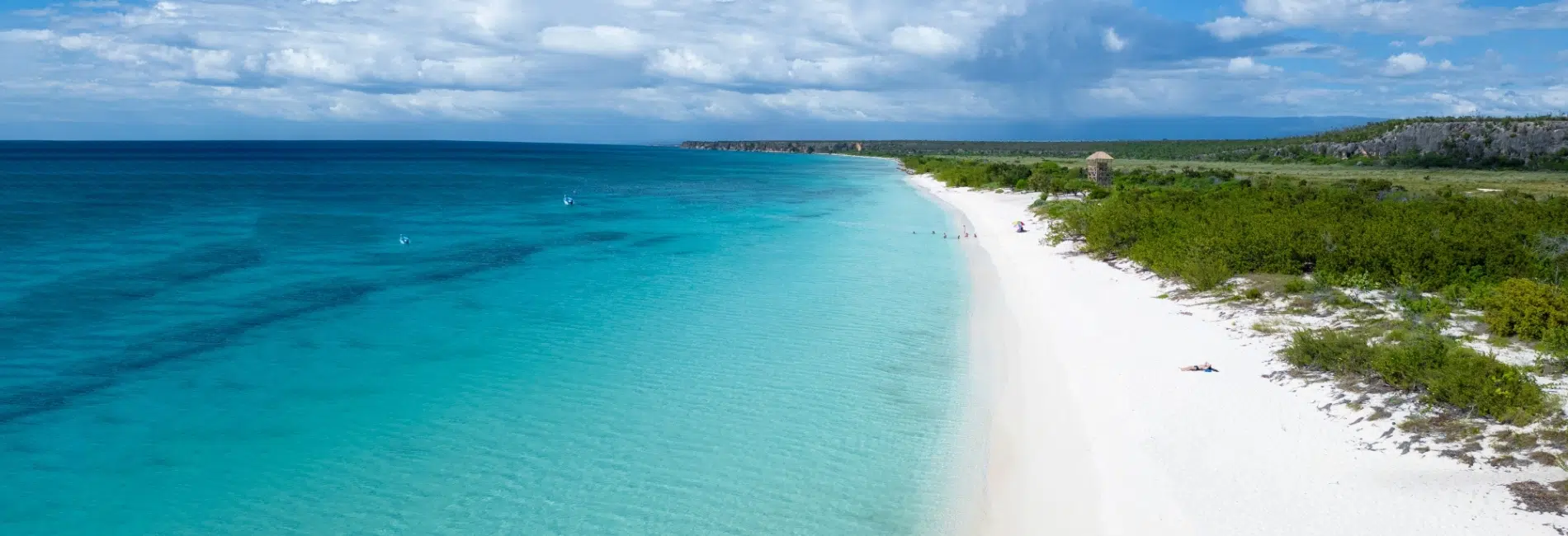
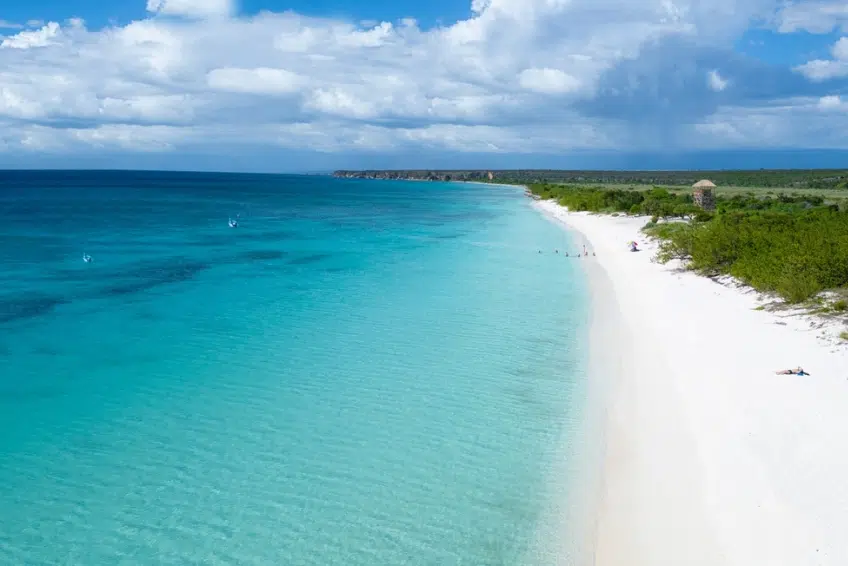
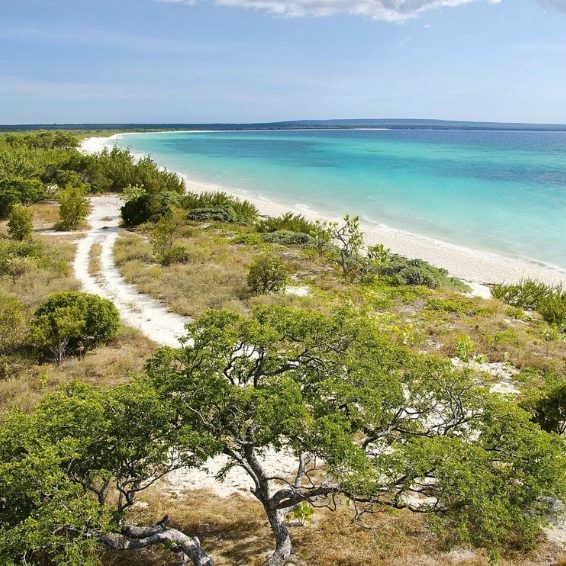
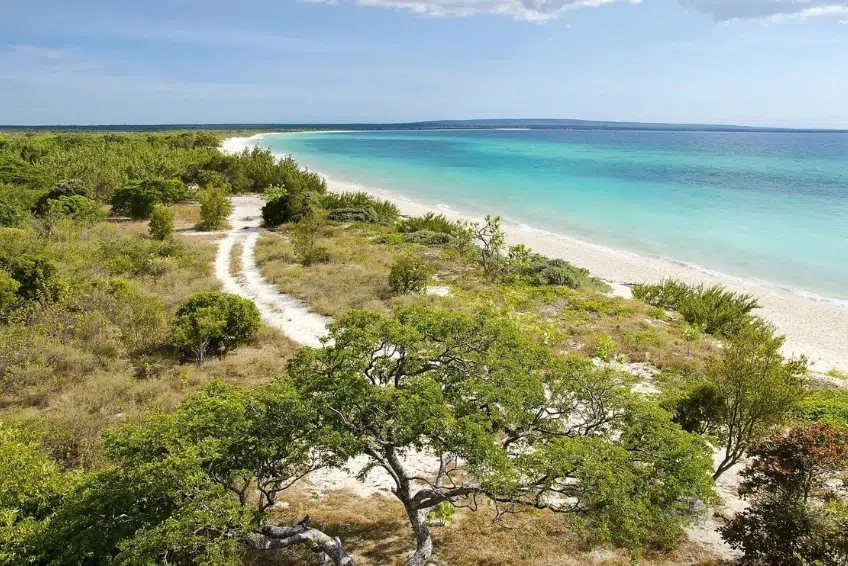
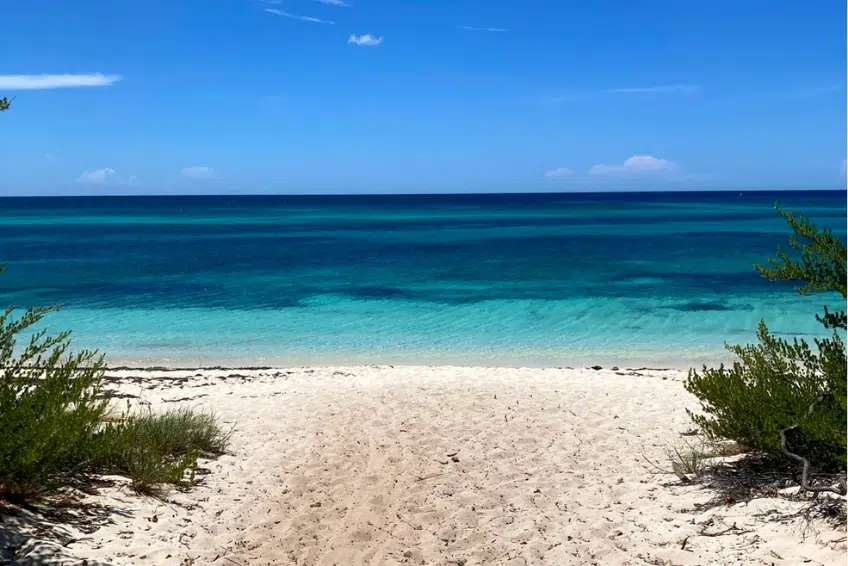
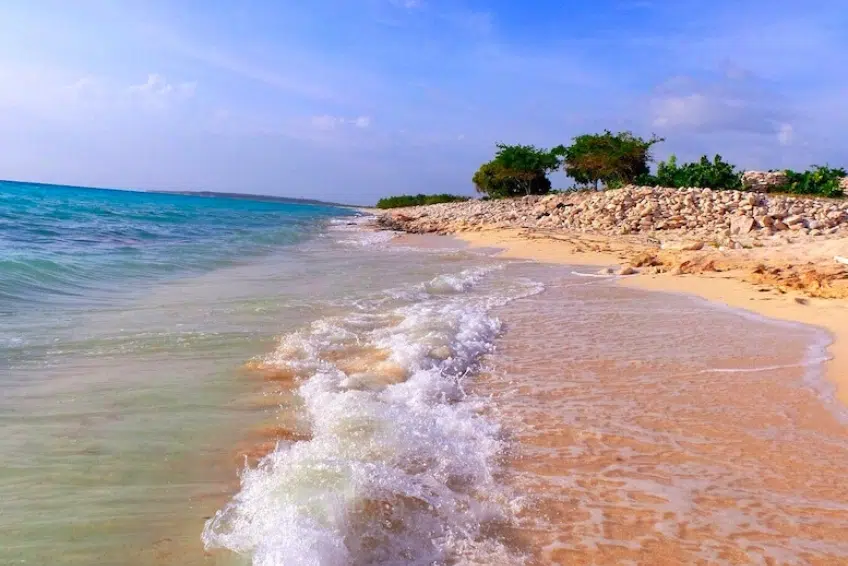
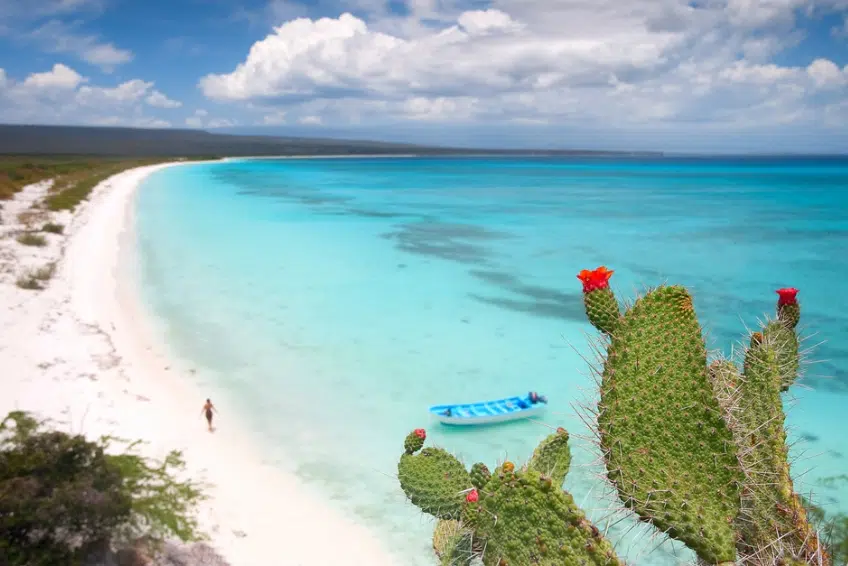
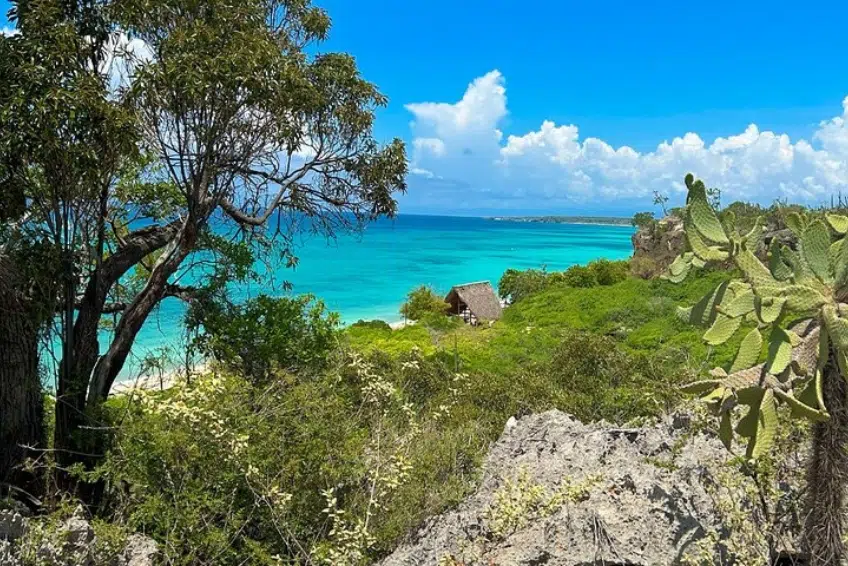
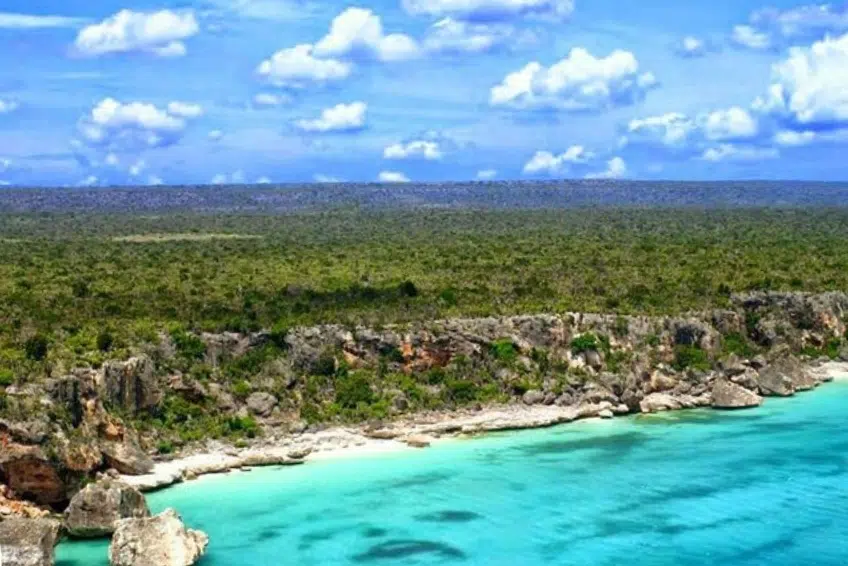
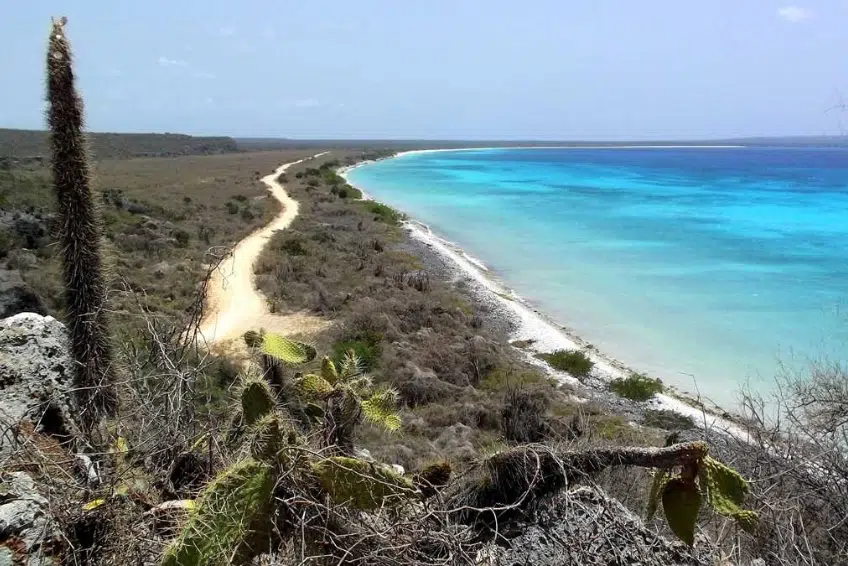
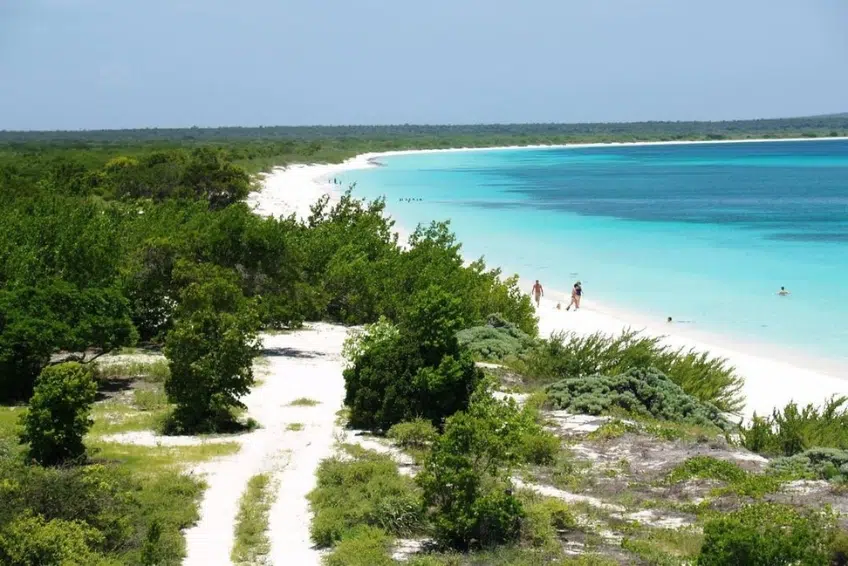
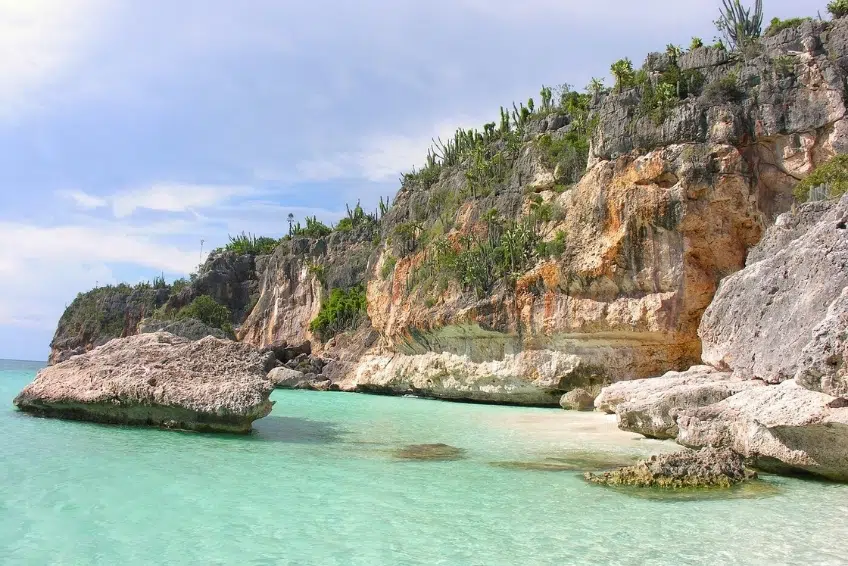
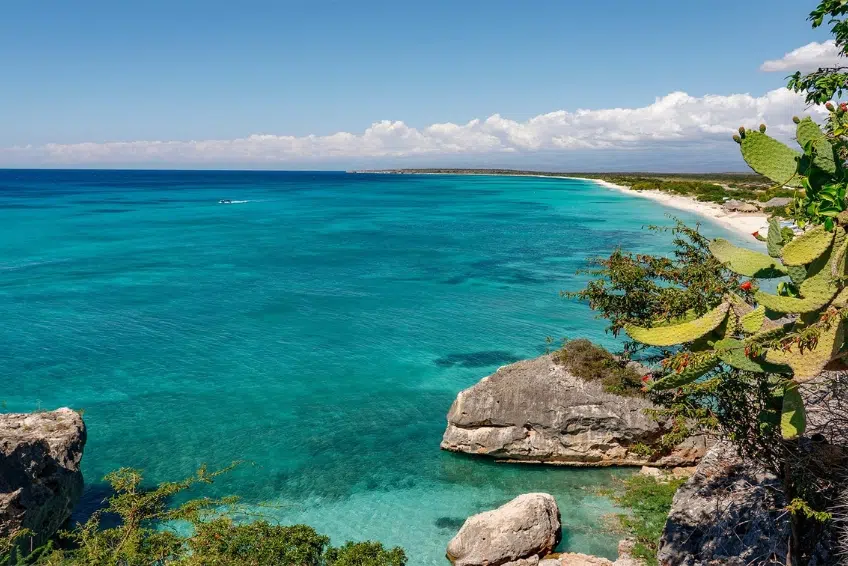
Here’s what catches most visitors off guard: Bahia de las Aguilas doesn’t look like a typical Caribbean beach. Forget swaying palm trees and lush greenery. This is an arid, almost Arizonan desert landscape: cacti, scrubland, and karst limestone cliffs line the shore instead of coconut palms. The contrast between the bone-dry terrain and impossibly clear turquoise water is unlike anything else in the Dominican Republic.
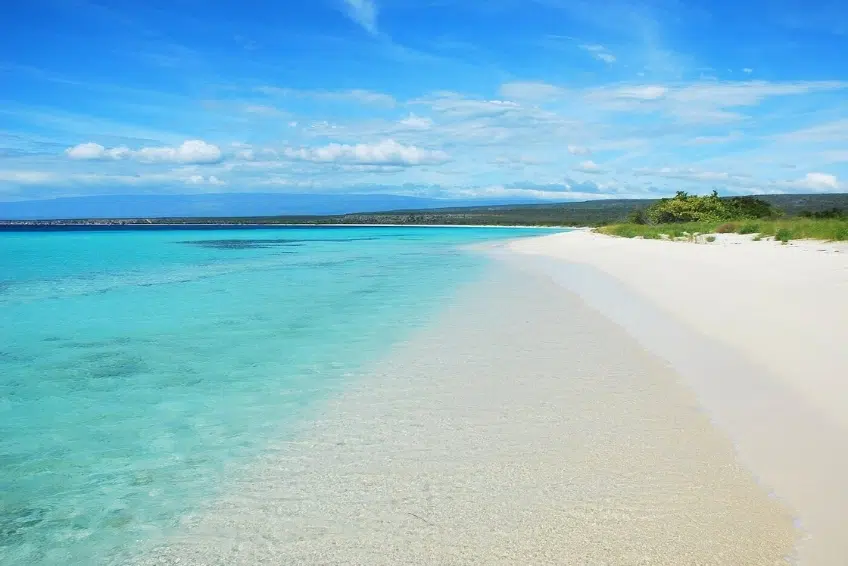
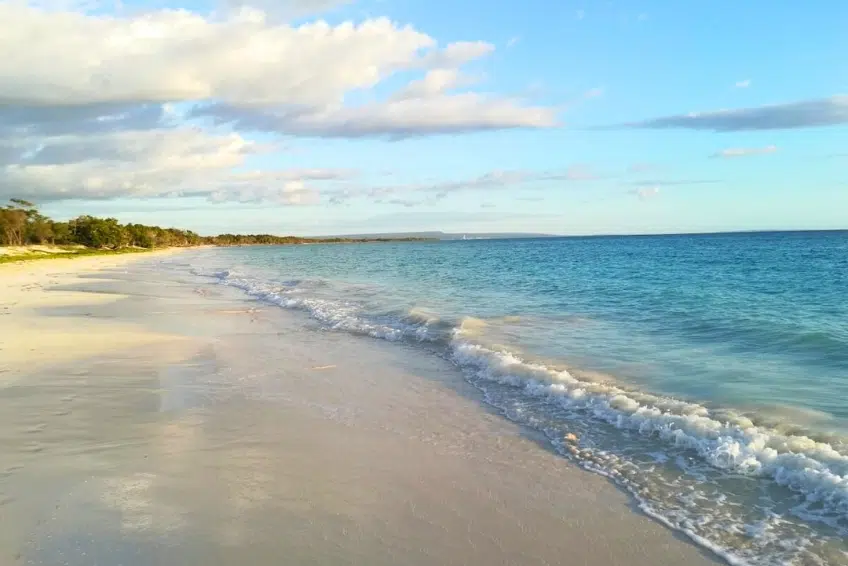
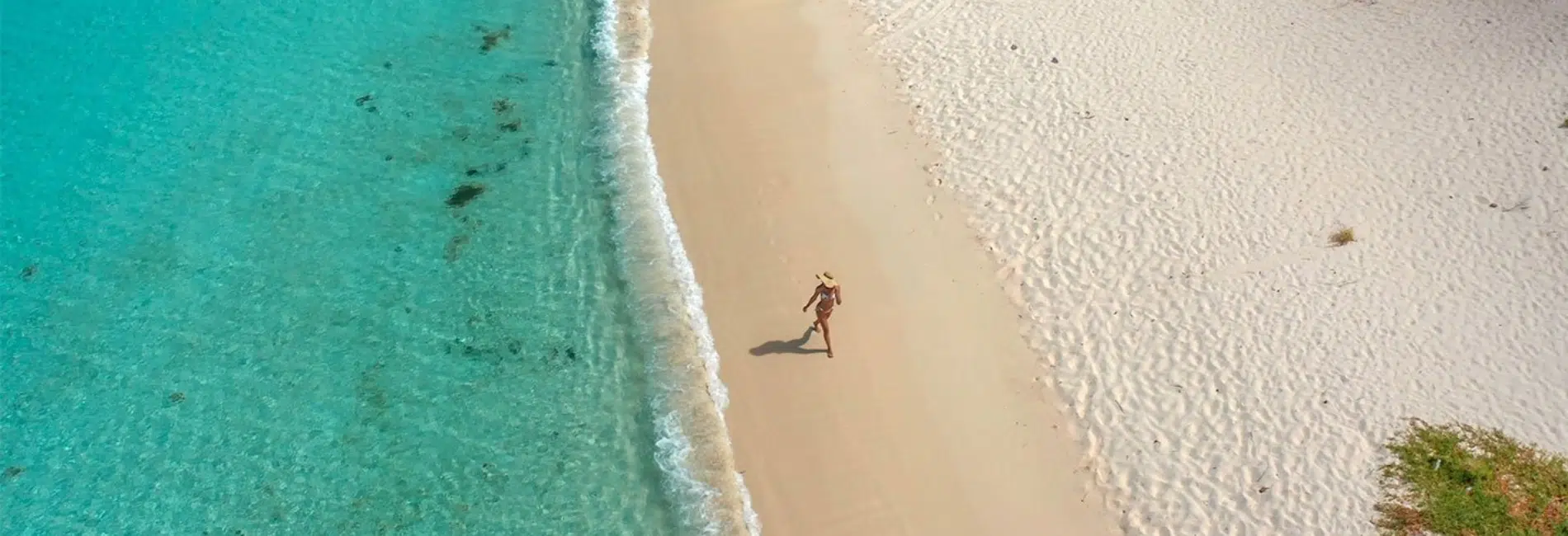
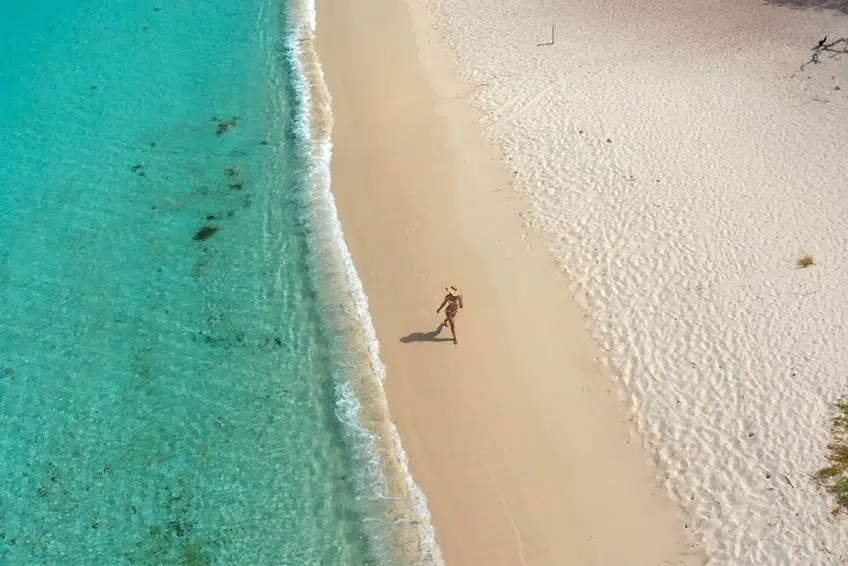
The sand, though? It lives up to every superlative. We’re talking satin-soft, diamond-white powder that stretches for 8 uninterrupted kilometers. Millions of tiny seashells are scattered throughout, and the beach is wide enough that even on busier days, you can walk for 20 minutes without seeing another person.
The Water
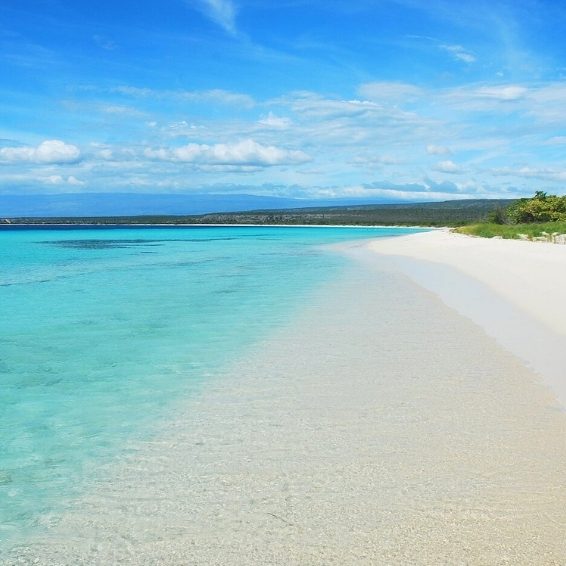
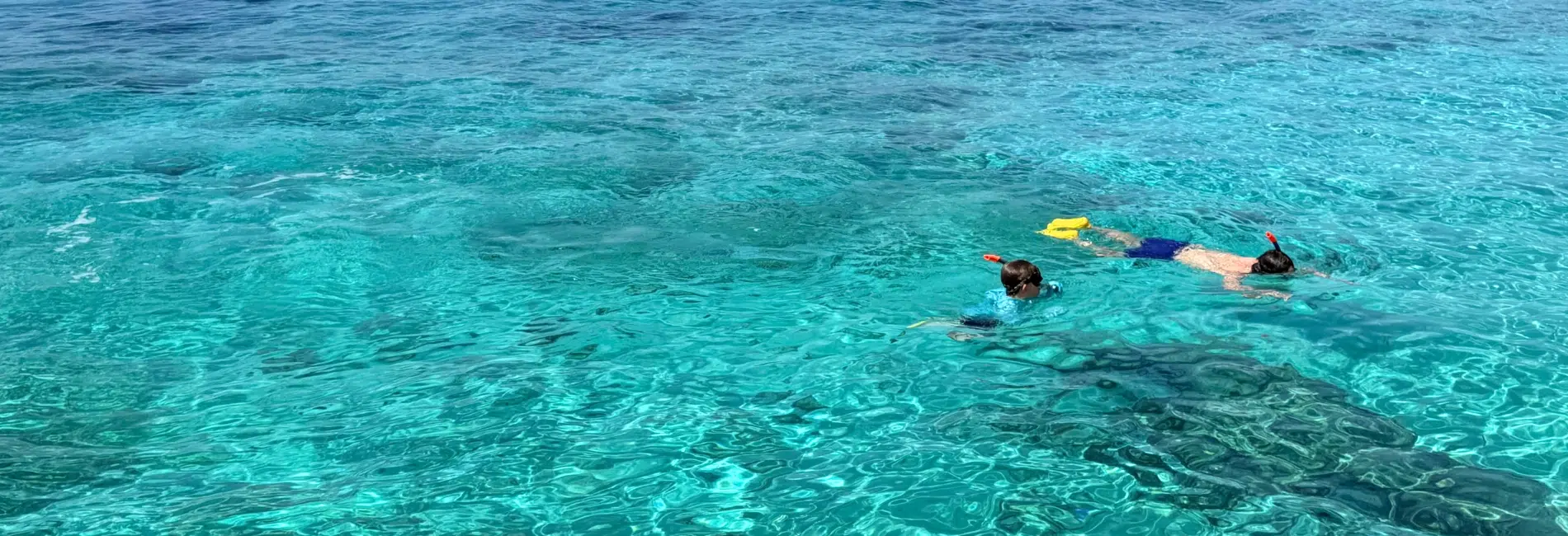
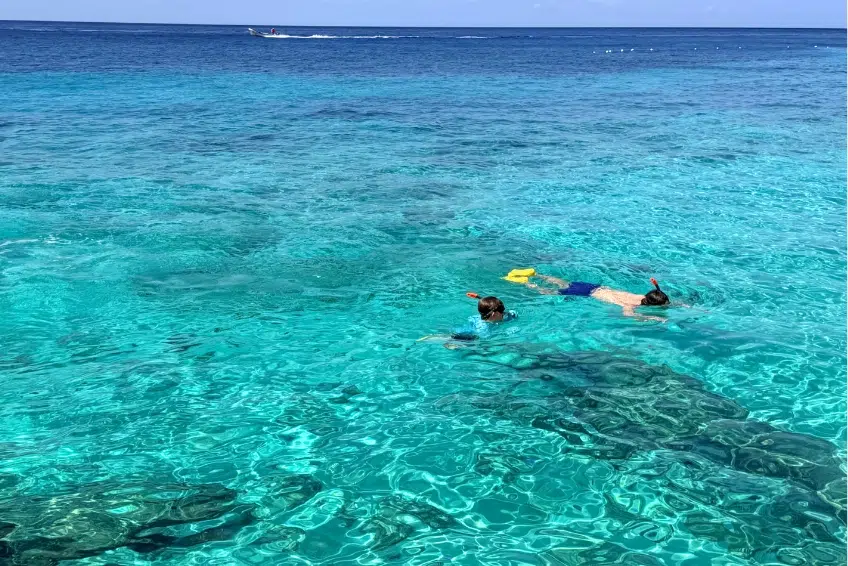
The water is the real showstopper. Visibility regularly exceeds 20 meters, creating that surreal “liquid glass” effect where you can see every grain of sand beneath your feet. Colors shift from turquoise to opal-blue depending on cloud cover and time of day. The bay’s sheltered crescent shape keeps conditions remarkably calm (it genuinely feels like swimming in a natural pool) with little to no wave action on most days. Water temperatures range from 79°F in February to 86°F in August, warm enough year-round that you’ll never need a wetsuit.
One more thing worth noting: the south-facing orientation means no sargassum seaweed. While Punta Cana’s beaches get hammered with the stuff from April through fall, Bahia de las Aguilas avoids the Atlantic-driven blooms entirely.
The Honest Downsides
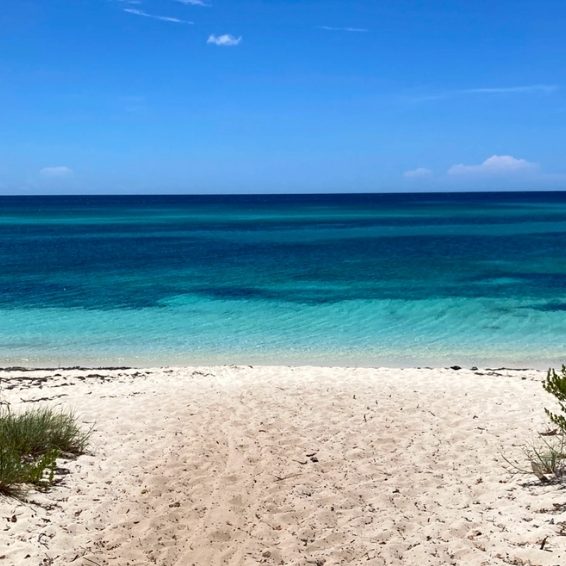
We wouldn’t be doing our job if we didn’t mention the rough edges. Despite being a protected national park, litter is an ongoing problem (though things have been improving). The aggressive touts at La Cueva trying to overcharge tourists for boat rides can be annoying, but just take it as part of the experience.
Tiny fish that nibble your feet in the shallows are harmless but surprising if you’re not expecting them. And the desert sun is absolutely brutal. We cannot stress this enough: temperatures in the area regularly exceed 100°F. There’s virtually no natural shade on the beach (cacti don’t exactly provide relief), so come prepared or suffer.
Things To Do In Bahia de las Aguilas
Bahia de las Aguilas isn’t the kind of beach with a water sports kiosk and a jet ski rental counter. There are no lounge chairs for hire, no beach bars, and no organized activities waiting for you when you step off the boat. That’s the whole point. What it does offer is the kind of raw, unstructured Caribbean experience that’s almost impossible to find anymore. Bring your own gear, bring your curiosity, and you’ll have plenty to fill a full day.

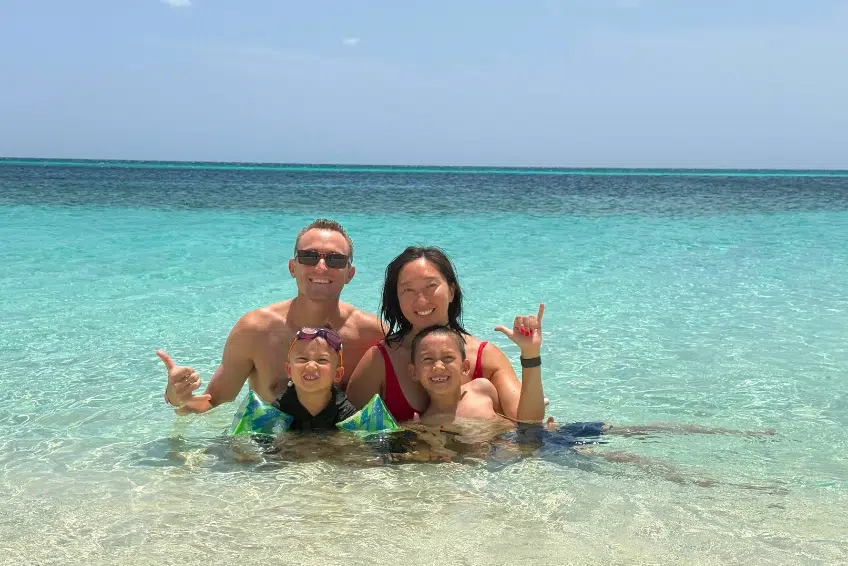
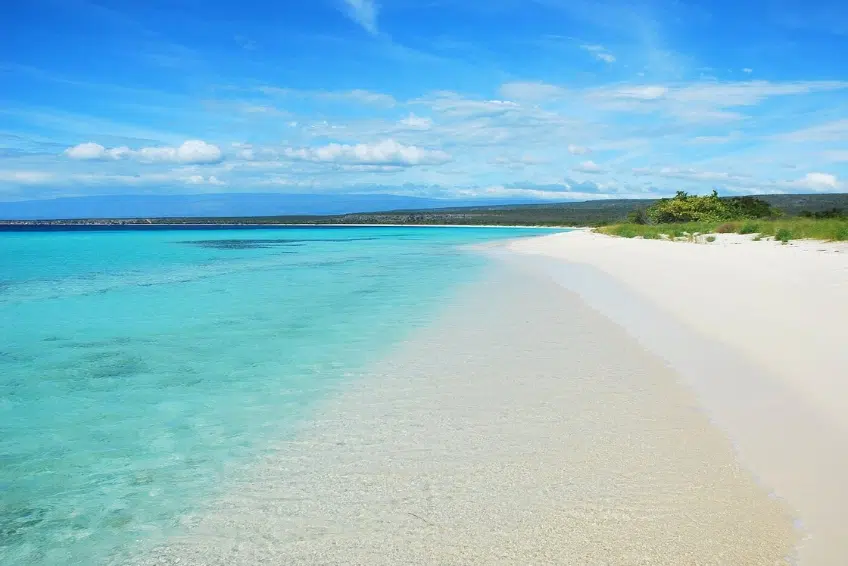
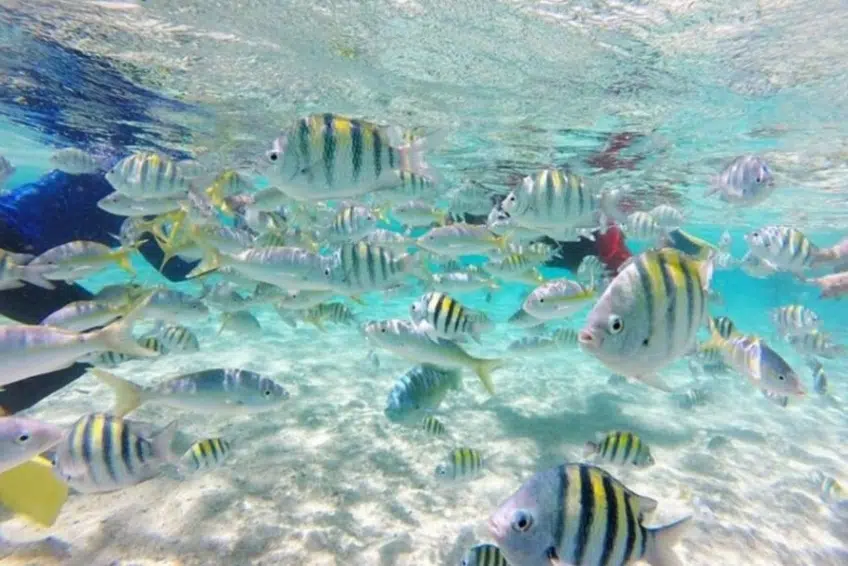
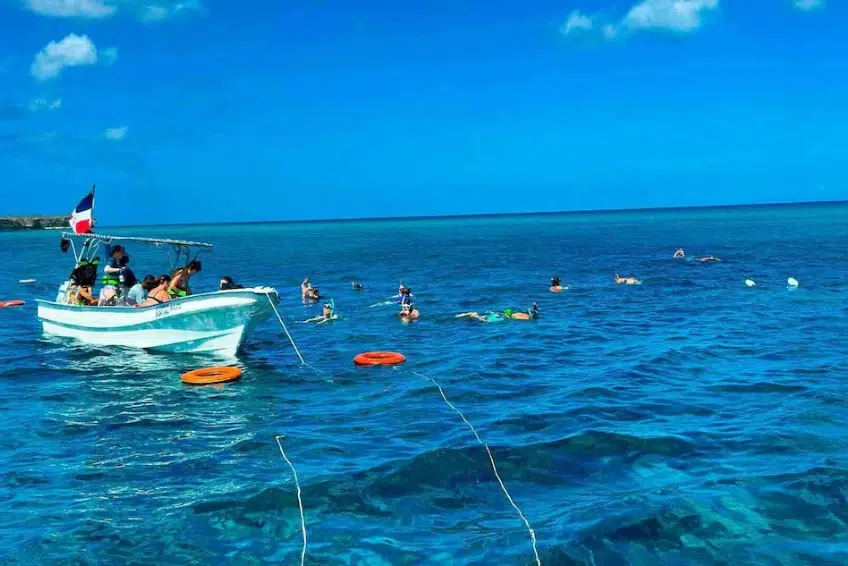
click to see more images
1. Snorkeling
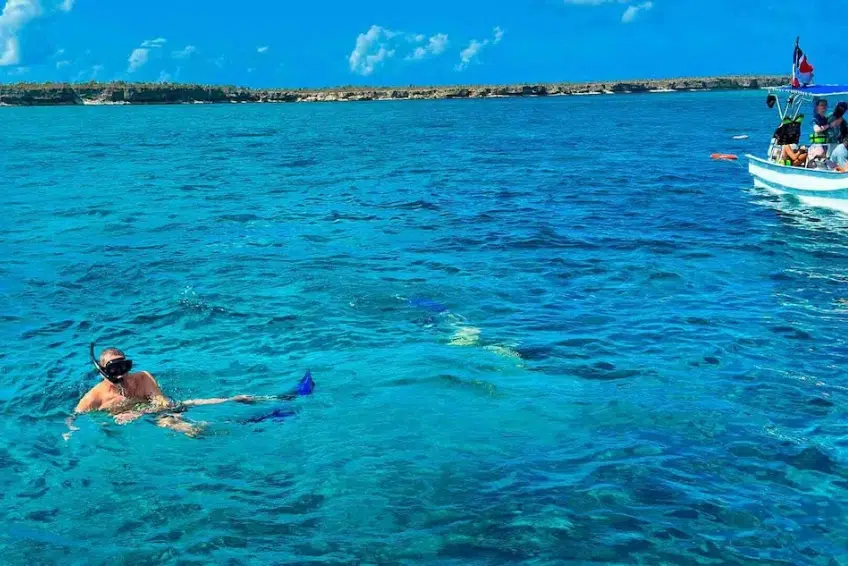
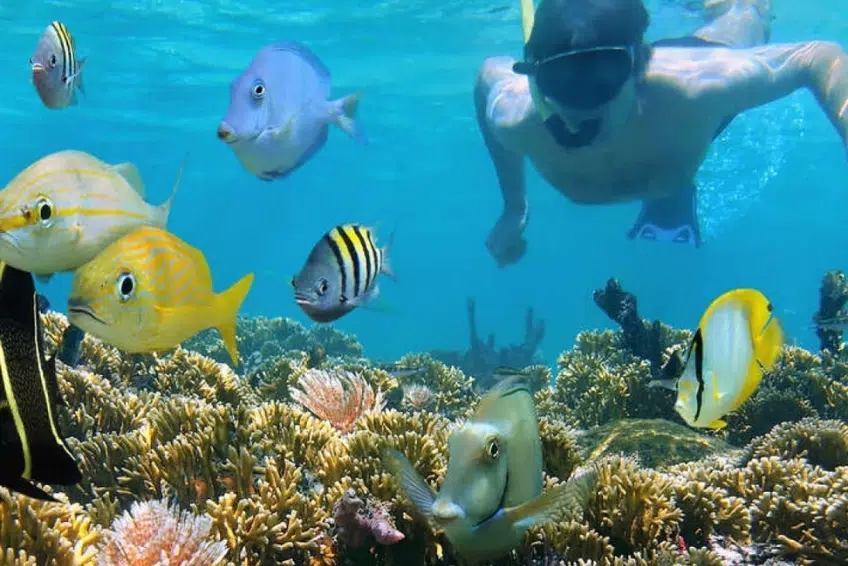
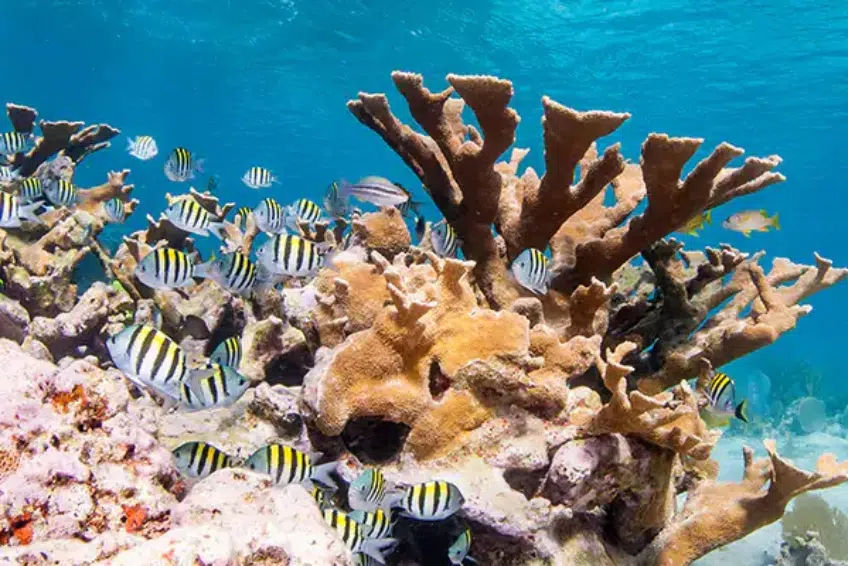
The reef system off Bahia de las Aguilas is among the healthiest remaining in the Caribbean. Fishing is illegal within Jaragua National Park, and that enforcement has produced remarkably abundant marine life just steps from shore. The local dive operation Buceo Pedernales describes it as resembling “the Caribbean of 30 years ago,” and we don’t think that’s hyperbole.
What You’ll See
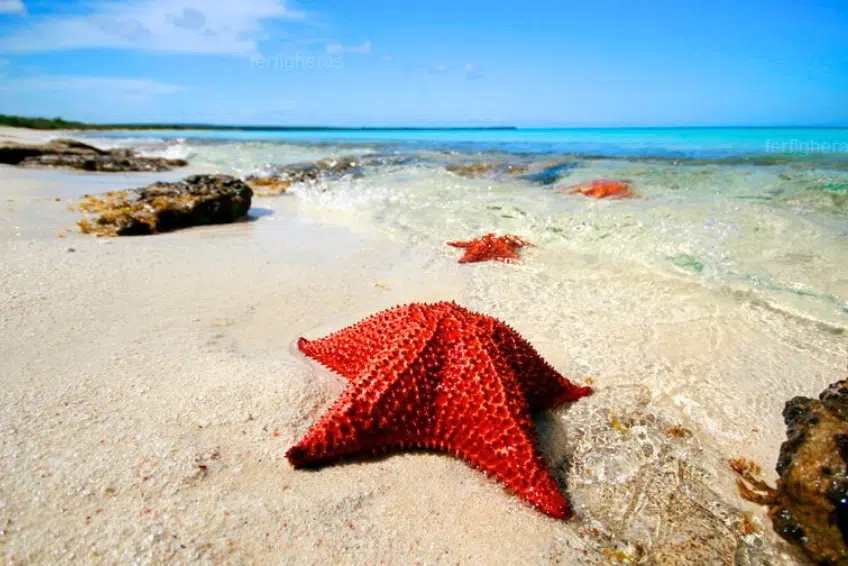
Cushion sea stars (abundant on the sandy bottom), parrotfish, angelfish, butterflyfish, groupers, damselfish, spiny lobster, queen conch, sea urchins, and octopuses. Leatherback sea turtles nest on this beach, and sightings are possible, especially from March through August. Antillean manatees inhabit the seagrass meadows but are rarely spotted.
Where To Snorkel
Head for the rocky cliff formations at the ends of the beach rather than the center sandy area. That’s where the coral heads concentrate. The Cabo Rojo departure area itself also has excellent reef snorkeling. During the boat ride, you can actually see coral reefs through the clear water beneath the hull. Ask your captain to drop you at specific reef areas on request.
Bring Your Own Gear
Rental is theoretically available at La Cueva for $5–10, but availability is inconsistent at best. Some tour packages include equipment, and the Glamping EcoLodge offers all-inclusive packages with snorkel gear. For a professional experience, Buceo Pedernales (run by Italian expats Valentina and Michele) is the only proper dive/snorkel operation in the region. They take groups to multiple reef spots with quality gear and come highly recommended.
Check out this Bahia de las Aguilas Full Day Private Tour With Lunch and Snorkeling Gear or this VIP Getaway To Bahia de las Aguilas Including Snorkeling.
Looking for a bit more luxury? Check out this highly rated Catamaran Cruise to Bahia de las Aguilas that includes snorkeling.
click to see more images
2. Beachcombing and Shell Collecting
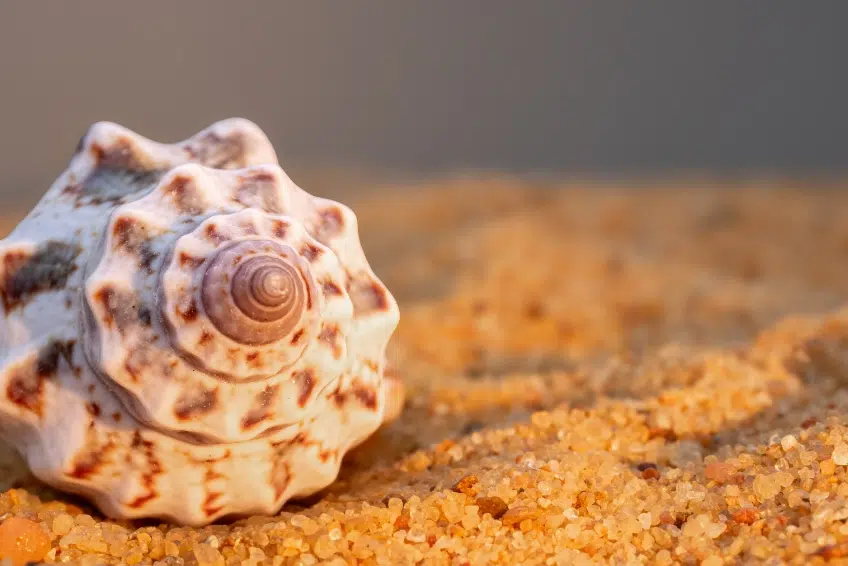
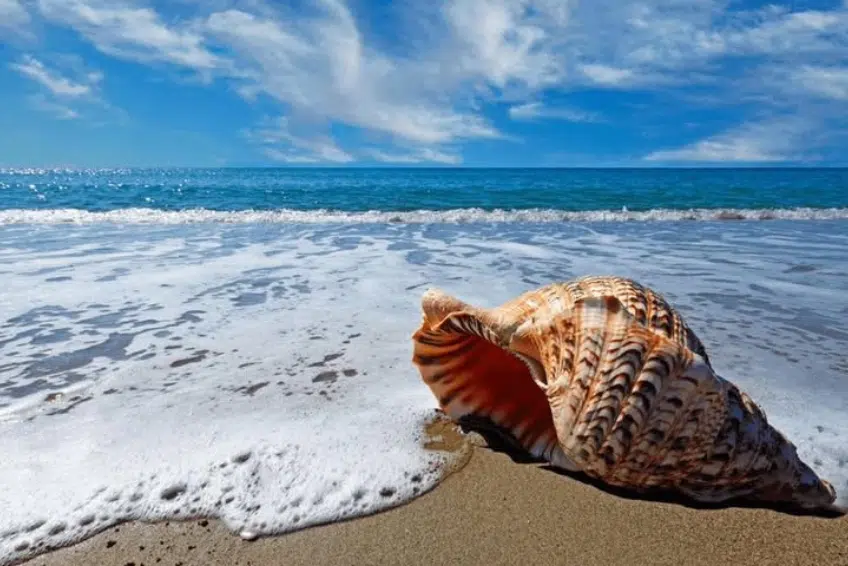
Bahia de las Aguilas is one of the best shelling beaches in the Caribbean. The 8-kilometer stretch is carpeted with tiny, intact shells in every color, and because the beach sees so few visitors relative to its size, you’ll find specimens that would be snatched up within hours on a resort beach.
Walk the waterline at low tide, especially near the rocky outcrops at either end, and you’ll come across conch fragments, sea glass, and sand dollars. The fine white sand itself is partly made of crushed coral and shell, so even a casual handful reveals miniature treasures. Just remember this is a national park: take photos freely, but leave live shells and coral where you find them.
Check out this incredible Bahia de Las Aguilas Safari Experience with transportation from the Cabo Rojo Cruise Port.
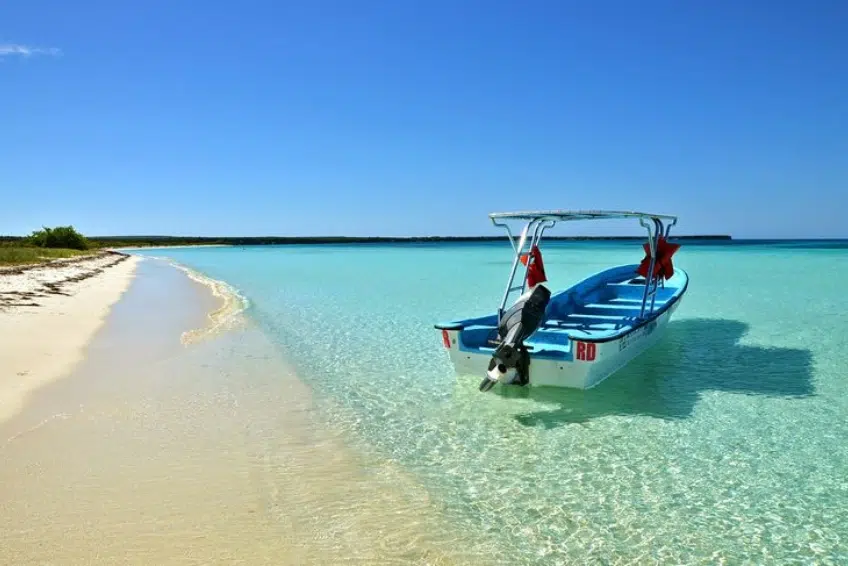
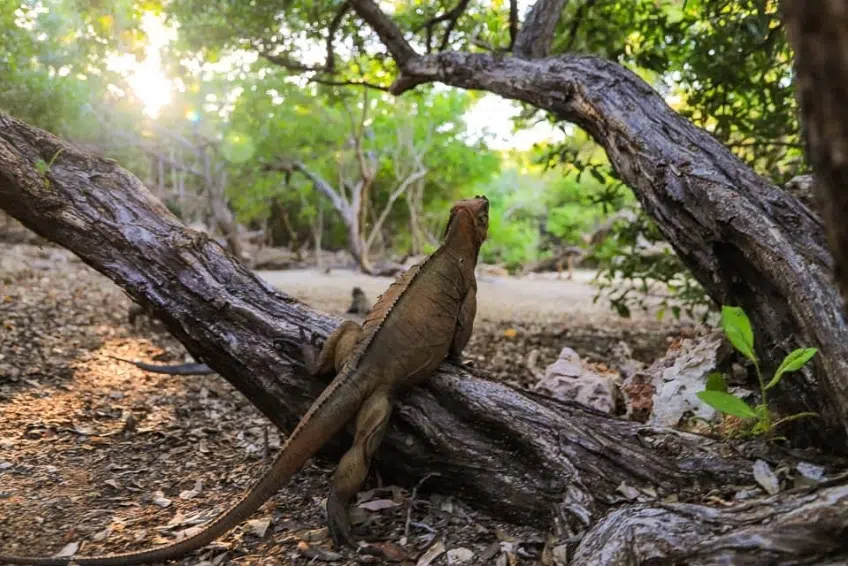
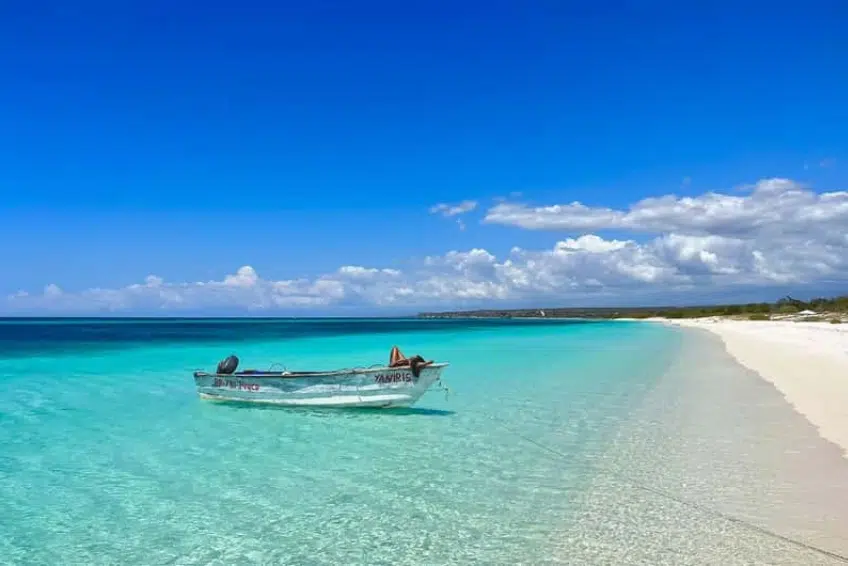
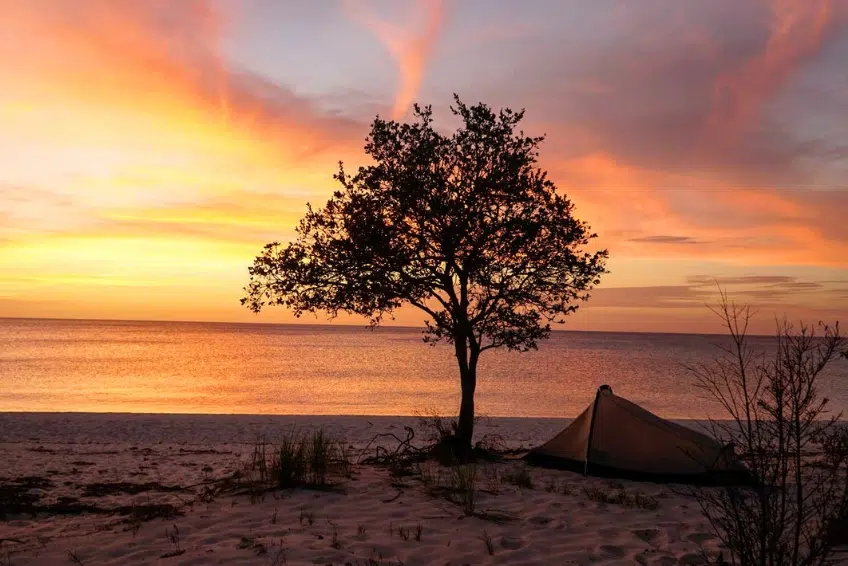
click to see more images
3. Photography
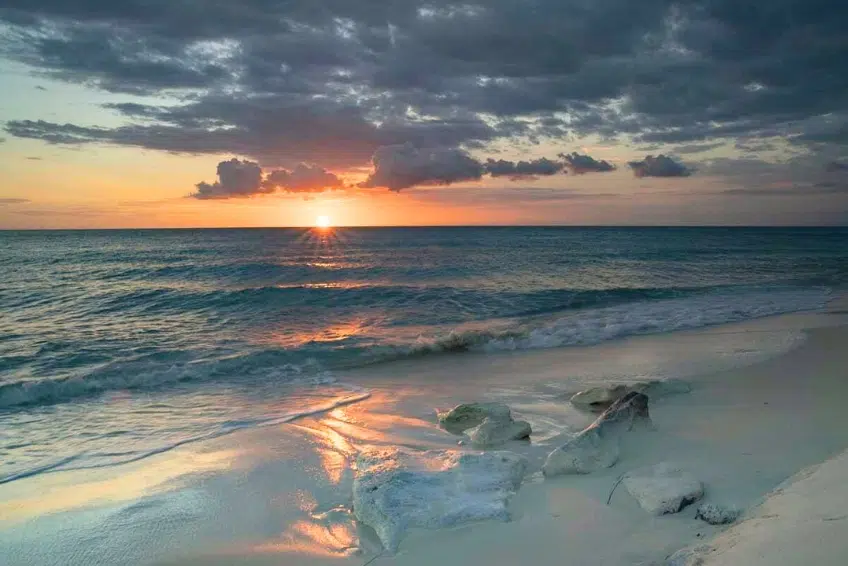
Bahia de las Aguilas faces south to southwest, meaning sunrise comes from behind the eastern limestone cliffs (creating dramatic silhouettes) while sunset drops directly over the Caribbean Sea to the west. This orientation creates exceptional golden-hour opportunities at both ends of the day.
Sunrise
Position yourself halfway down the beach facing east. The sun rising behind the karst cliffs produces a natural frame that’s absolutely magical.
Mid-morning
Ideal for the rolling sand dunes behind the beach, when low-angle sun creates dramatic shadow patterns between the dunes and native cacti. These compositions look more like desert oases than typical Caribbean imagery.
Midday
Shoot the iconic “feet in crystal clear water” shot when overhead sun minimizes shadows and maximizes the surreal glass-like transparency.
90 Minutes Before Sunset
Climb the elevated rocks at the western end for the signature panorama capturing the full crescent-bay curve in golden light.
Other Views
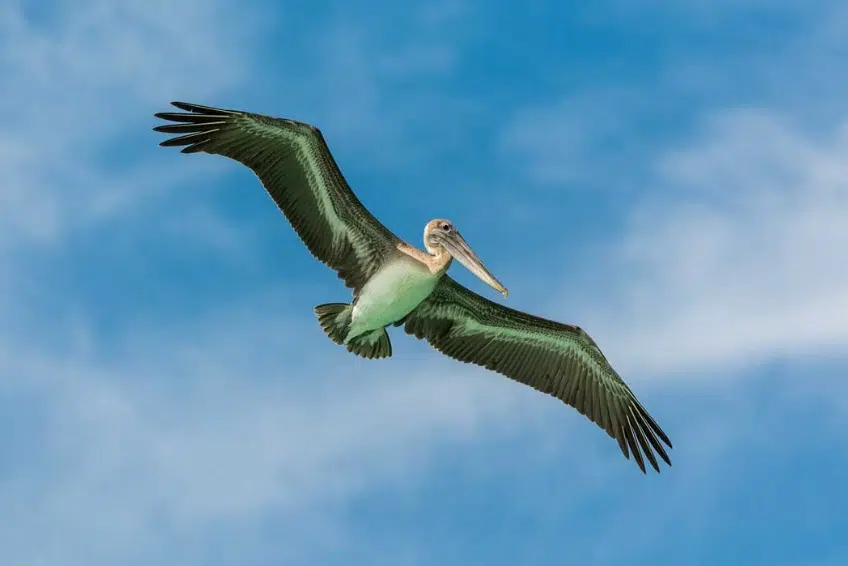
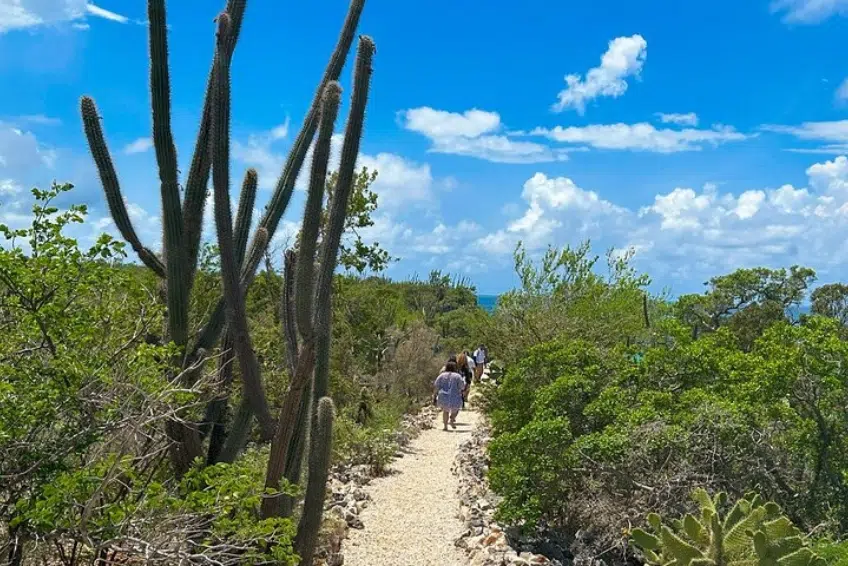
A dedicated Bahia de las Aguilas viewpoint (Mirador) exists above the beach, accessible via a hiking trail. Multiple tour operators include a stop here specifically for sunset viewing. The boat approach itself (weaving through giant boulders with cliff faces and sea-diving pelicans) is also worth keeping your camera ready for.
Essential Photo Gear
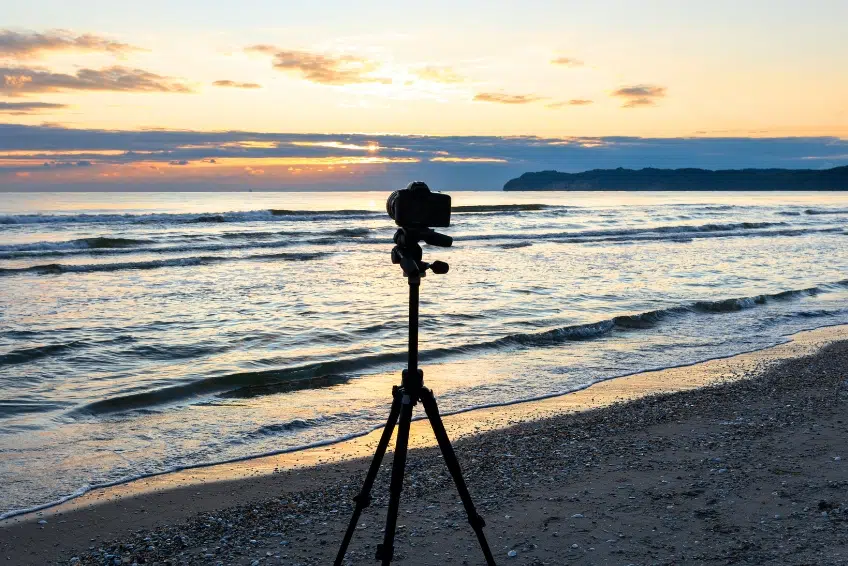
A polarizing filter (critical for reducing glare and enhancing water colors), waterproof phone case or camera housing, extra batteries and a portable charger (no power outlets for miles), and sealed bags to protect equipment from the fine sand that infiltrates everything.
Drone Note: DR regulations require no registration for aircraft under 2 kg, though tourists are technically expected to seek authorization from IDAC (the Dominican aviation authority), a process that can take up to 25 business days. No specific drone ban exists for Jaragua National Park (the official DR tourism site actually encourages drone photography here), but the area is a UNESCO Biosphere Reserve with nesting sea turtles and rare endemic birds, so fly responsibly. In practice, enforcement is minimal given the remoteness.
click to see more images
4. Hiking the Coastal Cliffs
For visitors who want more than a beach day, the limestone karst formations behind Bahia de las Aguilas offer short but rewarding scrambles with panoramic views. The most accessible route follows the elevated trail to the Mirador (viewpoint) above the beach, a moderate 20–30 minute climb that rewards you with a sweeping perspective of the full 8-kilometer crescent and the deep blue beyond.
The terrain is rocky, exposed, and brutally hot by midmorning, so tackle this early or save it for late afternoon. Wear sturdy shoes (not flip-flops) and bring at least a liter of water. For something more ambitious, guides can take you on a trail network that extends deeper into the Jaragua backcountry through a cactus desert that feels more like Baja California than the Caribbean. Arrange ahead of time with local guides in Pedernales who can plan multi-hour hikes that even include cave systems with Taíno rock art.
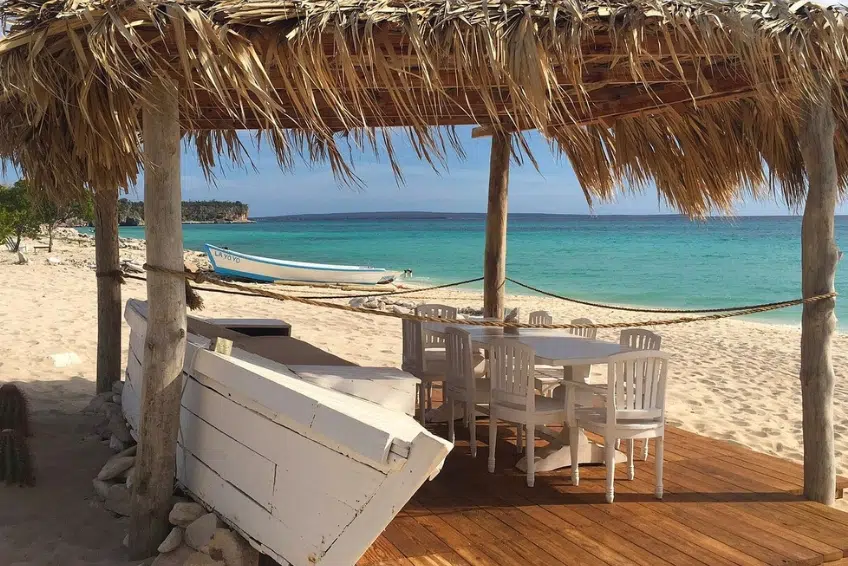
Where to Eat in Bahia de las Aguilas
Let’s be clear about this upfront: there are no restaurants, no food trucks, and no vendors on Bahia de las Aguilas itself. This is a wilderness beach inside a national park, and your options come down to either arranging food in advance or packing your own. That said, a couple of solid choices exist if you plan ahead, and the dining scene at La Cueva and in Pedernales is better (and cheaper) than you’d expect for such a remote corner of the country.
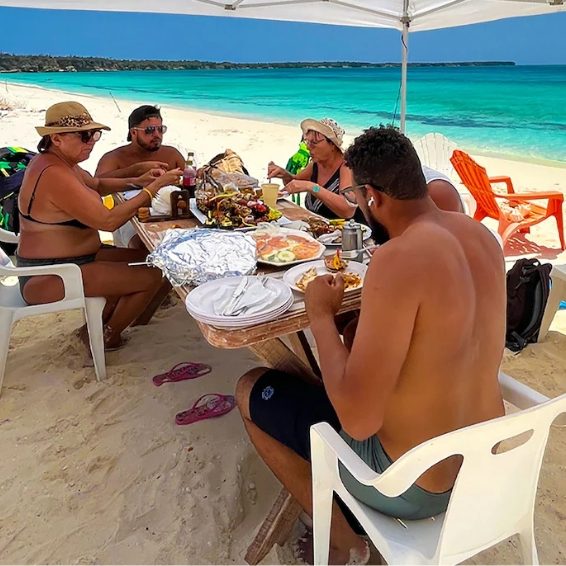
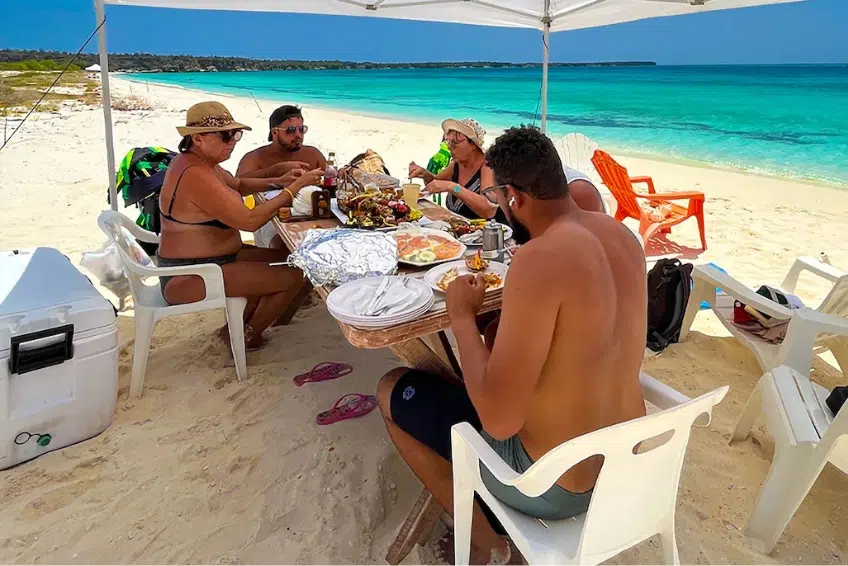
On the Beach: Arranged Lunch Delivery
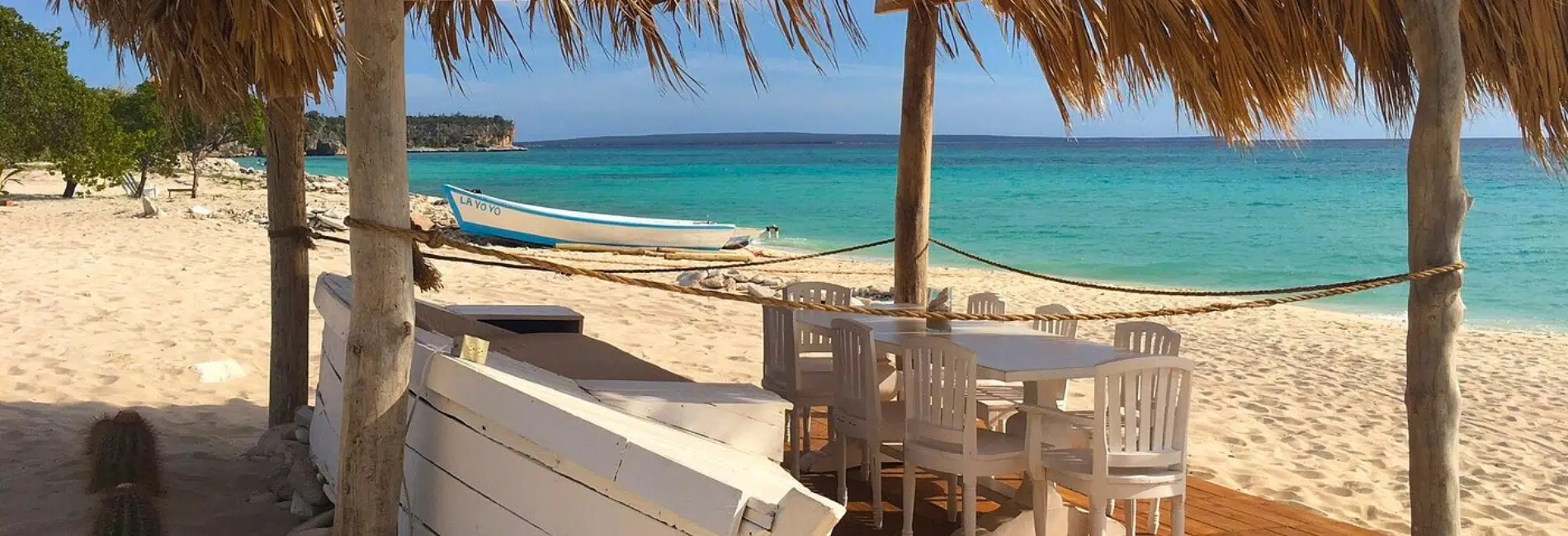
There are no food vendors on Bahia de las Aguilas itself, but several operators at La Cueva will arrange to have a hot lunch delivered directly to your spot on the sand by boat. The Glamping EcoLodge Cueva de las Aguilas offers all-inclusive beach day packages that bundle boat transport, tables, chairs, umbrella, snorkeling equipment, and a cooked meal. Rancho Tipico Cueva de las Aguilas can arrange similar setups. Many organized tour packages (through operators like GetYourGuide) include a beach lunch as part of the deal. Expect to pay around $7-15 per plate for a typical spread of grilled fish, rice and beans, fried plantains, and salad. If you’re arranging your own boat, ask your captain or the staff at La Cueva about lunch options when you book your ride. Calling the day before gives them time to prepare.
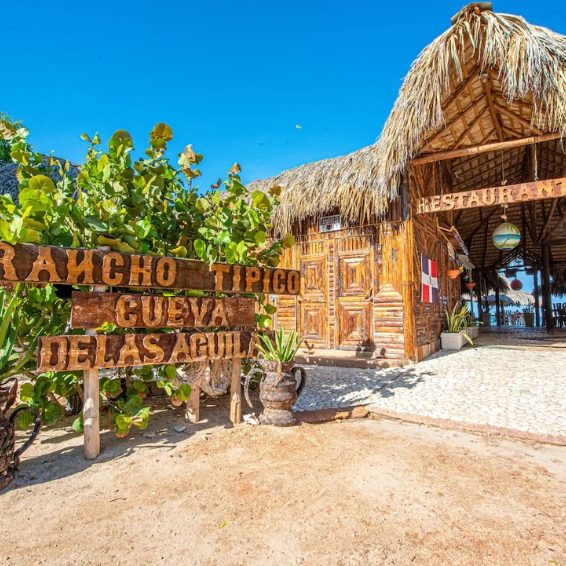
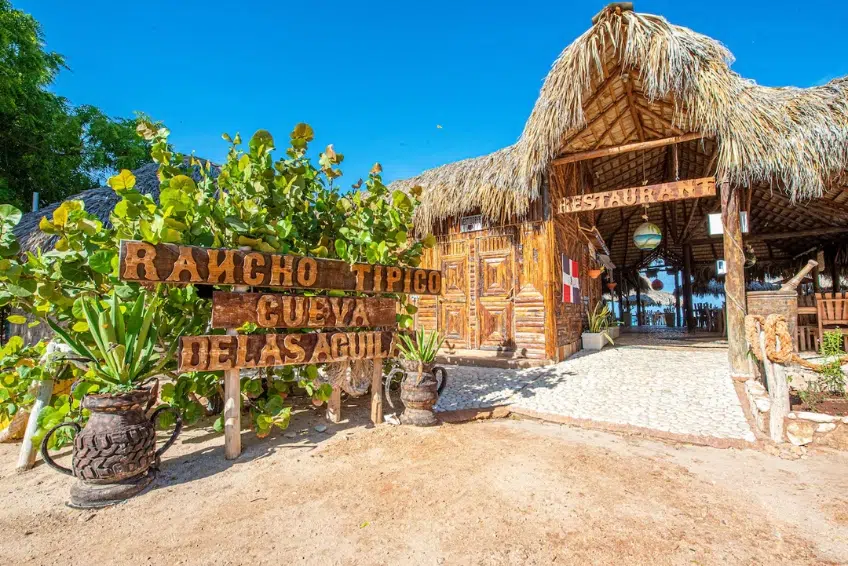
In La Cueva
Rancho Tipico Cueva de las Aguilas is the top-rated restaurant in Pedernales Province: a beachside spot serving fresh seafood at very reasonable prices. The mofongo is particularly good. The restaurant also arranges boat tours and offers tent accommodations ( around $35/night). The Glamping EcoLodge has its own restaurant and is a good base for arranging beach day packages (see above).
Regional dining across the area is extraordinarily affordable. Expect to pay under $10 per person for a full meal and under $3 for drinks.
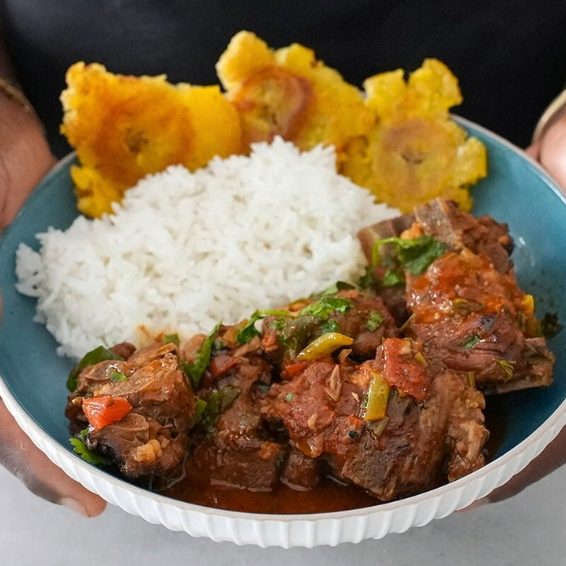

What to Order
Traditional dishes worth seeking out include mofongo (mashed plantains with garlic, often stuffed with seafood), pescado frito (whole fried fish, especially dorado or chillo), lambi (conch, prepared various ways), and chivo guisado (slow-cooked goat stew). For something quick, street vendors sell empanadas and yaniqueques (fried dough) for pocket change.
The comedores (small family-run eateries) scattered around town offer the most authentic flavors at the lowest prices. Point at what looks good, pay a few dollars, and eat like a local! Check out our Dominican Republic Food Guide for more.
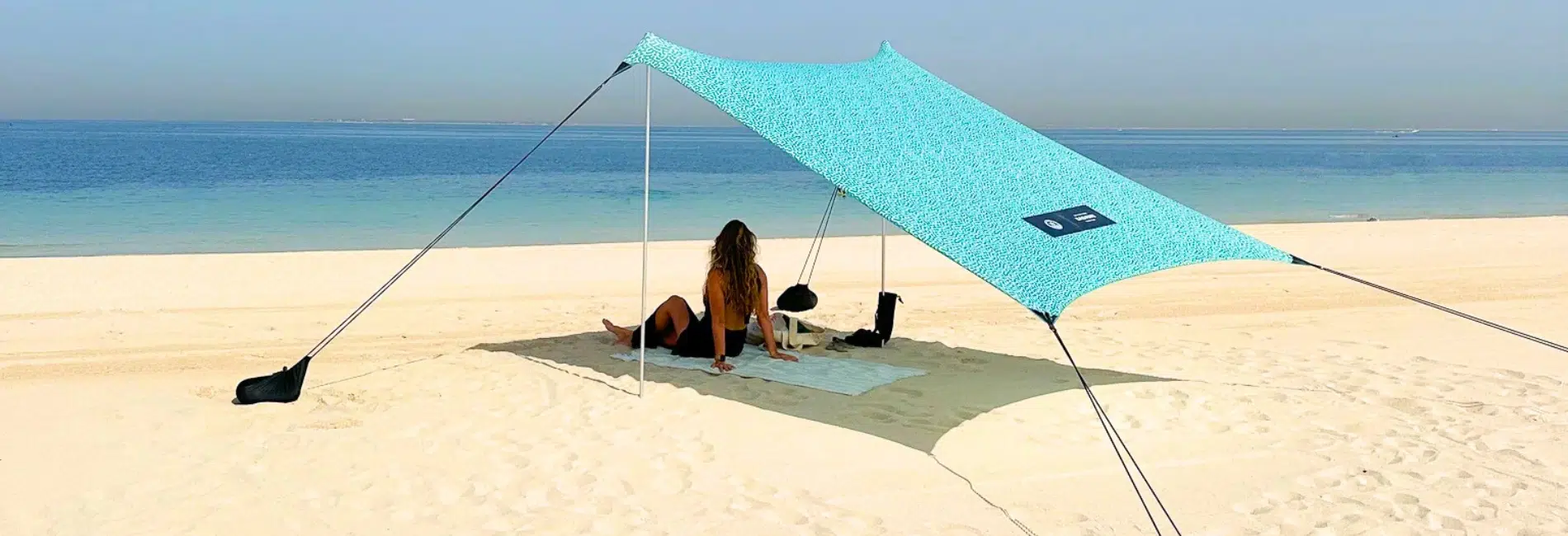

What to Pack
Bahia de las Aguilas has zero permanent infrastructure on the beach: no electricity, no food vendors, no shade structures, no fresh water, and (until recently) no bathrooms. New restrooms were built near the beach landing area circa 2025 in connection with cruise port development, but don’t count on anything beyond that. You must bring everything you need.
The Non-Negotiable Packing List
- Reef-safe/biodegradable sunscreen (This is required. Non-reef-safe varieties are not allowed in the national park)
- Beach umbrella or a portable shade shelter (natural shade is virtually nonexistent)
- At least 2 liters of water per person
- All food and snacks (unless you’ve arranged a beach lunch delivery through one of the La Cueva operators)
- Hat and towel
- Cash in Dominican pesos (no card readers exist anywhere nearby)
- Waterproof bag for electronics
- Trash bag to pack out everything you bring in
- Portable battery charger
- Water shoes (sea urchins dot the rocky areas if you venture that way)
Cell phone signal ranges from weak to nonexistent at the beach. Plan accordingly.
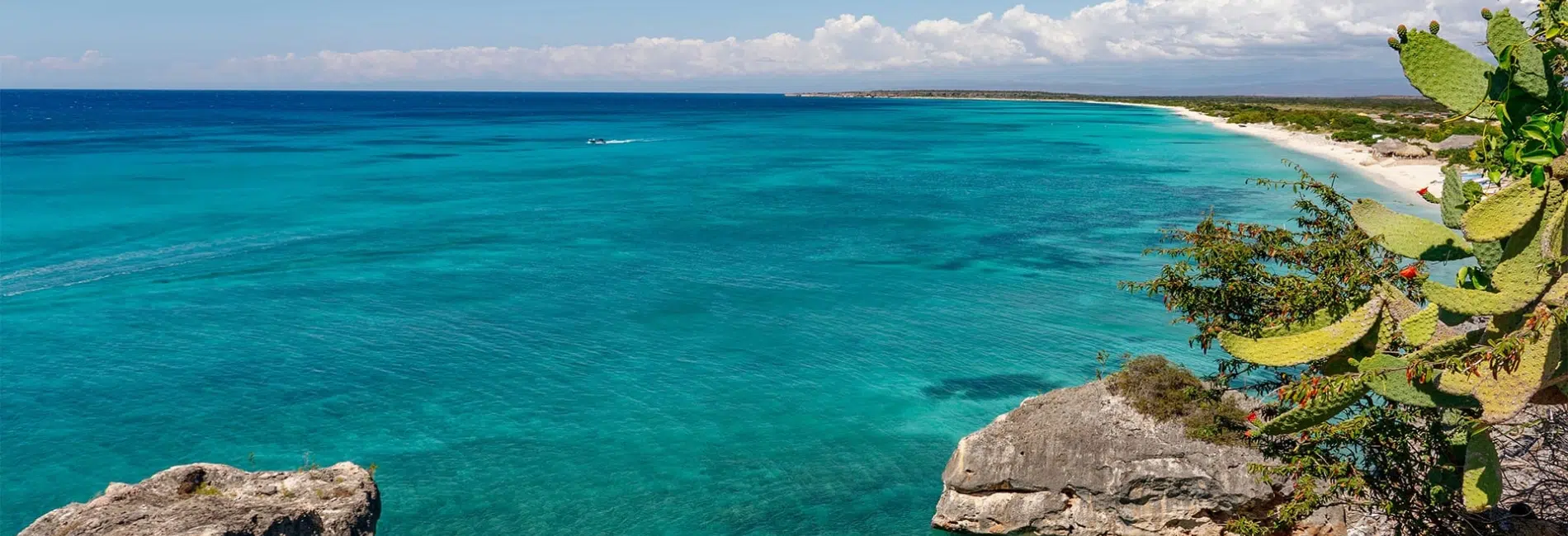
Best Time to Visit
Bahia de las Aguilas is wonderful to visit year-round, but the experience varies dramatically depending on when you go. The desert microclimate here means less rain than the rest of the DR, but it also means high levels of heat in the summer and virtually no shade to escape it. Here’s how the seasons break down.
Dry Season
December through April is the dry season and the clear winner for most visitors. Expect sunny skies, comfortable temperatures in the low 80s, and the most reliable conditions overall. This is peak season, so you’ll encounter slightly more visitors and higher prices at accommodations in Pedernales, but “crowded” at Bahia de las Aguilas still means sharing the sand with maybe 20 people instead of 5. Seas are calm, roads are in their best shape, and the risk of a rained-out beach day is minimal.
Shoulder Season
May – June and November make up the shoulder season, and for our money, this is the sweet spot. Rain risk increases slightly (mostly brief afternoon showers that blow through quickly), but the seas are actually calmer, the crowds thin out dramatically, and hotel availability improves. You get nearly the same weather as peak season with a fraction of the visitors. If you’re flexible on dates, shoulder season offers the best combination of solitude and pleasant conditions.
Rainy Season
July through October is the toughest window. This is the peak rainy season and the heart of hurricane season, and the desert microclimate around Cabo Rojo pushes daytime temperatures well past 100°F. Roads to La Cueva can deteriorate after heavy rain, boat rides get rougher, and the heat on an exposed beach with zero shade can become brutal without serious preparation. If you do visit during these months, go early in the morning and plan to be off the beach by midday.
Bahia de las Aguilas FAQ
Frequently Asked Questions
Is Bahia de las Aguilas worth the trip?
Bahia de las Aguilas is widely regarded as the most beautiful beach in the Dominican Republic and ranks #34 on the 2025 World’s 50 Best Beaches list, making it one of the highest-rated beaches in the Caribbean. The beach stretches around 8 kilometers of untouched powder-white sand inside Jaragua National Park, a UNESCO Man and the Biosphere Reserve, with exceptional water clarity and zero commercial development. Getting there requires effort: every visitor arrives by boat from the fishing village of La Cueva, there are no facilities on the sand, and the desert heat is extreme. A $2.2 billion resort development and an international airport targeting a mid-2026 opening are under construction nearby, meaning the window to experience it before mass tourism arrives is narrowing. For travelers willing to plan ahead, this is one of the last genuinely undiscovered world-class beaches in the Caribbean.
How do you get to Bahia de las Aguilas from the Cabo Rojo cruise port?
From Port Cabo Rojo, Bahia de las Aguilas is reached by a 25-minute drive to the fishing village of La Cueva, followed by a 15-20 minute motorboat ride along the coast of Jaragua National Park. Cruise passengers have three options: ship-sponsored excursions priced around $79-149+ per person, independent local operators such as Cocotours (TripAdvisor Hall of Fame, 30+ years in operation) or Larimar EcoTours (from $140+ per adult), or a fully DIY approach using a taxi to La Cueva for around $15-25 and hiring a local fishing boat for $40-60 round-trip. Independent operators are typically significantly cheaper than cruise line excursions and offer more time at the beach. All boat operators guarantee return before ship departure when booked in advance.
Our getting-there section breaks down every option with current pricing, operator recommendations, and the tips for avoiding overcharging at La Cueva.
How much does it cost to visit Bahia de las Aguilas?
Visiting Bahia de las Aguilas independently costs as little as $15-25 per person when splitting a boat. The Jaragua National Park entrance fee is RD$150 (around $3 USD) per person. A round-trip boat from La Cueva costs RD$2,000-3,175 ($35-60 USD) per boat for up to 5-6 passengers, depending on operator. Adding an optional beach lunch delivered by boat from La Cueva costs approximately $7-15 per plate. Organized day tours range from around $55 for a budget half-day to $500+ for a premium package from Punta Cana or Santo Domingo. All payments at La Cueva and on the beach are cash only in Dominican pesos; there are no card readers anywhere in the area.
Our pricing section identifies exactly which operators offer the best value and which ones to walk past at La Cueva.
Is there food or water at Bahia de las Aguilas?
There is no food, fresh water, electricity, or shade infrastructure at Bahia de las Aguilas. The beach sits inside Jaragua National Park with zero permanent vendors or facilities. Basic restrooms were added near the boat landing area around 2025, but every visitor must bring all food, water, and sun protection. In temperatures that can produce heat-stress conditions well over 100 degrees Fahrenheit, the recommended minimum is 2 liters of water per person. The practical workaround: operators at La Cueva including the Glamping EcoLodge Cueva de las Aguilas and Rancho Tipico can deliver a hot Dominican lunch (grilled fish, rice and beans, fried plantains) directly to your spot on the beach by boat for around $7-15 per plate, arranged the day before.
Our complete packing list covers every non-negotiable item, including the reef-safe sunscreen required inside the national park.
Can you snorkel at Bahia de las Aguilas?
Snorkeling at Bahia de las Aguilas is exceptional due to the enforced fishing ban inside Jaragua National Park, which has produced some of the healthiest reef systems remaining in the Caribbean. Common sightings include parrotfish, angelfish, groupers, spiny lobster, queen conch, cushion sea stars, and hawksbill sea turtles (most likely March through August during nesting season). The best snorkeling is at the rocky limestone cliff formations at the eastern and western ends of the beach, not the sandy center. Snorkel gear rental at La Cueva is unreliable; bringing your own or booking a tour that includes equipment is strongly recommended. Buceo Pedernales, the only professional dive and snorkel operation in the Pedernales region, offers guided reef trips with quality gear.
Our snorkeling section pinpoints the exact reef locations, lists what you will see by season, and explains the Buceo Pedernales booking process.
What is the best time of year to visit Bahia de las Aguilas?
December through April is the best time to visit Bahia de las Aguilas, offering the most reliable beach conditions: dry skies, temperatures in the low-80s Fahrenheit, calm Caribbean Sea, and the lowest risk of heat-related problems. May through June and November are strong shoulder months with thinner crowds and similar weather. July through October brings peak heat, rougher seas, and hurricane season, making the fully exposed desert beach difficult without very early morning visits. A key year-round advantage: Bahia de las Aguilas faces south-southwest toward the Caribbean rather than east toward the Atlantic, which means it sees significantly less sargassum seaweed than beaches like Punta Cana, Bavaro, and Macao. Even in record sargassum years like 2025, the Pedernales coast is far less affected than the Dominican Republic’s east coast.
Our seasonal breakdown compares every month with flamingo counts at nearby Laguna de Oviedo, sargassum risk, and crowd levels to help you pick the exact right window.
Does Bahia de las Aguilas have sargassum seaweed?
Bahia de las Aguilas has significantly less sargassum seaweed than most Dominican Republic beaches because it faces south-southwest toward the Caribbean Sea rather than east toward the Atlantic Ocean. The Atlantic-driven sargassum blooms that affect Punta Cana, Bavaro, and the eastern Dominican Republic coast from spring through fall do not follow the same trajectory to the Pedernales southwest coast. In most years the water at Bahia de las Aguilas stays clear year-round. In record bloom years such as 2025, when the Caribbean saw historically high sargassum volumes, isolated incursions on the south coast are possible but far less frequent and severe than on the Atlantic-facing east coast. Water clarity at Bahia de las Aguilas is consistently among the best in the Dominican Republic.
Our beach comparison section does a detailed head-to-head of Bahia de las Aguilas versus Punta Cana, Saona Island, and Playa Rincon across water quality, crowds, accessibility, and cost.
How long is the boat ride to Bahia de las Aguilas?
The boat ride from La Cueva to Bahia de las Aguilas takes 15-20 minutes each way. Boats are small open fishing-style motorboats called lanchas, carrying 6-8 passengers plus a captain. The route weaves through dramatic coastal limestone cliff formations and boulder fields along the edge of Jaragua National Park, making the ride itself a highlight of the visit. Life jackets are mandatory and provided. There is no dock at either end; passengers wade through shallow water to board and disembark. Boats operate approximately 8:30 AM to 5:30 PM. Passengers agree on a return pickup time with the captain before being dropped off. The last pickup of the day, when the beach empties and the light turns golden, is widely considered the best time to be there.
Our boat pricing guide covers the difference between Glamping EcoLodge rates, Rancho Tipico rates, and independent fishermen, and how to avoid being overcharged.
Can you drive to Bahia de las Aguilas?
Bahia de las Aguilas can technically be reached by driving a dirt road over the hill from La Cueva, but the boat is the right choice for almost all visitors. The road was recently improved and most vehicles can manage it carefully, though steep sections still favor a 4×4. From the parking area, a 5-kilometer hike across fully exposed desert terrain with zero shade and temperatures producing extreme heat-stress conditions is required to reach the sand. The boat from La Cueva takes 15-20 minutes, costs $35-60 round-trip per boat, and passes through some of the most dramatic coastal scenery in the Dominican Republic. The drive and hike option is only practical for well-prepared early-morning hikers carrying serious water supplies.
Our getting-there section covers every access route with current road conditions, vehicle recommendations, and the honest case for why almost everyone should take the boat.
Is Bahia de las Aguilas better than Punta Cana?
Bahia de las Aguilas and Punta Cana are different types of destination serving different travelers. Bahia de las Aguilas offers around 8 kilometers of undeveloped wilderness beach inside Jaragua National Park, no sargassum seaweed, exceptional water clarity, and complete solitude, but requires planning to reach, has no resort infrastructure, and no direct international airport as of 2026. Punta Cana offers direct international flights, all-inclusive resorts, and maximum convenience, but water quality is significantly affected by Atlantic sargassum from spring through fall and the beach experience is heavily commercialized. On raw beach quality, Bahia de las Aguilas is superior. On accessibility and ease, Punta Cana is superior. The right choice depends entirely on what kind of traveler you are.
Our beach comparison section scores Bahia de las Aguilas against Punta Cana, Saona Island, and Playa Rincon across six criteria to help you decide which fits your trip.
What cruise lines stop at Cabo Rojo?
As of 2026, six major cruise lines call at Port Cabo Rojo in the Dominican Republic: Norwegian Cruise Line, Royal Caribbean, Holland America Line, MSC Cruises, Costa Cruises, and Azamara. Port Cabo Rojo opened January 4, 2024, and handled 176,690 passengers across 42 operations in 2025, surpassing Samana and Santo Domingo to become the Dominican Republic’s third-busiest cruise port by arrivals. The primary shore excursion destination from all six cruise lines is Bahia de las Aguilas, located 25 minutes by road from the port and a 15-20 minute boat ride from La Cueva. Both ship-sponsored and independent excursions are available, with independent operators typically offering lower prices and longer beach time.
Our cruise port guide covers the full 2026 sailing schedule, an honest review of the port facilities, and a side-by-side comparison of every excursion option available.
Are there hotels near Bahia de las Aguilas?
Current accommodation near Bahia de las Aguilas is limited to glamping tents and basic lodges at La Cueva, including the Glamping EcoLodge Cueva de las Aguilas (around $66-195 per night depending on tent type, breakfast included), and budget guesthouses in Pedernales town approximately 20-25 kilometers away. The $2.2 billion Pro-Pedernales Trust development is bringing major international brands including Iberostar, Hyatt (Secrets and Dreams), Hilton, and Marriott to the Cabo Rojo coastline. Iberostar Cabo Rojo (588 rooms) is the furthest along, with a 2027 target opening. The Dominican government is officially targeting a mid-2026 opening for Cabo Rojo International Airport, a 3.1 km runway capable of handling Boeing 777 aircraft. Visiting before this infrastructure is operational means experiencing the destination in its raw, pre-resort state.
Our where to stay guide covers every current accommodation option with honest reviews, plus the full hotel development timeline with confirmed brands and opening targets.
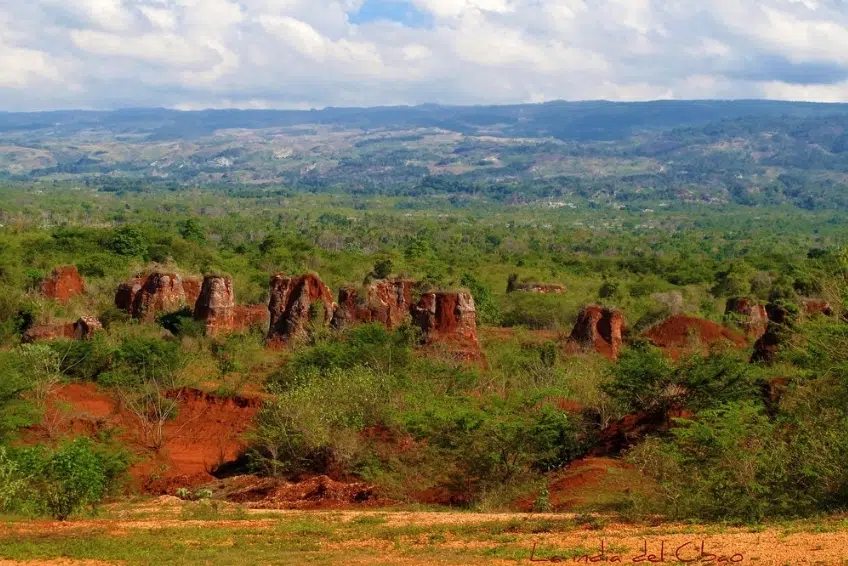
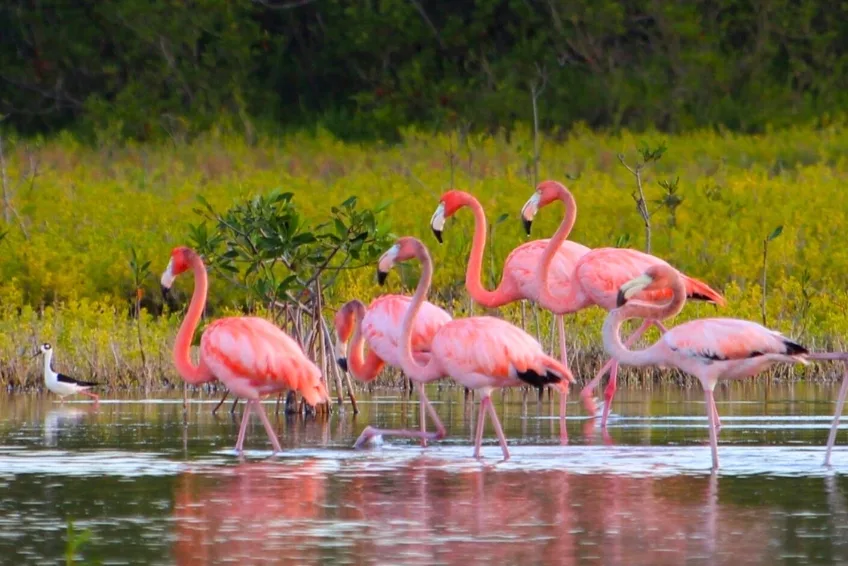
Deep in the mountains of southwest Dominican Republic, Hoyo de Pelempito is a geological depression so vast that clouds gather inside it. Over 700 meters deep, ringed by walls that rise to 1,800 meters, and sheltering 13 endemic bird species: this is the Caribbean's most dramatic natural wonder.
Port Cabo Rojo is one of the Caribbean's newest and most remote cruise stops, and the shore excursion decision looks very different here than at busier ports. This guide covers everything: what your cruise line offers, how to visit Bahia de las Aguilas independently, and how to make the most of your port day.
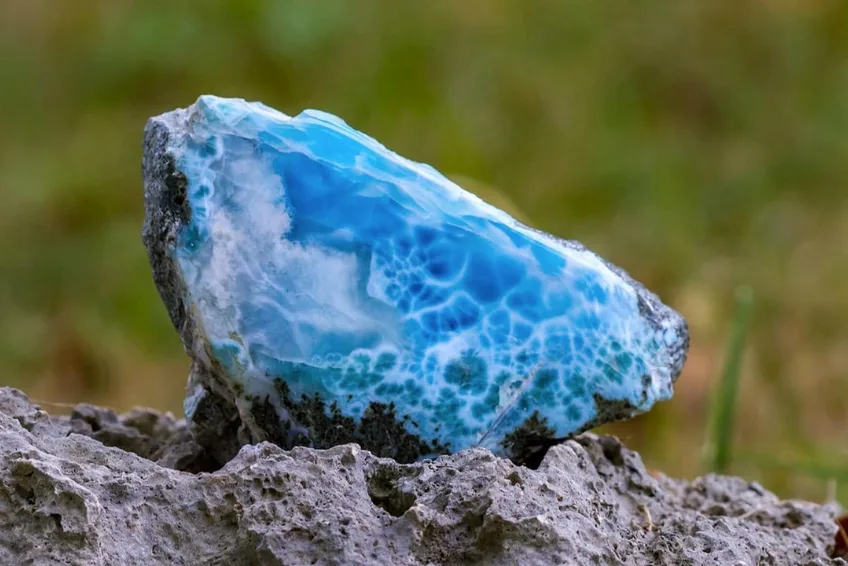
Larimar is a rare blue gemstone found in only one place on Earth. A single mountainside in the Dominican Republic's southwest, within reach of Cabo Rojo. Here's what it is, why it only exists here, how to buy the real thing, and how to visit the mine yourself.
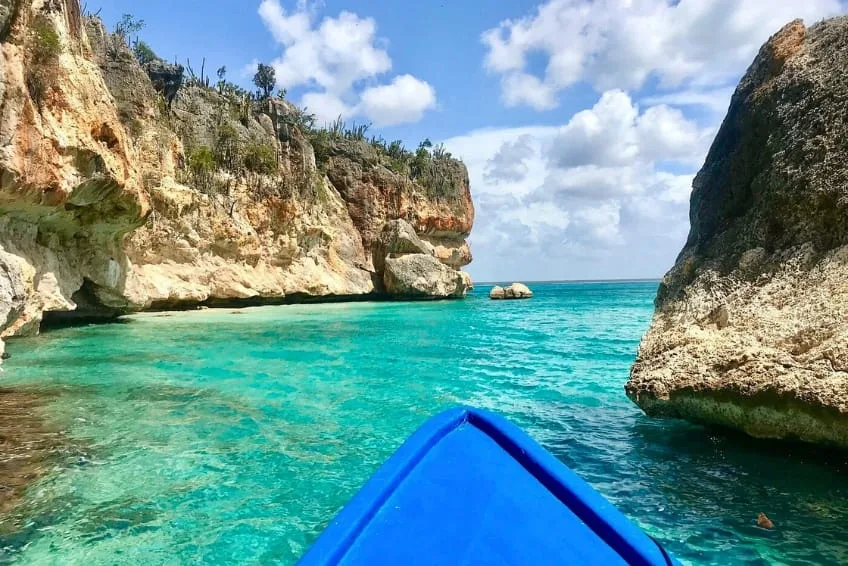
Cabo Rojo sits on the remote southwest coast of the Dominican Republic, home to Bahia de las Aguilas, an 8-kilometer pristine beach routinely ranked among the Caribbean's most beautiful. A $2.2 billion development is transforming the region, but right now you can still experience something rare. A world-class destination before the crowds arrive.
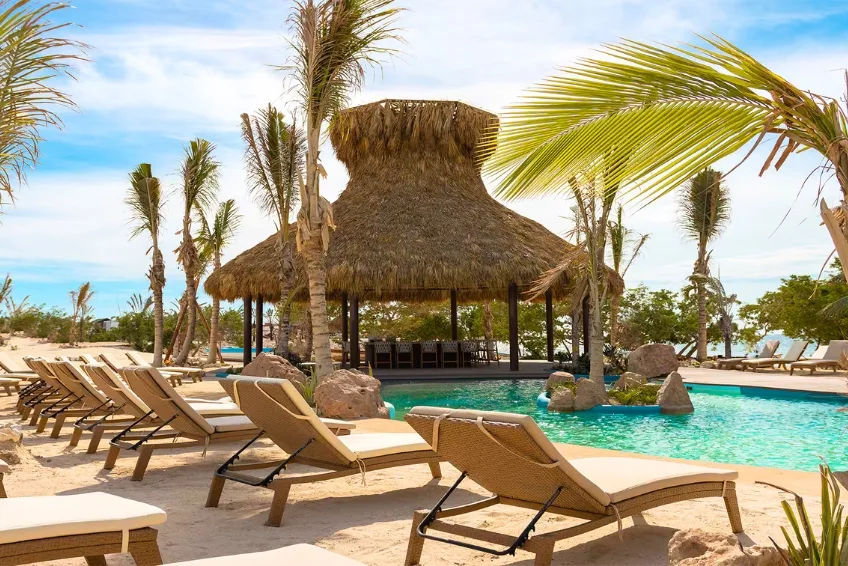
Baby Beach at Port Cabo Rojo is a capacity-controlled beach club with an unlimited open bar, sandy Caribbean swimming, kayaks, and a freshwater pool. But is it worth the price? This guide covers exactly what's included, what it costs, who should book it, and how to get the most out of your day.
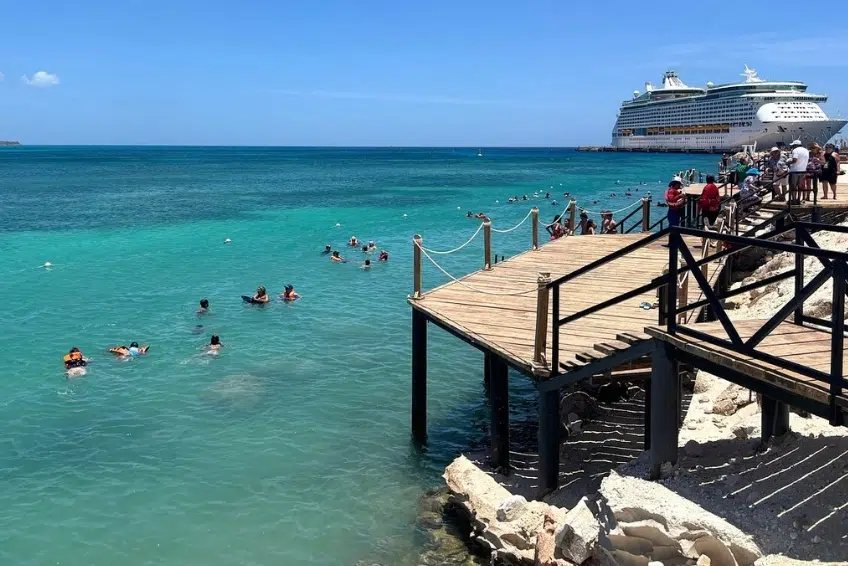
Port Cabo Rojo opened in 2024 on the remote southwest coast of the Dominican Republic, and what surrounds it is extraordinary. Bahia de las Aguilas, one of the world's great beaches, is a short boat ride away. This guide covers everything you need for your port day.
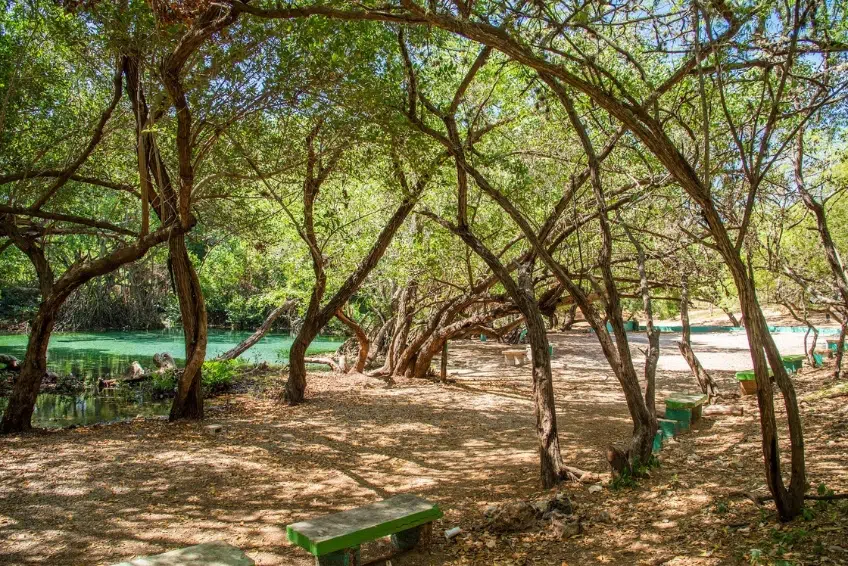
Jaragua National Park is the largest protected area in the Caribbean, home to Bahia de las Aguilas, thousands of flamingos at Laguna de Oviedo, and wildlife found nowhere else on Earth. This guide covers how to get there, 10 things to do, tour options and pricing, where to eat and stay in Pedernales, what to pack, and the best time to visit.
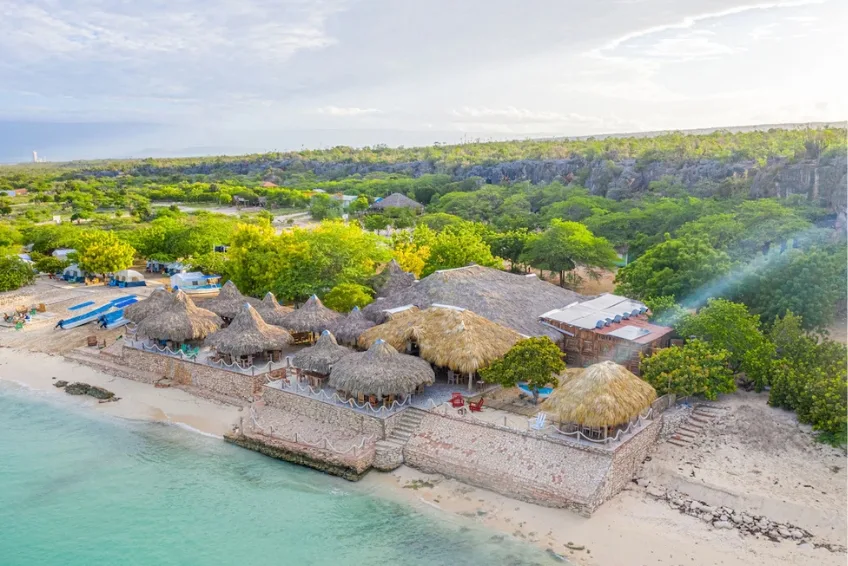
Pedernales has no chain hotels, no resort buffets, and no swim-up bars. What it does have is the best beach in the Caribbean, a handful of genuinely great family-run guesthouses, and a $2.2 billion resort development that's about to change everything. Here's where to stay right now.
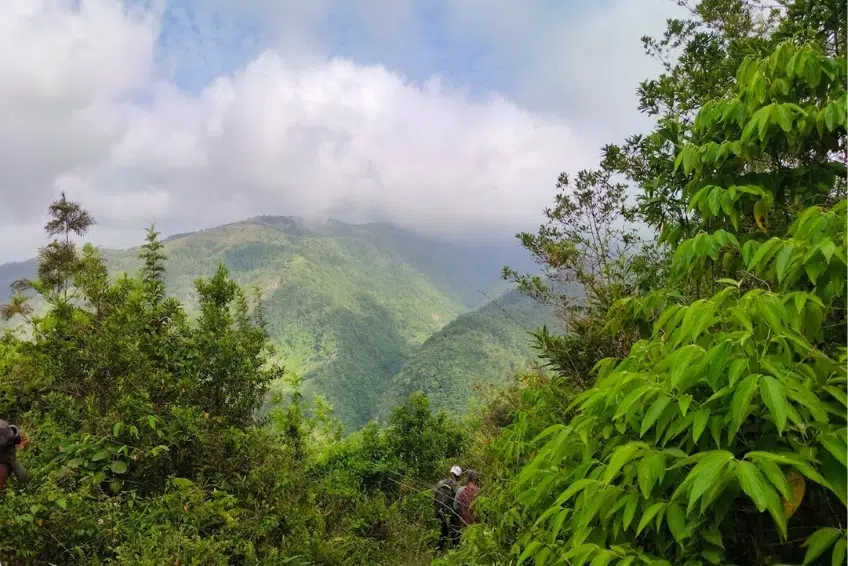
The Caribbean's most biodiverse mountain range, Sierra de Bahoruco National Park shelters 30 of Hispaniola's endemic bird species, ancient cloud forests, and wildlife found nowhere else on Earth. This complete guide covers how to get there, what to do, where to stay, and everything else you need to plan your visit.
Share This Post
Comments (1)
Comments are closed.
[…] bahia de las aguilas […]