
Pedernales Visitors Guide
 Daniel Mode
Daniel Mode
Daniel Mode Vanessa Howard
Vanessa Howard
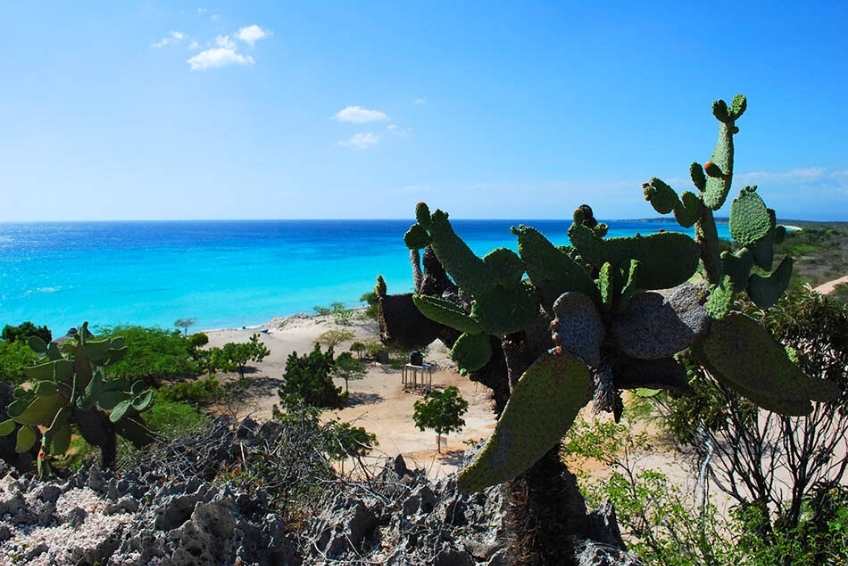
Vanessa HowardThe town of Pedernales is often considered the gateway to Bahia de las Aguilas, the #1 wild beach in the Dominican Republic. Yet most visitors blow right through this small border town without giving it a second look. That’s a mistake. Sitting in a desert microclimate of giant cacti and arid scrubland that feels more like Baja California than the Caribbean, Pedernales is the base camp for some of the most spectacular and least-visited natural attractions in the entire country: a 700-meter geological sinkhole, a flamingo-filled lagoon, world-class birding in cloud forests, and the only larimar mines on Earth. It’s also a genuinely fascinating border town where Dominican and Haitian cultures blend in ways you won’t find at any resort.
But the clock is ticking. A $2.2 billion mega-resort development is under construction at nearby Cabo Rojo, a cruise port opened in January 2024, and an international airport is expected to be operational by late 2026. This guide covers everything you need to know to experience Pedernales while it’s still the DR’s wildest frontier.
This article contains affiliate links. If you click on our links, we may earn a small commission at no extra cost to you. This helps us continue to offer free travel guides, but does not influence our recommendations in any way. Thanks for supporting independent travel content.
Contents
Where Is Pedernales?
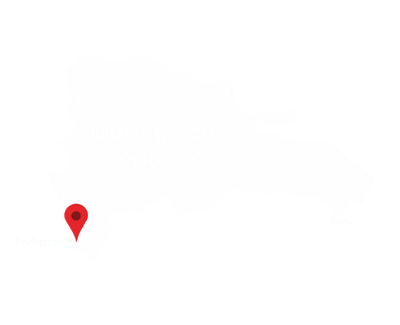
Pedernales sits on the extreme southwestern tip of the Dominican Republic in the Cabo Rojo area, serving as the capital of Pedernales Province, the country’s least densely populated province. The town lies directly on the Dominican-Haitian border, separated from the Haitian town of Anse-a-Pitres by the Pedernales River. It faces south toward the Caribbean Sea in a region so dry and cactus-covered that first-time visitors routinely say it looks nothing like the DR they expected.
The nearest mid-sized city is Barahona, about 84 miles and 2+ hours to the northeast. Santo Domingo is roughly 205 miles away, a 4.5-5 hour drive on roads that range from excellent to terrifying (more on that below). The town sits at sea level on the coast, flanked by two massive protected areas: Jaragua National Park (the largest marine-terrestrial park in the Caribbean) to the south and east, and Sierra de Bahoruco National Park (rising over 2,000 meters) to the north.
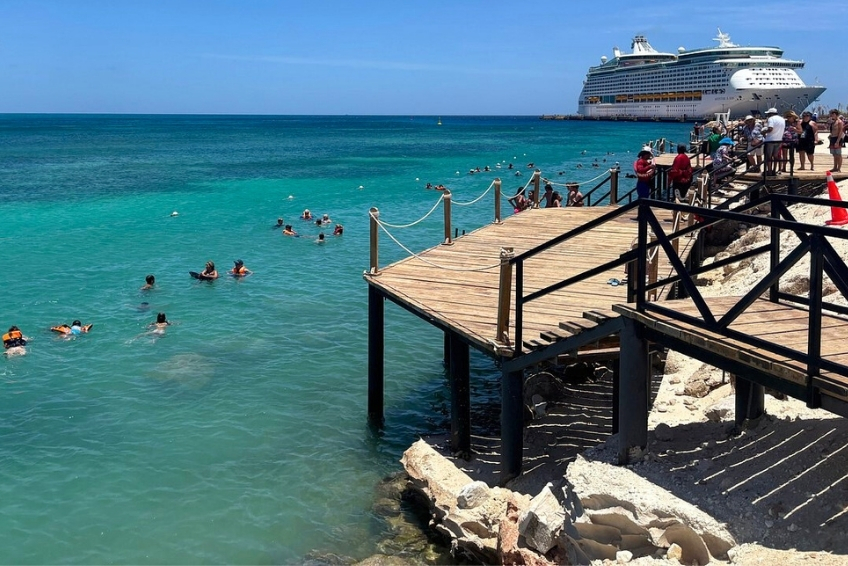
How to Get to Pedernales
If you’re not arriving on a cruise ship, getting to Pedernales requires more effort than most Caribbean destinations. That’s part of what keeps it special! There’s no direct international flight (yet), no tourist shuttle from Punta Cana, and no highway that qualifies as easy driving. Every route involves some combination of long hours, questionable roads, and the kind of logistical planning that filters out casual tourists. The payoff is arriving somewhere that still feels genuinely undiscovered.
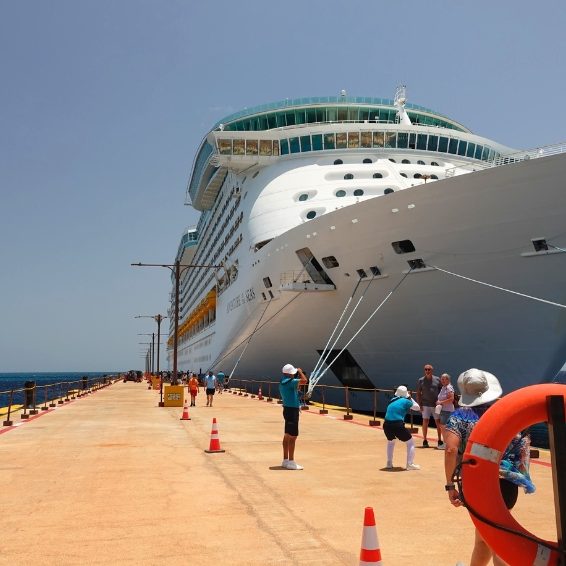

From the Cabo Rojo Cruise Port
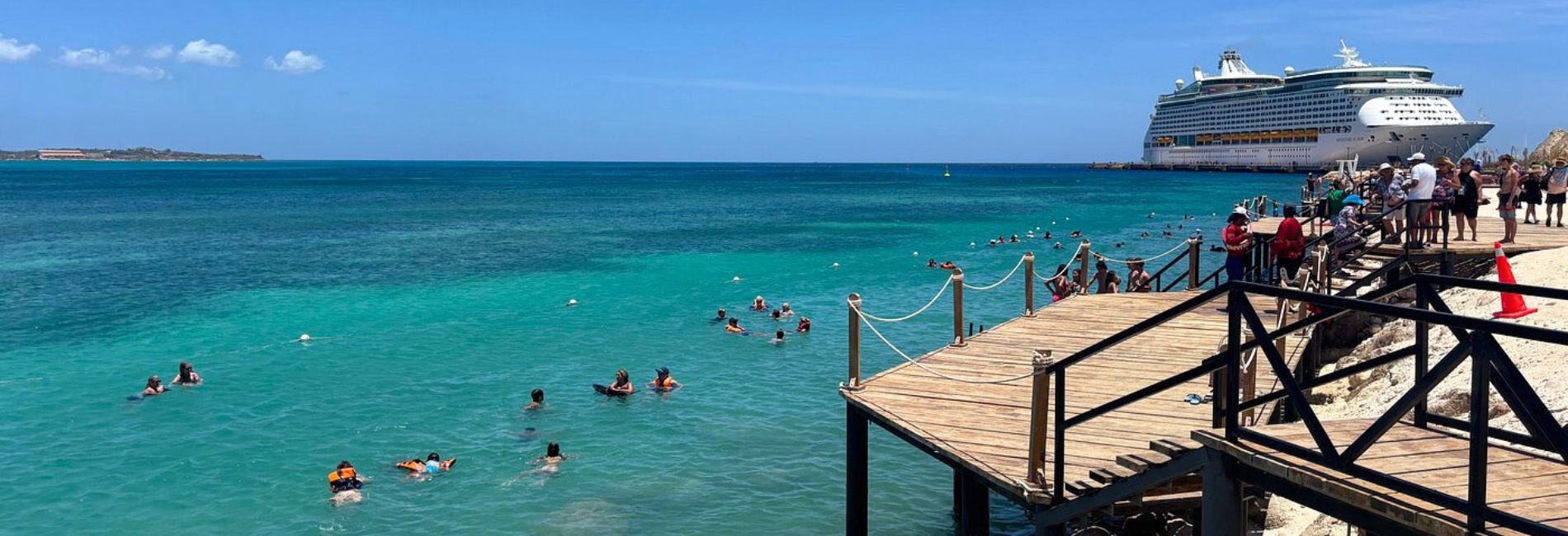
With the Port of Cabo Rojo now operational, cruise ships are bringing a growing number of visitors to this corner of the DR. Pedernales town is about 20 km from the port, a roughly 25-30 minute drive. A free shuttle bus runs between the cruise port and Pedernales town on ship days, which is your easiest and cheapest option. Taxis are also available outside the port gates for approximately $15-25 USD (negotiate the price before getting in).
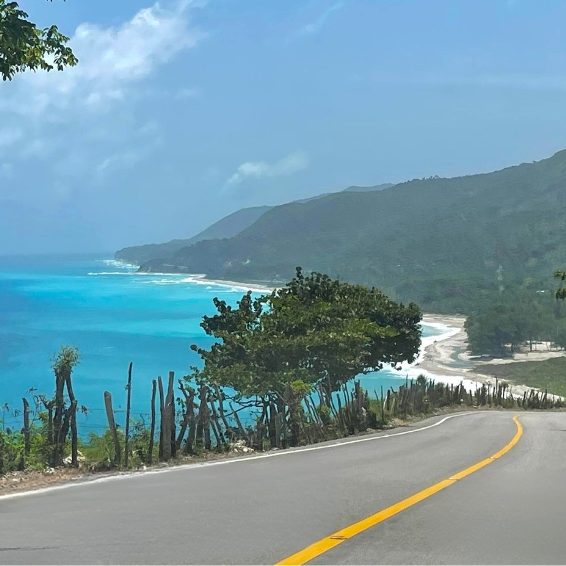
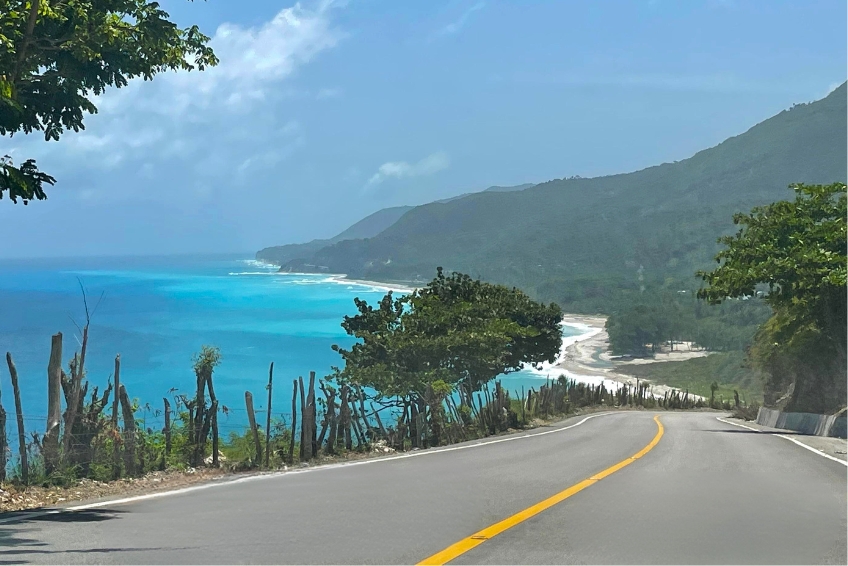
Driving from Santo Domingo (4.5-5 Hours)
The standard route follows DR-2 west from Santo Domingo through San Cristobal, Bani, and Azua (recently expanded to four lanes and in good shape), then turns south on DR-44 to Barahona. So far, so easy. From Barahona, things get interesting.
The Barahona-Enriquillo Coastal Highway is one of the most “spectacular” drives in the Caribbean. A winding cliffside road that hugs the mountains above the sea for 47 km through Paraiso and San Rafael. It is also one of the most dangerous. The road is narrow, prone to landslides, and drops off sheer cliffs with minimal guardrails.
Drive only during daylight hours. Watch for livestock on the road (this is not a joke! Cows and goats wander freely). Verify current conditions before departing, especially during rainy season. An SUV or 4×4 is strongly recommended for the full trip, and essential if you plan to explore attractions like Hoyo de Pelempito. Fill your tank in Barahona, as gas stations are scarce beyond that point, and the last reliable one before Pedernales is in Enriquillo.


Bus and Public Transport
Caribe Tours operates four daily buses from Santo Domingo to Barahona (departures at approximately 6:15 AM, 9:15 AM, 1:45 PM, and 5:15 PM). The trip is around 3.5 hours and costs around $4-8 USD. Service terminates in Barahona, so there’s no direct Caribe Tours route to Pedernales. From Barahona, you’ll need to arrange a local guagua (minibus) or taxi for the remaining 2 hours. A private taxi from Barahona to Pedernales runs approximately $40-50 USD (negotiate before getting in).
ASODUMIPE (Empresa de Transporte Pedernales) runs direct guagua (minibus) service between Santo Domingo and Pedernales from Avenida Teniente Amado Garcia, operating 6:00 AM-3:00 PM daily. This is a basic minibus rather than a luxury coach, but it gets the job done, and it’s cheap. Expect the ride to take 5-6 hours with stops.


Private Transfers
If you’d rather skip the bus logistics and arrive in comfort, private transfer services will pick you up at any Dominican airport, hotel, or Airbnb and drive you directly to your accommodation in Pedernales in an air-conditioned vehicle.
Cocotours (30+ years in business, multiple tourism awards) is the most established operator, with bilingual drivers, vehicles ranging from sedans to 55-seat buses, and service from Santo Domingo, Punta Cana, or any other Dominican airport. They also handle cruise port transfers at Cabo Rojo. Larimar EcoTours offers group transfers from Santo Domingo to Pedernales for up to 15 people, with airport or hotel pickup. Several other services, including Dominican Shuttles and Dominican Airport Transfers, also cover the route.
Expect to pay roughly $250-350+ USD for a private vehicle from Santo Domingo to Pedernales, depending on vehicle size and operator. That’s steep for solo travelers, but split among a group of 4-6, it becomes very reasonable and saves you hours of logistical headaches. Book at least a few days in advance, especially during peak season.


The New Airport (Coming Soon)
The Cabo Rojo International Airport is under construction with a 3.1 km runway capable of handling Boeing 777 aircraft. Originally targeted for late 2025, the opening has been pushed to late 2026. Once operational, the airport is designed to eventually handle up to 1 million passengers annually as the surrounding resort development matures, which would make it the DR’s third-busiest airport.
About The Town
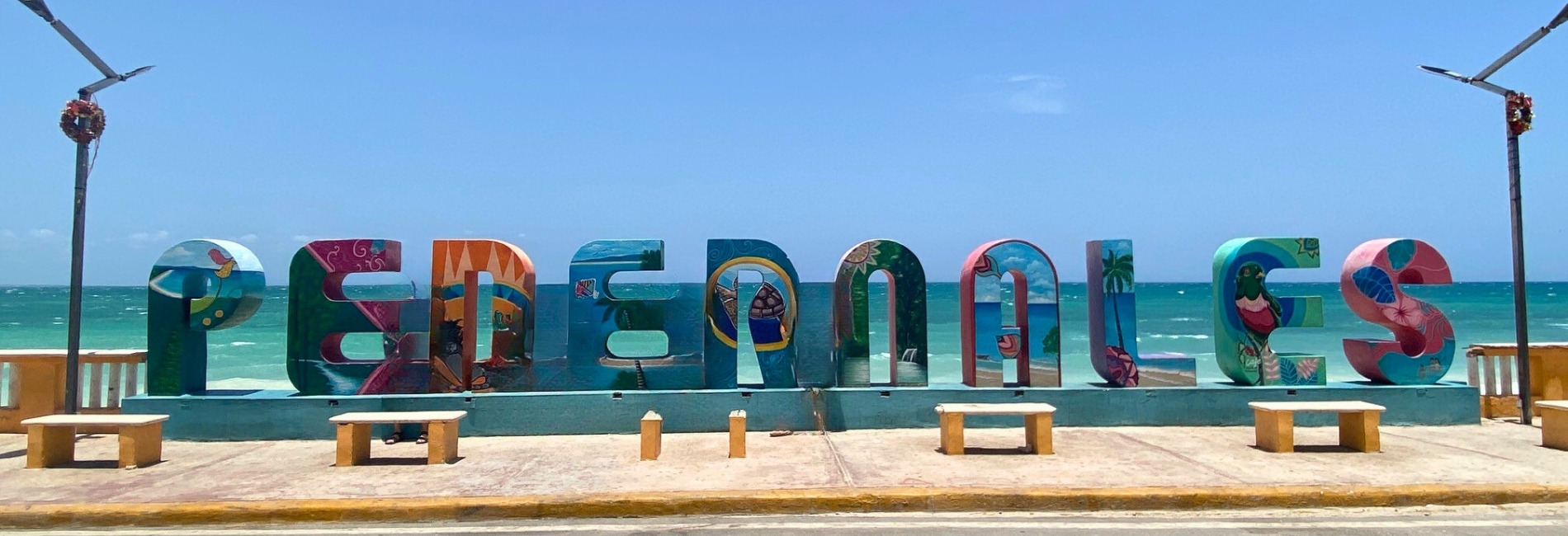
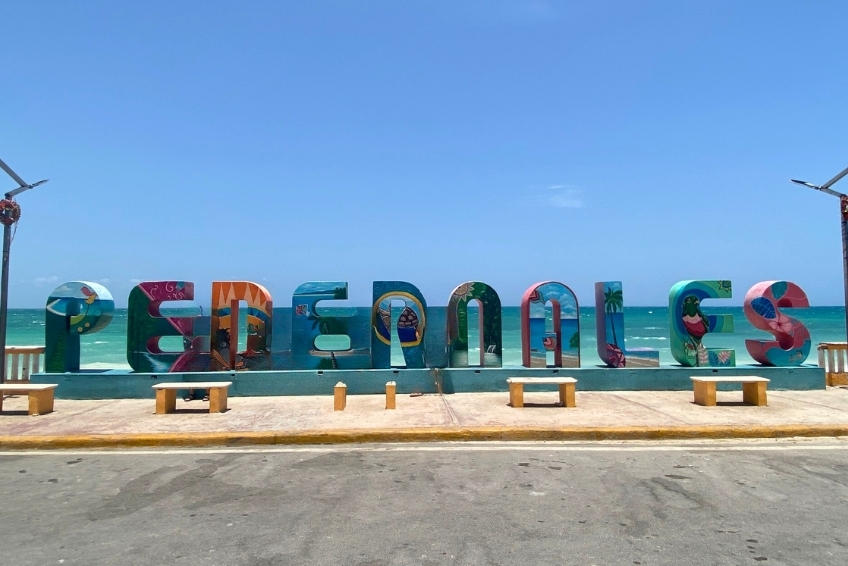
Pedernales is not a resort destination, and it doesn’t pretend to be. It’s a small, quiet, dusty border settlement that happens to sit in one of the most ecologically rich corners of the Caribbean. Here’s what to expect when you arrive!
A Border Town, Not a Beach Town
Let’s set the scene. Pedernales is a frontier town with a population of roughly 13,000, where about a third of provincial residents are of Haitian origin, the highest ratio in the entire country. If you’re expecting the colonial plazas of Santo Domingo or the beachfront cocktail bars of Punta Cana, recalibrate now. When we first rolled in, we were greeted by a hot, dusty street corner and a swarm of motorcycle taxi drivers. But that’s just one side of Pedernales.
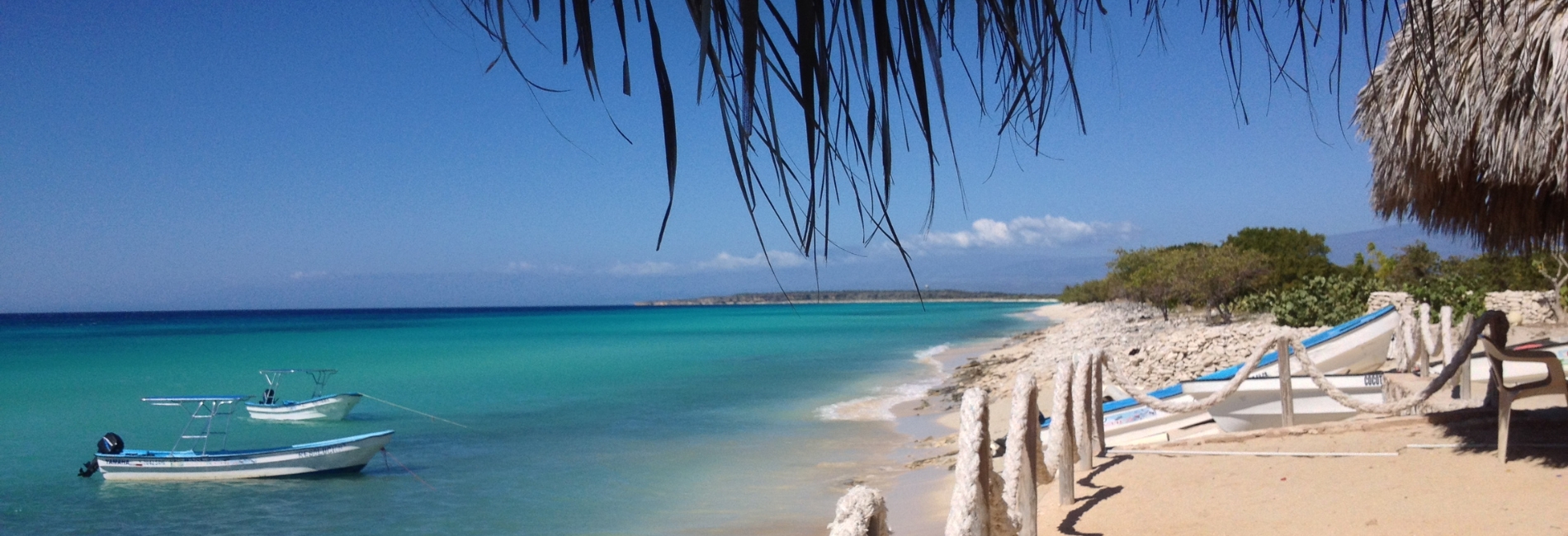
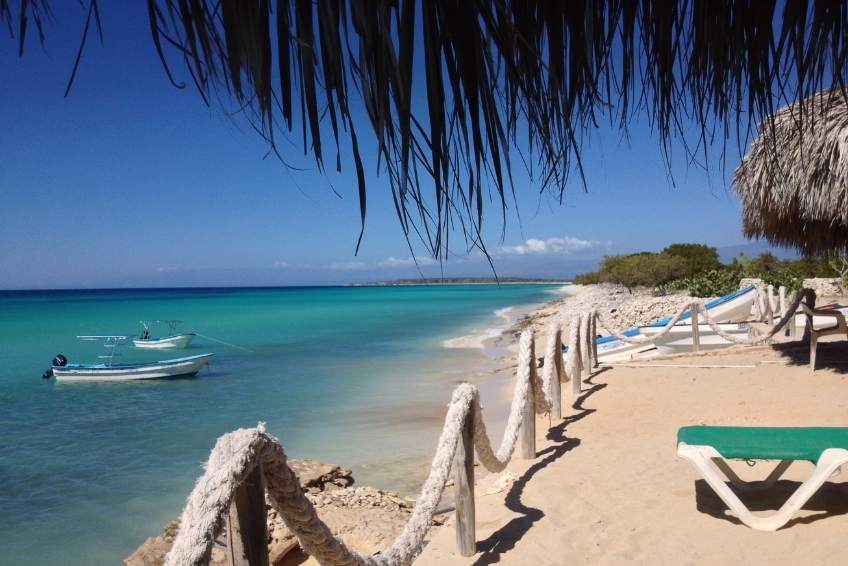
The town has its charms, including a small malecon (boardwalk) where locals gather at sunset to drink Presidente beer and play dominoes. A central square anchors a few stores, bars, and restaurants and can come alive with local traditional dancers and tables of vendors selling larimar jewelry and other crafts. Playa Pedernales, walkable from most lodgings, is a gorgeous, nearly empty stretch of sand with clear water and spectacular sunsets that most tourists never discover. The overall vibe is authentically Dominican-Haitian, a cultural blending you simply won’t find at any all-inclusive.

The Haitian Border and Binational Market
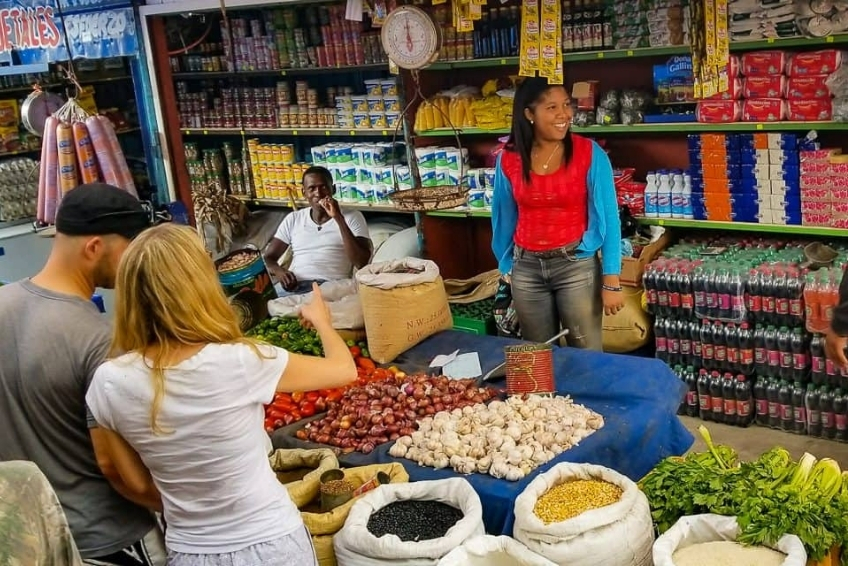
Pedernales is one of four official Dominican-Haitian land crossings and the least frequented. The crossing to Anse-a-Pitres is monitored by CESFRONT (Specialized Corps in Land Border Security). The physical border consists of a rock-filled road descending into a dry riverbed and a narrow concrete footbridge. It’s not exactly a tourist attraction, but it’s a fascinating glimpse into border life.
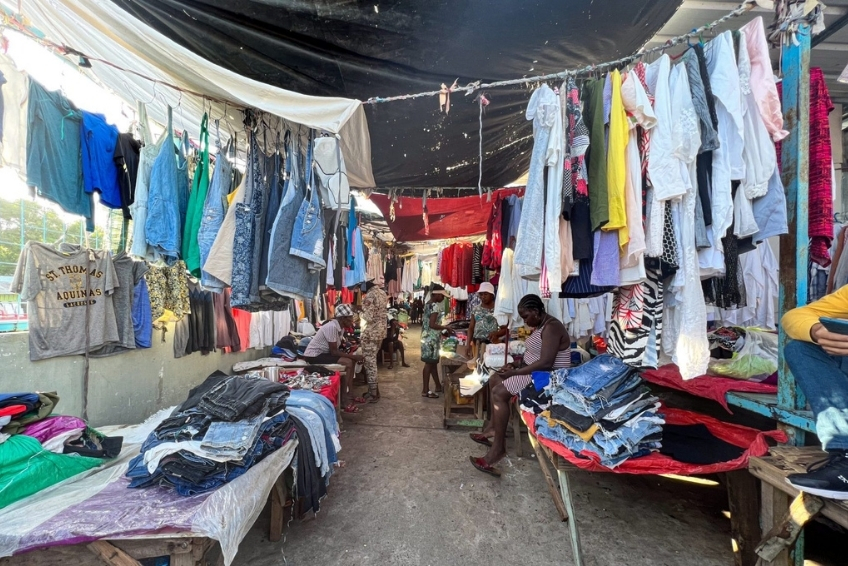
The binational market operates on Mondays and Fridays and is the economic heartbeat of the region. Thousands of Haitian and Dominican traders converge in an open field near the border gate to trade vegetables, secondhand clothing, electronics, and agricultural products. On market days, Haitians cross without passports but are restricted to the market area. It’s chaotic, vibrant, and one of the most culturally fascinating experiences in the DR. Carry your passport at all times as CESFRONT conducts regular patrols and document checks throughout town.


Infrastructure Reality Check
Now for the stuff that will actually affect your trip. ATM access is unreliable. There’s one bank branch in town whose ATM has been known to run out of cash over weekends. Withdraw sufficient Dominican pesos in Barahona or Santo Domingo before arriving. Credit cards are rarely accepted at any establishment in Pedernales. This is a cash economy from top to bottom.
Cell coverage from Claro (the strongest provider in the area) offers 4G/LTE in town, but can drop to 2G or disappear entirely on approach roads and at many attractions. WiFi exists at some hotels, but it is slow and unreliable. Download offline maps (Google Maps or Maps.me) before arriving.
Electricity runs at 110V (same as US/Canada), but power outages are frequent. Hotels may or may not have generators. Water from taps is not safe to drink anywhere in the DR. Stick to bottled water and skip the ice in drinks at smaller establishments. There are no major pharmacies, outdoor gear shops, or well-stocked stores, so bring everything you’ll need from Santo Domingo or Barahona.


Safety and Medical Care
Pedernales is generally considered safe for tourists. The community-oriented nature of a small town where everyone knows each other works in your favor. We walked around at night without any issues, and the vibe is genuinely relaxed. That said, the U.S. State Department advises caution within 10 km of the border, and the remote setting means help is far away if problems arise. Exercise standard precautions. Avoid flashing valuables, carry photocopies of your passport, and stay aware of your surroundings, particularly on market days when activity surges. A Spanish phrasebook or offline translation app is close to essential, because English is rarely spoken outside the cruise port area.
Hospital Provincial Dr. Elio Fiallo on Calle Gregorio Luperon was recently renovated with a RD$71 million investment and now offers emergency care, 33 hospitalization beds, X-ray, sonography, laboratory, and surgical capabilities. It treats foreign tourists and works with international medical insurance. For serious emergencies, however, patients require transfer to Barahona (2 hours) or Santo Domingo (5 hours). Travel medical evacuation insurance is strongly recommended for any trip to Pedernales.
Things To Do In Pedernales
Here’s where Pedernales punches way above its weight. This remote border town sits at the center of arguably the most diverse concentration of natural attractions in the Caribbean, all within a 90-minute radius. A world-class beach, a 700-meter geological sinkhole, a flamingo lagoon, cloud forest birding, underwater reefs, and a binational border market. You could easily fill a week here without repeating yourself. Most of these require some advance planning, so read on and start making a list.
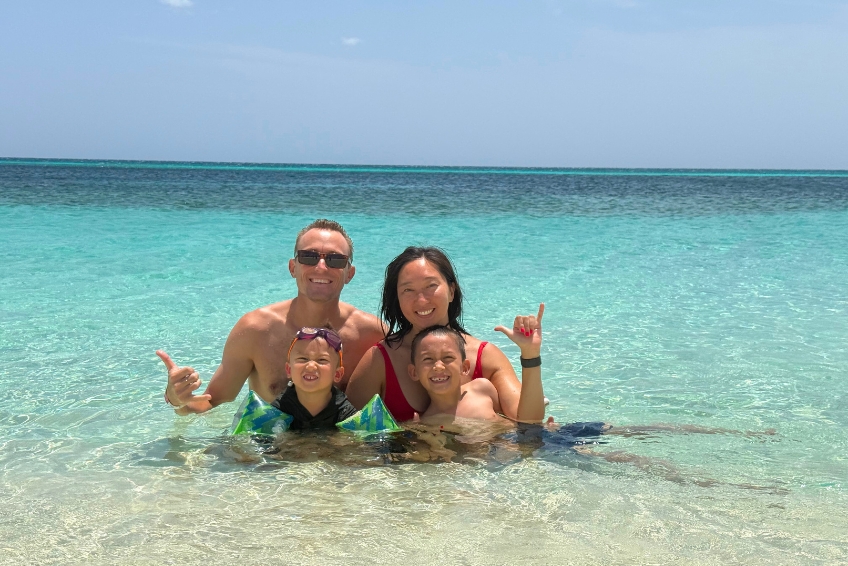
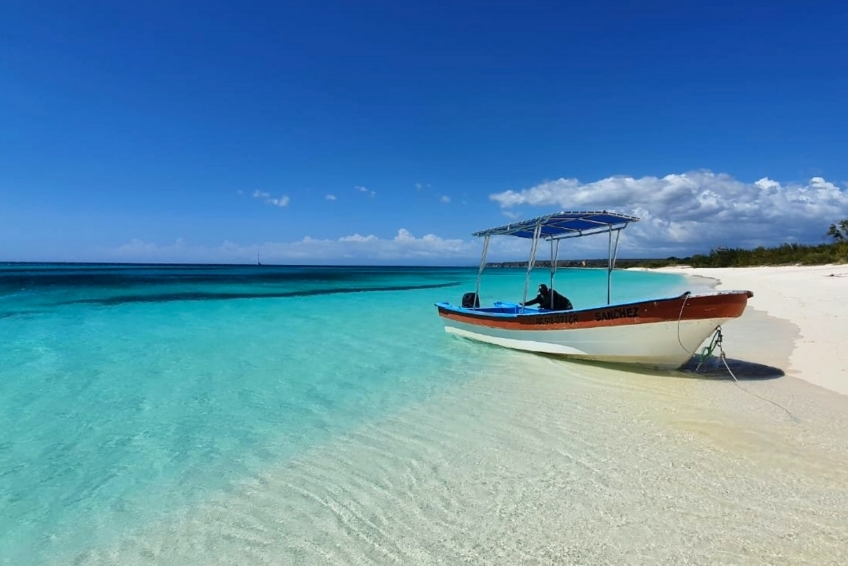
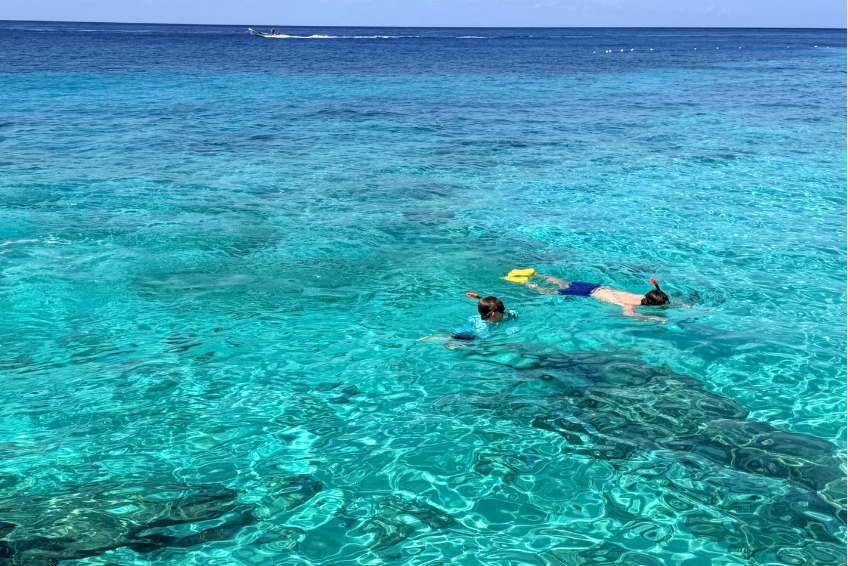
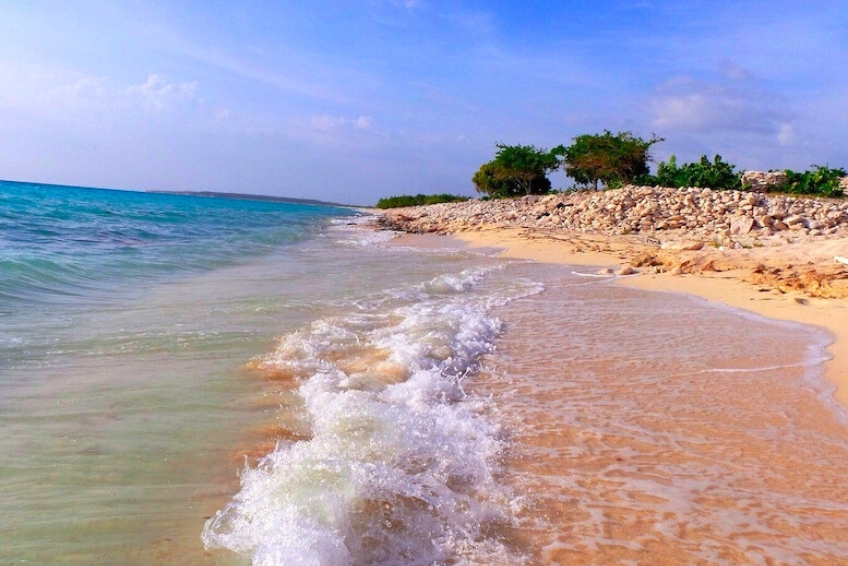
click to see more images
1. Bahia de las Aguilas
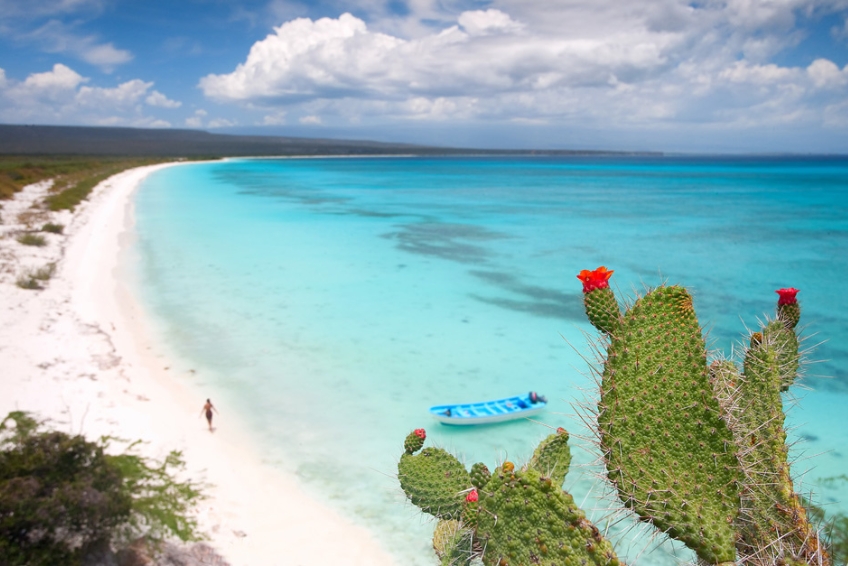
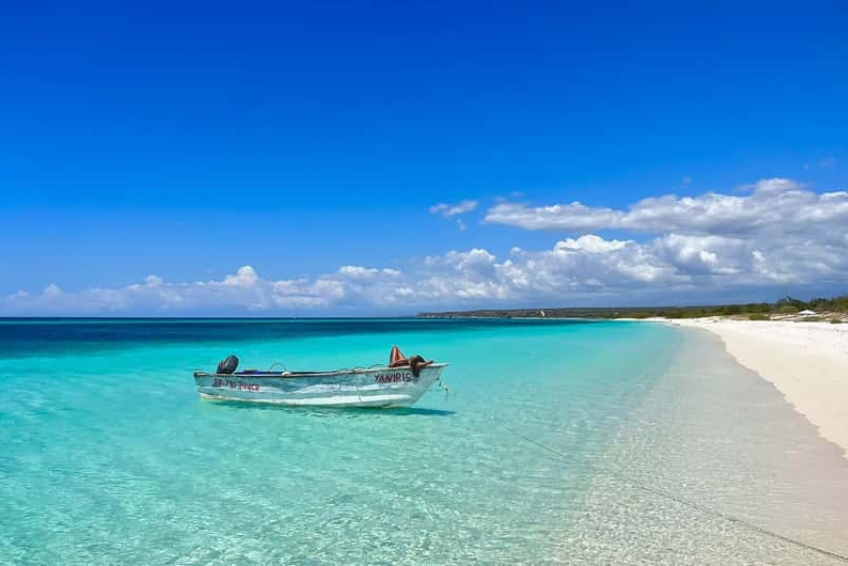
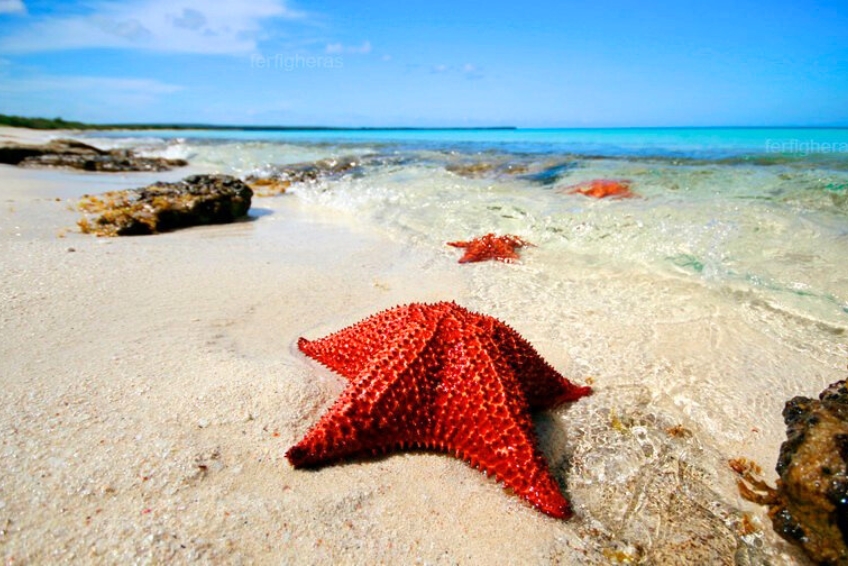
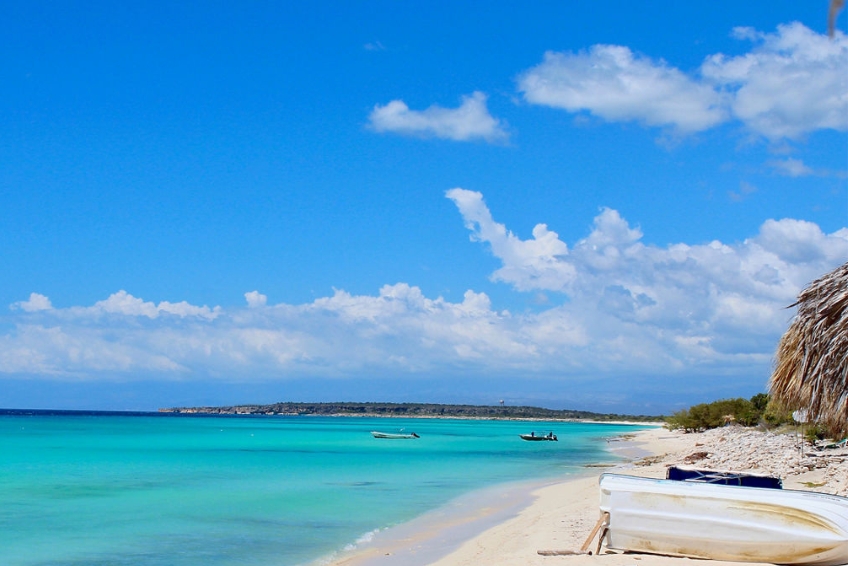
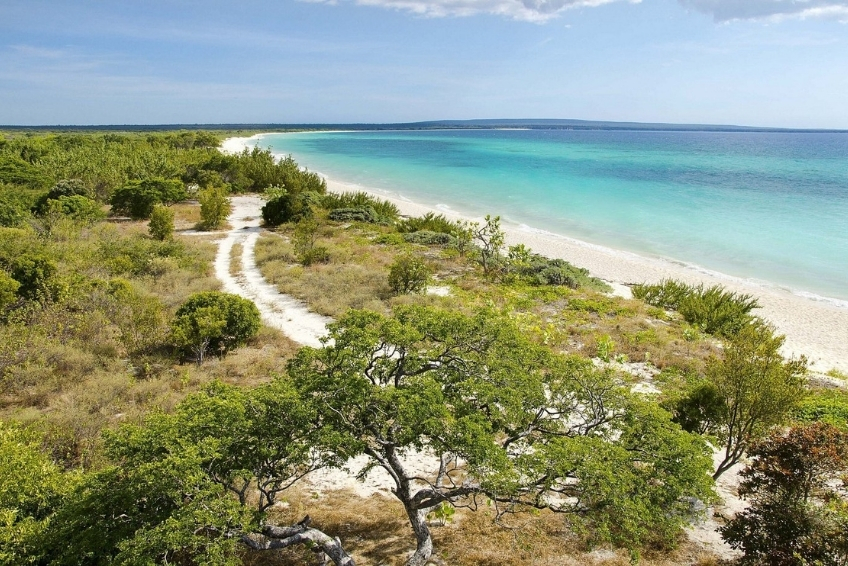
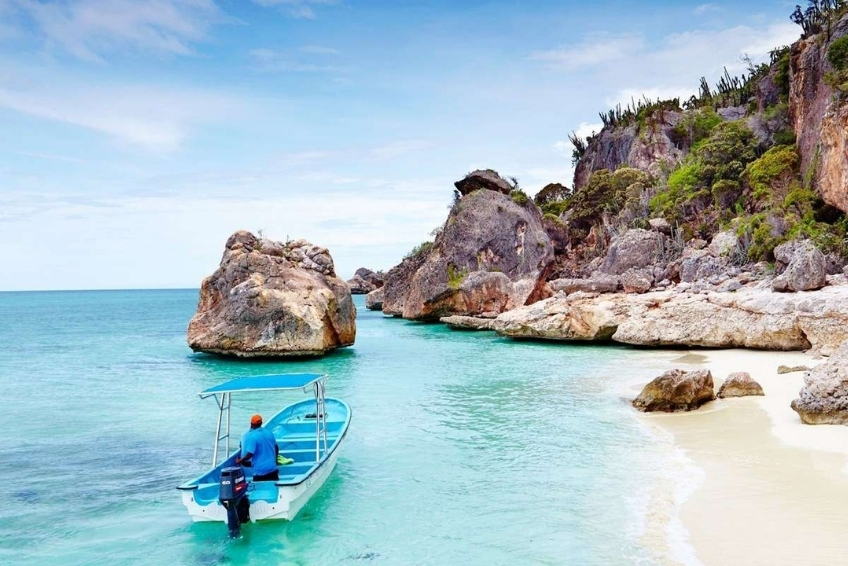
The reason most people come to Pedernales, and rightfully so. 8 kilometers of pristine white sand with crystal-clear turquoise water, zero development, and virtually no people, all inside Jaragua National Park. It’s ranked among the best beaches in the world, and we don’t think that’s an exaggeration.
The beach is accessed by boat from La Cueva, about 20 km from Pedernales town. There is absolutely no infrastructure on the beach (no shade, no restrooms, no vendors), so you’ll need to bring everything with you. Plan for a full day.
We’ve written an entire guide on this one. Check out our complete Bahia de las Aguilas Visitors Guide for boat pricing, how to get there, what to bring, snorkeling spots, photography tips, cruise ship logistics, and everything else you need to know.
Get out on the water with this highly rated, luxury Catamaran Cruise to Bahia de las Aguilas that includes snorkeling. Or enjoy a Glamping Experince on Bahia de la Aguilas.
Check out this Bahia de las Aguilas 2 Day All Inclusive Beach Paradise Tour or this Bahia de las Aguilas Full Day Private Tour With Lunch and Open Bar Tour.

click to see more images
2. Hoyo de Pelempito
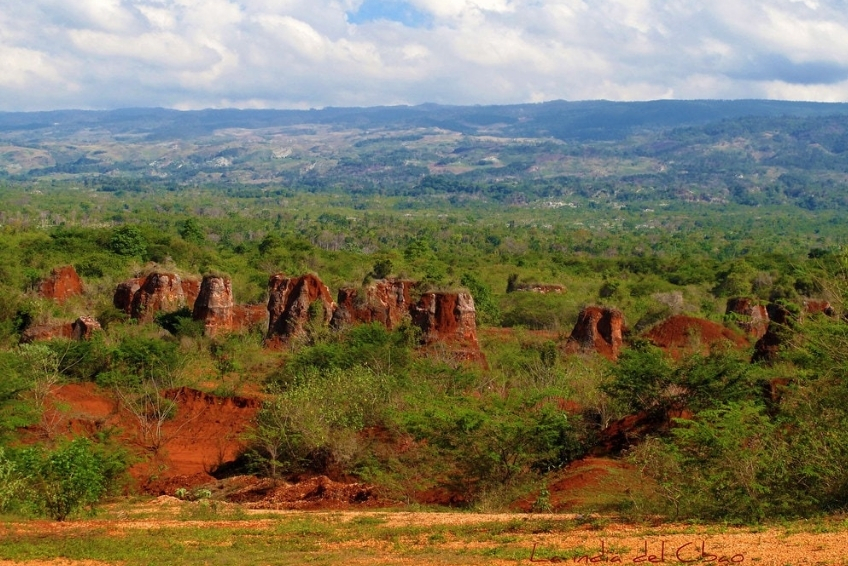
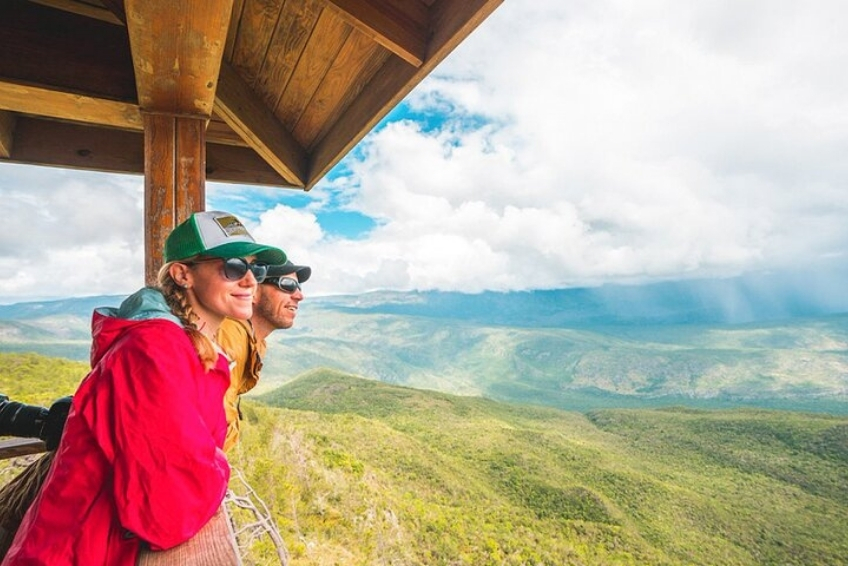
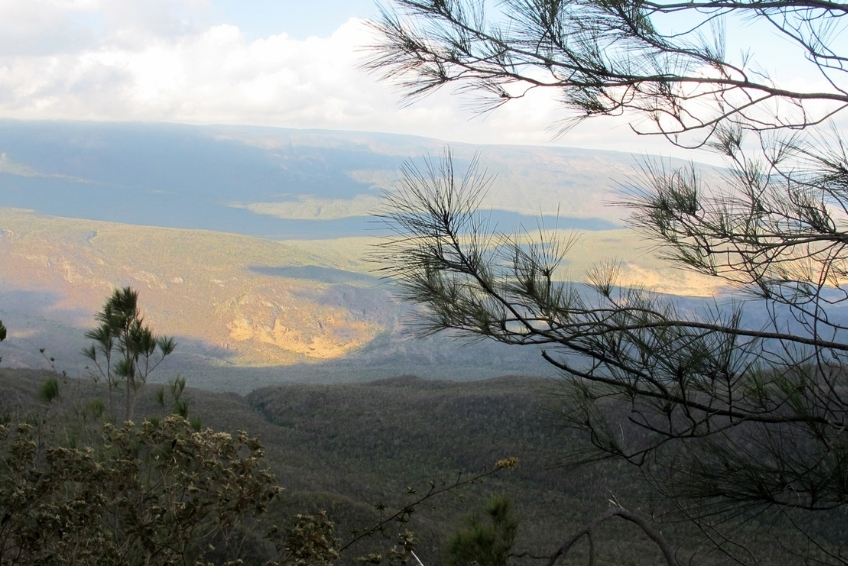
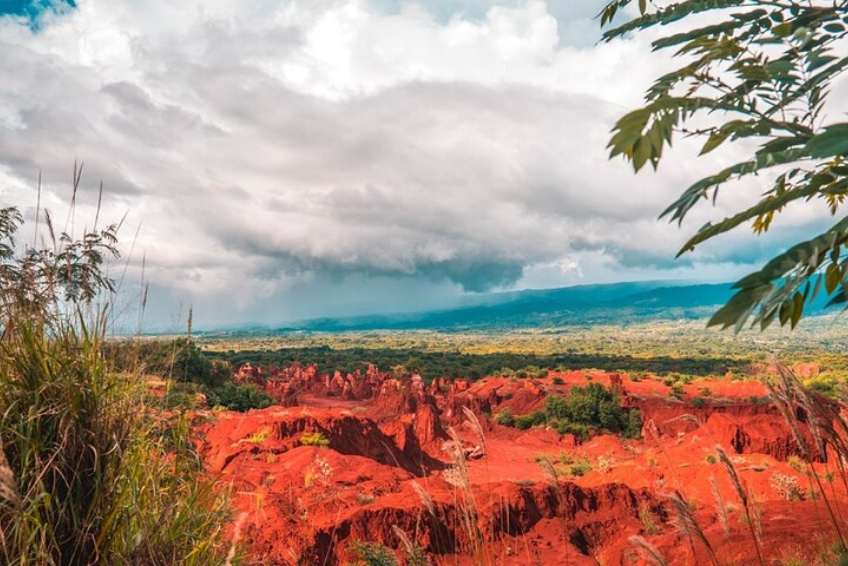
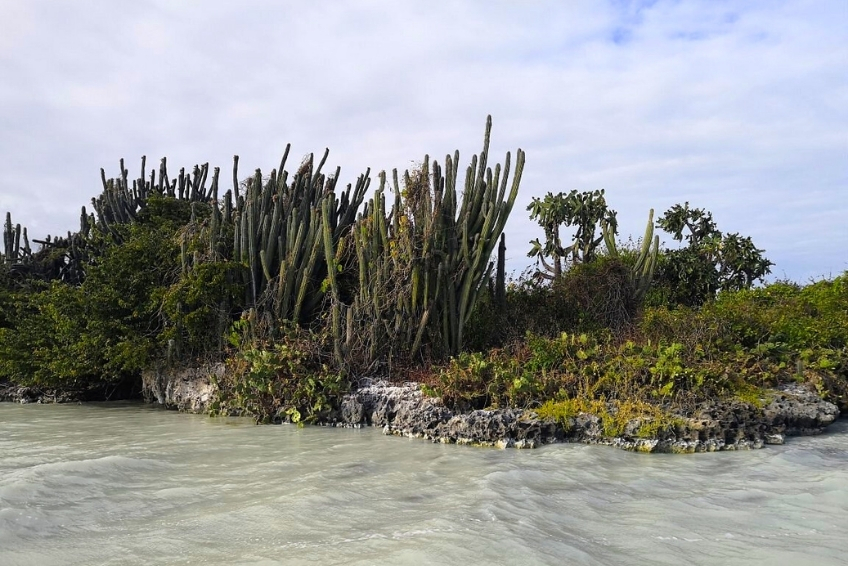
A 700-meter-deep geological depression that feels like standing at the edge of the Grand Canyon’s little Caribbean cousin. You view it from an observation deck at approximately 1,200 meters elevation, with panoramic views stretching all the way to the coastline and Bahia de las Aguilas glimmering in the distance. It’s one of the most dramatic landscapes in the Dominican Republic, and most tourists have never heard of it.
The highway turnoff lies about 12 km east of Pedernales, but the viewpoint itself is roughly 30 km from town. From the ranger station, 16 km of paved road gives way to 7 km of rough dirt track that absolutely requires a 4×4. Don’t attempt this in a sedan. You’ll regret it within the first kilometer. The drive itself is half the experience, passing through four distinct vegetation zones, from desert cacti at the base to pine forest at the summit. The wind at the overlook can be fierce enough to make you grab the railing, and the temperature drops noticeably from the sweltering coast.
Allow 2-3 hours roundtrip from Pedernales. There is no formal entrance fee, though a small parking charge (RD$100) may apply. Best visited at sunrise or sunset for photography. Larimar EcoTours includes Hoyo de Pelempito in several of their combo excursions.
We’ve written an entire guide on this one. Check out our complete Hoyo de Pelempito Visitors Guide for how to get there, what to expect on the road, wildlife, cruise ship logistics, what to pack, and everything else you need to plan your visit.
Check out this adventure tour as you explore Hoyo de Pelempito, Bahia de la Aguilas, and other Cabo Rojo hidden gems.
click to see more images
3. Laguna de Oviedo
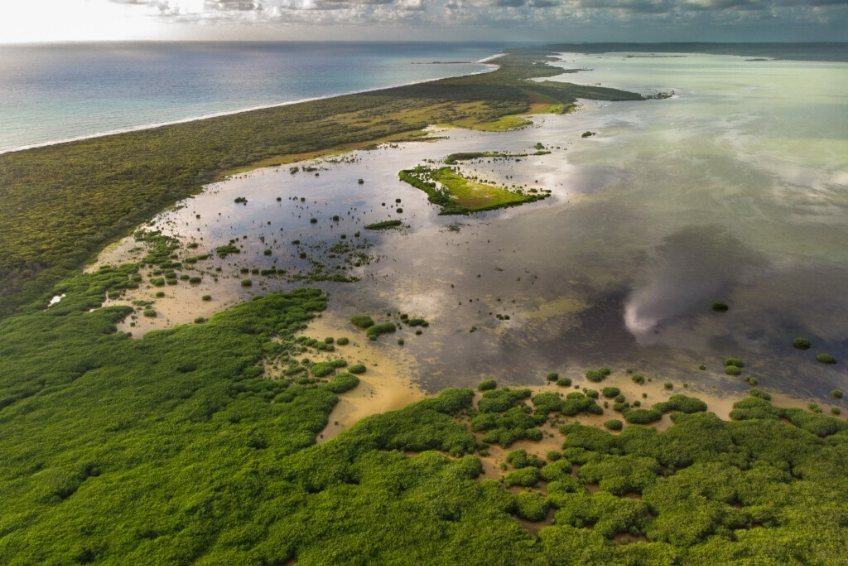
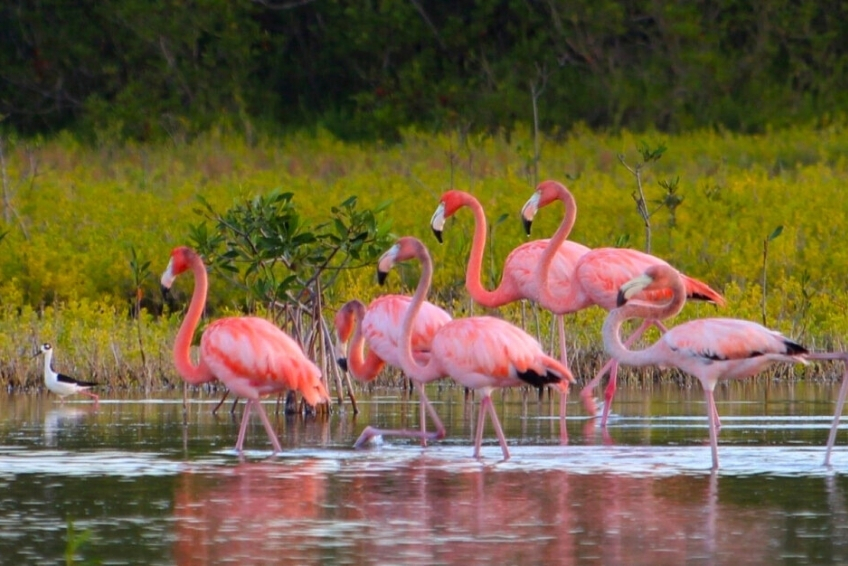
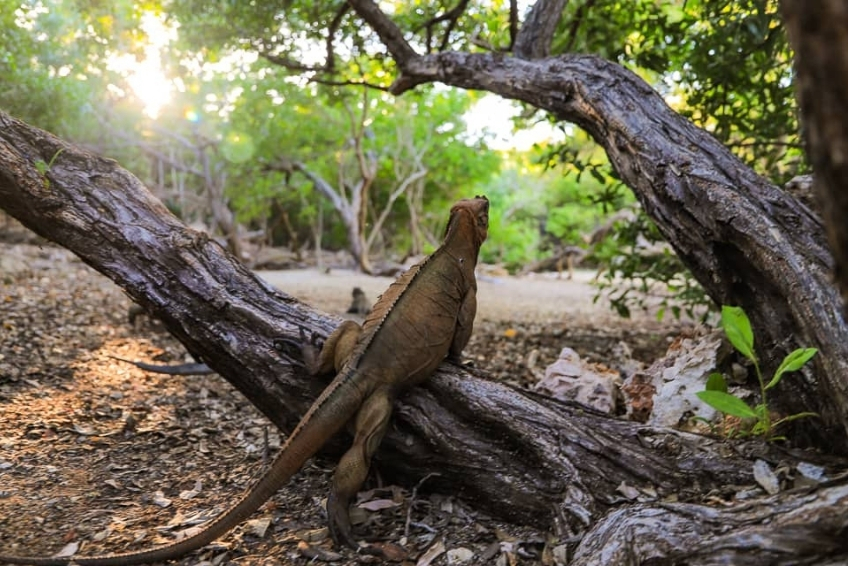
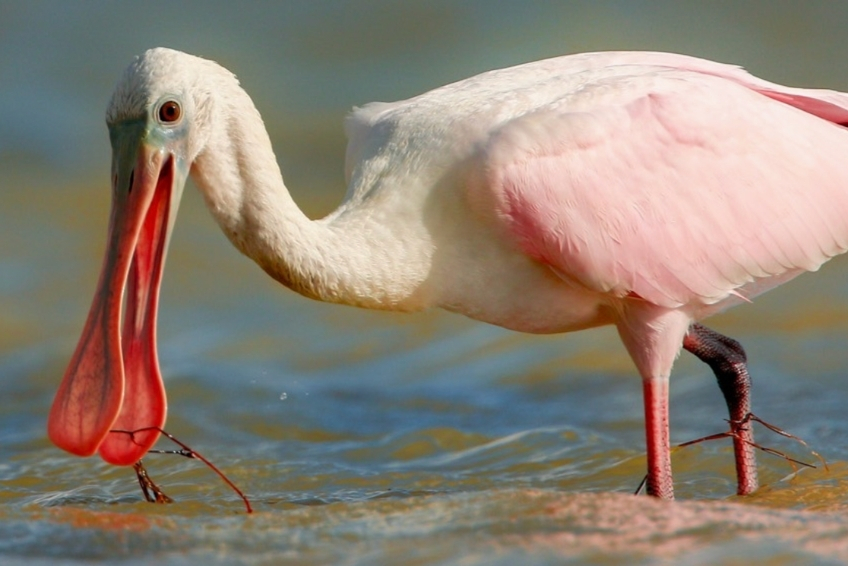
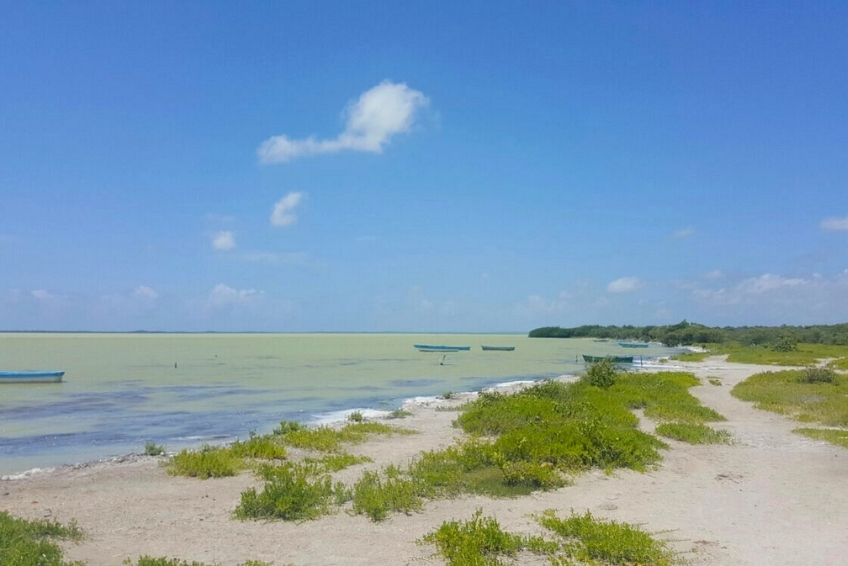
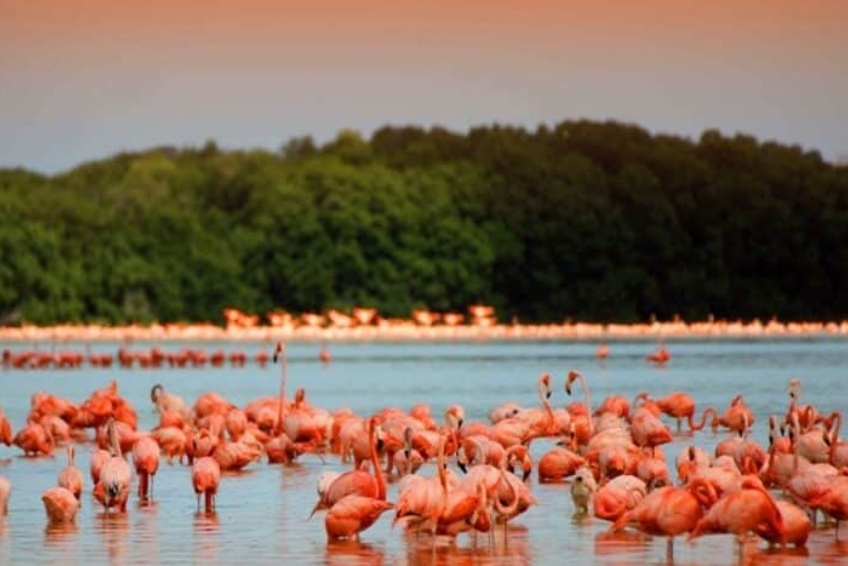
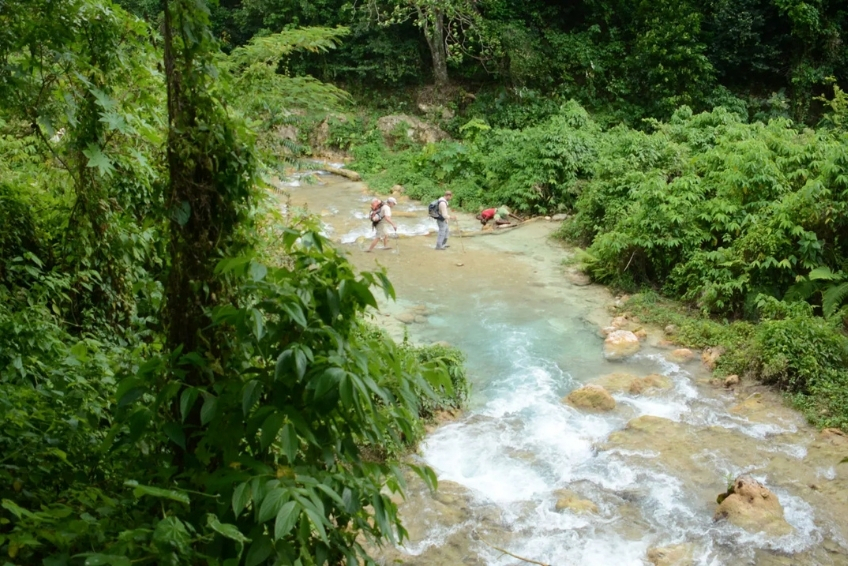
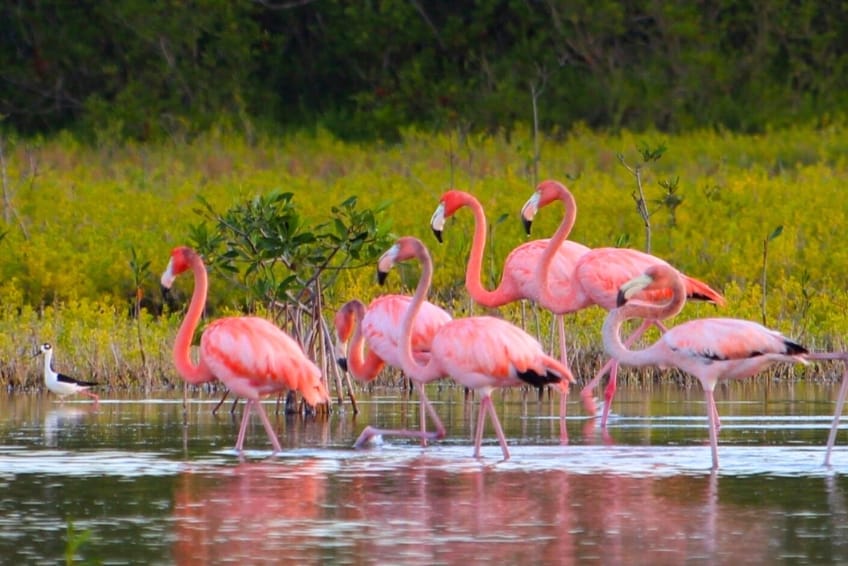
The DR’s largest saltwater lagoon (28 km²) is one of the best birdwatching spots in the entire Caribbean. The star attraction is the country’s largest colony of American flamingos, a flash of electric pink against the arid brown landscape that never gets old. But the bird list goes far beyond flamingos. Over 150 species have been recorded here, including roseate spoonbills, white-crowned pigeons, endangered West Indian whistling-ducks, and brown pelicans.
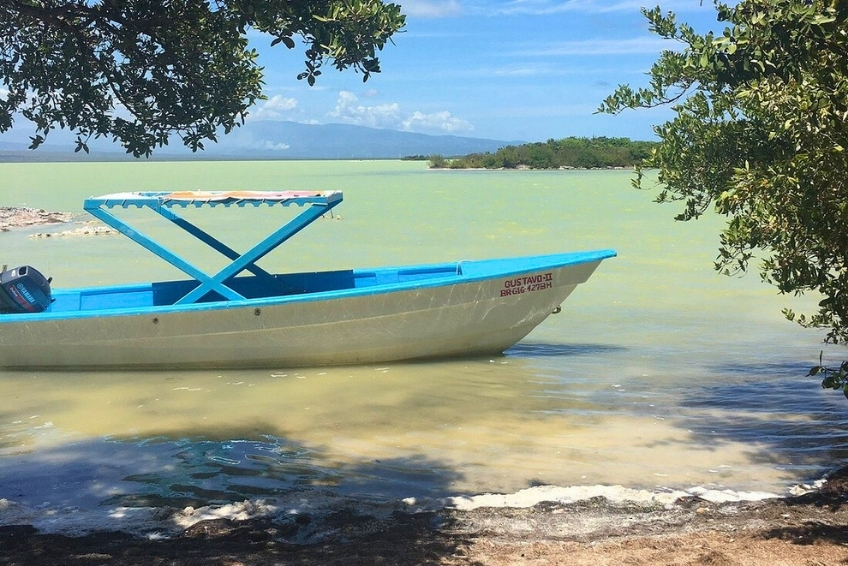
Boat tours depart from near the town of Oviedo, 45-60 minutes east of Pedernales. The Flamingo Tour (2 hours, RD$2,500 / $45 USD per boat plus guide) visits the prime flamingo viewing sites. The Full Tour (3 hours, $100 USD) adds Cayo Iguana, a tiny island crawling with rhinoceros iguanas that have zero fear of humans, plus southern cays. Park entrance fee is RD$150 ($3 USD) for foreigners.
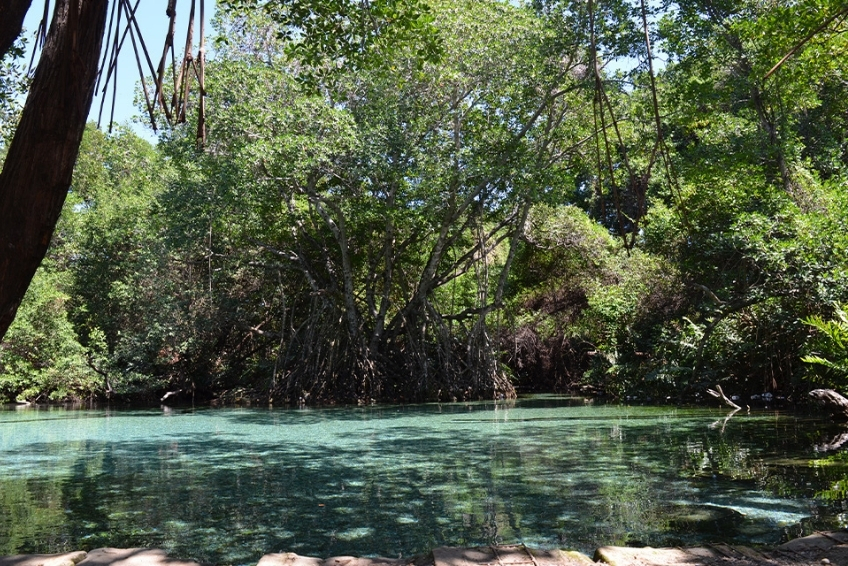
Pro Tip: on your way back, stop at Arroyo Salado, a crystal-clear freshwater pool just off the main road where tiny fish nibble your feet (harmless and surprisingly fun). It’s a perfect cool-down after the lagoon’s exposed boat ride. Bring binoculars, a hat, and lots of water. The lagoon is fully exposed with zero shade.
Our complete Laguna de Oviedo Visitors Guide walks you through tour options, pricing, wildlife, how to get there, what to pack, cruise ship logistics, and everything else you need to plan your visit.
Check out this highly rated Laguna de Oviedo Tour or discover more with this Explore Laguna de Oviedo Tour.
click to see more images
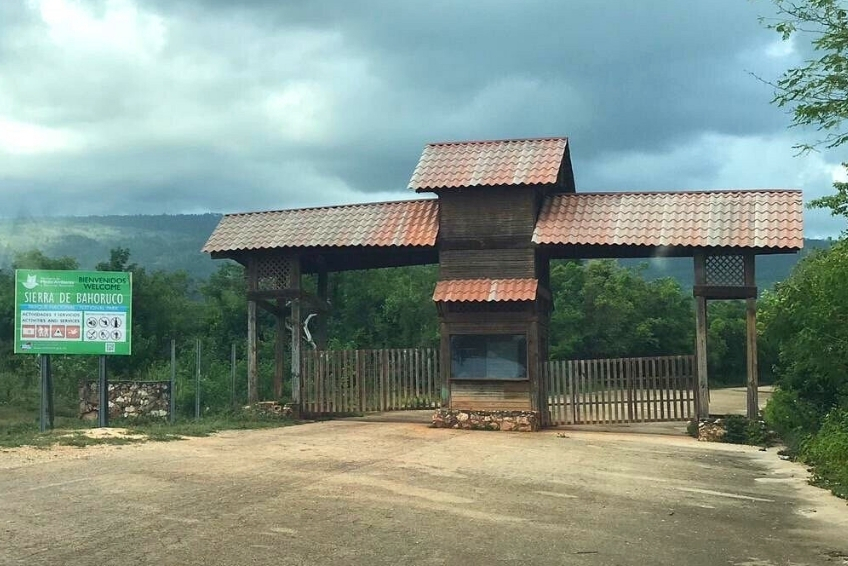
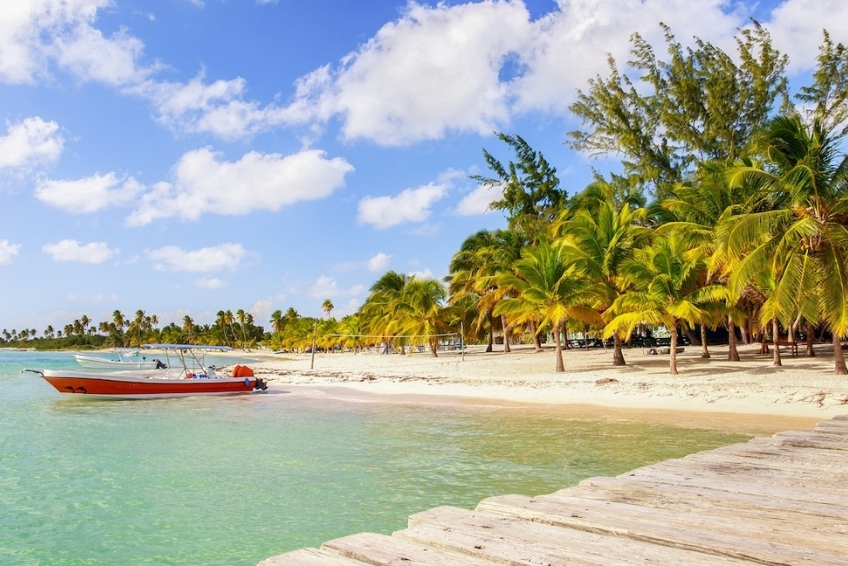
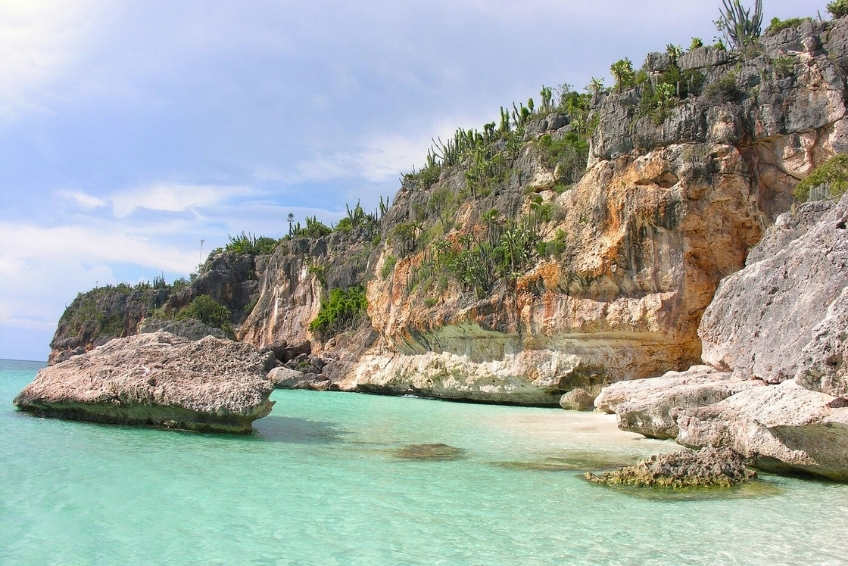
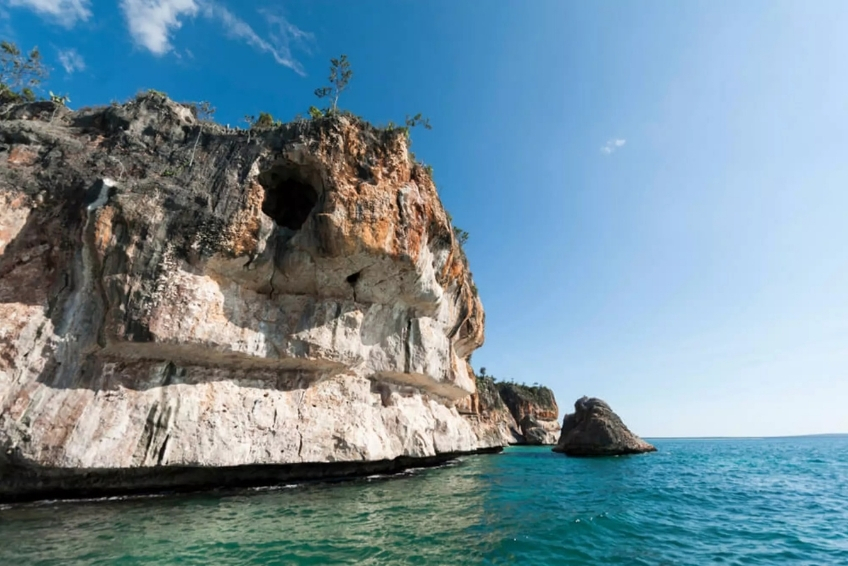
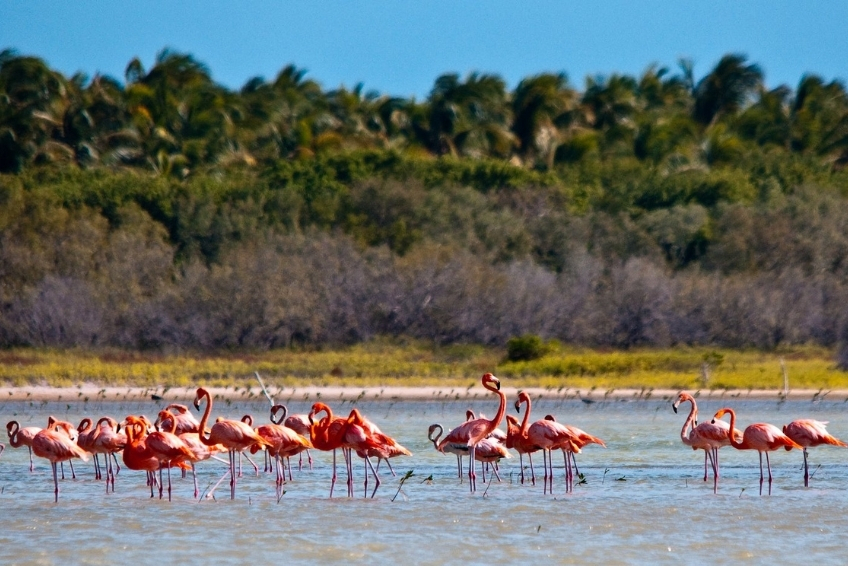
4. Sierra de Bahoruco National Park
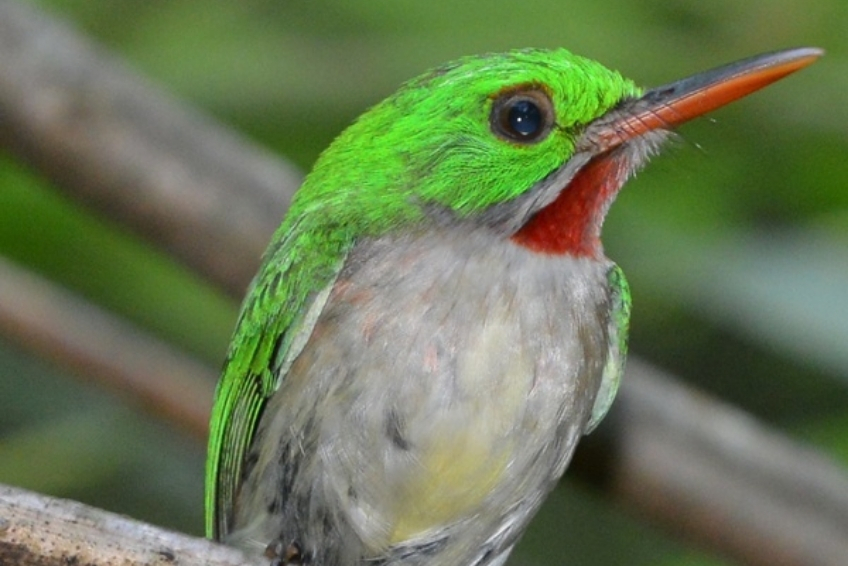
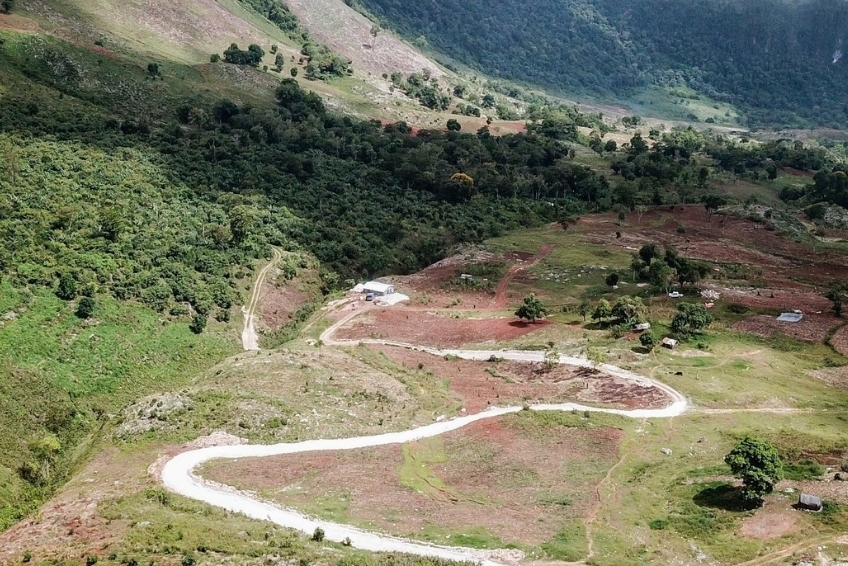
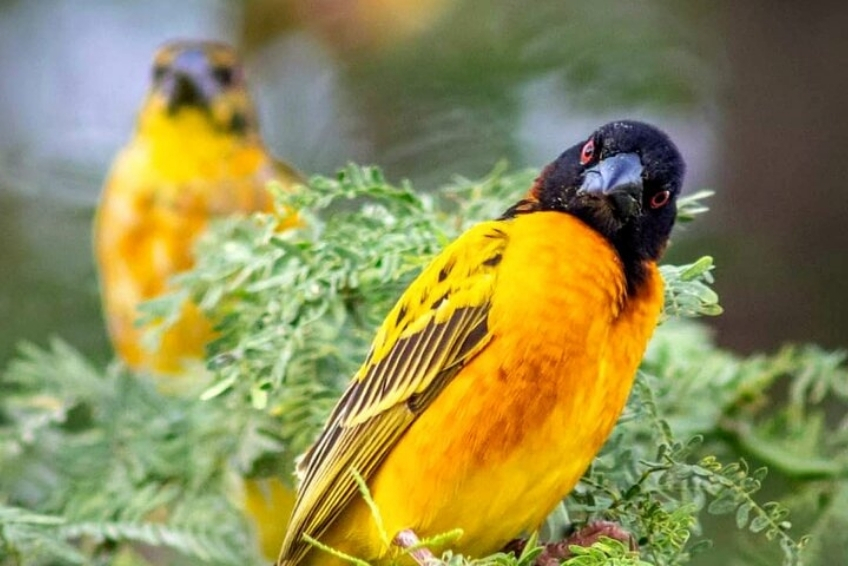
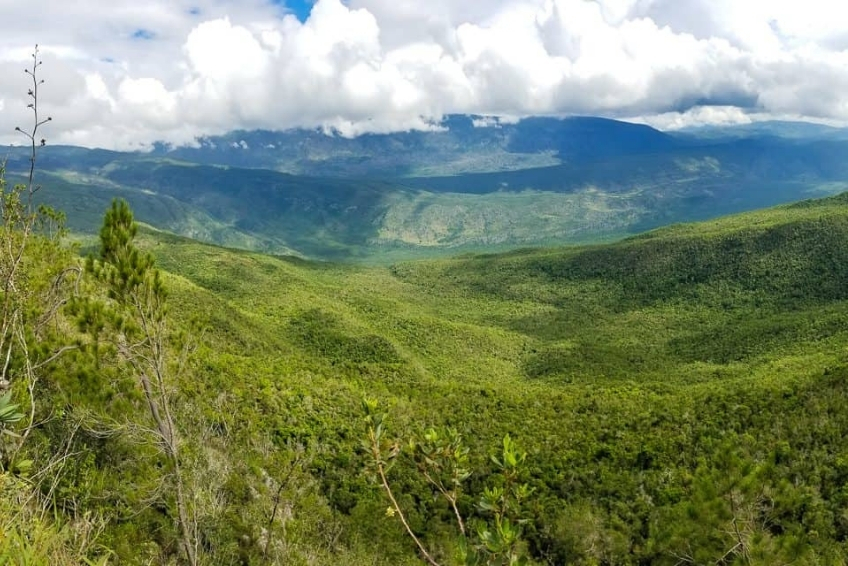
If you’re a birder, this is your pilgrimage site. Sierra de Bahoruco harbors 30 of Hispaniola’s 32 endemic bird species, making it the single most important birding location on the island. Key species include the Hispaniolan Trogon (the national bird), Broad-billed Tody, Hispaniolan Crossbill, La Selle Thrush, and the endangered Black-capped Petrel.
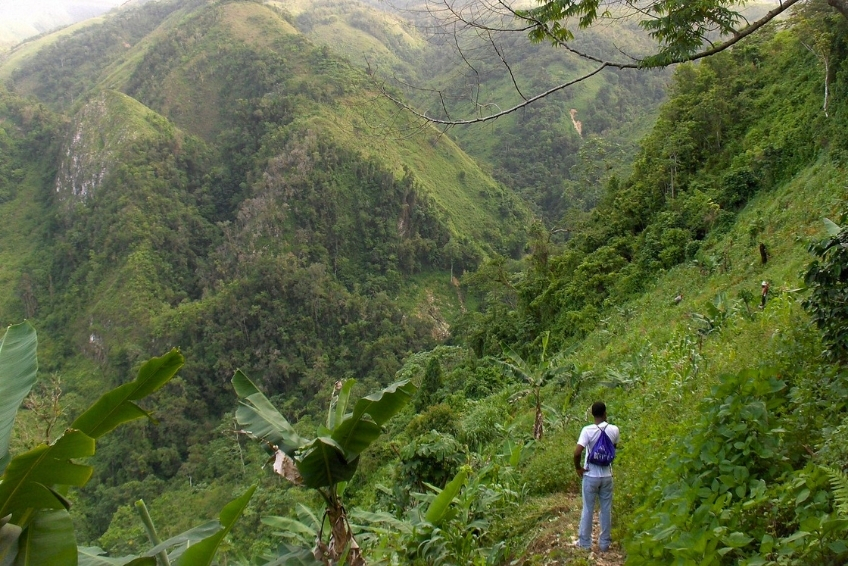
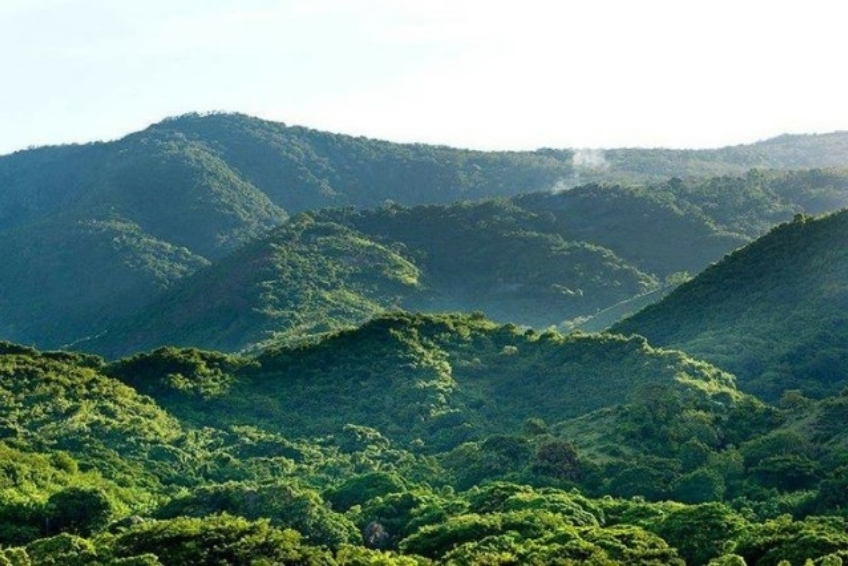
The park rises from sea-level dry forest through pine forest to cloud forest above 2,000 meters, creating an extraordinary range of habitats in a compact area. The southern slope access via the old Alcoa bauxite mining road climbs through dramatic vegetation transitions. A 4×4 is essential, and a knowledgeable birding guide is highly recommended. Operators like Tody Tours and Larimar EcoTours run multi-day birding packages that are the norm for serious birders.
Even if you’re not a dedicated birder, the drive up into the sierra is worthwhile for the views and the surreal transition from cactus desert to cloud forest. Pack a light layer. Temperatures at the summit can drop to 50°F at dawn, a dramatic contrast to the hot desert floor below!
Find everything you need in our Sierra de Bahoruco National Park Visitors Guide, from how to get there and tour options to wildlife, accommodation, and what to pack.
Check out this top rated 3 Day Sierra de Bahoruco Bird Watching Tour. Serious birders can enjoy this 6 Day Sierra de Bahoruco Bird Watching Experience.

click to see more images
5. Jaragua National Park
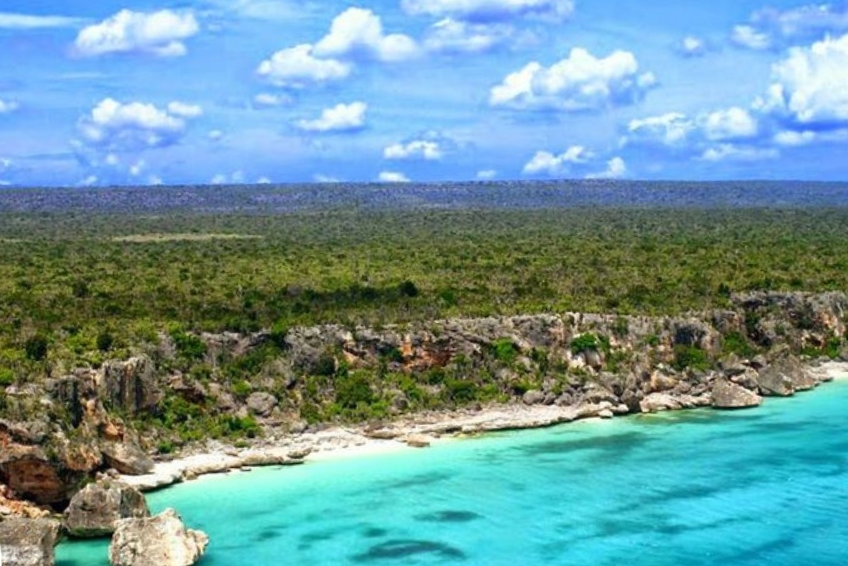
Most visitors experience Jaragua through its headline attraction (Bahia de las Aguilas), but the park encompasses far more. 1,374 km² of dry forests, coastal wetlands, coral reefs, and offshore cays make it the largest protected area in the Caribbean. The park is home to endangered Hispaniolan solenodons (one of the world’s rarest mammals), hutias, rhinoceros iguanas, leatherback sea turtles, and Antillean manatees.
For those interested in archaeology, the park contains Taino cave art dating to 2590 BCE, some of the oldest in the Caribbean. Guided hikes into the backcountry reveal cave systems with petroglyphs and pictographs. Arrange through local guides in Pedernales or through tour operators as this isn’t something you can just wander into on your own.
Head to our complete Jaragua National Park Visitors Guide for how to get there, things to do, wildlife, where to stay, what to pack, and all the logistics for planning your visit.
Have the experience of a lifetime with this Cenote and Hiking Adventure in Jaragua National Park.
click to see more images
6. Scuba Diving with Buceo Pedernales
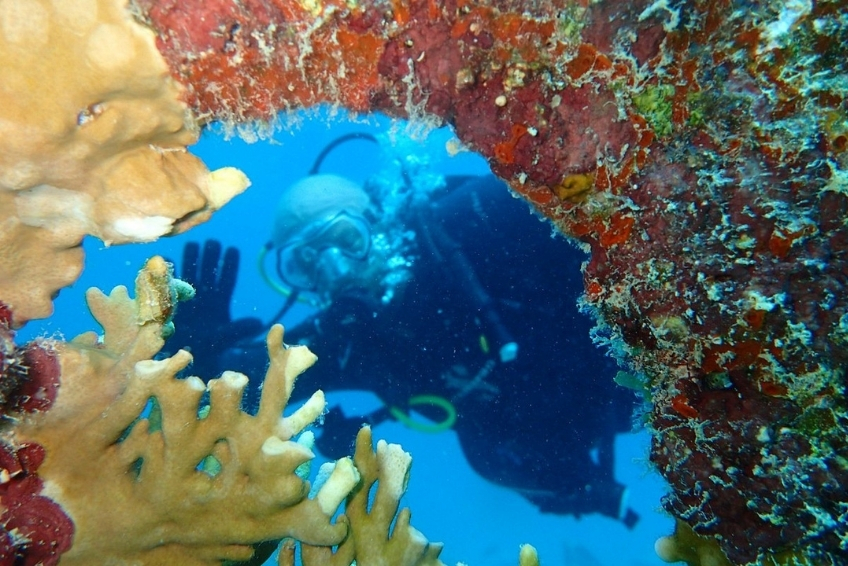
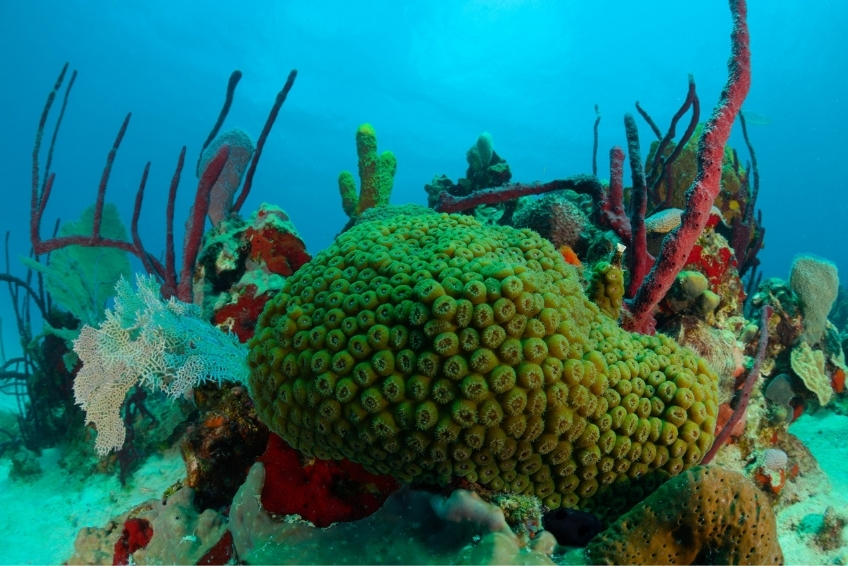
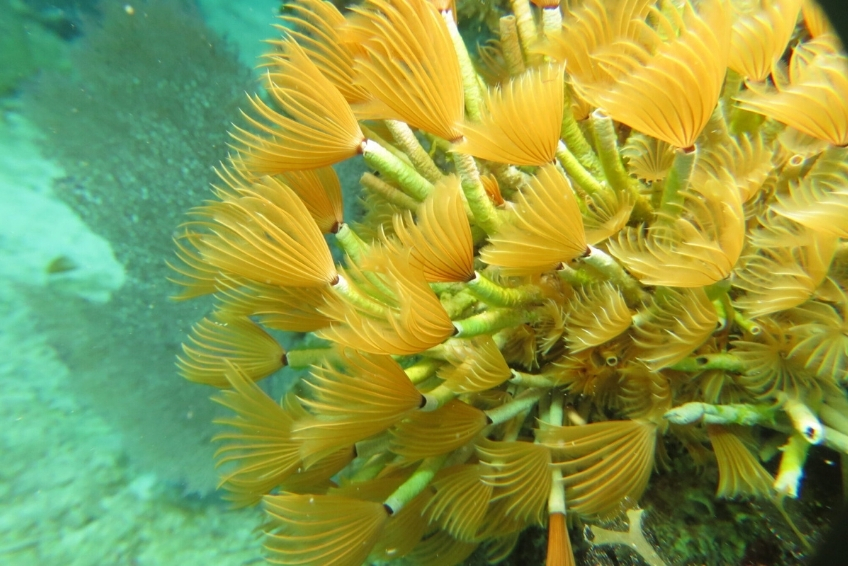
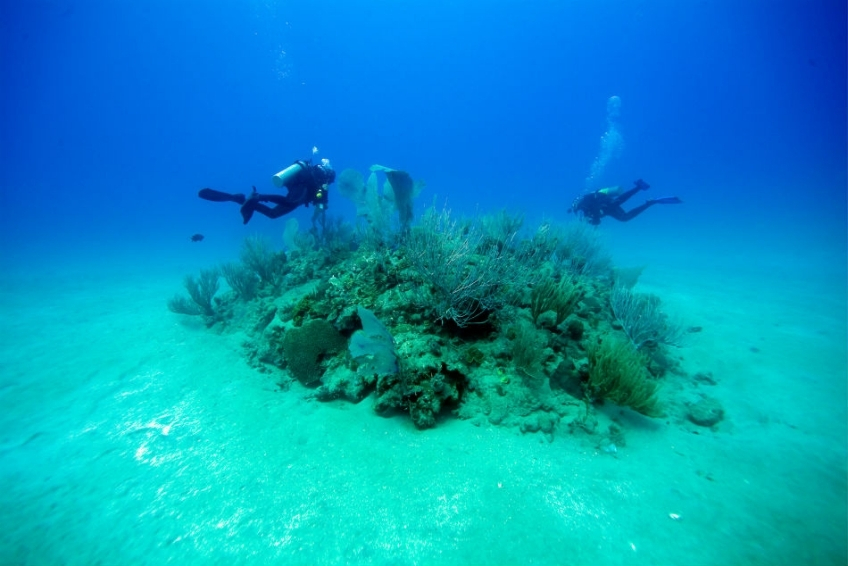
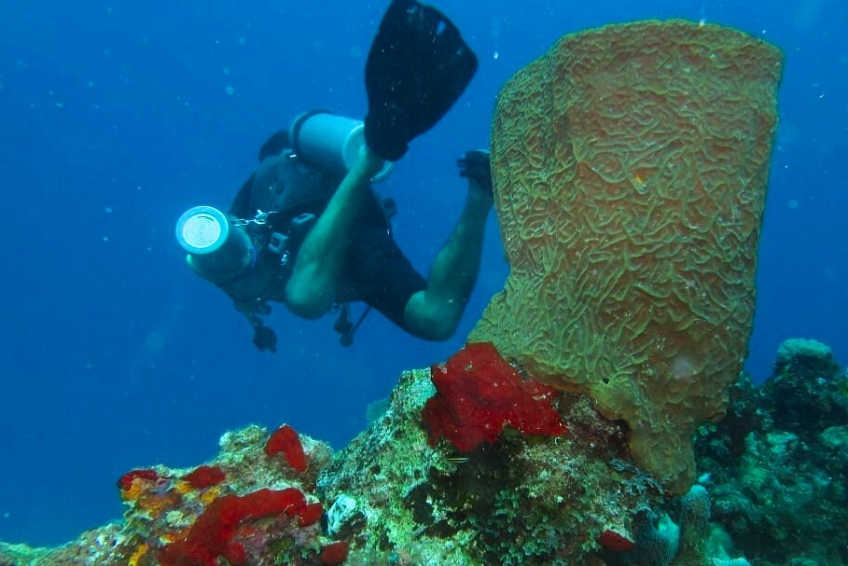
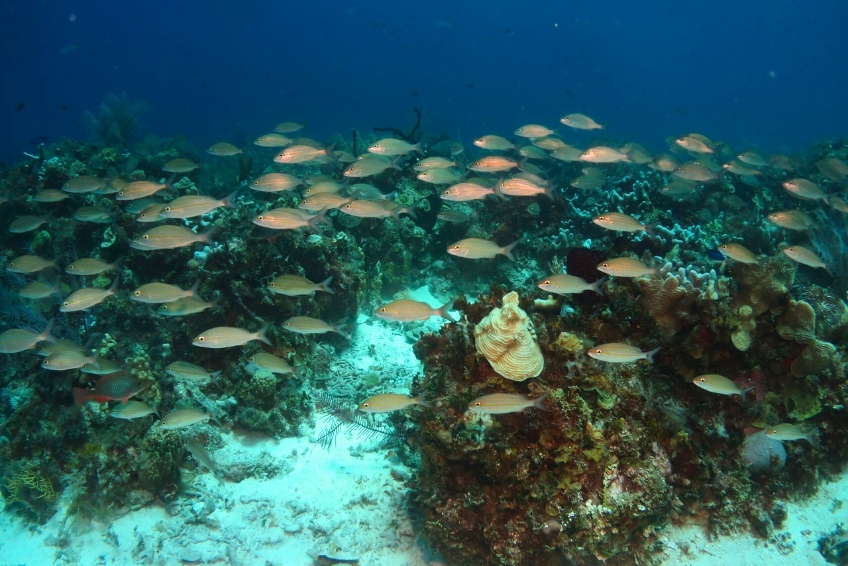
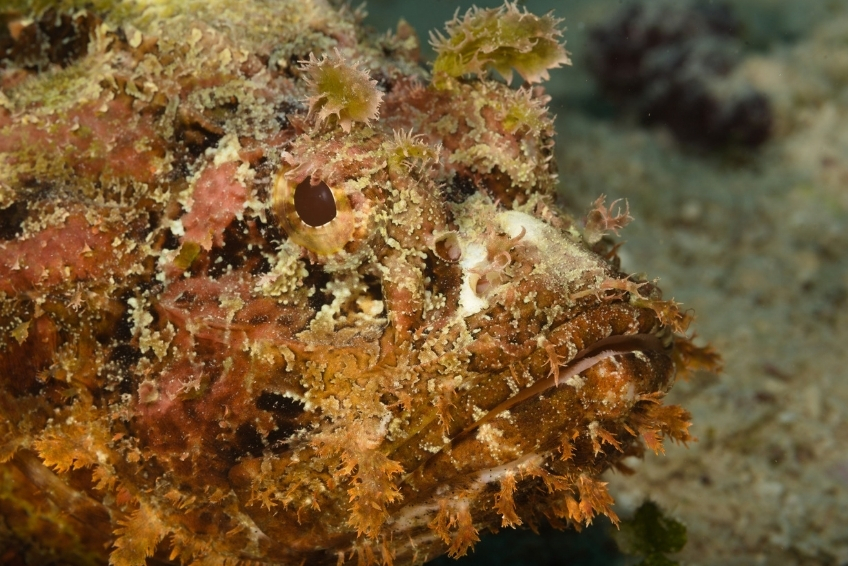
The reefs off Pedernales are among the healthiest in the Caribbean, protected by Jaragua National Park’s enforced fishing ban. Buceo Pedernales (run by Italian expats Valentina and Michele) is the only proper dive operation in the region, and they’ve been exploring these waters for years. They describe the underwater environment as resembling “the Caribbean of 30 years ago,” and having dived here ourselves, we don’t think that’s hyperbole.
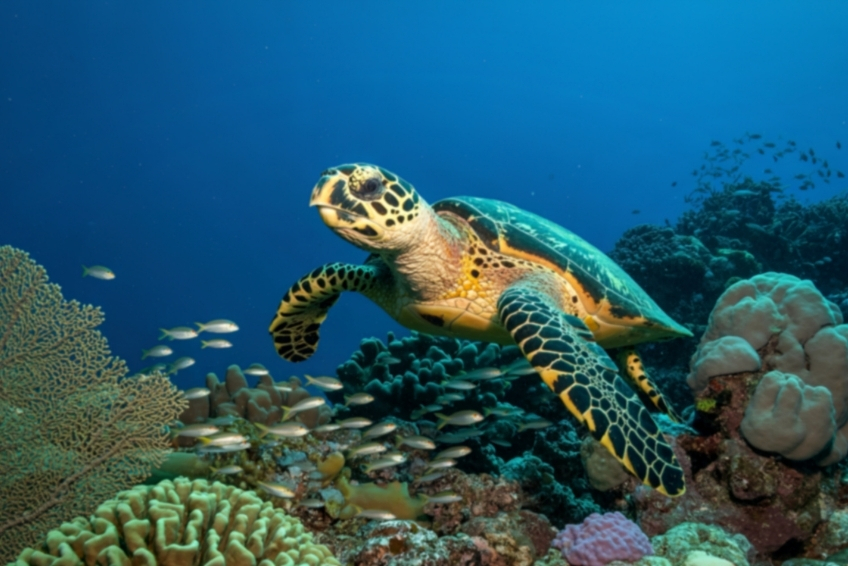
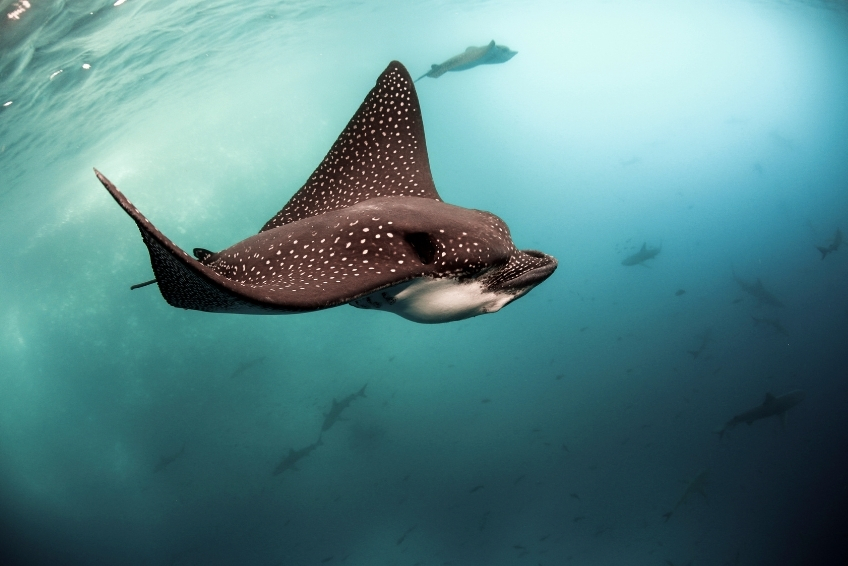
They offer dives at 8+ pristine sites featuring healthy hard and soft corals, barrel sponges, sea fans, parrotfish, groupers, nurse sharks, eagle rays, and hawksbill sea turtles. Single dives start at $65 ($85 with full equipment rental). They also run snorkeling boat trips to Bahia de las Aguilas for around $120 for 1-4 people with quality gear. Highly recommended for anyone comfortable in the water.



click to see more images
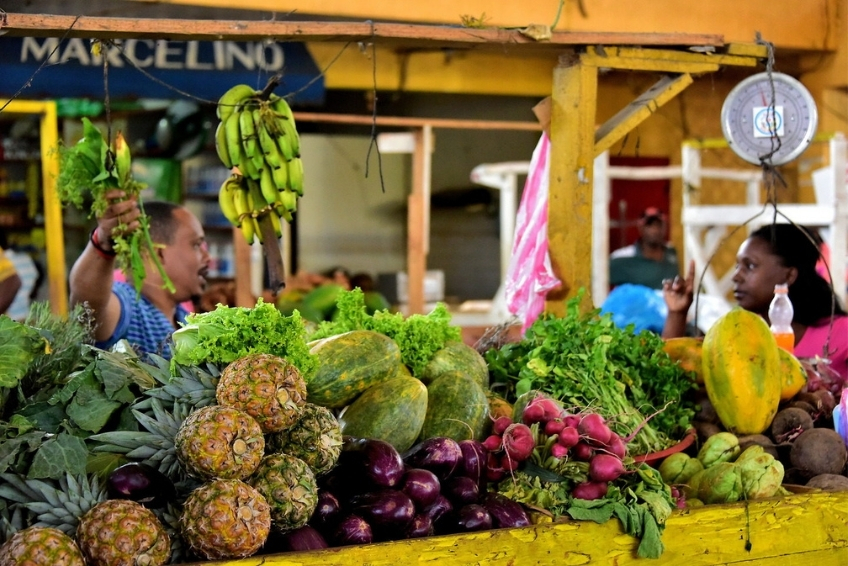
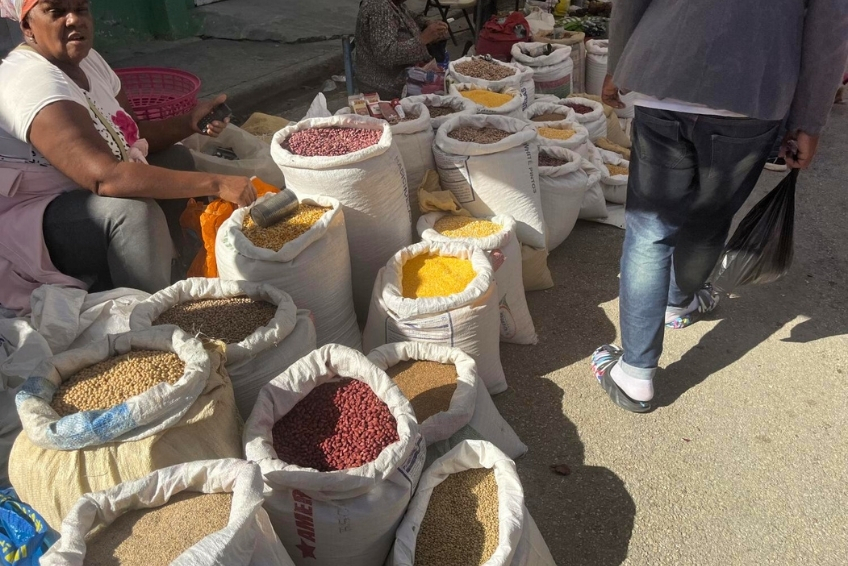
7. The Binational Border Market
We mentioned this above, but it deserves its own listing because it’s genuinely one of the most unique cultural experiences in the Dominican Republic. On Mondays and Fridays, thousands of traders from both sides of the border converge in an open-air market near the border gate. The energy is electric. Vendors hawking vegetables, clothing, electronics, and Haitian art under improvised tarps while motorcycle taxis weave through the crowd.
This isn’t a tourist market. It’s real economic life on a Caribbean border, and it’s fascinating. Go early in the morning for the most activity. Keep valuables secure (pickpockets work crowds everywhere in the world), carry your passport, and be prepared for an assault on the senses. There is no entrance fee. Photography is generally fine, but ask before taking close-ups of vendors. If you feel uncomfortable going on your own, hire a tour guide in Pedernales Town to take you for a visit.
click to see more images
8. Pozos de Romeo
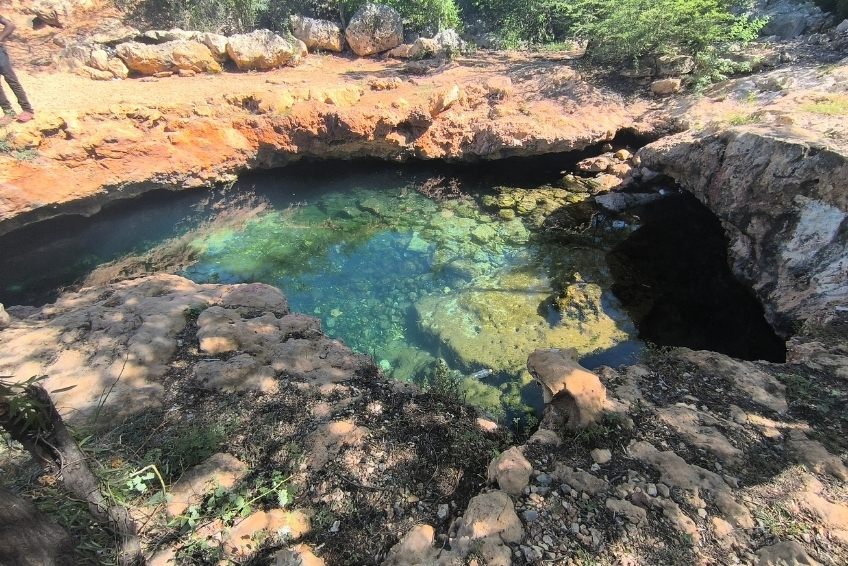
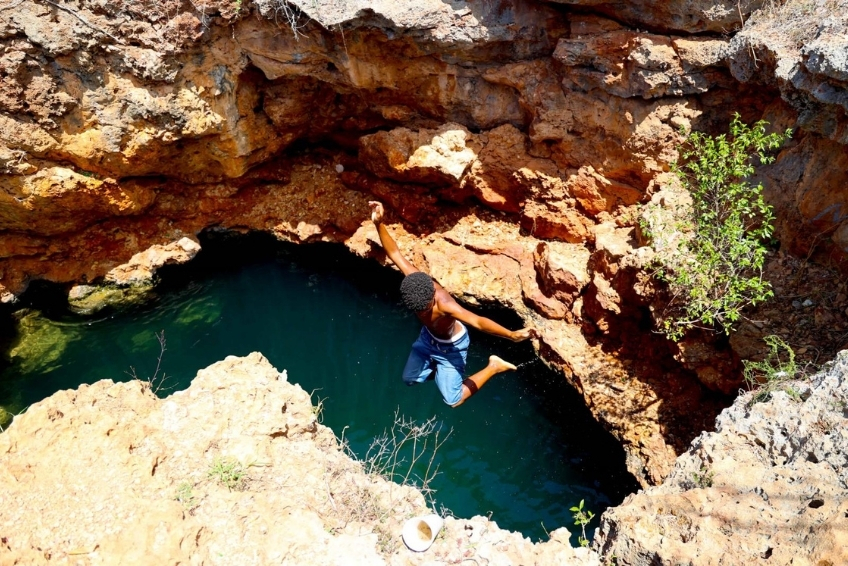
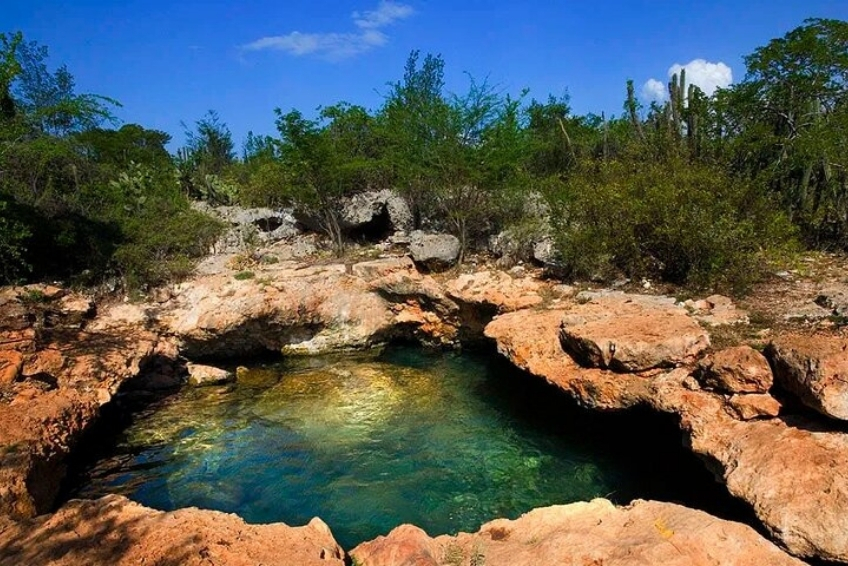
These natural freshwater pools formed from underwater cave systems sit just off the Pedernales-Barahona road at kilometer 13, roughly 15 minutes from town. The water is a surreal shade of crystal-clear blue, cold enough to be refreshing after the desert heat, and filled with small colorful fish. It’s a perfect quick swim stop on your way to or from other attractions.
Free to visit. Wear proper shoes on the sharp coral terrain surrounding the pools, and bring a towel and dry clothes. There are no facilities, but that’s part of the charm. The pools can get busy on weekends with local families.
click to see more images
9. Playa Pedernales
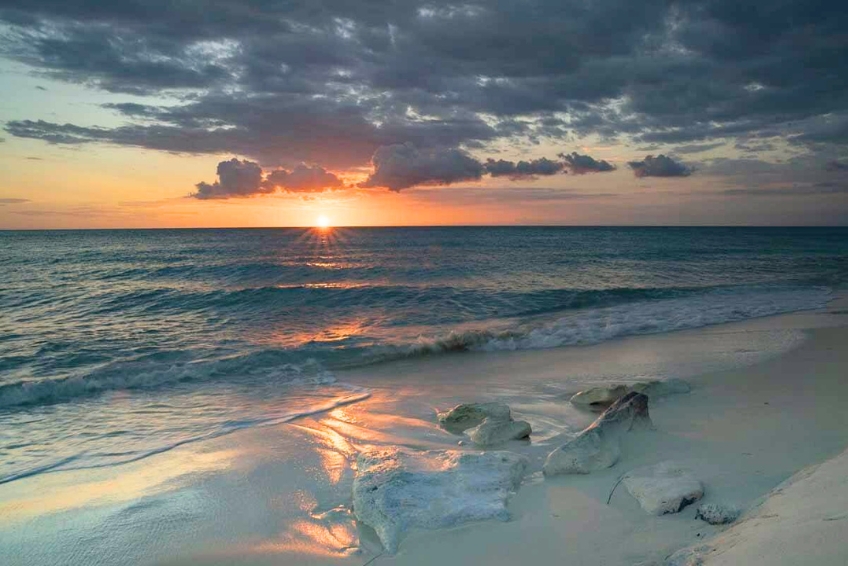
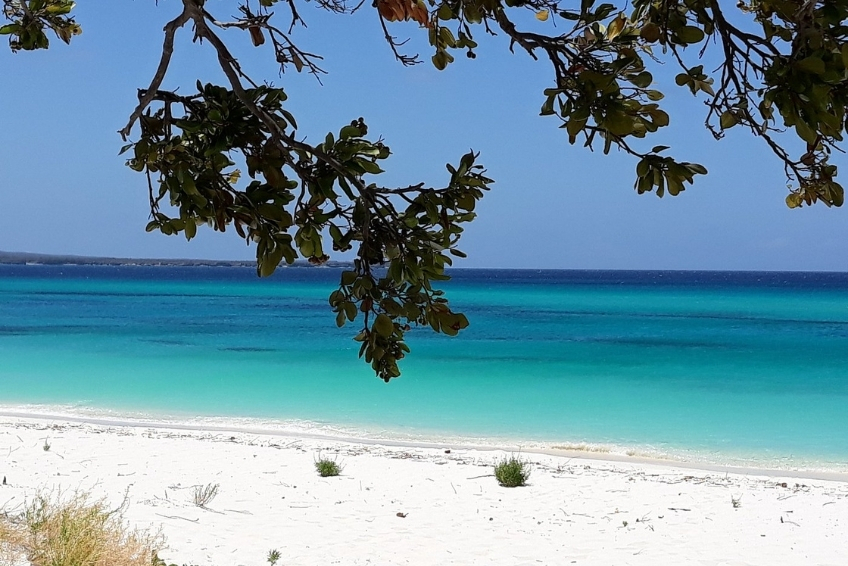
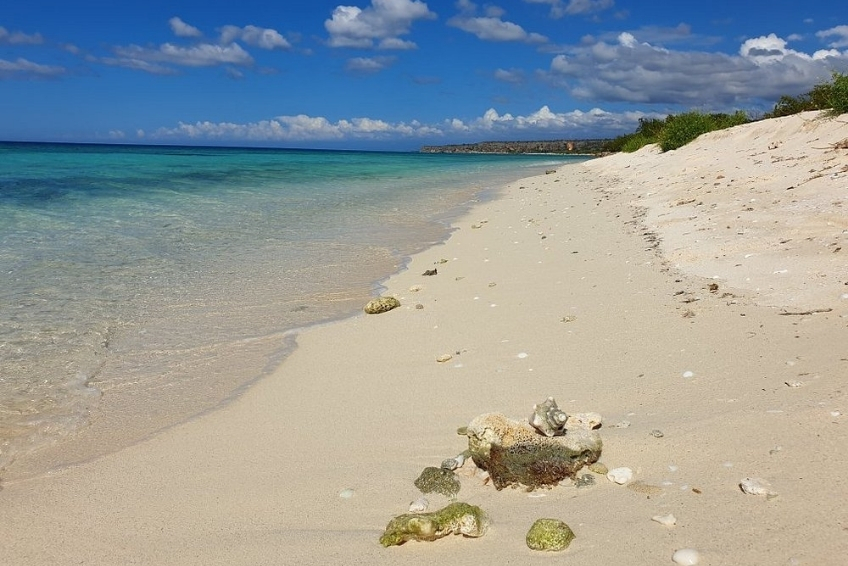
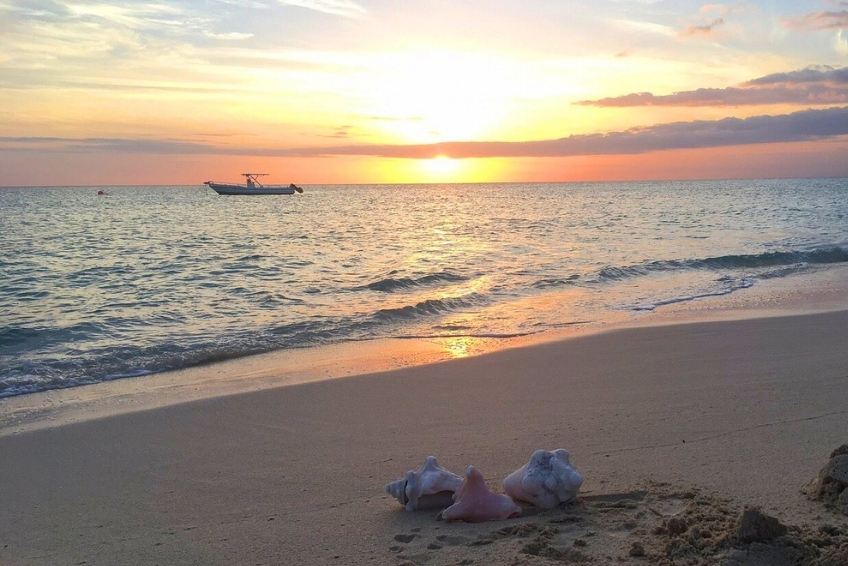
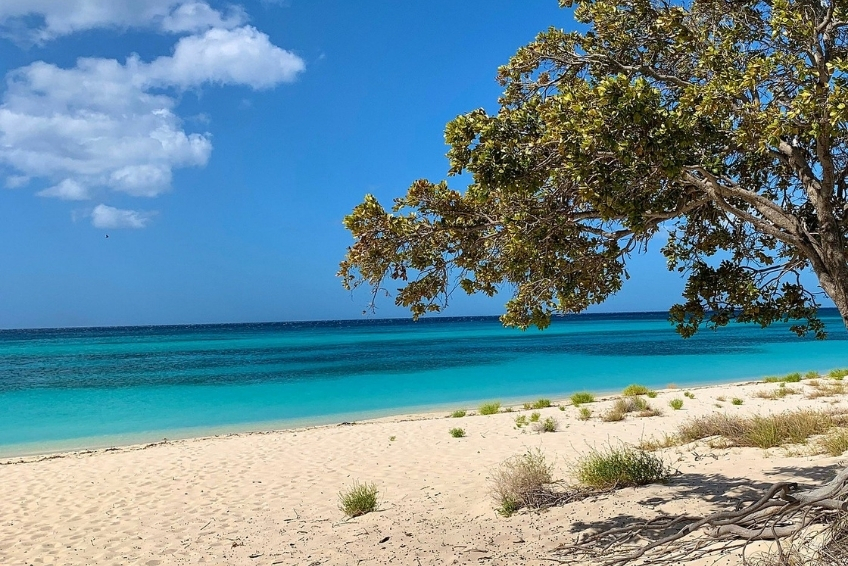
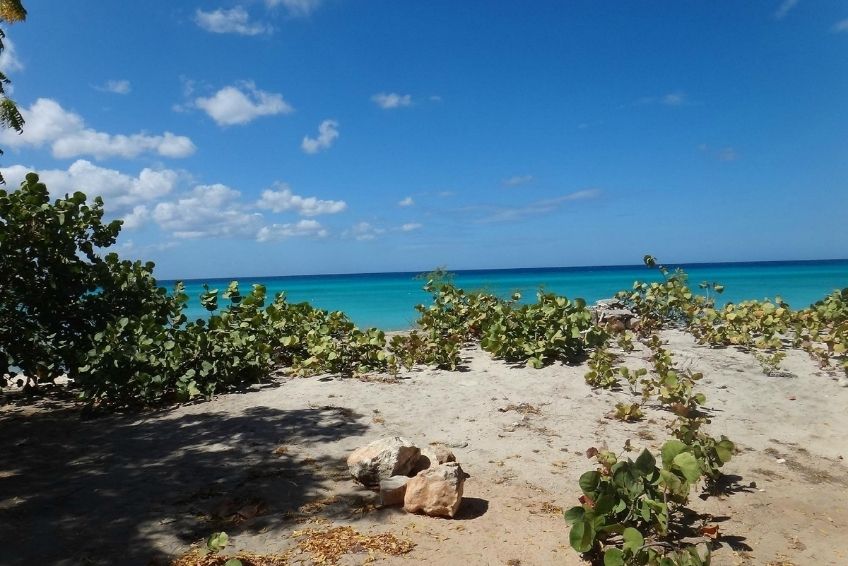
Most visitors are so fixated on reaching Bahia de las Aguilas that they completely overlook the town’s own beach. Playa Pedernales is a gorgeous, wide stretch of sand with clear water and spectacular sunsets. On most days, you’ll share it with maybe a handful of local families and some fishing boats. It’s walkable from most hotels and makes for a perfect end-of-day wind-down.
The sunsets here are legitimately stunning. The beach faces south-southwest, so you get long golden-hour light and colors that rival any Caribbean resort beach. El Navio Bar and Seafood restaurant sits right on the sand for cold drinks and fresh fish while you watch the show.
click to see more images
10. Larimar Mine Tours
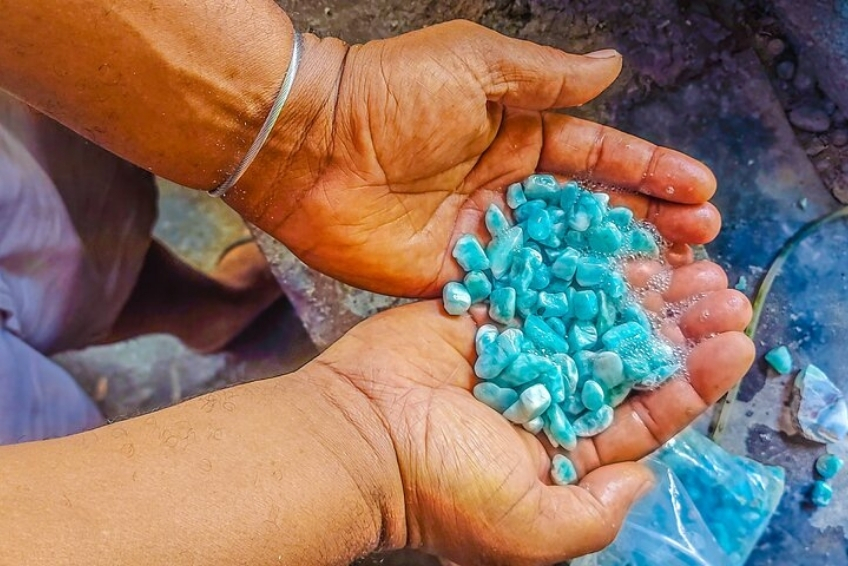
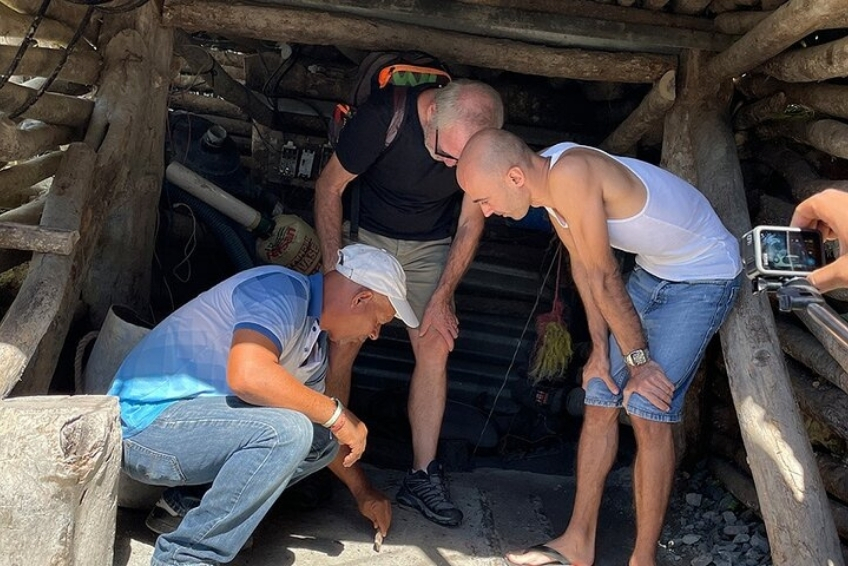
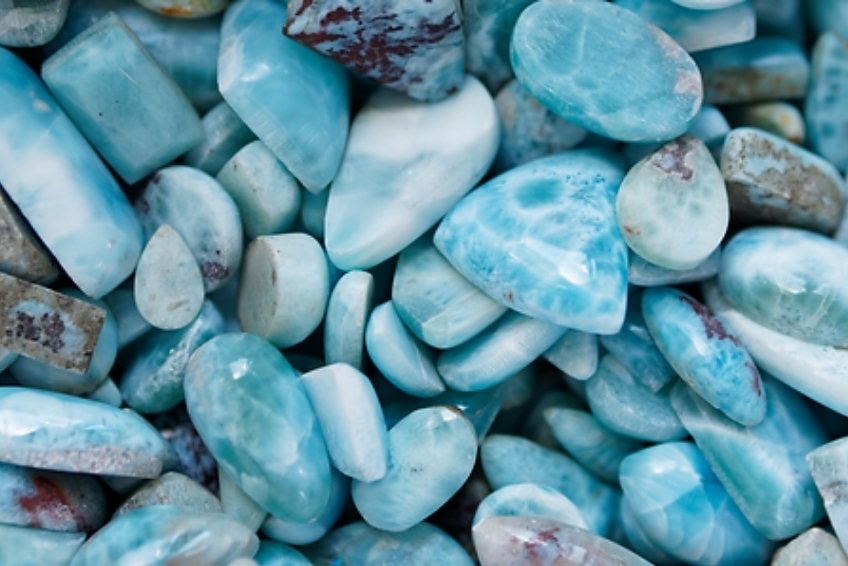
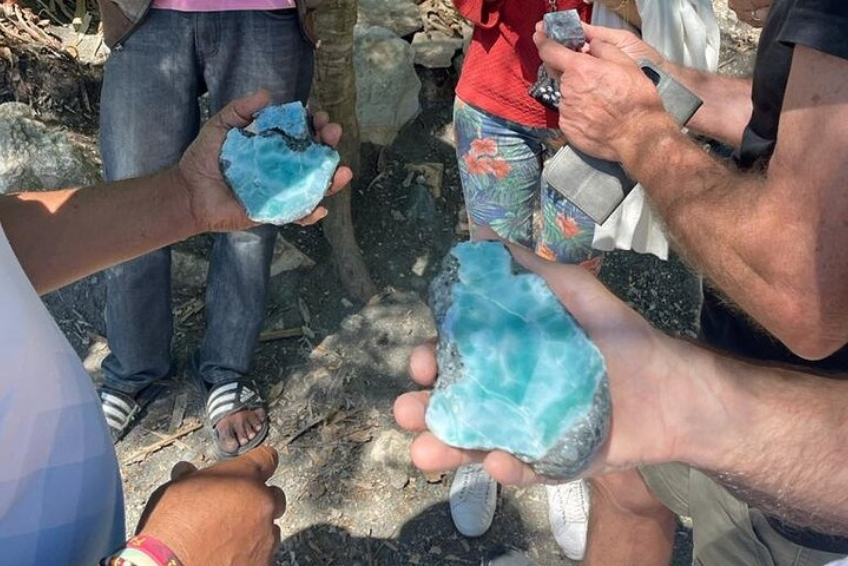
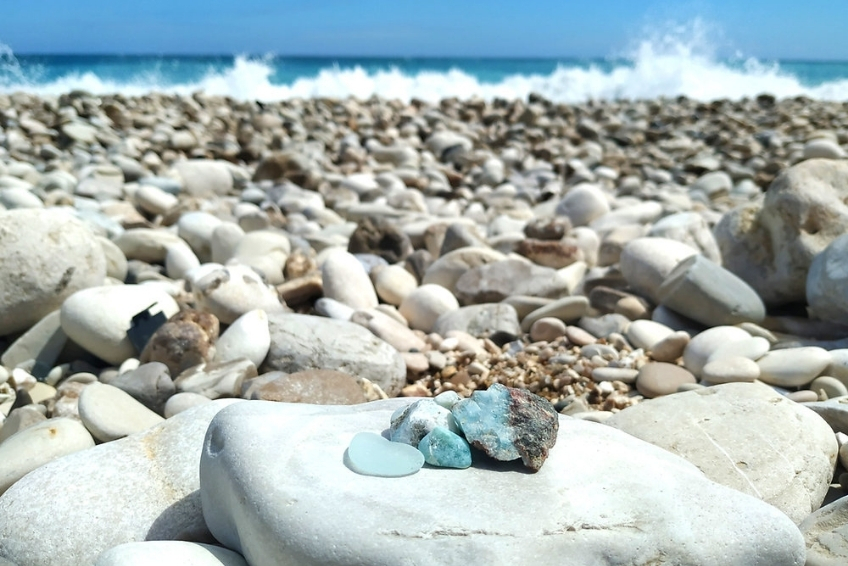
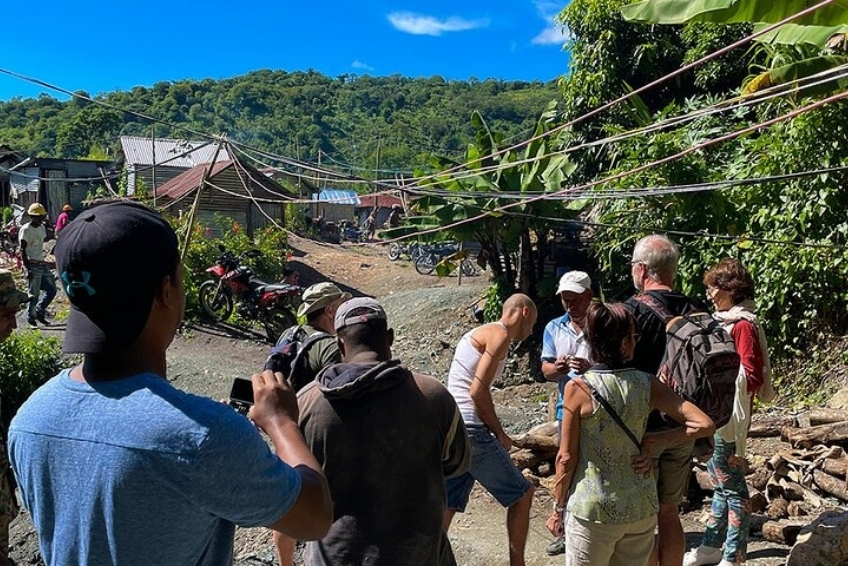
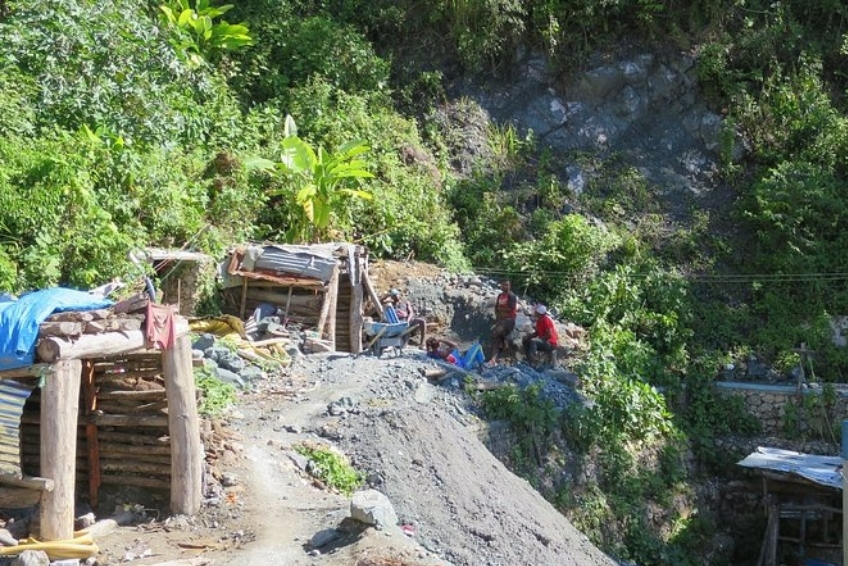
Larimar, the beautiful blue pectolite gemstone, is found in only one place on Earth. The mountains above Barahona. The mines at Los Chupaderos are about 2 hours from Pedernales (near Bahoruco), and visiting one is a genuinely unique experience. You’ll see miners working narrow shafts by hand, learn about the stone’s formation, and have the chance to purchase gems directly.
Larimar EcoTours runs mine visits starting at approximately $90-117 per adult, often combined with stops at other regional attractions. The drive from Pedernales passes through beautiful mountain scenery. This is a full-day commitment given the distance, but worth it if you have the time.
Check out this All Inclusive Larimar Mines Experience, which includes lunch and transportation.
Where to Eat in Pedernales
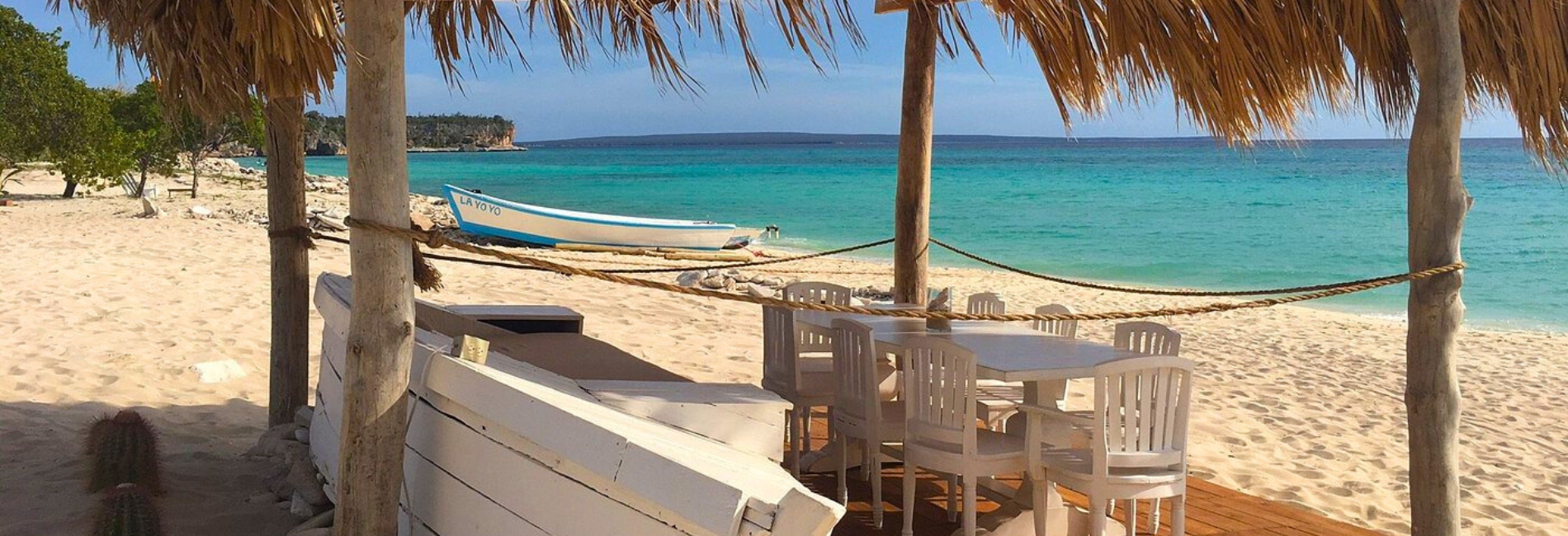
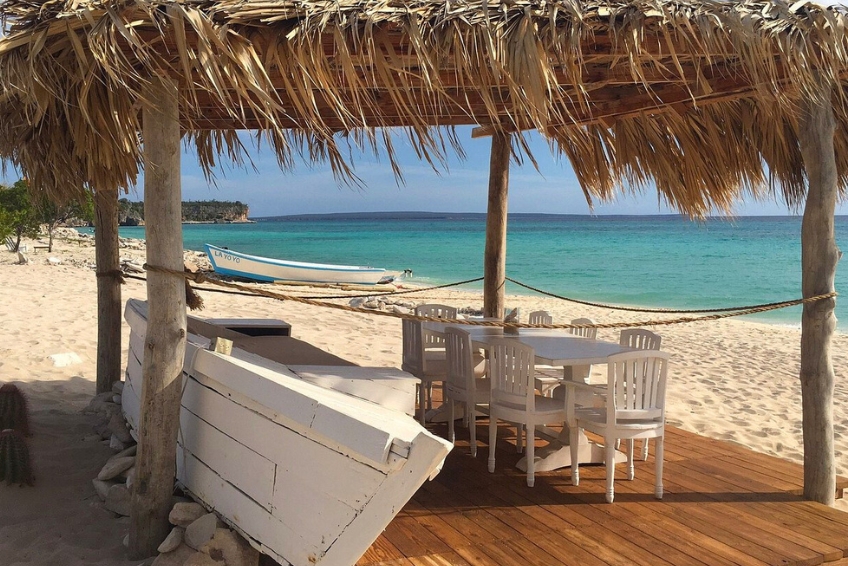
The dining scene in Pedernales isn’t going to win any Michelin stars, but the food is fresh, the portions are enormous, and the prices will make you wonder why you ever paid resort rates. Some of the best restaurants are actually in the Cabo Rojo/La Cueva area (30-45 minutes from town), where beachside seafood joints serve some of the most satisfying meals in the entire country. In town, options are limited but perfectly adequate, and the comedores (family-run eateries) deliver the most authentic Dominican flavors at rock-bottom prices.
Bocanye Pedernales
In Pedernales Town
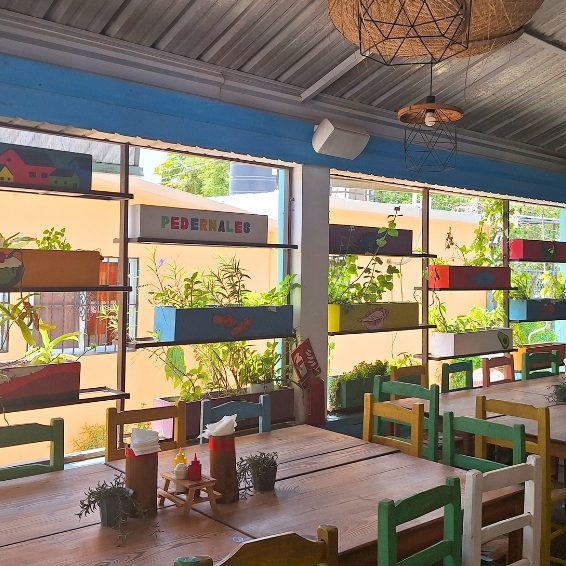
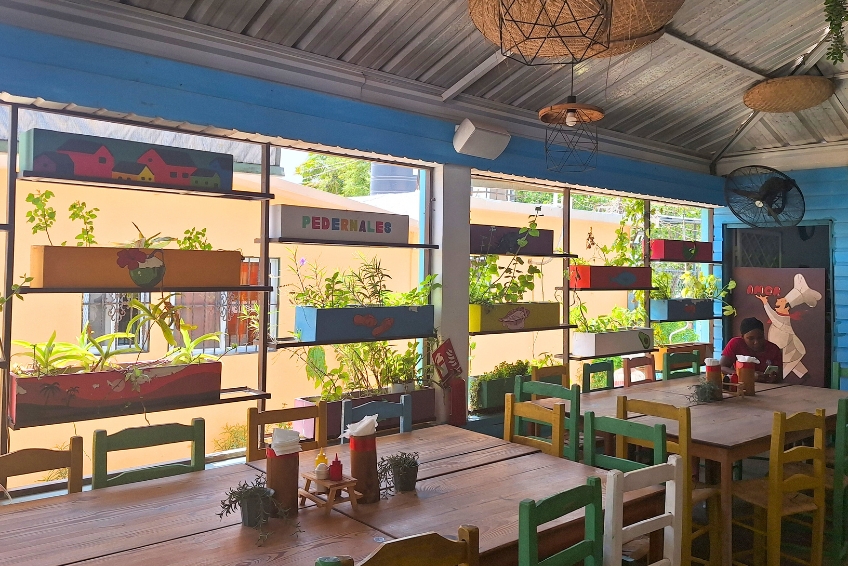
Bocanye, Grill & Seafood, on Calle Libertad, is a solid Caribbean seafood spot with a varied menu and good portions. It’s one of the better homestyle restaurants in town and worth a visit, especially if you’re staying more than one night.
Restaurante Jalicar on Calle Libertad is our pick for the best value meal in town. Generous family style plates of pescado frito, lambi al ajillo, and chicken with rice and beans for around RD$1,000 ($17 USD) for the table. No frills, just excellent home-cooked Dominican seafood at prices that feel like a steal.
Restaurant Ibiza is another reliable option for Dominican comida criolla at affordable prices. Don’t expect ambiance but the food is decent.
El Navio Bar and Seafood sits right on Pedernales Beach with a sustainable-fishing-focused menu of lobster, red snapper, and conch. It’s the best spot in town for a sunset meal with your feet practically in the sand. Can be a little crowded and is pricey (for Pedernales).
Hotel Pedernales Italia serves homemade Italian-Dominican dinners to guests that are genuinely excellent. If you’re staying there, don’t miss the evening meal.
At Cabo Rojo and La Cueva
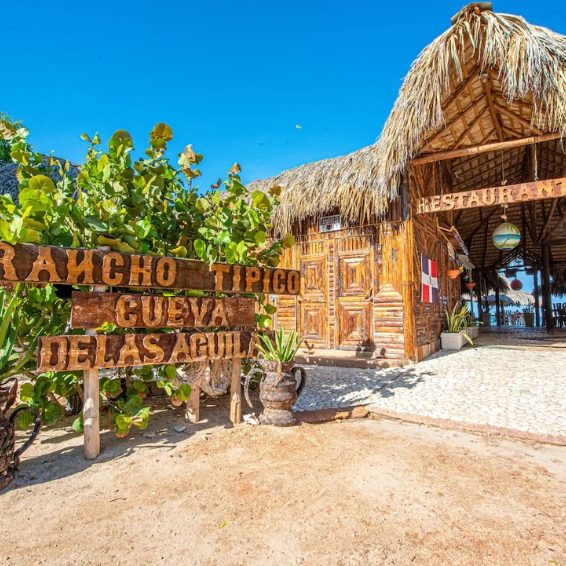
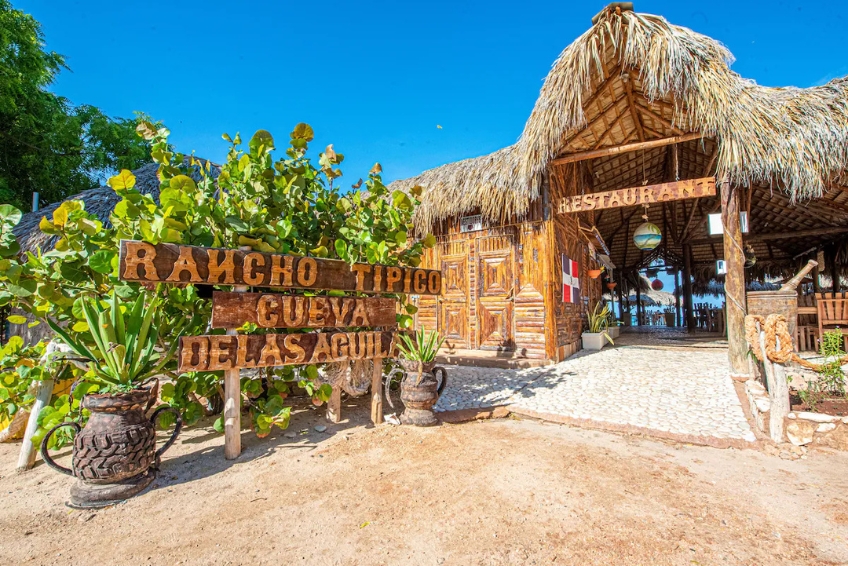
Rancho Tipico Cueva de las Aguilas is probably the top-rated restaurant in the province, and it earns the ranking. This beachside spot at La Cueva serves the legendary Bahiafongo, a mofongo stuffed with mixed seafood that we’d drive the coastal highway again just to eat. They also do lobster mofongo, seafood paella, and fried fish straight off the boats. Mofongos run $7-13 USD. The restaurant also arranges boat tours to Bahia de las Aguilas and offers tent accommodations for around $35/night (no air conditioning).
Restaurante De Bahia Dona Charo is run by Dona Charo and her son Antolin, and the food is outstanding. Three family style plates of pescado frito and lambi cost about $17 USD for the table. The kind of meal you’ll talk about for months.
Restaurante Casa Chiquita offers Italian-owned, budget-friendly seafood with meals running $5-9 USD. The coconut rice here is some of the best we’ve ever had, and we don’t say that lightly.
What to Order
Traditional dishes worth seeking out
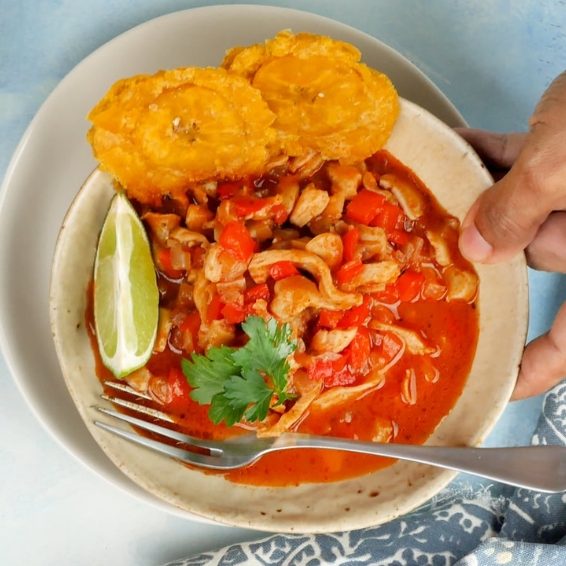
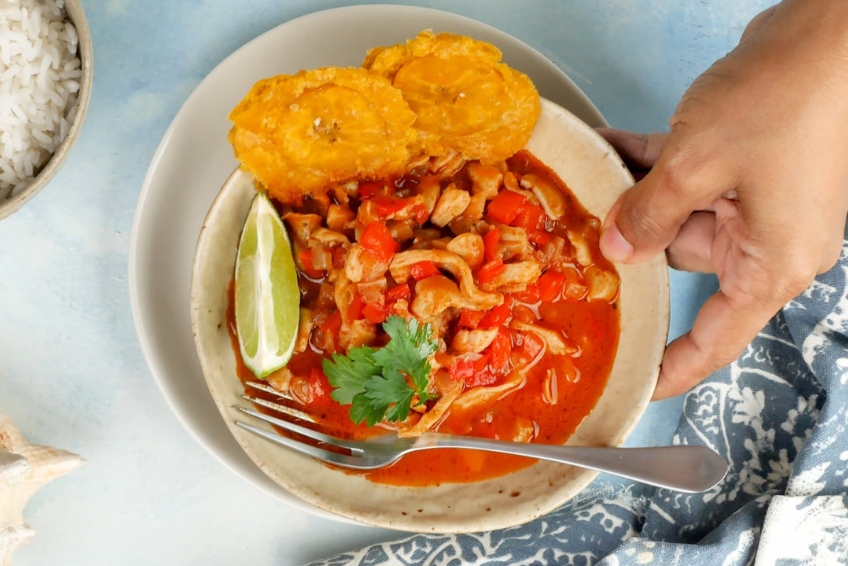
- Mofongo (mashed plantains with garlic, often stuffed with seafood)
- Pescado frito (whole fried fish with moro rice and tostones)
- Lambi (conch, prepared various ways)
- Cangrejo con tostones (crab with fried plantains).
For something quick and easy, many street vendors sell empanadas and yaniqueques (fried dough) for pocket change.
Meals across the region typically cost RD$300-1,000 ($5-17 USD). Cash only at virtually every establishment. Check out our Dominican Republic Food Guide for more on what to eat and how to order.
Where to Stay in Pedernales
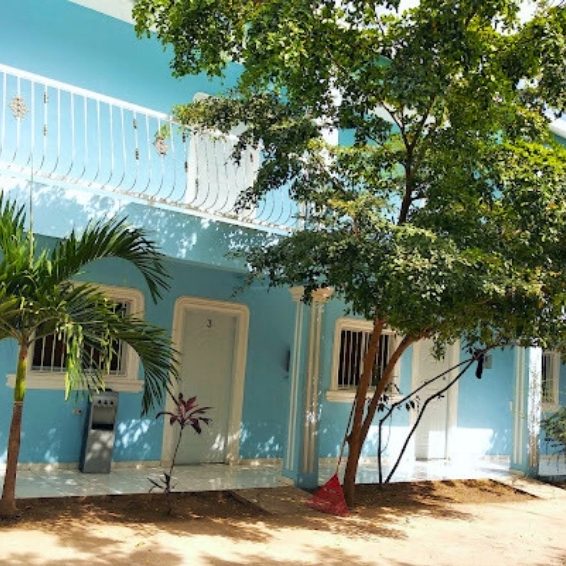
Let’s set expectations upfront. Pedernales is not a place with Hiltons and Hyatts (at least not yet). Accommodations range from basic to comfortable, with a few genuinely charming options that punch well above their price point. Everything is affordable by Caribbean standards, and the hospitality in this part of the DR tends to be exceptionally warm and personal. Here’s what’s available across every budget level.
Hotel Pedernales Italia
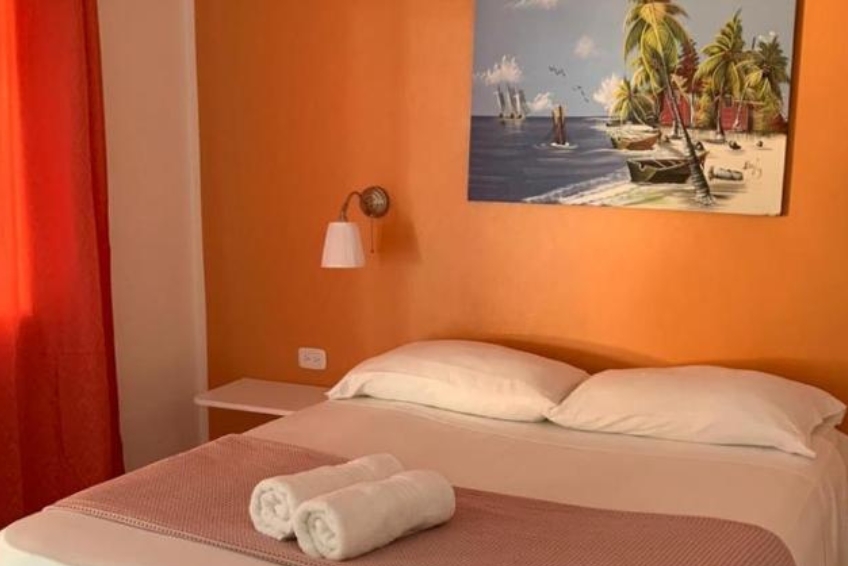
Hotel Pedernales Italia (around $37-44/night) is our top recommendation in Pedernales, full stop. Run by Italian couple Gianni and Viviana, this small 8-room guesthouse is the kind of place that makes you feel like a houseguest rather than a customer. The rooms are clean, air-conditioned, and comfortable. The homemade Italian-Dominican meals (breakfast included, dinner available) is some of the best food in Pedernales. But what really sets it apart is Gianni’s encyclopedic knowledge of the area and genuine willingness to help guests plan excursions, arrange transport, and navigate the region. He’ll give you more useful information about the surroundings than the Ministry of Tourism. The only caveat: Gianni speaks Spanish and Italian but has limited English, so brush up on your Spanish or bring a translation app. Book in advance, as eight rooms fill fast. Check Prices here
Hotel Vista de Aguilas Ecolodge
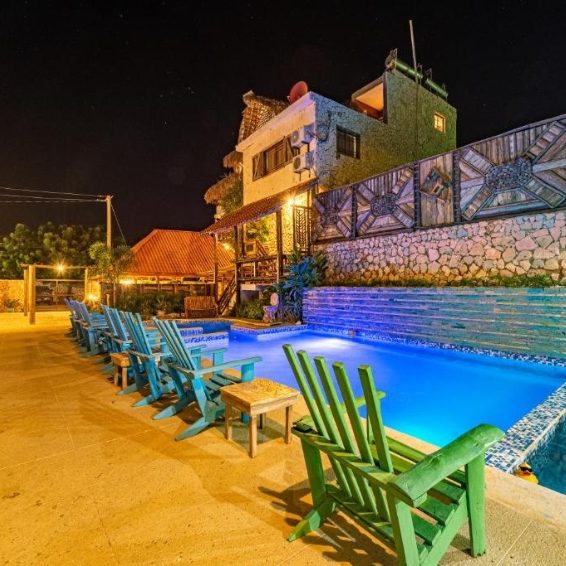
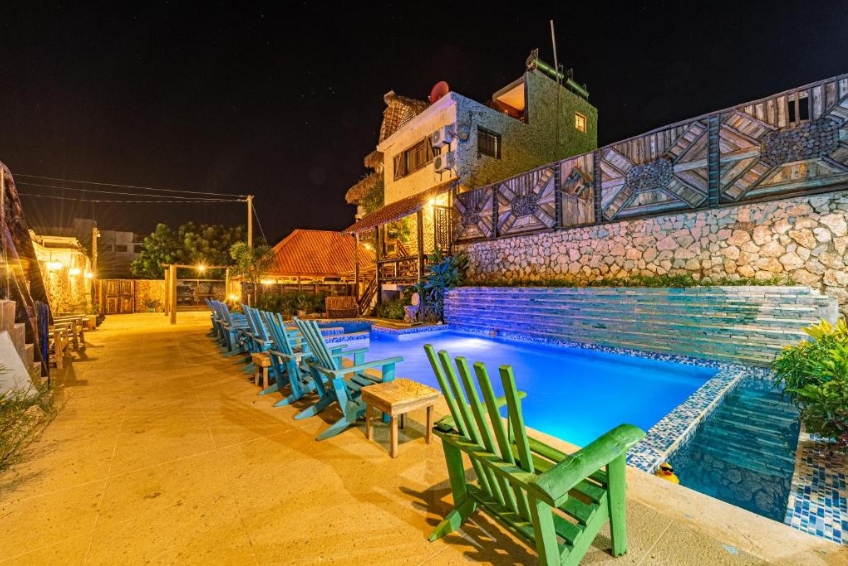
Hotel Vista de Aguilas Ecolodge (around $69-82/night) is the nicest physical property in town: handmade wooden furniture, seashell lamps, a small pool, spa services, and an on-site restaurant with farm-fresh juice. The rooms are air-conditioned with private bathrooms, and the complimentary cooked-to-order breakfast is solid. The staff goes out of their way to help with tour planning and logistics, and the overall feel is a genuine boutique eco-hotel. If you want the most comfortable room in Pedernales and don’t mind paying a bit more, this is the one. Our only nitpick: dinner options are limited, so plan to eat elsewhere for evening meals. Check Prices here
Hostal Dona Chava
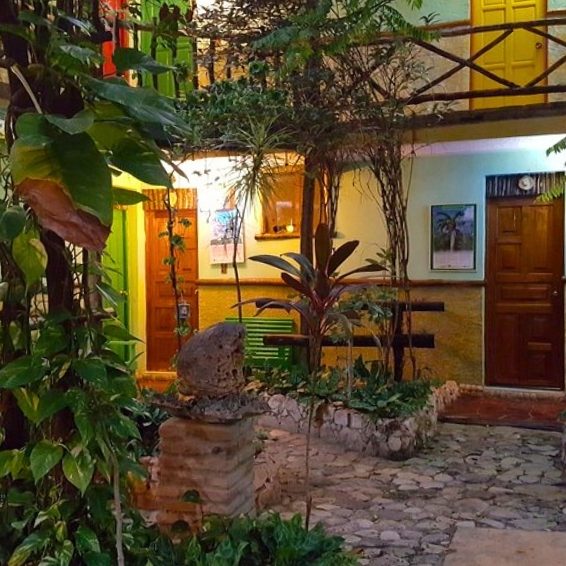
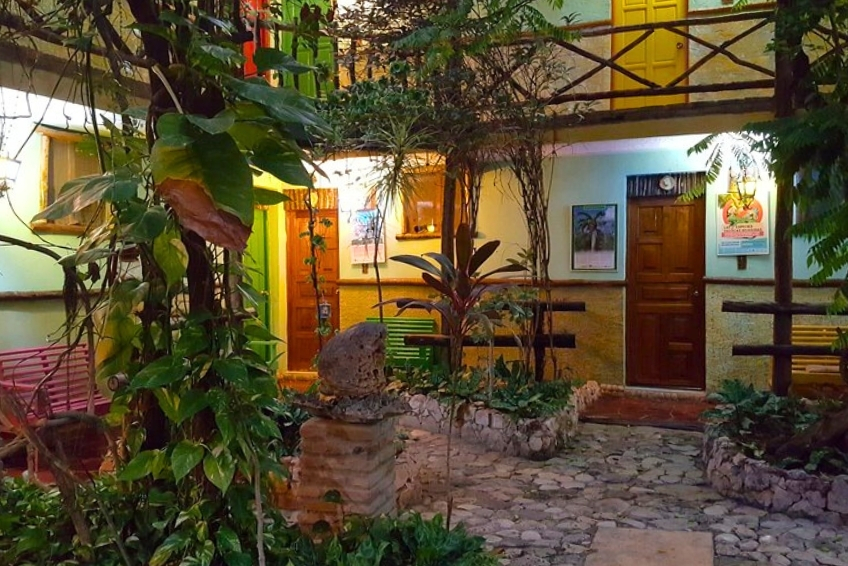
Hostal Dona Chava (around $30-45/night) is a wonderful surprise. Don’t let the word “hostal” fool you, this is a proper 21-room guesthouse that’s been family-run for three generations. The lush garden courtyard is one of the most relaxing spaces in Pedernales, filled with plants, comfortable rocking chairs, and a bar where you’ll end up trading stories with other travelers. Rooms have air conditioning, and the staff treats every guest like family. The location is excellent, right near the bus stop and a short walk to everything in town. If you’re on a budget, this is the best value in the region. If you’re not on a budget, it’s still worth considering for the atmosphere alone. Check Prices here


Glamping at Cabo Rojo
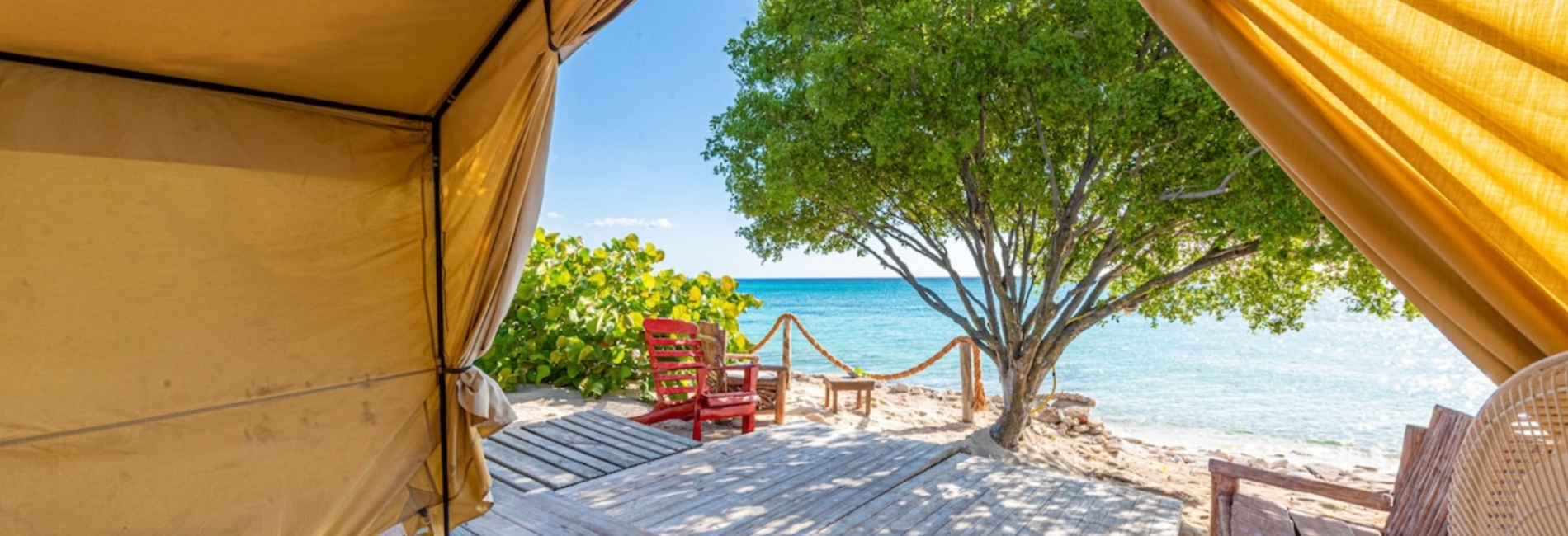
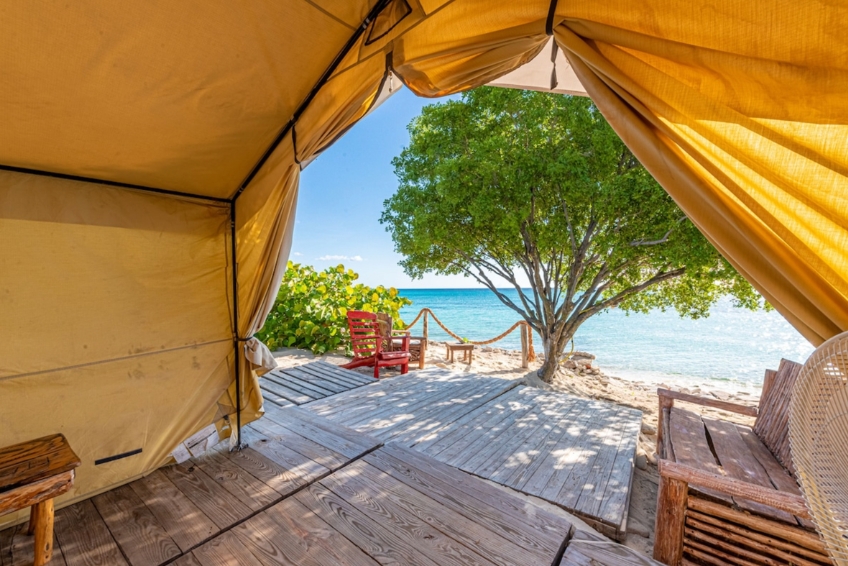
The signature adventure experience for the area is Glamping EcoLodge Cueva de las Aguilas (around $66-195/night depending on tent type, breakfast included), beachfront tents with real beds on a private beach near La Cueva. The location is legitimately stunning as you fall asleep to the sound of waves and wake up steps from the Caribbean. The on-site Rancho Tipico restaurant serves excellent seafood (it won Restaurant of the Year in 2025), and they arrange boat tours to Bahia de las Aguilas directly from the property. With 35+ tents, this is by far the most popular accommodation in the region, and it books up fast. That said, keep your expectations calibrated. There’s no air conditioning (fans only), no WiFi and shared bathrooms for most tent types. Heat and mosquitoes can be intense, especially May through October. On busy weekends and cruise ship days, the staff can get overwhelmed, and service slows down. We’ve seen tent zippers that needed repair and a general sense that popularity is outpacing maintenance. It’s glamping, not a resort. That being said, come with the right mindset and you’ll love it.
What's Coming Soon
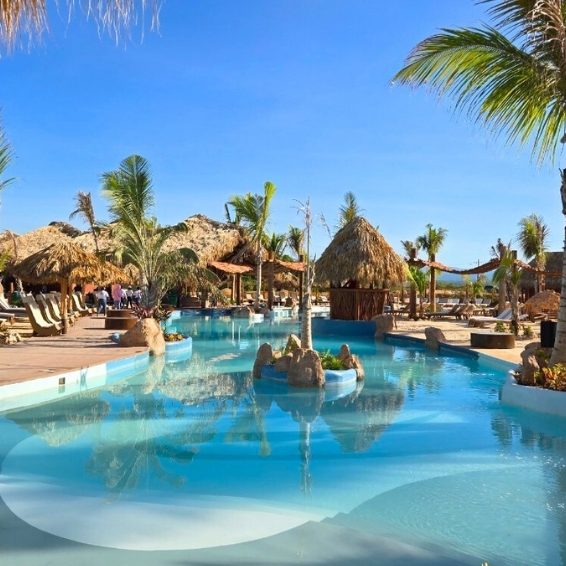
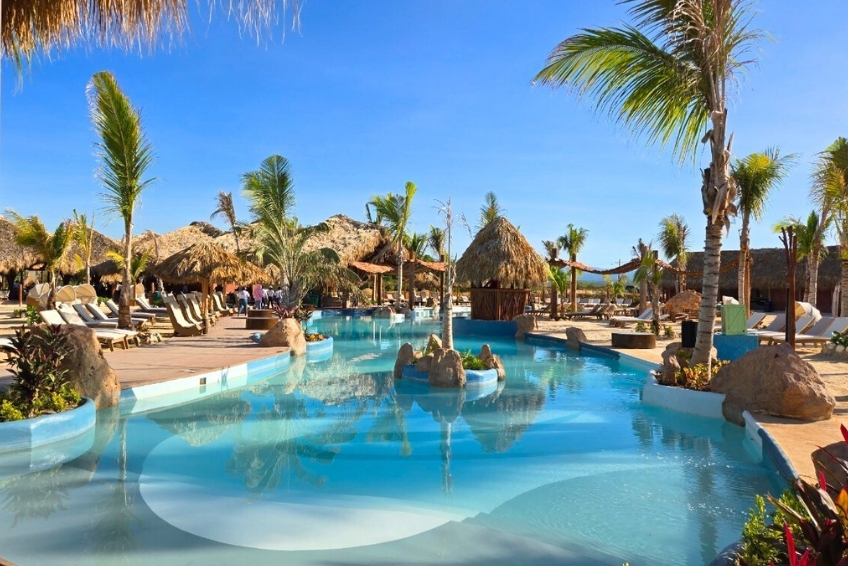
The Cabo Rojo mega-resort development will fundamentally change the accommodation landscape. Iberostar Cabo Rojo (588 rooms) is expected to open in early 2027 as the first major all-inclusive resort. La Quinta by Wyndham (110 rooms) was planned for 2025 but its current status is unclear. Secrets Hyatt (507 rooms) and Dreams Hyatt (504 rooms) are targeted for 2027. The long-term plan calls for 12,000 hotel rooms by 2033 from chains including Hilton, Marriott, Karisma, and Sunwing. The Pedernales of 2030 will look nothing like the Pedernales of today.

What to Pack
Pedernales demands more preparation than typical Caribbean destinations. The combination of desert-level heat, limited infrastructure, and remote attractions means you can’t just grab something from a gift shop if you forget it. There is no gift shop. Here’s what to bring.
The Essential Packing List
- Reef-safe/biodegradable sunscreen (Required in national park areas. Specialty brands are not available locally, so bring from home.)
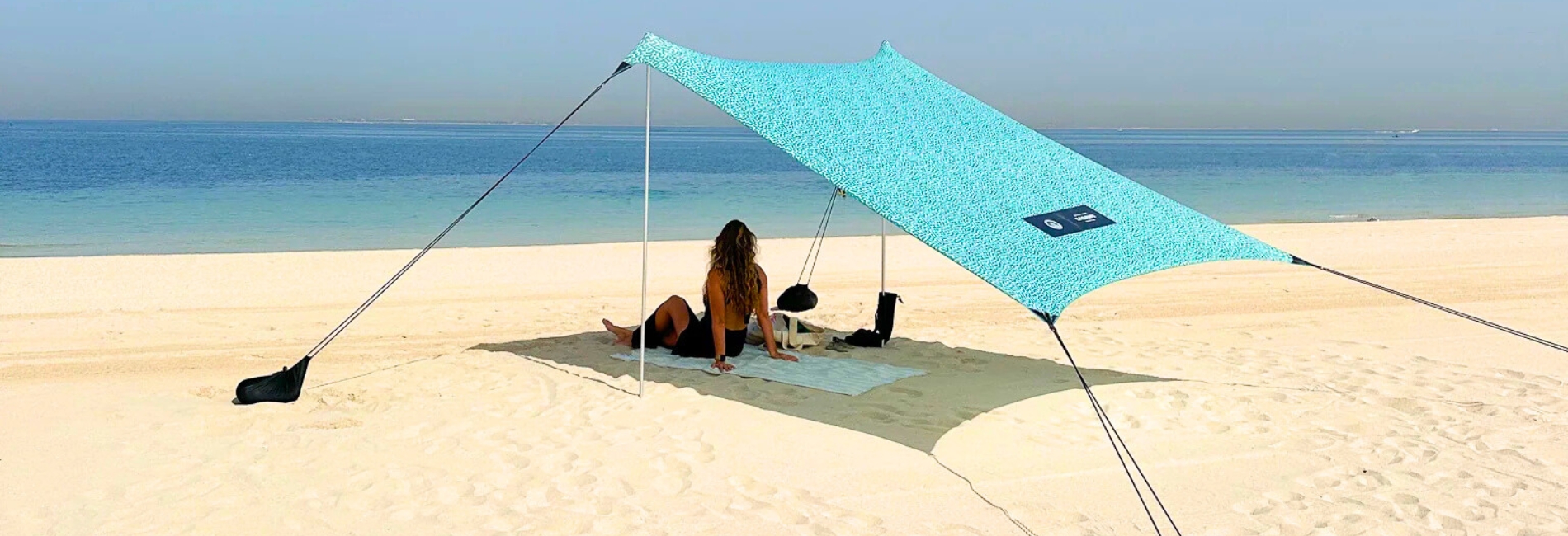
- Portable shade shelter or beach umbrella (Essential for Bahia de las Aguilas, which has zero natural shade)
- Beach towel
- At least 2 liters of water per person per excursion
- Cash in small-denomination Dominican pesos (ATMs are unreliable; credit cards rarely accepted)
- Portable battery charger (Power outages are frequent in town)
- Headlamp or flashlight (For power outages and early-morning excursions)
- Hat, polarized sunglasses, and UV-protective clothing
- Water shoes (For boat boarding, Laguna de Oviedo’s muddy shores, and rocky pool areas like Pozos de Romeo)
- Sturdy closed-toe hiking boots (For Hoyo de Pelempito and Sierra de Bahoruco)
- Binoculars (Essential for Laguna de Oviedo; trust us on this one)
- Waterproof bag for electronics
- Trash bags to pack out everything you bring in
- DEET-based mosquito repellent (Important for lagoon areas at dusk)
- Offline maps downloaded before arrival (Cell coverage is unreliable outside town)
- Spanish phrasebook or offline translation app (English is rarely spoken)
- All prescription medications and specialty toiletries (No well-stocked pharmacies exist)
If visiting Sierra de Bahoruco’s mountain elevations, pack a light jacket or fleece. Temperatures can drop to 10°C (50°F) at dawn above 2,000 meters, which will shock you after sweating through the 34°C desert floor.
Cell phone signal ranges from adequate in town (Claro has the best coverage) to nonexistent at many attractions. Plan accordingly and tell someone your itinerary.
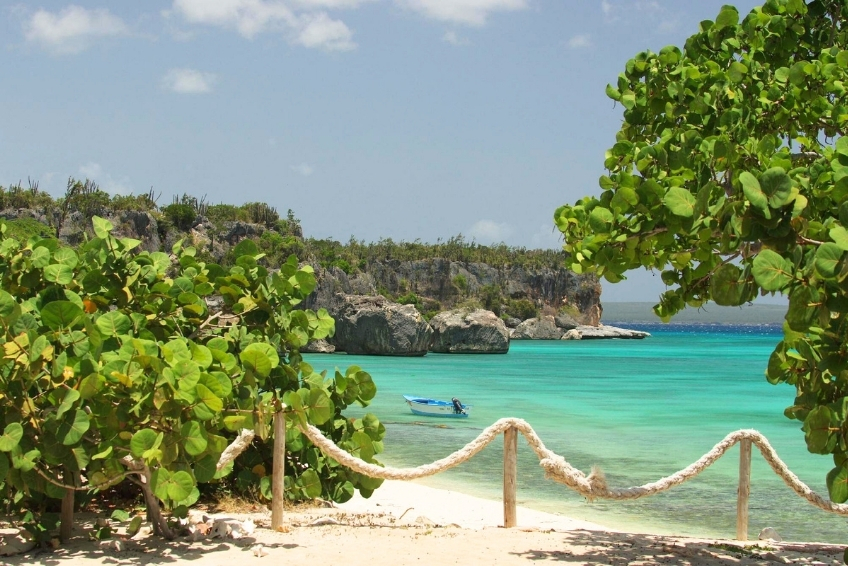
Best Time to Visit
Pedernales has a hot semi-arid climate that barely changes throughout the year, with daytime highs around 89°F in every month and annual rainfall averaging just 390-580 mm, making it one of the driest places in the Caribbean. The landscape of giant cacti and scrubland has more in common with Arizona than a tropical island. That said, there are real differences between seasons, and when you visit will shape your experience.
Dry Season
December through April is when you want to be here. Skies are reliably sunny, temperatures sit in the comfortable low-to-mid 80s, and January through February sees essentially zero significant rainfall. This is also prime time for flamingo viewing at Laguna de Oviedo, as migratory waterbirds peak during the northern winter months (November-March). Roads are in their best condition, seas are calm for boat trips to Bahia de las Aguilas, and diving visibility is at its peak. Even during high season, “crowded” in Pedernales means having most attractions largely to yourself. Accommodations fill up faster and prices tick up slightly, but everything remains affordable by Caribbean standards.
Shoulder Season
May-June and November are the months we’d pick if we could choose freely. Rain risk bumps up a notch (mostly quick afternoon showers that pass in 20 minutes), but visitor numbers drop off dramatically, hotel availability opens up, and prices come down. The weather is still excellent most days. If your schedule is flexible, these months offer the best balance of good conditions and genuine solitude.
Rainy Season
July through October tests your commitment. This is the peak rainy season and the heart of hurricane season, and daytime temperatures push well past 100°F. Pedernales still gets far less rain than the rest of the DR during these months (at most 2-6 days of significant precipitation monthly), but the heat at exposed attractions like Bahia de las Aguilas and Laguna de Oviedo becomes genuinely punishing. Roads can deteriorate after heavy downpours, especially the Barahona coastal highway, and boat rides get rougher.
Hurricane season officially runs June 1 through November 30 (peaking August-October). While a direct hit on Pedernales is relatively rare, the old town of Oviedo was destroyed by Hurricane Ines in 1966. Monitor forecasts and purchase travel insurance.
The town celebrates its Fiestas Patronales on January 21 (Nuestra Senora de la Altagracia), marked by processions and celebrations that offer a window into local culture.

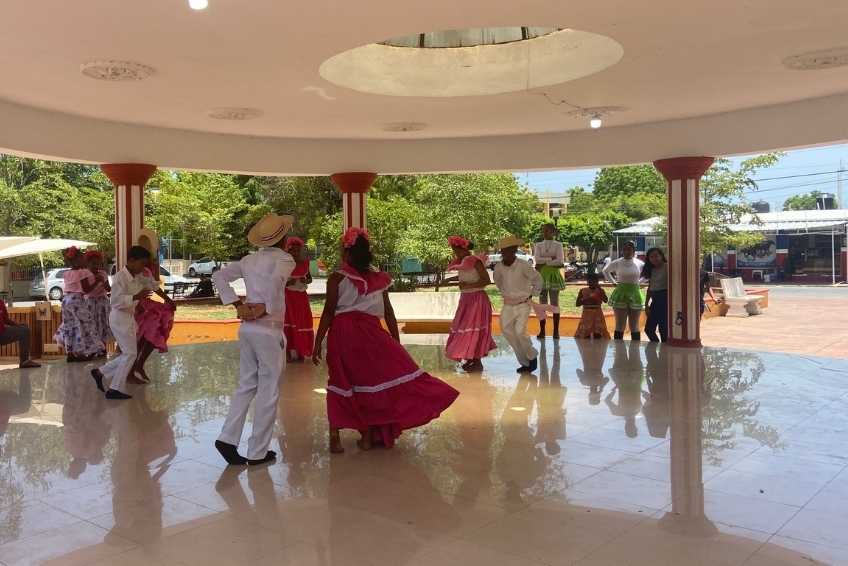
Pedernales FAQ
Frequently Asked Questions
Is Pedernales worth visiting, or should I just do a day trip to Bahia de las Aguilas?
Pedernales deserves at least 2-3 nights to properly explore the region. While Bahia de las Aguilas is the headline attraction, limiting yourself to a day trip from Santo Domingo or Barahona means missing Hoyo de Pelempito, Laguna de Oviedo, the border market, Sierra de Bahoruco, and the town’s own beach and food scene. We cover each attraction in detail, including logistics and timing, in our Things To Do section above.
Is Pedernales safe for tourists?
Pedernales is generally considered safe for tourists. The small-town atmosphere means locals tend to look out for visitors, and violent crime against tourists is extremely rare. Standard precautions apply: carry your passport (CESFRONT conducts regular document checks), avoid flashing expensive electronics, and stay aware on market days. We cover safety considerations in detail in our About The Town section above.
Do I need a 4x4 to visit Pedernales?
You don’t strictly need a 4×4 to reach Pedernales town or Bahia de las Aguilas (the road to La Cueva is manageable in a sedan at low speed), but you will need one for Hoyo de Pelempito, Sierra de Bahoruco, and several other off-road attractions. If you plan to explore beyond just the beach, an SUV or 4×4 is strongly recommended. We break down vehicle requirements for each attraction in our guide above.
Are there ATMs and can I use credit cards in Pedernales?
ATM access is unreliable. One bank branch exists in town, and the ATM frequently runs out of cash on weekends. Credit cards are rarely accepted at any establishment. We strongly recommend withdrawing sufficient Dominican pesos in Barahona or Santo Domingo before arriving. We cover all practical infrastructure details in our About The Town section above.
How far is Pedernales from Santo Domingo?
Pedernales is approximately 330 km (205 miles) from Santo Domingo, a drive of 4.5-5 hours via the southern route through Barahona. The road conditions vary dramatically, with a particularly scenic but dangerous coastal stretch between Barahona and Enriquillo. We break down every route option, including buses and private transfers, in our How To Get There section above.
What is the Cabo Rojo development and how will it affect Pedernales?
A $2.2 billion mega-resort project at nearby Cabo Rojo is bringing international hotel chains, a cruise port (already operational), and a new international airport (expected mid-2026) to the area. Seven major hotel chains have signed on, with the first all-inclusive (Iberostar, 588 rooms) expected in late 2026. The long-term plan calls for 12,000 hotel rooms by 2033.
Is there a cruise port near Pedernales?
Yes. The Port of Cabo Rojo opened in January 2024 and is located about 20 km southeast of Pedernales town. It welcomed 176,690 cruise passengers across 42 operations in 2025 from Norwegian, Royal Caribbean, MSC, and other major lines. A free bus runs between the port and Pedernales town on ship days. Check out our Cabo Rojo Visitors Guide for complete cruise port details.
What language is spoken in Pedernales?
Spanish is the dominant language, with Haitian Creole widely spoken due to the border community. English is rarely spoken outside the cruise port area. A Spanish phrasebook or offline translation app is close to essential for getting the most out of your visit. We cover language and communication tips throughout our guide above.
When is the best time to visit Pedernales?
December through April offers the best overall weather, the least rain, and peak flamingo viewing at Laguna de Oviedo. May-June and November are our pick for the sweet spot between good weather and fewer crowds. We compare all three seasons with specific recommendations in our Best Time to Visit section above.
Can I cross the border into Haiti from Pedernales?
Pedernales is one of four official Dominican-Haitian land crossings. The crossing to Anse-a-Pitres is monitored by CESFRONT. While some travelers have crossed informally, we strongly recommend checking current travel advisories and border conditions before attempting this. We cover the border crossing and binational market in detail in our About The Town section above.
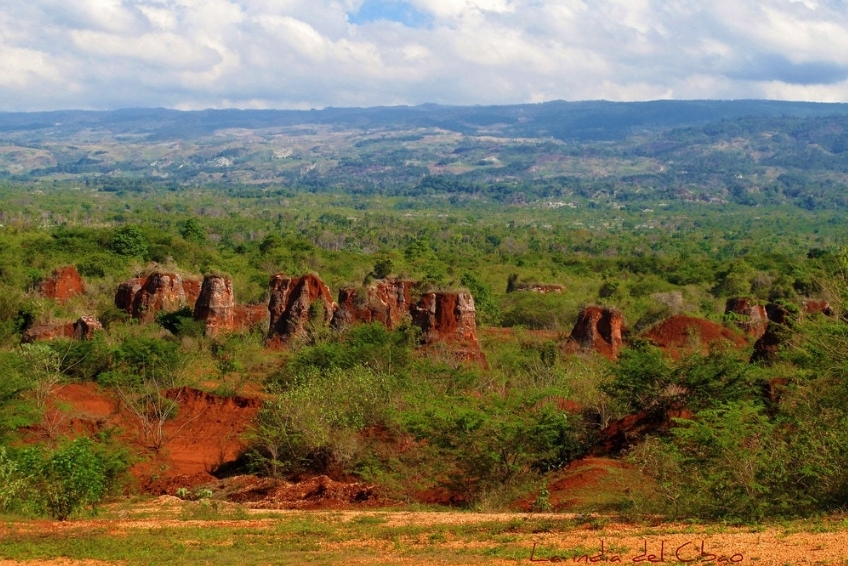
Deep in the mountains of southwest Dominican Republic, Hoyo de Pelempito is a geological depression so vast that clouds gather inside it. Over 700 meters deep, ringed by walls that rise to 1,800 meters, and sheltering 13 endemic bird species: this is the Caribbean's most dramatic natural wonder.
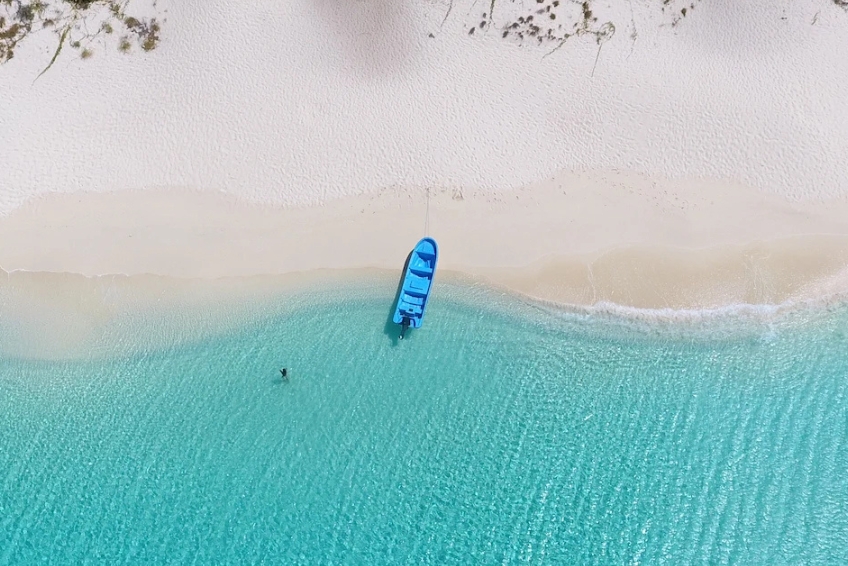
Bahia de las Aguilas is the Dominican Republic's most beautiful beach, and one of its hardest to reach. This guide covers everything you need to plan your visit: how to get there from Cabo Rojo cruise port or Pedernales, boat logistics, costs, what to pack, where to eat, and honest advice on what to expect.
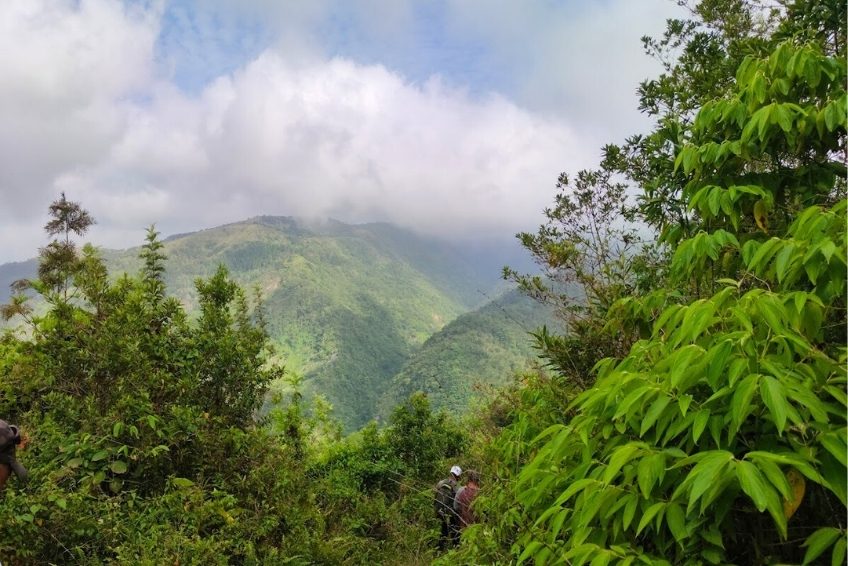
The Caribbean's most biodiverse mountain range, Sierra de Bahoruco National Park shelters 30 of Hispaniola's endemic bird species, ancient cloud forests, and wildlife found nowhere else on Earth. This complete guide covers how to get there, what to do, where to stay, and everything else you need to plan your visit.
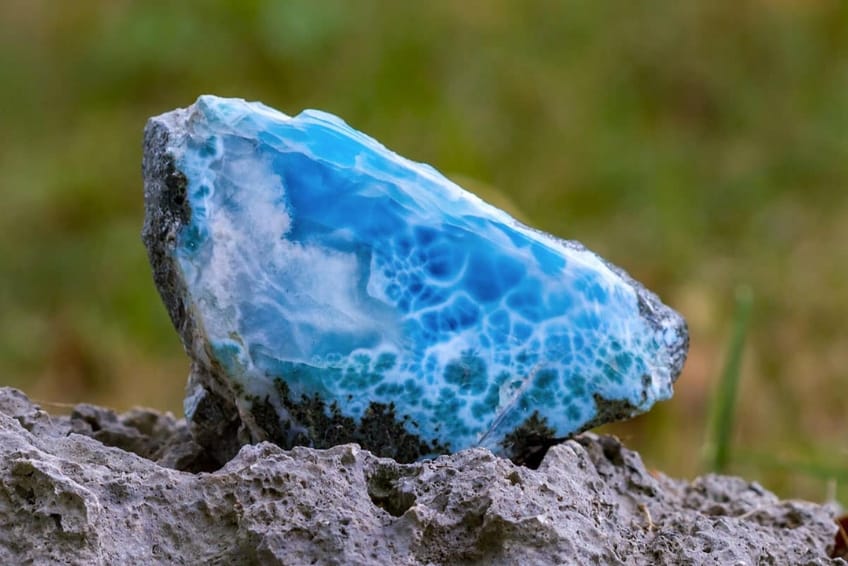
Larimar is a rare blue gemstone found in only one place on Earth. A single mountainside in the Dominican Republic's southwest, within reach of Cabo Rojo. Here's what it is, why it only exists here, how to buy the real thing, and how to visit the mine yourself.
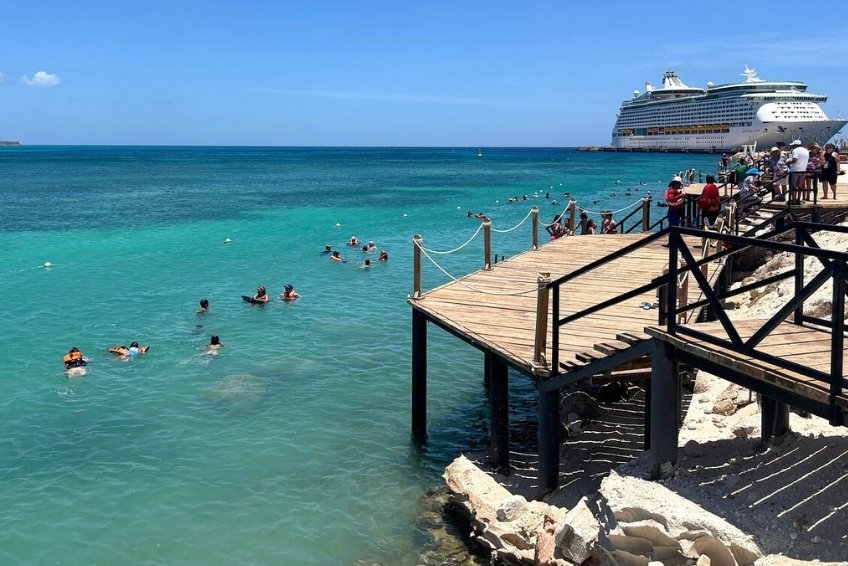
Port Cabo Rojo opened in 2024 on the remote southwest coast of the Dominican Republic, and what surrounds it is extraordinary. Bahia de las Aguilas, one of the world's great beaches, is a short boat ride away. This guide covers everything you need for your port day.
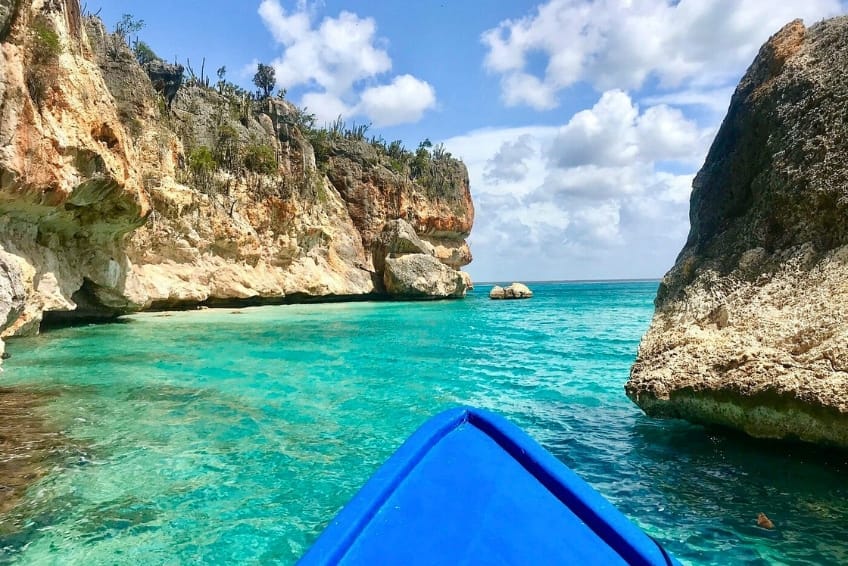
Cabo Rojo sits on the remote southwest coast of the Dominican Republic, home to Bahia de las Aguilas, an 8-kilometer pristine beach routinely ranked among the Caribbean's most beautiful. A $2.2 billion development is transforming the region, but right now you can still experience something rare. A world-class destination before the crowds arrive.
Port Cabo Rojo is one of the Caribbean's newest and most remote cruise stops, and the shore excursion decision looks very different here than at busier ports. This guide covers everything: what your cruise line offers, how to visit Bahia de las Aguilas independently, and how to make the most of your port day.
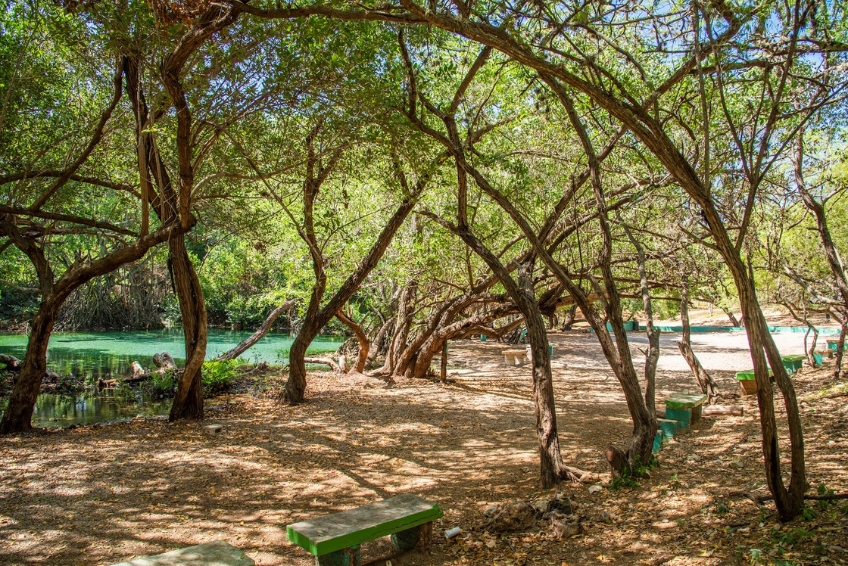
Jaragua National Park is the largest protected area in the Caribbean, home to Bahia de las Aguilas, thousands of flamingos at Laguna de Oviedo, and wildlife found nowhere else on Earth. This guide covers how to get there, 10 things to do, tour options and pricing, where to eat and stay in Pedernales, what to pack, and the best time to visit.
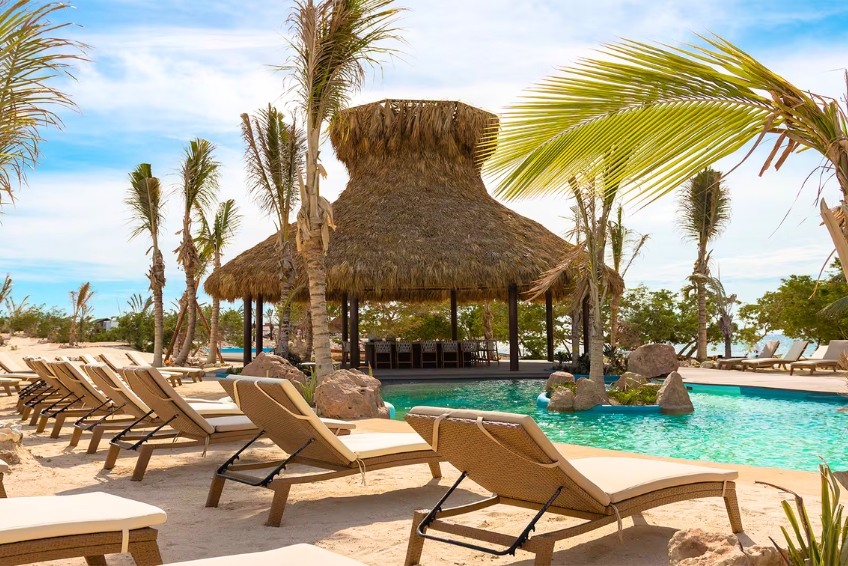
Baby Beach at Port Cabo Rojo is a capacity-controlled beach club with an unlimited open bar, sandy Caribbean swimming, kayaks, and a freshwater pool. But is it worth the price? This guide covers exactly what's included, what it costs, who should book it, and how to get the most out of your day.