
Baby Beach at Port Cabo Rojo, DR
 Daniel Mode
Daniel Mode
Daniel Mode Laura Schulthies
Laura Schulthies
Laura SchulthiesPort Cabo Rojo packs a lot into a single port day. There’s a free pool area, a lazy river, carnival rides, an ATV track, ocean swimming from a dock, and live entertainment. You could certainly fill the day without spending a dollar beyond food and drinks.
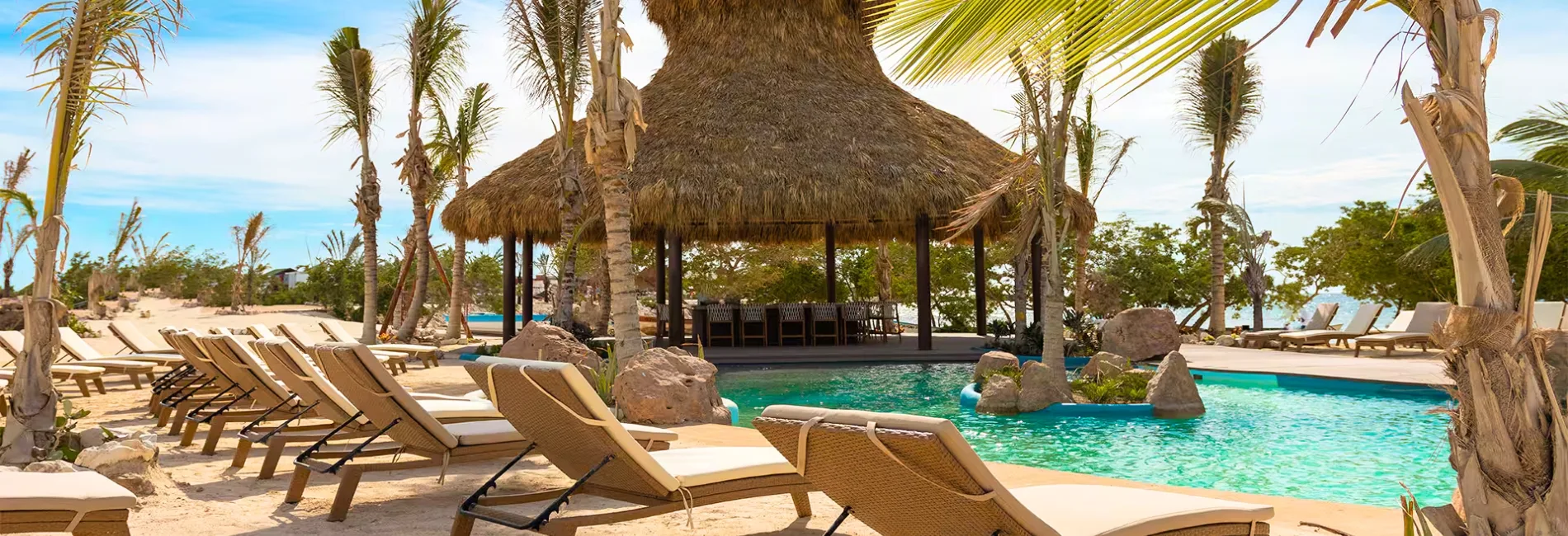
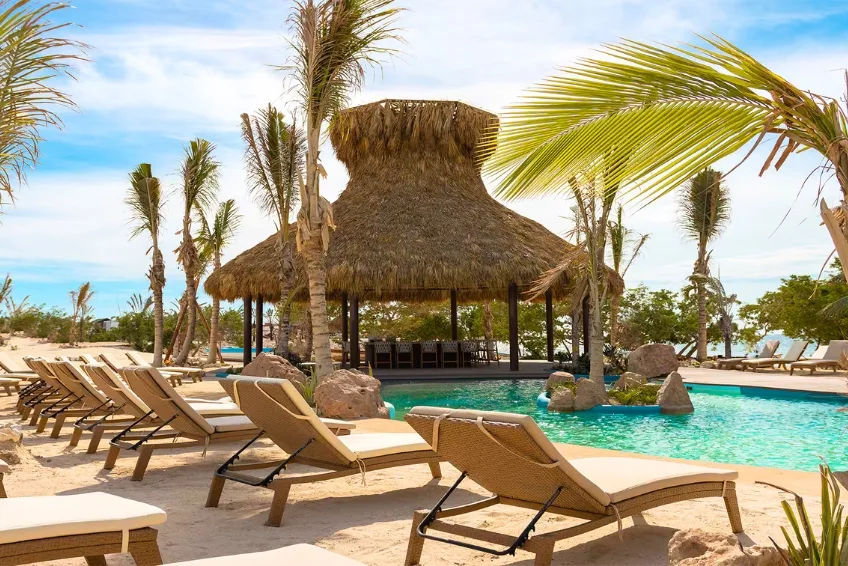
So where does Baby Beach fit into all of that? Baby Beach is a separate, ticketed beach club at the far end of the port, and it’s the only spot at the Cabo Rojo Port with a sandy beach. It comes with an unlimited open bar, reserved lounge chairs, kayaks, paddleboards, and a freshwater pool. The capacity is controlled, which keeps it significantly calmer than the rest of the port complex on big-ship days.
“Is it worth it?” is the most-asked question about this upgrade. The honest answer depends on who’s asking. For drinkers who want a relaxed day on a sandy beach without fighting for a chair, the math usually works out. For non-drinkers, sightseers, or anyone eyeing a nearby excursion, it probably doesn’t. Here’s everything you need to know about Baby Beach to make your choice.
This article contains affiliate links. If you click on our links, we may earn a small commission at no extra cost to you. This helps us continue to offer free travel guides, but does not influence our recommendations in any way. Thanks for supporting independent travel content.
Contents
Where Is Baby Beach, Cabo Rojo?

The Port of Cabo Rojo and Baby Beach sit on the southwest coast of the Dominican Republic in Pedernales Province, at the far western end of the country’s Caribbean shoreline. It’s as remote as Dominican destinations get, roughly five to six hours from Santo Domingo by road (it will shorten as infrastructure improves), about 2.5 hours from Barahona, and a 20 minute drive from the nearest town, Pedernales Town, which sits on the Haiti border.
The Sierra de Bahoruco mountains rise to the north, the Caribbean coast stretches east toward Bahia de las Aguilas, and Haiti is about 20 kilometers to the west.
What Is Baby Beach?
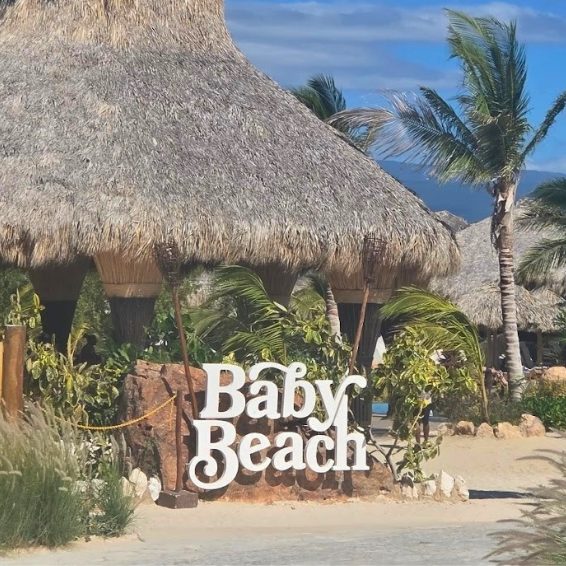
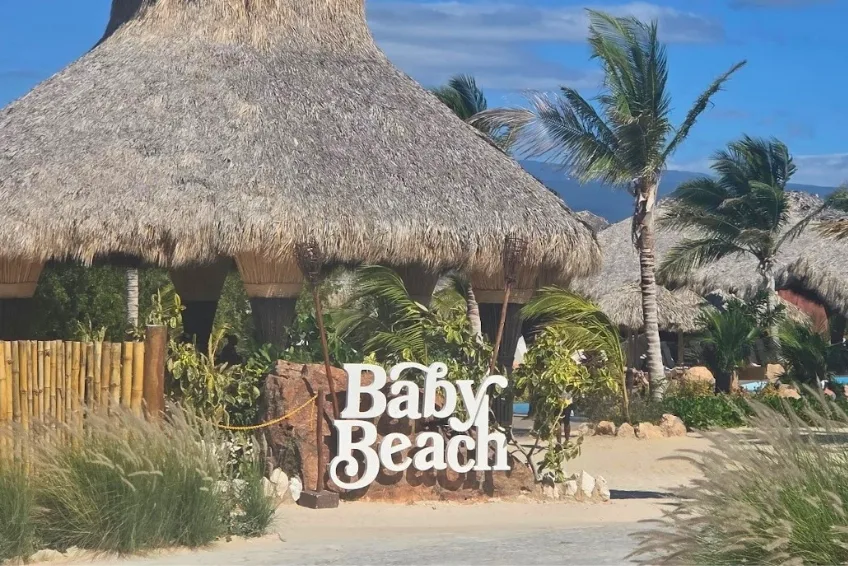
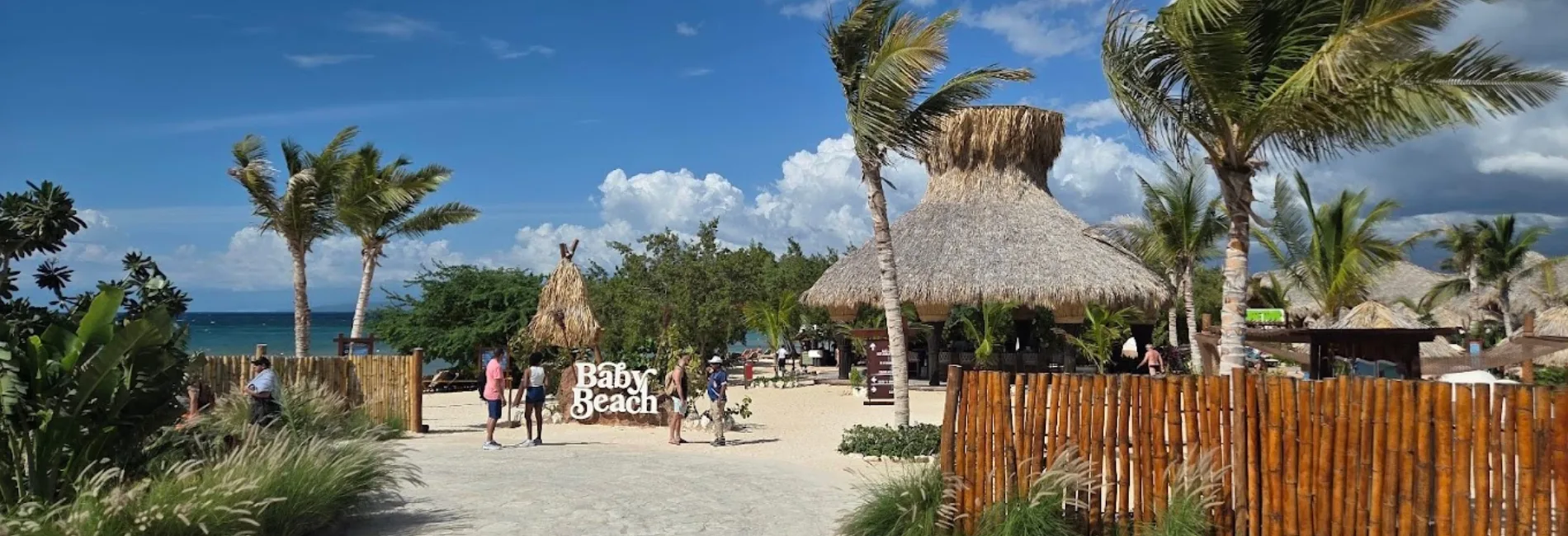
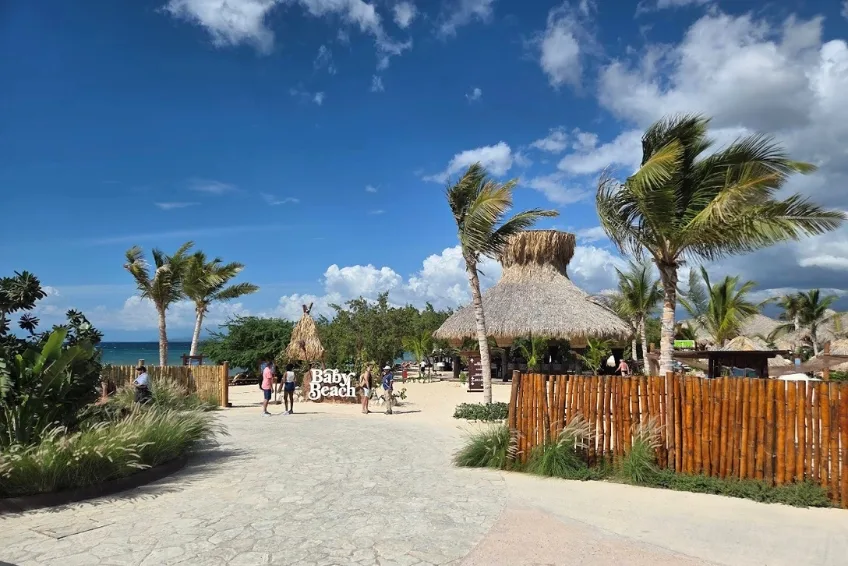
Baby Beach is a ticketed, capacity-controlled beach club at the far end of Port Cabo Rojo’s pier complex. It sits past the shopping village, the themed streets, and the free pool area, separated from the rest of the port by a gate. The gate is the whole point. It is what keeps the experience manageable while the rest of the crowded port complex handles thousands of passengers around it.
The name has nothing to do with children. It is simply a small, sheltered cove of the kind that earns the nickname “baby beach” in various destinations across the Caribbean.
Port Cabo Rojo opened on January 4, 2024 and is operated by ITM Group, the Mexican company that also manages Costa Maya in Mexico and Taino Bay in Puerto Plata. Norwegian, Royal Caribbean, Holland America, MSC, Costa, Azamara, and AIDA all currently call at the port. Read all about the port in our comprehensive Cabo Rojo Cruise Port Guide.
What's Included (and What Isn't)
The cruise line descriptions are deliberately vague, and the gap between what sounds included and what actually costs extra has surprised more than a few passengers. Here’s the real info for you.
What is Included with Your Ticket
Every Baby Beach package includes:
- Unlimited drinks from the open bar all day
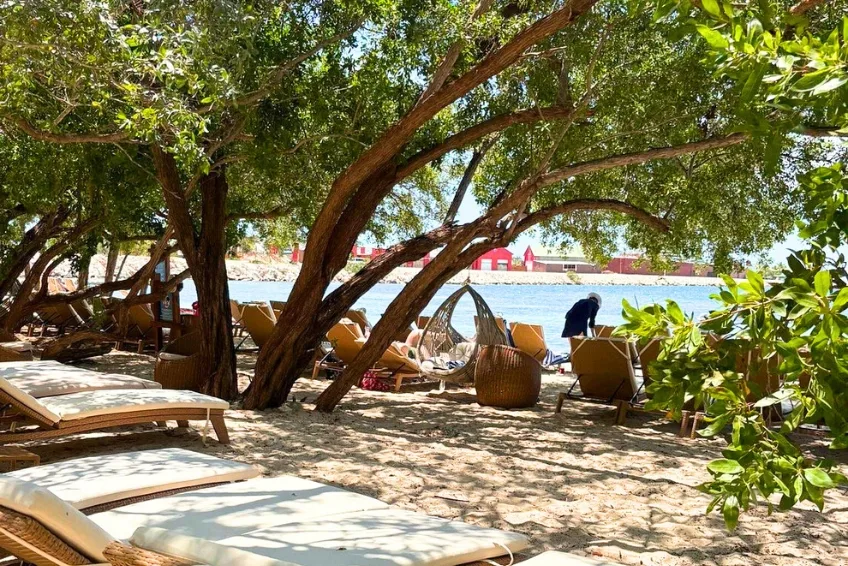
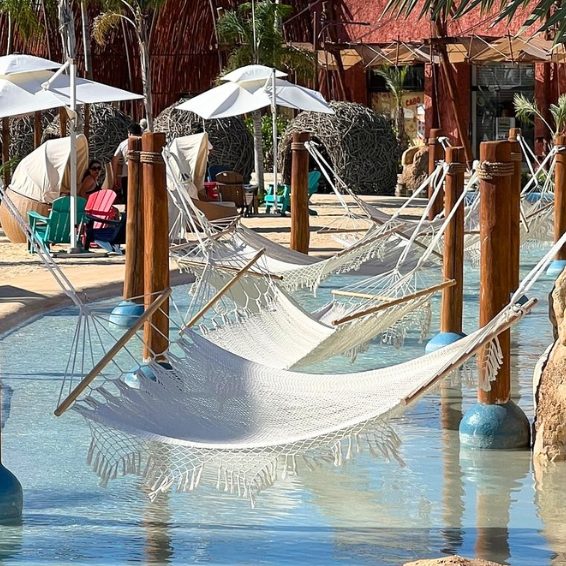
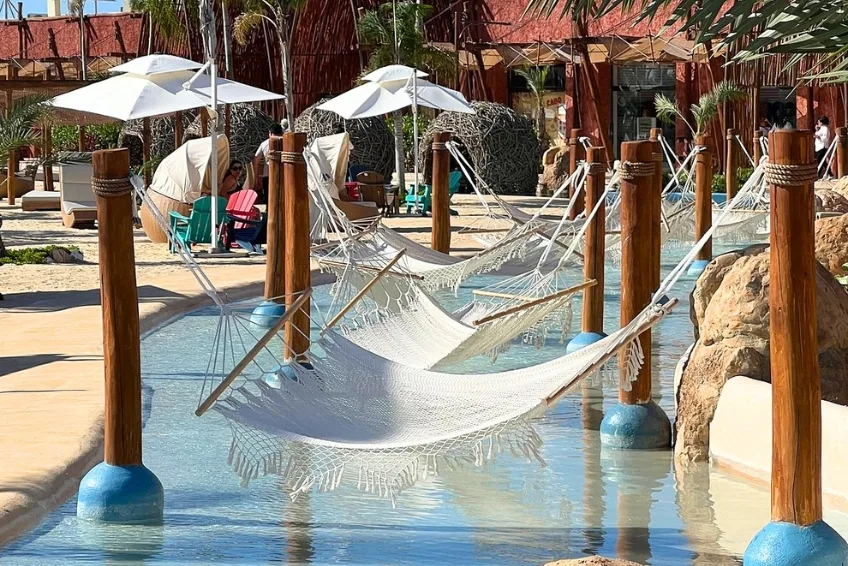
- Reserved lounge chairs in both sun and shade (including swinging basket chairs)
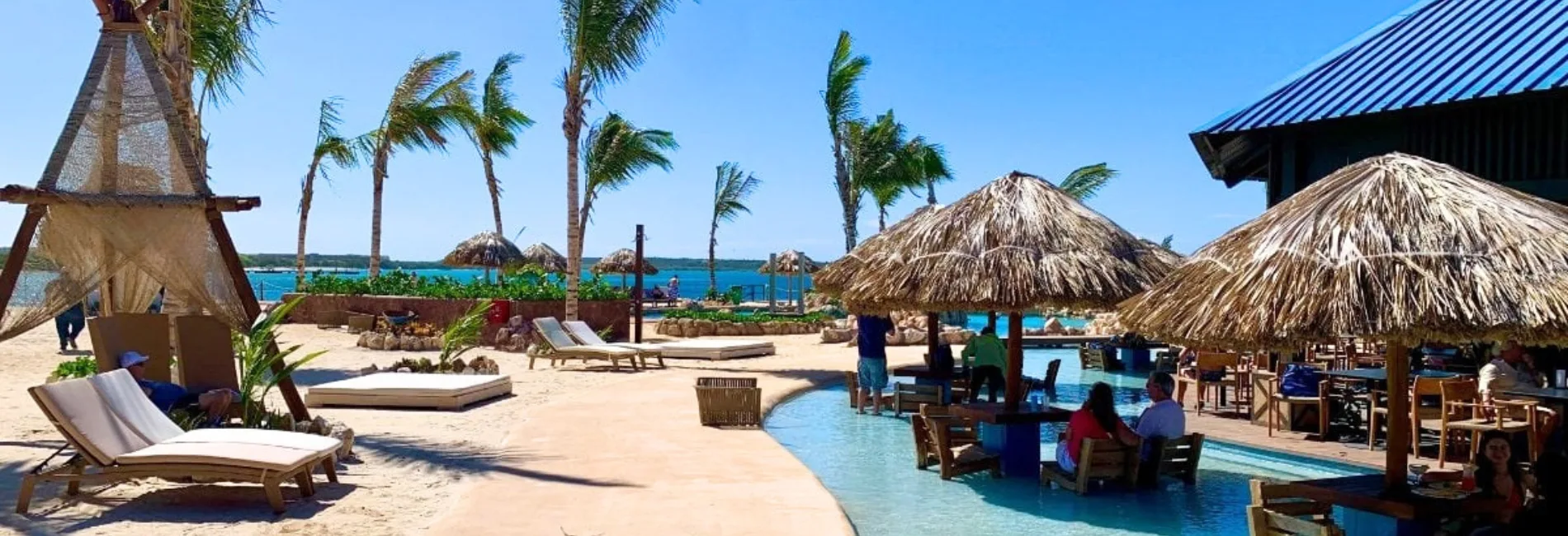
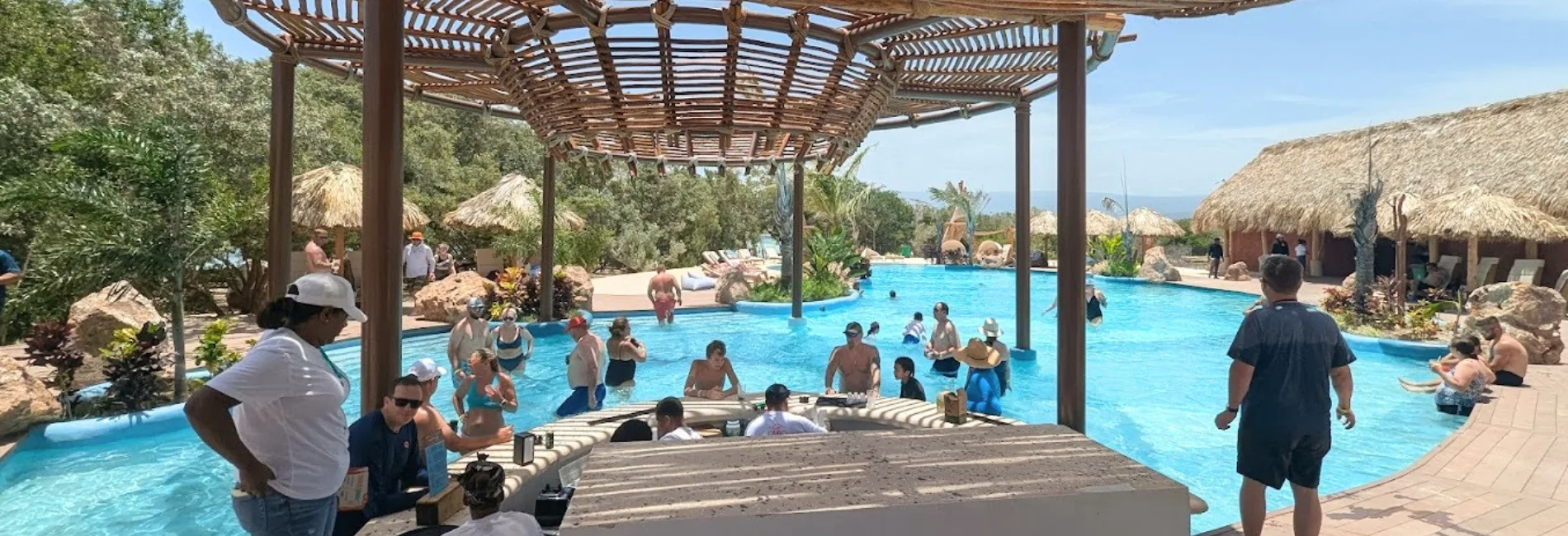
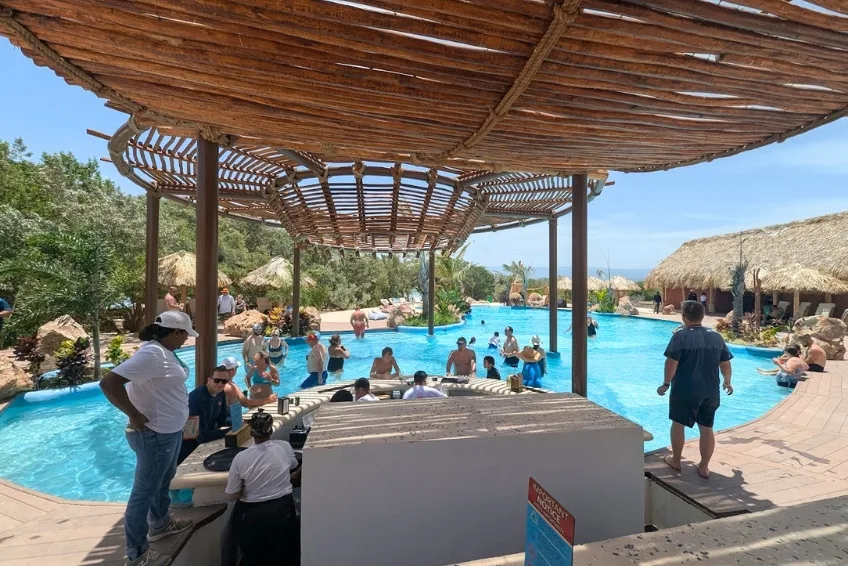
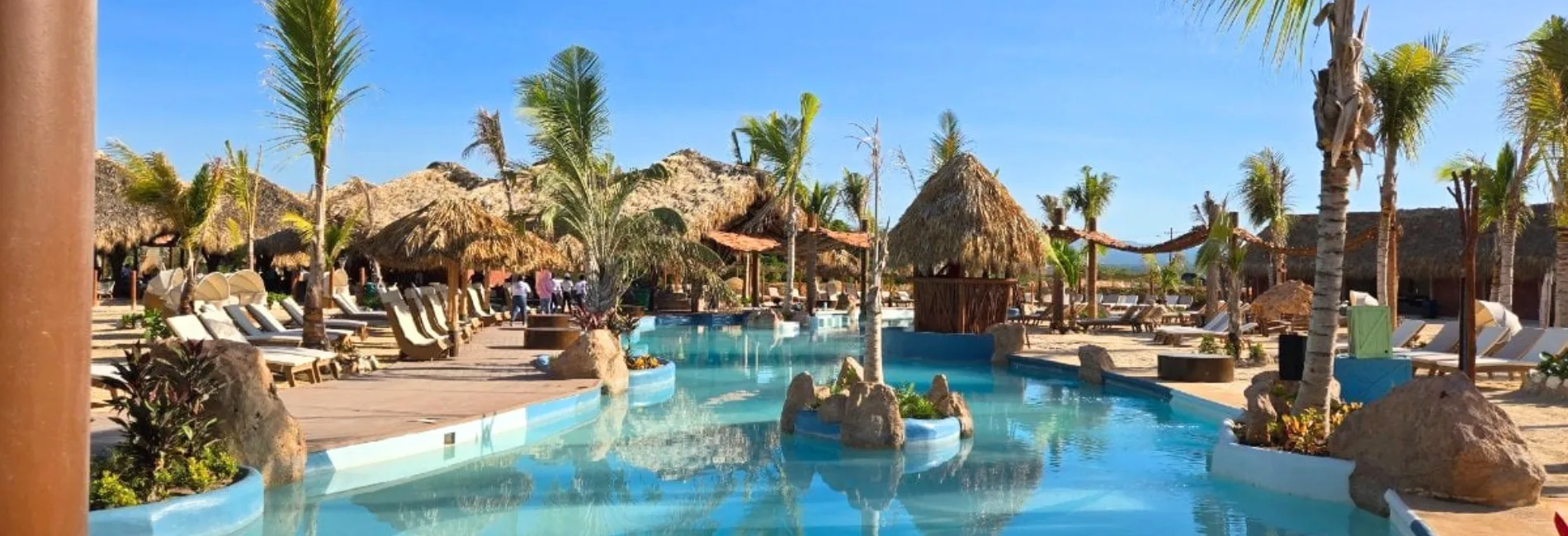
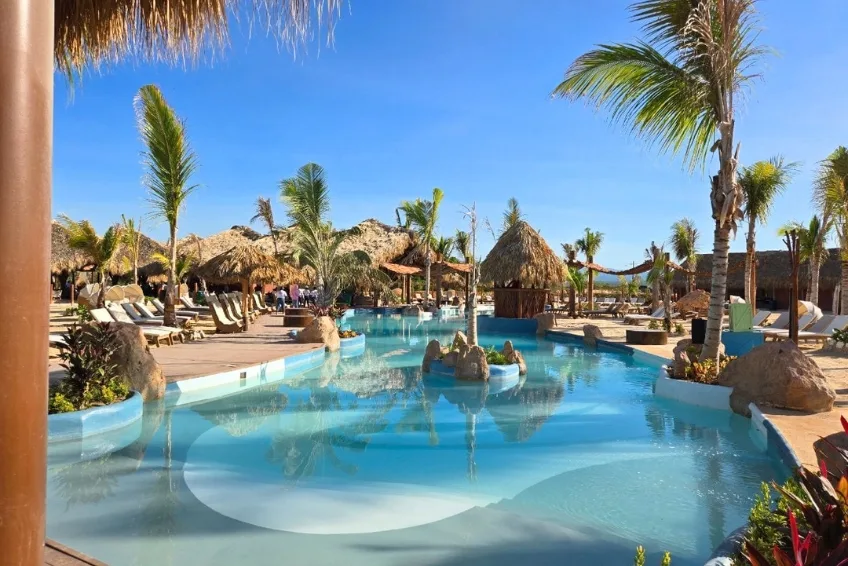
- Access to a freshwater pool with a swim-up bar
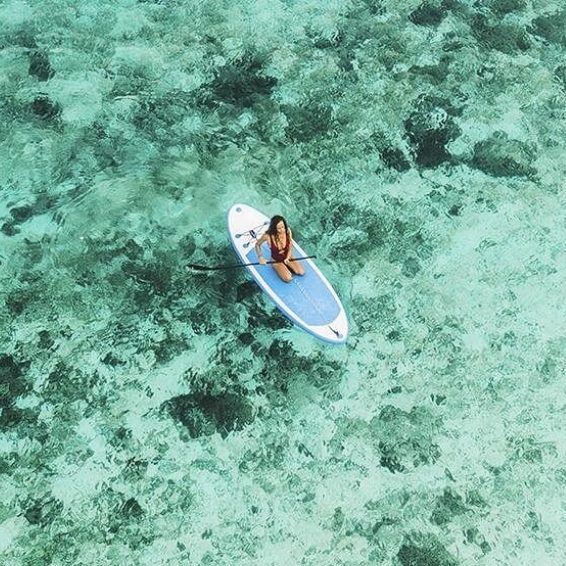
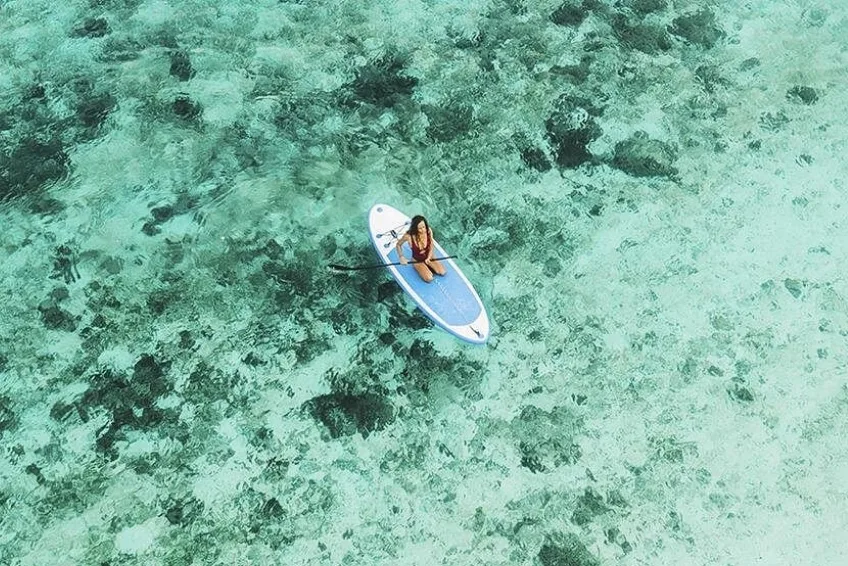
- Crystal-clear kayaks and stand-up paddleboards
- Ocean swimming from the sandy beach
- Restrooms with showers and changing facilities
- Children’s playground.
That is a genuinely solid list for a cruise port excursion.

What the "Open Bar" Actually Means
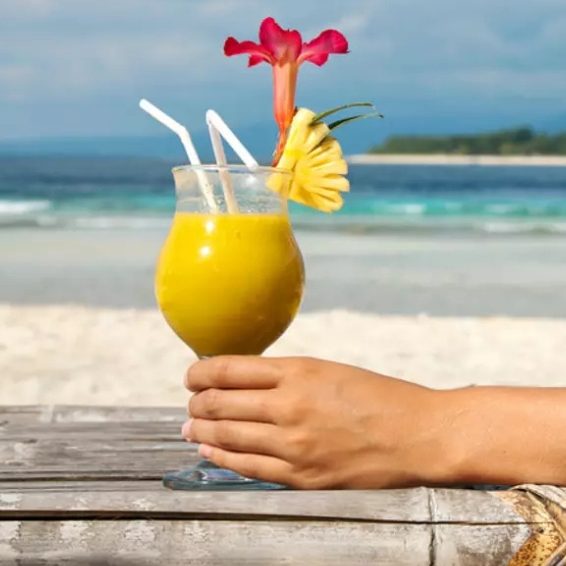
Cruise line descriptions use language like “unlimited refreshing drinks from a select open-bar menu” or “national drinks and alcoholic beverages.” In the Dominican Republic, that means Presidente beer and Brugal rum-based cocktails, the two brands you will find everywhere in the country. Soft drinks, bottled water, and coffee are also included.
Two things that may catch you off guard. First, beers are served in 8-ounce cups, roughly half a standard bottle. This is the most obvious quirk, and it surprises almost everyone. Second, cocktail quality can be a mixed bag. Bartenders are working from a limited repertoire, and pours can be weak at times.
Insider Tips: Skip the bar line entirely. Servers circulate to the lounge chairs and are almost always faster than standing at the bar. Also, you can ask for rum poured over ice rather than pre-mixed cocktails to get a stronger drink without paying anything extra.
What is Not Included
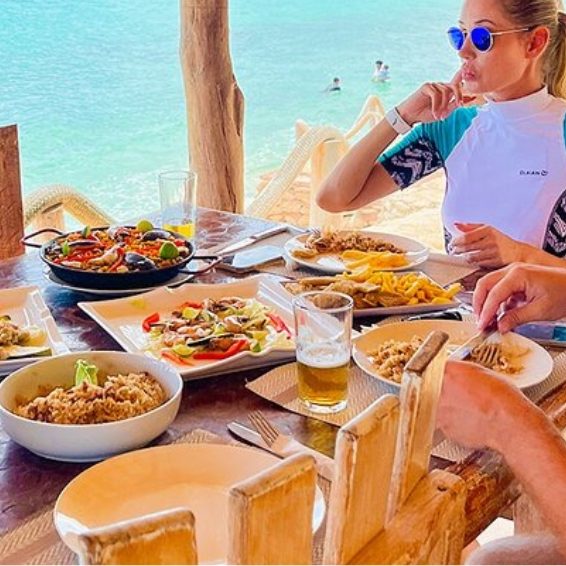
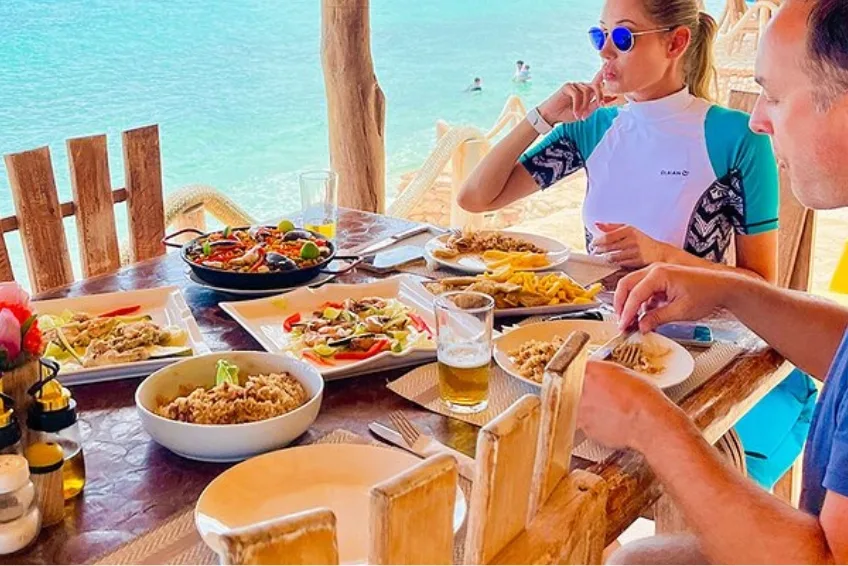
Food is purchased separately at four on-site restaurants and bars. Prices are consistently reasonable, so budget $10–$15 per plate as a working estimate. Bring cash, since card acceptance at vendors is inconsistent.
Towels are not provided. Bring yours from the ship. This is the single most-forgotten item, and there is no good solution once you are there.
Reef-safe sunscreen is mandatory. The port allows only biodegradable, reef-safe formulas at the gate, and this rule is actively enforced. Bring it from home or buy it on board before you disembark. Standard sunscreens are turned away.
The Beach, the Water, and the Activities
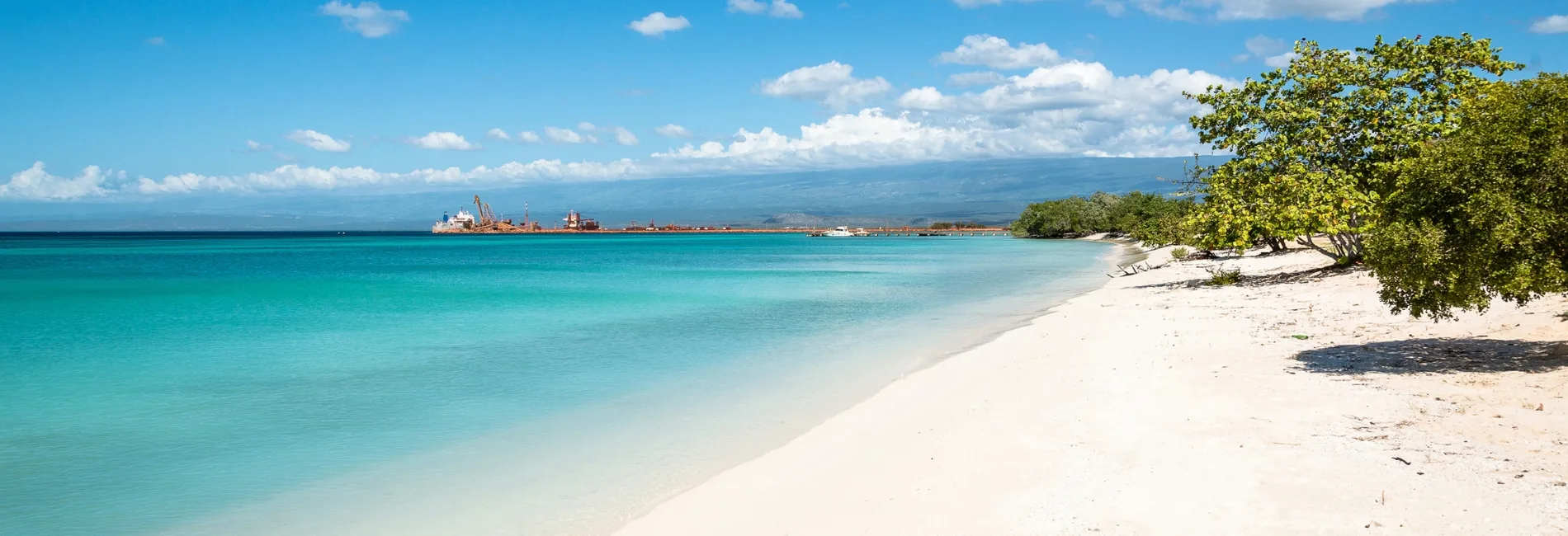
This is what you are actually paying for. Baby Beach sits on the southwestern Caribbean coast in one of the most remote and undeveloped corners of the Dominican Republic, and the setting shows it. The water here is a different quality than what you get at busier ports. The beach itself is small, the activities are straightforward, and there are a couple of things the cruise lines never bother to mention that are genuinely worth knowing before you arrive.
The Beach Itself
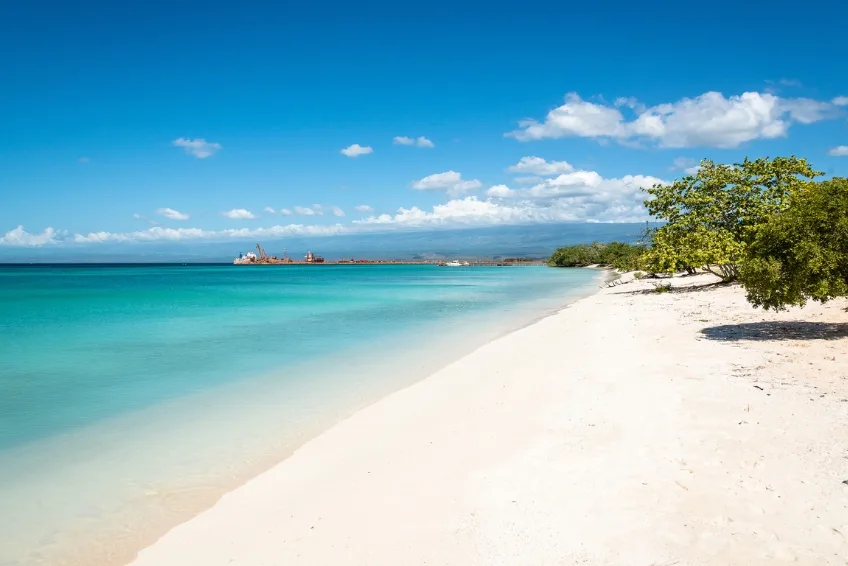
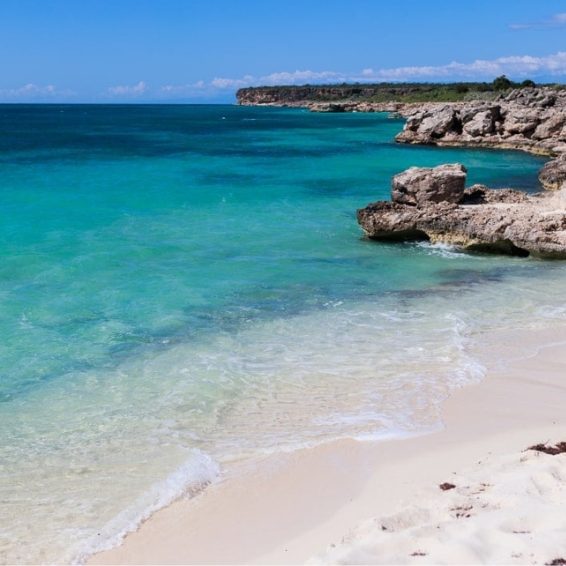
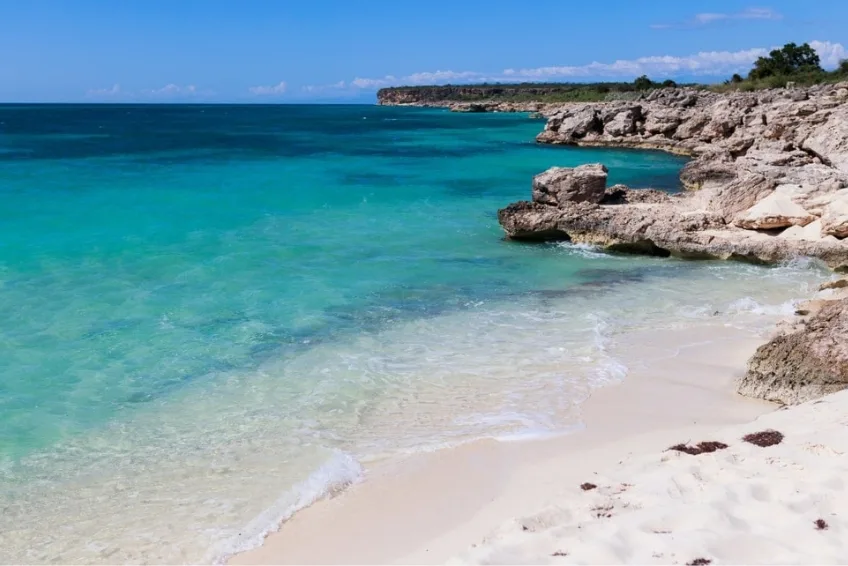
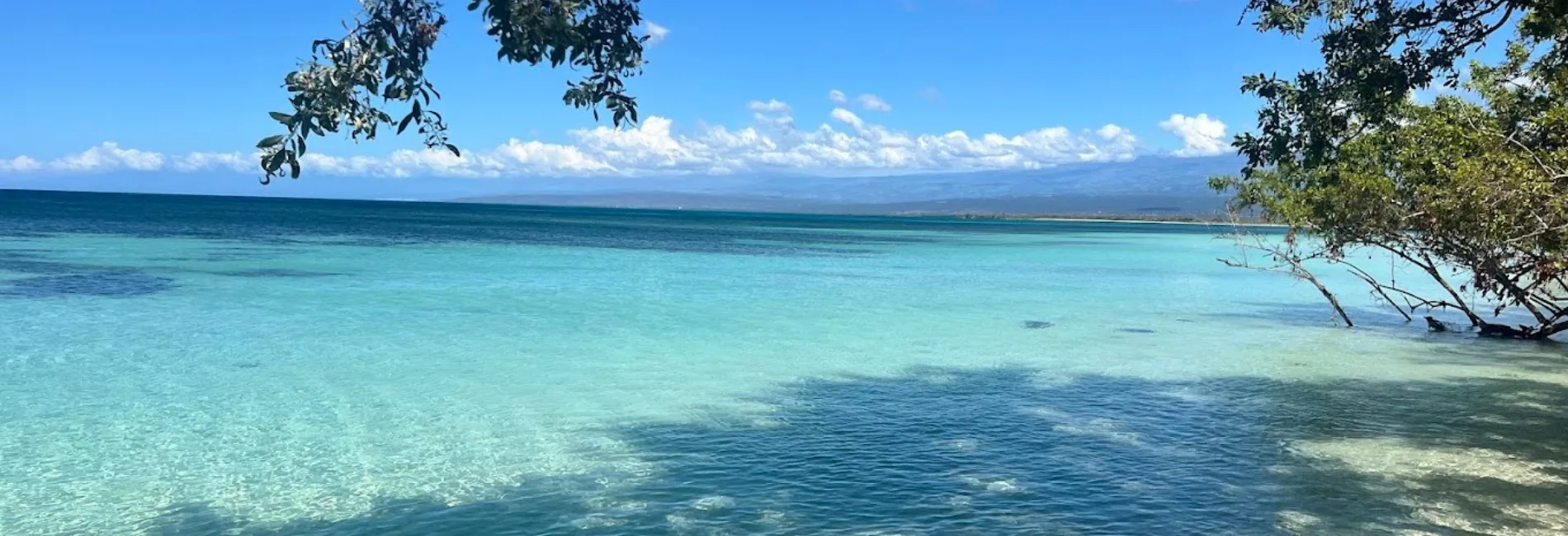
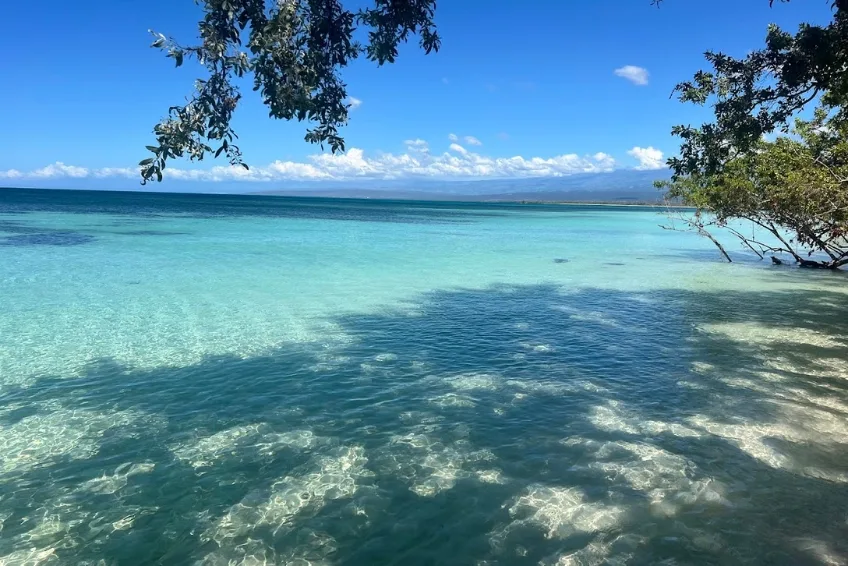
Baby Beach is a small, sheltered stretch of white sand on the Caribbean coast. The water is crystal clear, calm, warm, and that specific shade of turquoise you came here for. It is not a long beach like nearby Bahia de las Aguilas, it is a pocket cove. But it delivers on the things that matter.
One thing working strongly in Baby Beach’s favor is the lack of sargassum seaweed. This coast of the Dominican Republic faces southwest, which means it largely escapes the seaweed influxes that plague beaches along the eastern and northern coasts. Bahia de las Aguilas and the beaches around Cabo Rojo have historically stayed clear, and Baby Beach benefits from the same geography. We always recommend checking current conditions before any Caribbean trip, but this corner of the island is one of the more reliable spots for clean water year-round.
Insider Tip: One detail that cruise lines tend to leave out is that the entry into the water at Baby Beach is rocky, and the bottom can be uneven. Flip flops won’t cut it once you are past your ankles. Pack water shoes in your beach bag. Cruise line listings may bury this in the fine print, but it is worth taking seriously.
The Activities
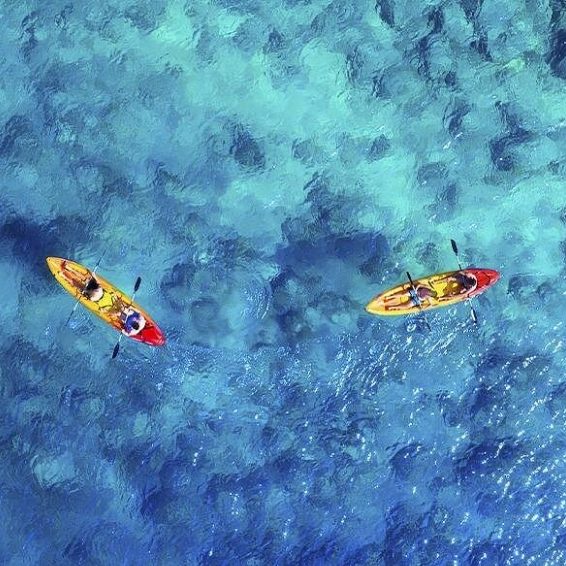
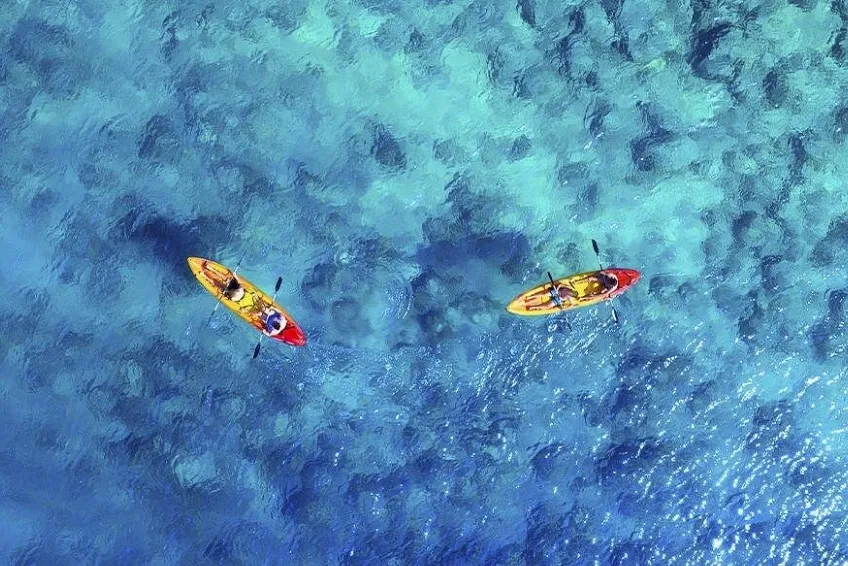
Kayaking and stand-up paddleboarding are both included in the package and are first-come, first-served. The crystal kayaks are popular and go fast. The weight limit for water activities like kayaks and paddleboards is 260 lbs (127 kg), and you will need to sign a waiver before using the equipment.
The freshwater pool with swim-up bar is a genuine draw, especially for those who prefer pool water over the ocean. Younger kids tend to gravitate here. Ocean swimming off the beach is calm and accessible. Both are included without any additional cost or equipment.
Snorkeling here is underwhelming. There is no dedicated reef access, no guided snorkeling program, and snorkel gear is not part of the standard package. If great snorkeling is your reason for choosing Baby Beach, it shouldn’t be. Look at a different excursion for that.
Insider Tip: Do not stop to pick a lounge chair when you first walk in. Go straight to the water sports area and claim a kayak or paddleboard first, then circle back and choose your chair. The equipment runs out well before the chairs do.
Note: There are no lifeguards on site. Swimming and paddling are at your own risk.
Avoiding the Crowds
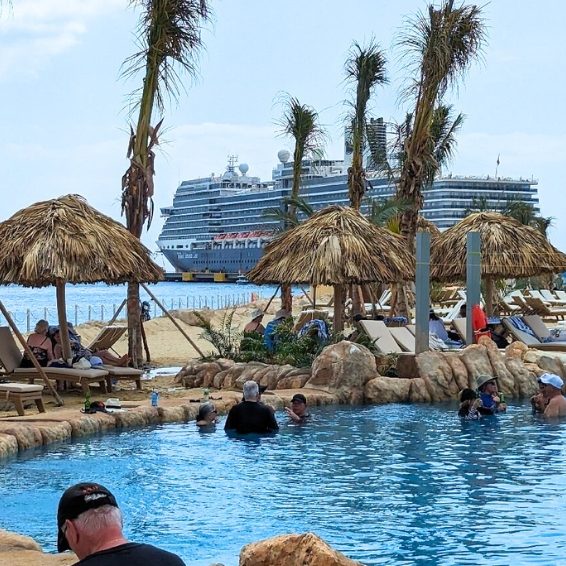
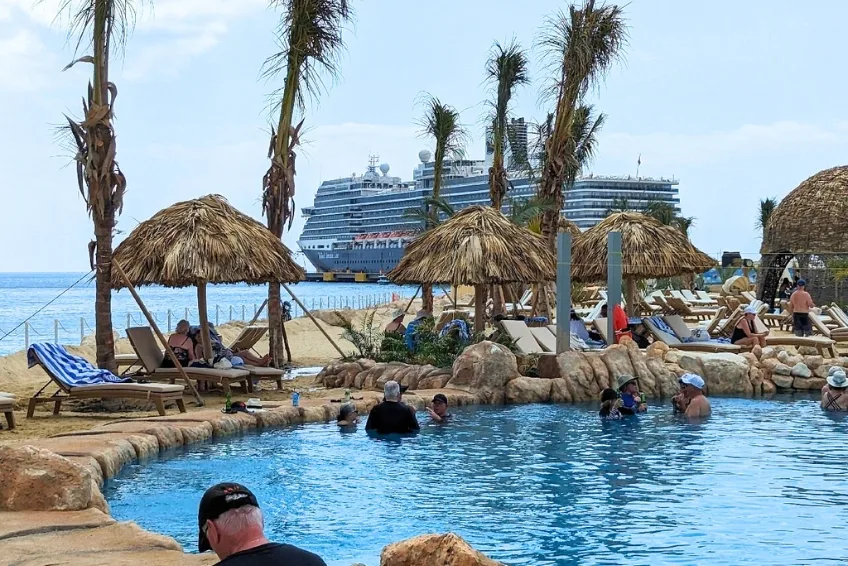
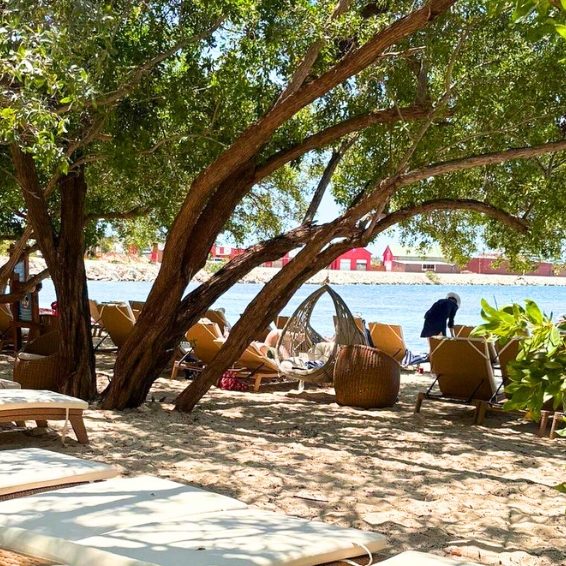
Baby Beach is gated and capacity-controlled. Only a set number of guests get in. This single feature changes the character of the experience entirely compared to the free main area, which can handle thousands of passengers simultaneously. On days with multiple ships in port, the free area of the complex can have well over 4,000 people competing for a few hundred chairs. At Baby Beach, there are plentiful lounge chairs in both sun and shade, natural palm cover, and a relaxed atmosphere even on double-ship days.
Insider Tip: Most guests stop at the first open chair they see near the entrance. Keep walking to the far end of the beach. It is noticeably quieter, the views are better, and you are just as close to the bar service.
Is Baby Beach Worth It? (And For Whom?)
This is the real question, and it deserves a real answer rather than a vague “it depends.” The honest truth is that Baby Beach makes a lot of sense for some travelers and almost none for others, and the difference usually comes down to two things: whether you drink, and what you are hoping to do with your port day. The free port area at Cabo Rojo is genuinely good, which makes this a more interesting decision than it would be at most cruise ports. We will lay out both sides clearly and let you decide.
What the Free Port Area Offers
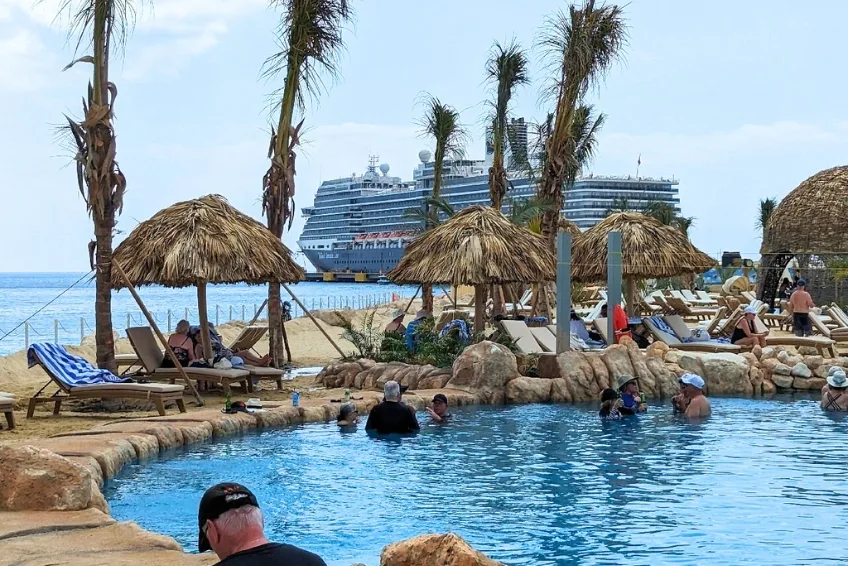
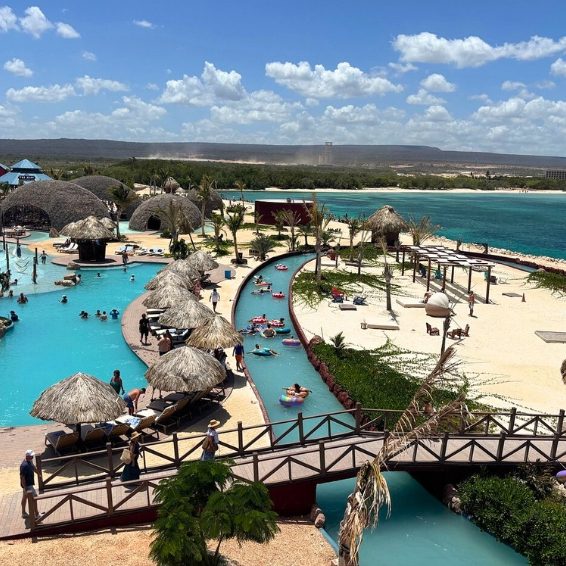
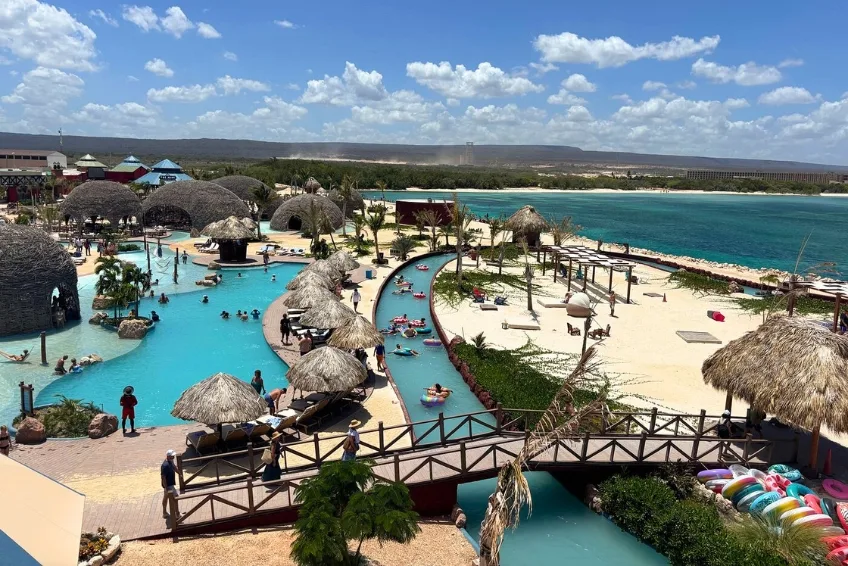
Before deciding whether to pay for Baby Beach, it helps to know exactly what you are comparing it to. The free port area at Cabo Rojo includes multiple pools, a lazy river with tubes, a Ferris wheel, a carousel, a pirate ship ride, a mechanical bull, an ATV and dune buggy track, interactive themed streets, live entertainment including dance shows, and more. All rides are free, which is genuinely unusual for a cruise port.
There is also a dedicated dock swimming area with steps into the ocean, roped off and about 6 to 8 feet deep, with life jackets available. So if you want to get in the ocean, you technically can do that for free, too. What the free zone does not have is a sandy beach, guaranteed lounge chairs, or crowd control.
Be sure to read our comprehensive Cabo Rojo Cruise Port Guide for all the info on the main port area.
The Drink Math
Here is the calculation that usually settles the question for drinkers. Drinks in the free port area run $8–$15 each. At that rate, six drinks gets you to $89, the standard Baby Beach price, and you still have no guaranteed chair and no sandy beach. For anyone planning a full beach day in the sun, the open bar at Baby Beach breaks even on drinks alone, with the beach, the chair, the kayaks, and the pool thrown in at no additional cost.
For non-drinkers, the math flips. You are essentially paying admission for beach access, a lounge chair, kayak use, and pool access, all of which are pleasant but harder to justify at $89 per person when the free zone exists. The free port area might be the better call if you don’t drink alcohol.
Who Should Book Baby Beach
Baby Beach makes the most sense for passengers who want to drink on a beach without fighting for a chair, for families looking for the calmest and most controlled environment at the port, and for anyone who wants a relaxed five-hour beach day rather than a busy afternoon of carnival rides and pool crowds.
The families point is worth expanding. The gated Baby Beach environment is noticeably more controlled. The dedicated playground, calm shallow water, and freshwater pool make it a genuinely good option for parents with young children.
Bahia de las Aguilas
Who Should Consider Something Else
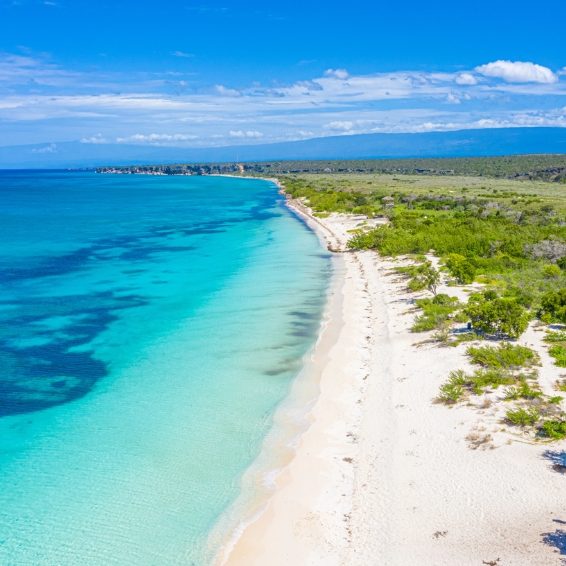
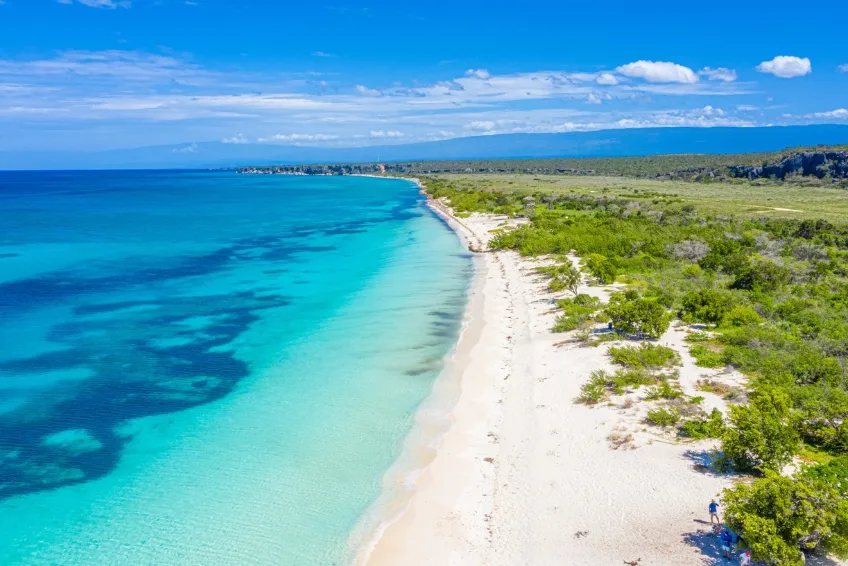
If you do not drink alcohol, the free port area is probably more fun per dollar. If you are interested in getting off the port complex entirely, the Bahia de las Aguilas excursion is worth serious consideration. That excursion takes you by road and then by boat to a protected 8-kilometer stretch of white sand inside Jaragua National Park: one of the most pristine, undeveloped beaches in the entire Caribbean! It takes roughly 25 minutes by road to the embarkation point at La Cueva, then another 15 to 20 minutes by boat. It costs more and takes longer, but it is a genuinely different class of beach experience.
For the full breakdown, see our Bahia de las Aguilas guide.
What to Know Before You Go
Once you have decided to book, the next questions are practical. How to get there from the ship, what to bring, and how to make sure the day actually goes well. None of it is complicated, but a few things are easy to get wrong. Getting off the ship early matters more here than at most ports, and a couple of items are easy to forget. Here is the skinny before you go.
How to Get to Baby Beach
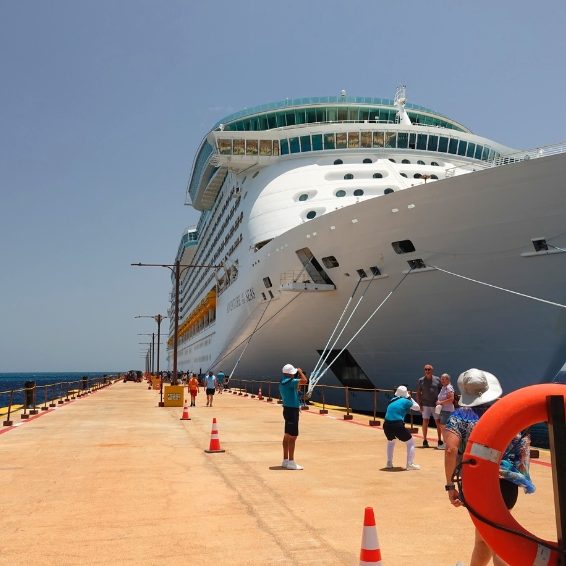
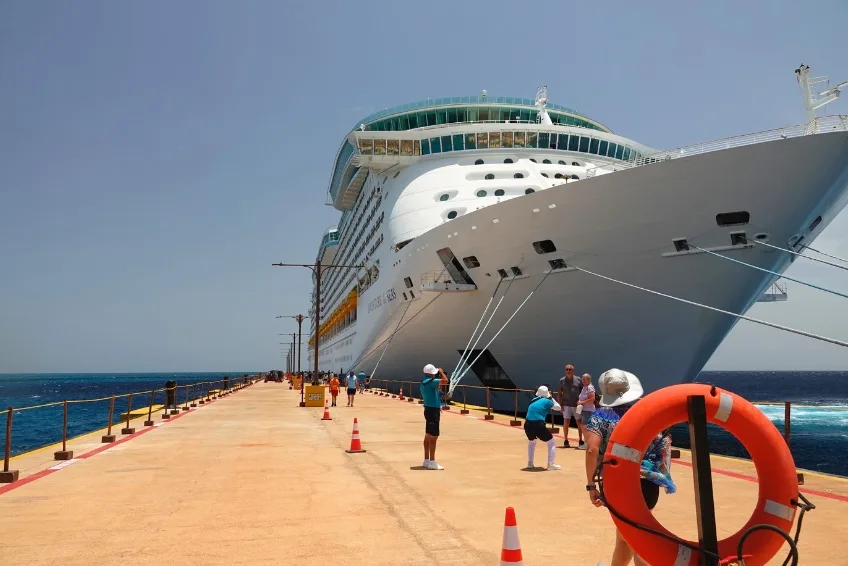
Walk off the gangway, through the duty-free shop (there is always a duty-free shop), through the themed entertainment village and shopping area, follow the path to the shoreline, and turn left. Plan on a 10 to 15 minute walk. Baby Beach sits at the far end of the port complex, and the walk is noticeably longer than it looks on a map. The route is flat and paved the entire way, and passes all the free port amenities, so you get a natural preview of the no-cost options before you arrive.
For guests with mobility limitations, the walk is flat and paved and manageable for guests using walkers, canes, or folding wheelchairs. Some official accessibility classifications say “Wheelchair Accessible: No,” but this appears to reflect limitations for heavy power wheelchairs and motorized scooters rather than the walk itself.
Insider Tip: If you have not pre-booked, use the walk to Baby Beach as a reconnaissance mission. You pass the free pools, the lazy river, and the carnival area on the way. If the free zone looks manageable, you still have the option to turn around and save your money. If it looks like a theme park at noon in July, keep walking. The only problem with this is that Baby Beach sells out, so prebook if you know that’s your plan for the day.

What to Bring to Baby Beach
Bring your ship towel or your own beach towel. Towels are not provided, and it is the easiest thing to leave behind when you are rushing off the ship.
Bring water shoes. The ocean entry has rocks, and this is easy to underestimate until you are in the water.
Bring reef-safe sunscreen from home. The port enforces this at the gate. Standard sunscreens are turned away. Biodegradable formulas are sometimes sold on board, but buying before the cruise is cheaper and more reliable.
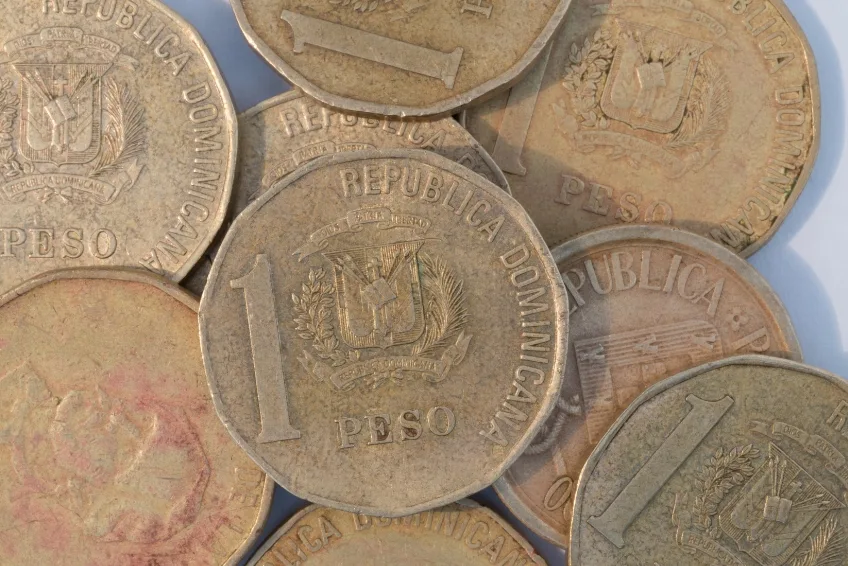
Bring small bills. Dominican pesos or small USD bills work best for food and vendor purchases at the restaurants. Many vendors cannot break large bills, and card readers are unreliable.
Tips for a Better Day
- Get off the ship as early as possible. Kayaks and paddleboards are first-come, first-served and they go quickly.
- Walk past the first available chairs in Baby Beach to the far end of the beach. It is consistently quieter and less crowded than the entrance area.
- Use table service rather than standing at the bar. Servers who circulate to lounge chairs are reliably faster, especially on busier days.
- Check whether a second ship is in port on your day. Baby Beach stays capacity-controlled regardless, but arriving early matters more when both berths are occupied.
Baby Beach FAQ
Frequently Asked Questions
Does Baby Beach at Port Cabo Rojo include food?
No. Food is not included in the Baby Beach package. There are four on-site restaurants and bars where you can purchase meals separately. Prices are reasonable for a cruise port setting, so budget $10–$15 per plate. Bring cash, as card acceptance at vendors is inconsistent. For a full breakdown of what is and is not included, see our complete Baby Beach package guide above.
Do I need to bring a towel to Baby Beach?
Yes. Towels are not provided as part of any Baby Beach package, regardless of which cruise line you book through. Bring yours from the ship, or bring a lightweight beach towel you packed. It is the single easiest item to forget in the rush off the gangway, so pack it in your day bag the night before.
What drinks are included in the Baby Beach open bar?
The open bar at Baby Beach includes Presidente beer (served in 8-ounce cups), Brugal rum-based cocktails, soft drinks, bottled water, and coffee. Premium or imported spirits are not part of the standard package. For tips on getting the most out of the bar, including how to get a stronger pour, see the open bar section of this guide.
Is Baby Beach worth it if I don't drink alcohol?
Probably not at full price. The unlimited open bar is the primary value driver, and without it you are essentially paying $79–$89 for beach access, a lounge chair, kayaks, and a freshwater pool. All of that is pleasant, but the free port area at Cabo Rojo offers pools, entertainment, and even ocean dock swimming at no cost. If you do not drink, our Baby Beach vs. Free Port Area comparison above will help you decide where to spend your day.
Can I buy Baby Beach tickets at the port instead of through my cruise line?
Yes, walk-up purchases are possible, but the beach club does sell out. The port tourist office near the pier charges around $89, matching the cruise line rate, but the gate at Baby Beach itself has been known to offer lower pricing. Go to the gate first before stopping at the tourist office. On a two-ship day, pre-booking is the safer play since walk-up availability is not guaranteed.
Is Baby Beach good for families with young children?
Yes. Baby Beach is the best family option at Port Cabo Rojo. The water is calm and shallow, there is a dedicated children’s playground, the freshwater pool is great for younger kids, and the controlled gate keeps the environment manageable. There is no minimum age for the beach itself. For more on bringing kids to Cabo Rojo, see our full Cabo Rojo Cruise Port guide.
Is Baby Beach accessible for guests with mobility limitations?
The walk from the ship to Baby Beach is flat and paved and manageable for guests using walkers, canes, or folding wheelchairs. It is a solid 10 to 15 minutes, so factor that in. Motorized scooters may face some difficulty on cobblestone sections near the port entrance. Some cruise lines officially classify the excursion as not wheelchair accessible, but that appears to reflect limitations for heavy power wheelchairs rather than the path itself.
What sunscreen can I use at Baby Beach?
Only reef-safe, biodegradable sunscreen is permitted at Port Cabo Rojo, and this is enforced at the gate. Standard sunscreens are turned away. Bring a biodegradable formula from home or purchase one on board before you disembark. Do not count on finding it at the port.
Is the snorkeling good at Baby Beach?
No. The snorkeling at Baby Beach is underwhelming. There is no dedicated reef access and no guided snorkeling program included in the standard package. If snorkeling is a priority on your Cabo Rojo port day, we recommend looking at a dedicated snorkeling excursion or the Bahia de las Aguilas trip, which includes time along a pristine protected coastline.
How does Baby Beach compare to Perfect Day at CocoCay or Labadee?
It is not a direct comparison. CocoCay and Labadee are fully private, purpose-built destinations that have had years of investment behind them. Baby Beach is a well-run beach club at a young, still-developing port. Passengers expecting CocoCay level infrastructure will be disappointed. Passengers expecting a relaxed Caribbean beach day with an open bar and clear water tend to leave happy. Baby Beach is best evaluated on its own terms.
What if my cruise ship skips Cabo Rojo?
If you booked Baby Beach through your cruise line, standard excursion refund policies apply and you will not be charged if the port is skipped. Third-party bookings may have stricter cancellation terms. Port Cabo Rojo’s remote southwestern location does make weather-related skips a real possibility, which is another reason to book through the cruise line rather than independently.
Is there anything worth doing beyond the Baby Beach area?
Yes, but only with a planned excursion. The standout option is Bahia de las Aguilas, a protected 8-kilometer stretch of white sand inside Jaragua National Park that many consider one of the most pristine beaches in the entire Caribbean. Getting there involves a 25-minute drive and a 15-to-20-minute boat ride each way, so it is a commitment, but it is a genuinely extraordinary beach. See our Bahia de las Aguilas guide for everything you need to plan that trip.
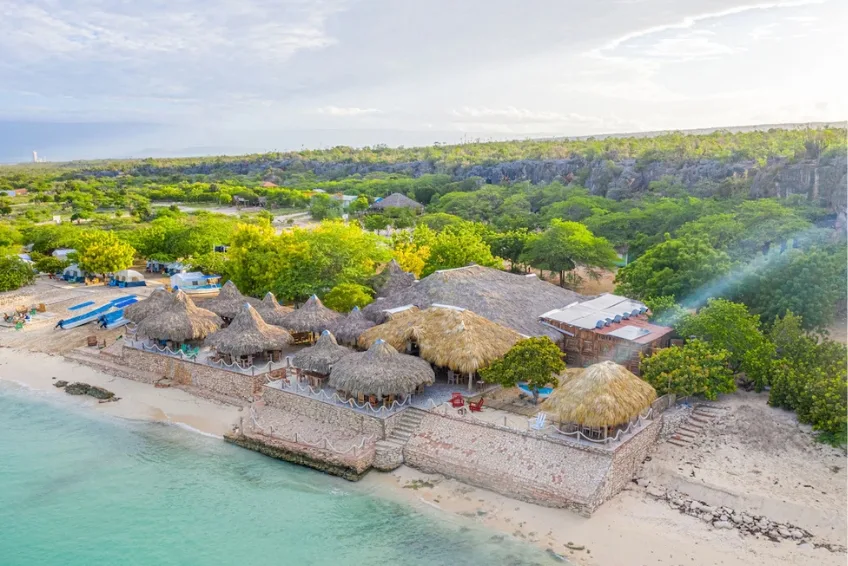
Pedernales has no chain hotels, no resort buffets, and no swim-up bars. What it does have is the best beach in the Caribbean, a handful of genuinely great family-run guesthouses, and a $2.2 billion resort development that's about to change everything. Here's where to stay right now.

Larimar is a rare blue gemstone found in only one place on Earth. A single mountainside in the Dominican Republic's southwest, within reach of Cabo Rojo. Here's what it is, why it only exists here, how to buy the real thing, and how to visit the mine yourself.
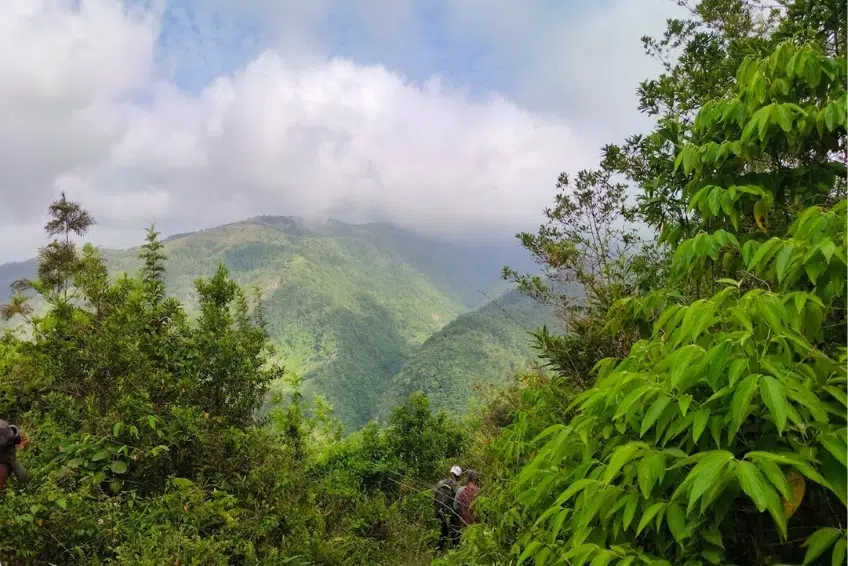
The Caribbean's most biodiverse mountain range, Sierra de Bahoruco National Park shelters 30 of Hispaniola's endemic bird species, ancient cloud forests, and wildlife found nowhere else on Earth. This complete guide covers how to get there, what to do, where to stay, and everything else you need to plan your visit.
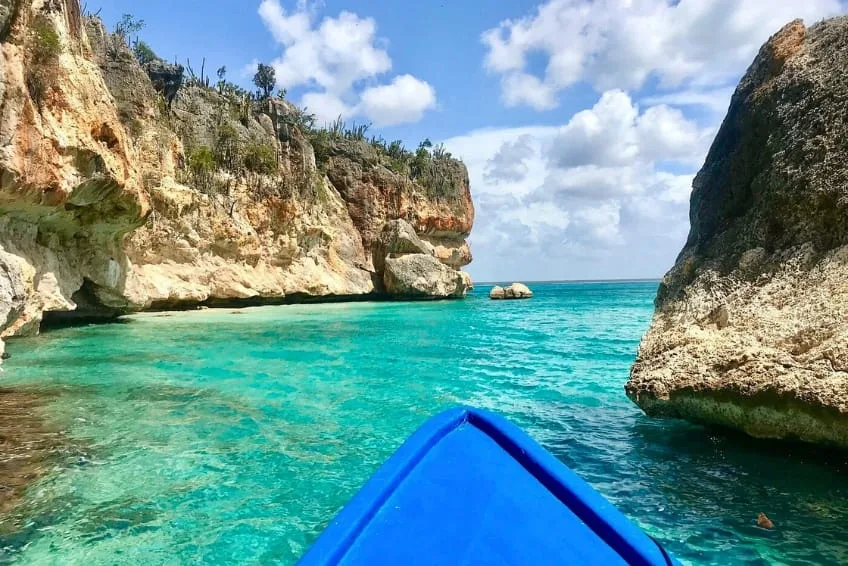
Cabo Rojo sits on the remote southwest coast of the Dominican Republic, home to Bahia de las Aguilas, an 8-kilometer pristine beach routinely ranked among the Caribbean's most beautiful. A $2.2 billion development is transforming the region, but right now you can still experience something rare. A world-class destination before the crowds arrive.
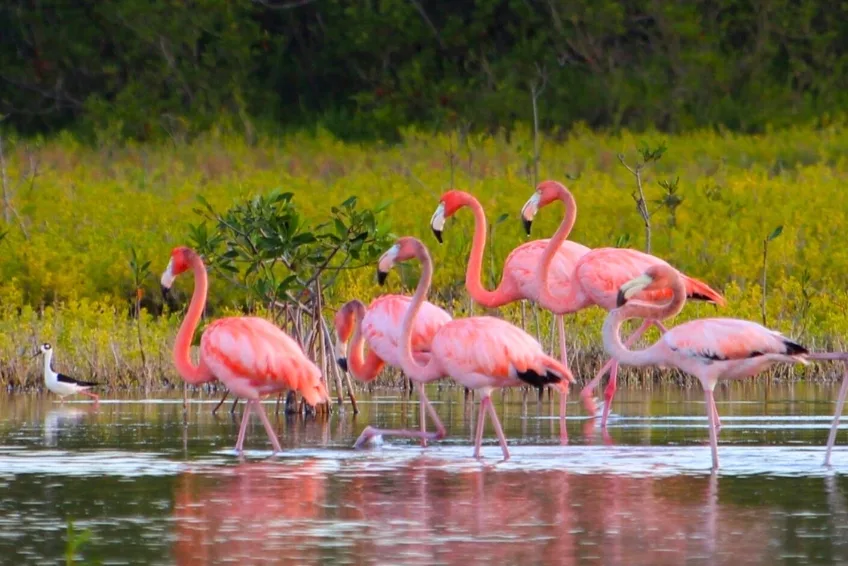
Port Cabo Rojo is one of the Caribbean's newest and most remote cruise stops, and the shore excursion decision looks very different here than at busier ports. This guide covers everything: what your cruise line offers, how to visit Bahia de las Aguilas independently, and how to make the most of your port day.
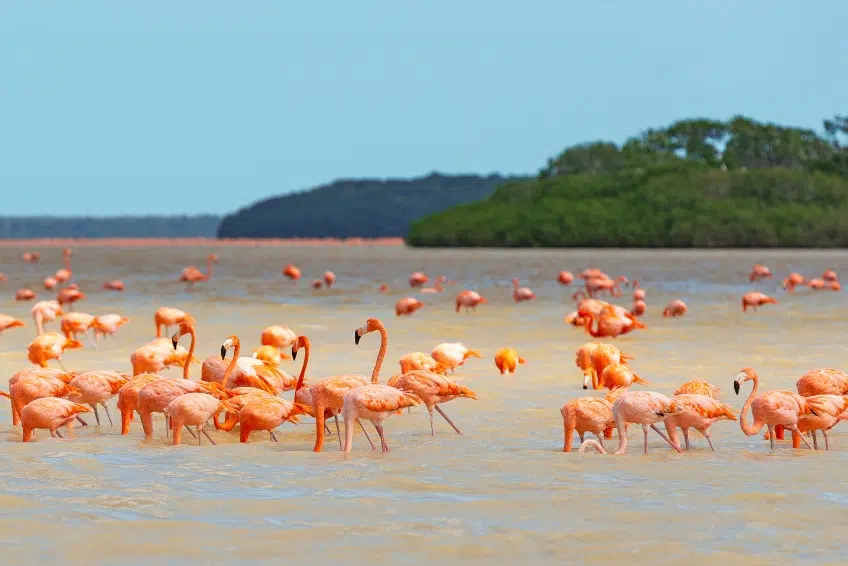
Laguna de Oviedo is the Dominican Republic's largest saltwater lagoon, home to American flamingos, rhinoceros iguanas, and an endemic fish found nowhere else on Earth. This guide covers tour options and pricing, wildlife, how to get there, where to stay, and what to pack for your visit.
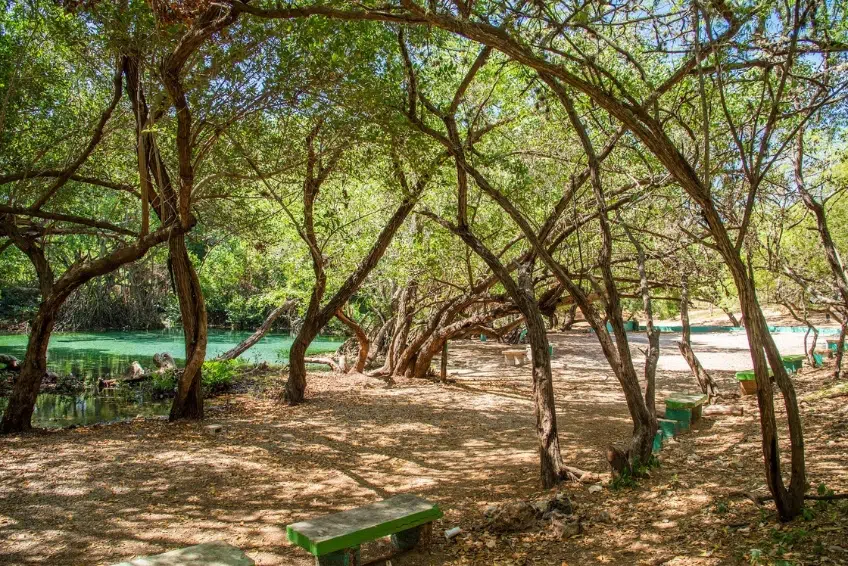
Jaragua National Park is the largest protected area in the Caribbean, home to Bahia de las Aguilas, thousands of flamingos at Laguna de Oviedo, and wildlife found nowhere else on Earth. This guide covers how to get there, 10 things to do, tour options and pricing, where to eat and stay in Pedernales, what to pack, and the best time to visit.
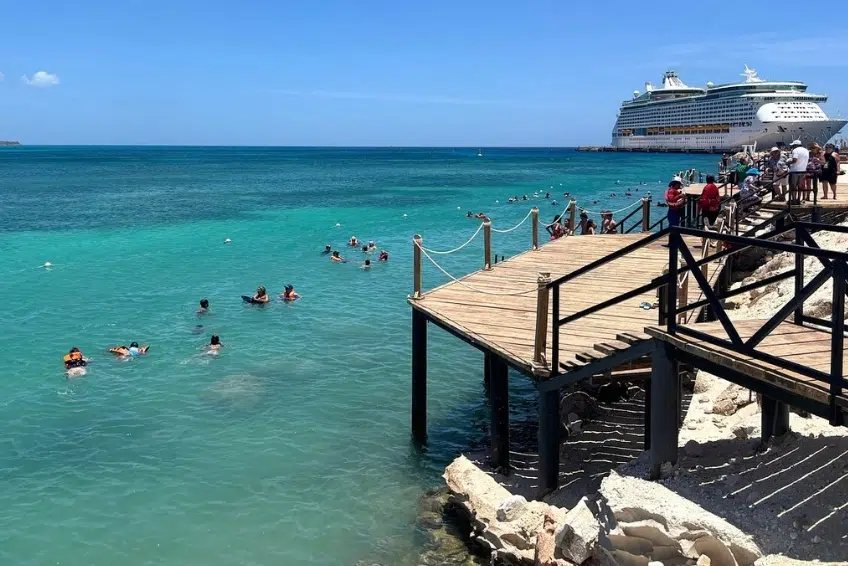
Port Cabo Rojo opened in 2024 on the remote southwest coast of the Dominican Republic, and what surrounds it is extraordinary. Bahia de las Aguilas, one of the world's great beaches, is a short boat ride away. This guide covers everything you need for your port day.
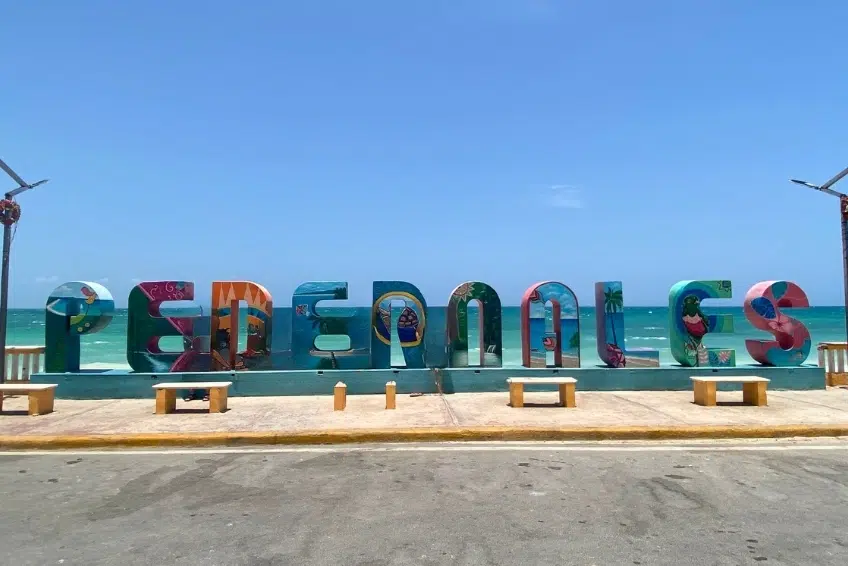
Pedernales is the gateway to the Dominican Republic's wild southwest: Bahia de las Aguilas, Hoyo de Pelempito, Jaragua National Park, and the new Cabo Rojo cruise port. This guide covers how to get there, where to stay and eat, what to do, and everything you need to plan your trip.