
Cabo Rojo Shore Excursions: Ship vs. Independent
 Daniel Mode
Daniel Mode
Daniel Mode Laura Schulthies
Laura Schulthies
Laura SchulthiesPort Cabo Rojo is unlike almost any other cruise stop in the Caribbean. There is no town to wander through, no strip of shops, no line of taxis with laminated menus. What there is instead is some of the most spectacular wild landscapes in the region. A beach that competes seriously for the title of best in the Caribbean, a flamingo lagoon inside a UNESCO Biosphere Reserve, a geological sinkhole that makes the Grand Canyon look modest, and mountain cloud forests that hold more endemic bird species than anywhere else in the West Indies. The catch is that none of it is walkable from the pier, English is rarely spoken beyond the port gates, and the “just figure it out when you arrive” approach that works at most Caribbean ports does not really apply here.
This guide covers every shore excursion type available at this port, the independent options, and the practical information that makes the difference between a great port day and a stressful one. Read this and our Cabo Rojo Cruise Port Guide before you book anything!
This article contains affiliate links. If you click on our links, we may earn a small commission at no extra cost to you. This helps us continue to offer free travel guides, but does not influence our recommendations in any way. Thanks for supporting independent travel content.
Contents
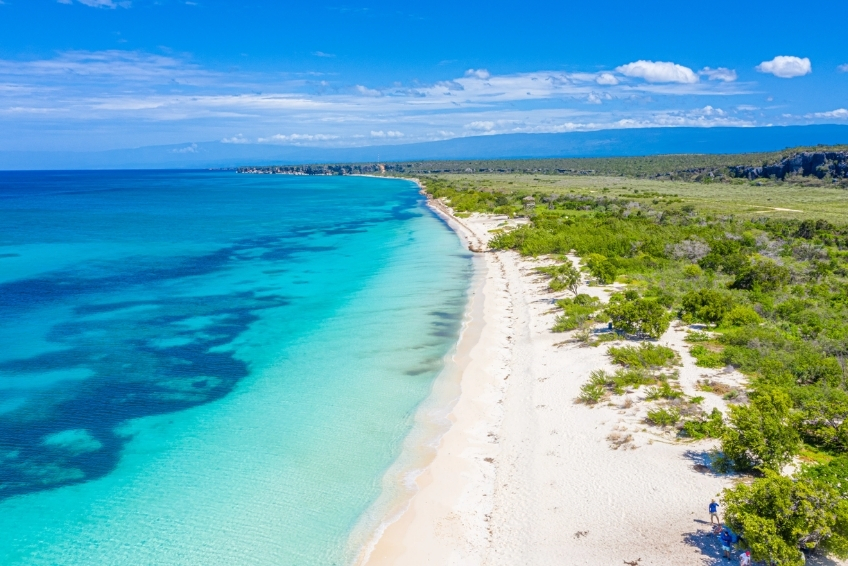
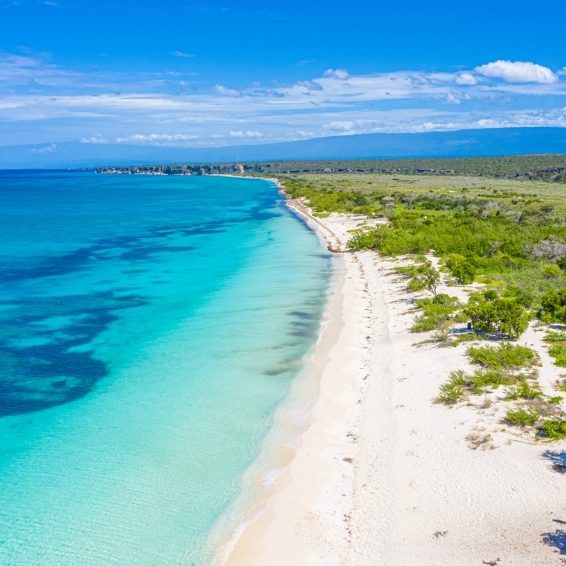
Bahia de las Aguilas
Quick Facts
- Port Name: Port Cabo Rojo or Puerto Turistico Cabo Rojo
- Location: Pedernales Province, southwestern Dominican Republic
- Cruise Lines: Norwegian, Royal Caribbean, Holland America, MSC, Costa, Azamara
- Typical Port Day: 6-10 hours depending on cruise line and itinerary
- Languages Spoken: Spanish; English limited to port complex and trained guides
- Currency: Dominican peso; USD accepted at port and by tour operators
- Ship Excursion Prices: Around $89 (Baby Beach) to $149-179 (Bahia de las Aguilas) per adult
- Independent Prices: Around $15-25 per person (DIY) to around $100 per person (guided)
This article may contain affiliate links. If you click on our links, we may earn a small commission at no extra cost to you. This helps us continue to offer free travel guides, but does not influence our recommendations in any way.
How Excursions Work at Port Cabo Rojo
Port Cabo Rojo works differently from most Caribbean cruise stops, and understanding the setup before you arrive makes a real difference. There are no tour sellers waiting outside the port gates. The excursions that take you into the beautiful surrounding areas require either a ship booking or advance planning on your part, but can be very much worth it. You have two broad choices here. Book through your cruise line and have everything arranged for you, or save money by going independent and organizing your own transport and tours.
Disembarkation and Excursion Check In
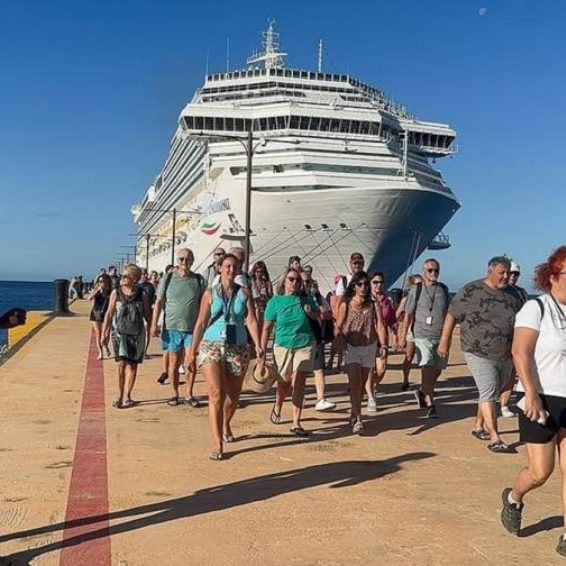
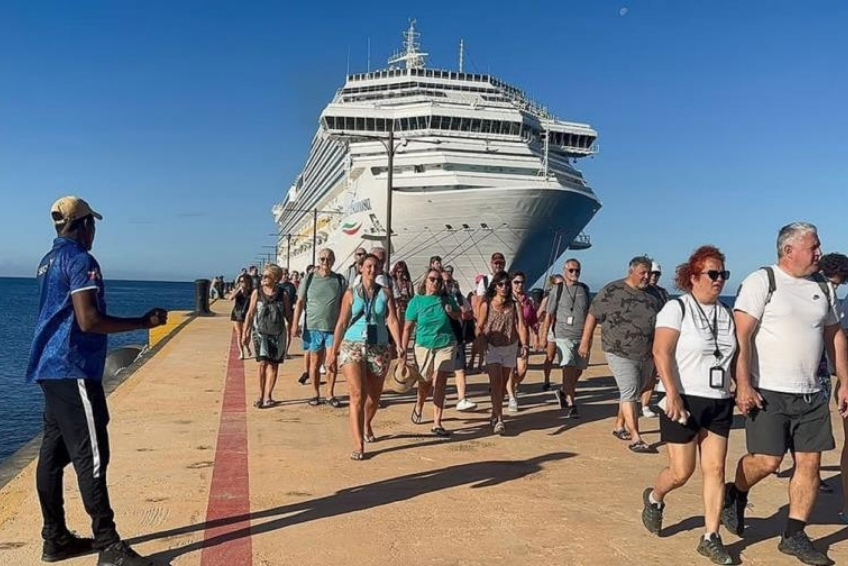
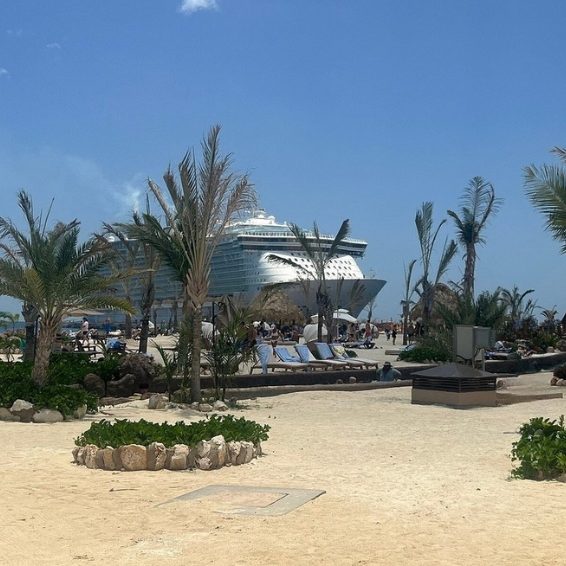
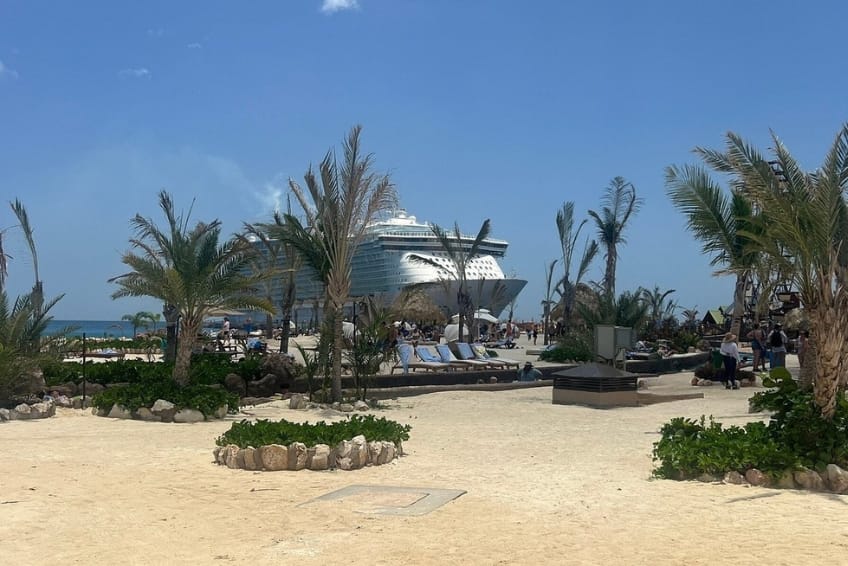
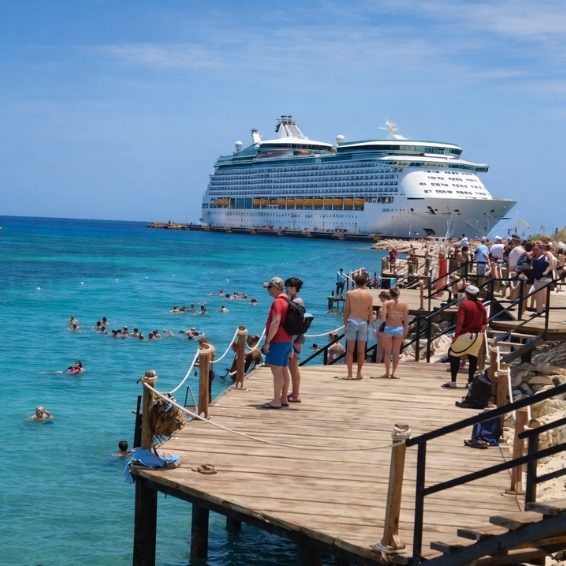
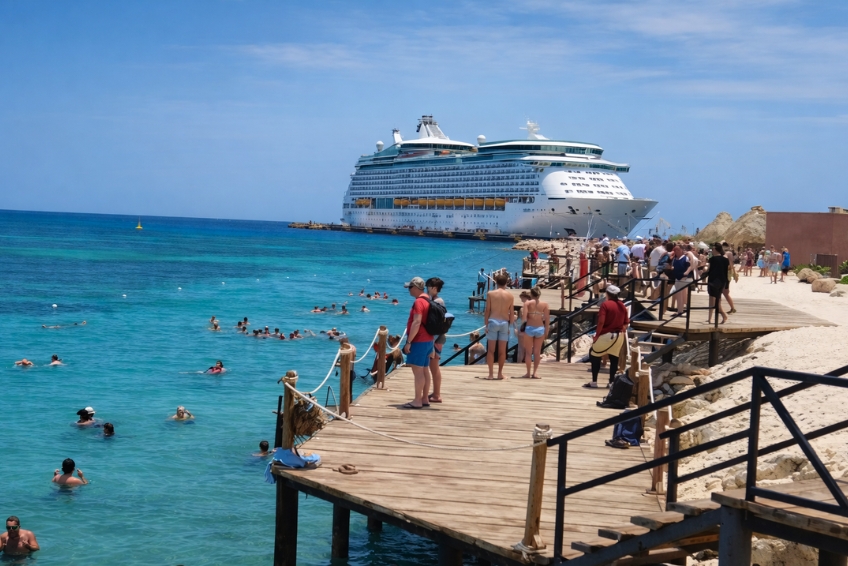
The ship docks at the pier on the western tip of the port peninsula. Visitors walk directly off the gangway into the first zone, called Old Cape Mine, a nod to the bauxite mining history of the area. This is where you’ll find the Last Minute Tours desk, the Pre-Booked Shore Excursion staging area, and the Expedition Bar. If you’ve booked a cruise line excursion, check in here. If you’ve booked an independent operator, look for the port exit at the far end of the port.
The port is laid out as a long, narrow peninsula. From the pier, you walk through six distinct zones, each with its own character, all the way to Baby Beach at the far eastern end. The whole thing stretches considerably further than it looks from the ship. Allow more time to walk than you’d expect.
Insider Tip: Free tuk-tuks often run from the ship to the main entrance area, a short ride that saves several hundred feet of walking in the heat. Worth taking if available, especially on the way back when you’re tired.
Cabo Rojo Port Map
Getting Your Bearings
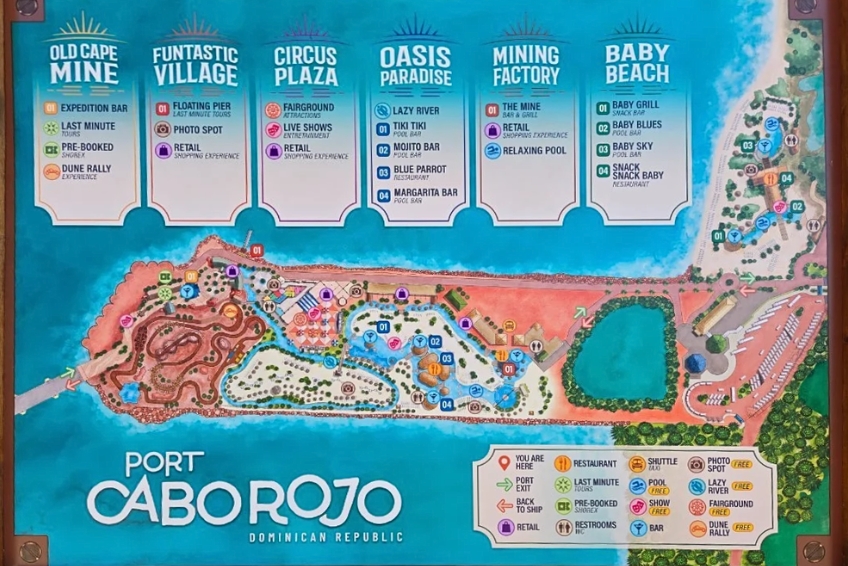
The full port map is posted near the entrance and is worth a 60-second look before you set off. Here’s how the zones run from the pier end toward Baby Beach:
- Old Cape Mine (pier end): Last Minute Tours, Pre-Booked Shore Excursion staging, Expedition Bar, Dune Rally experience
- Funtastic Village: Floating Pier, Photo Spot, Retail shops
- Circus Plaza: Fairground attractions, Live Shows, Retail shops
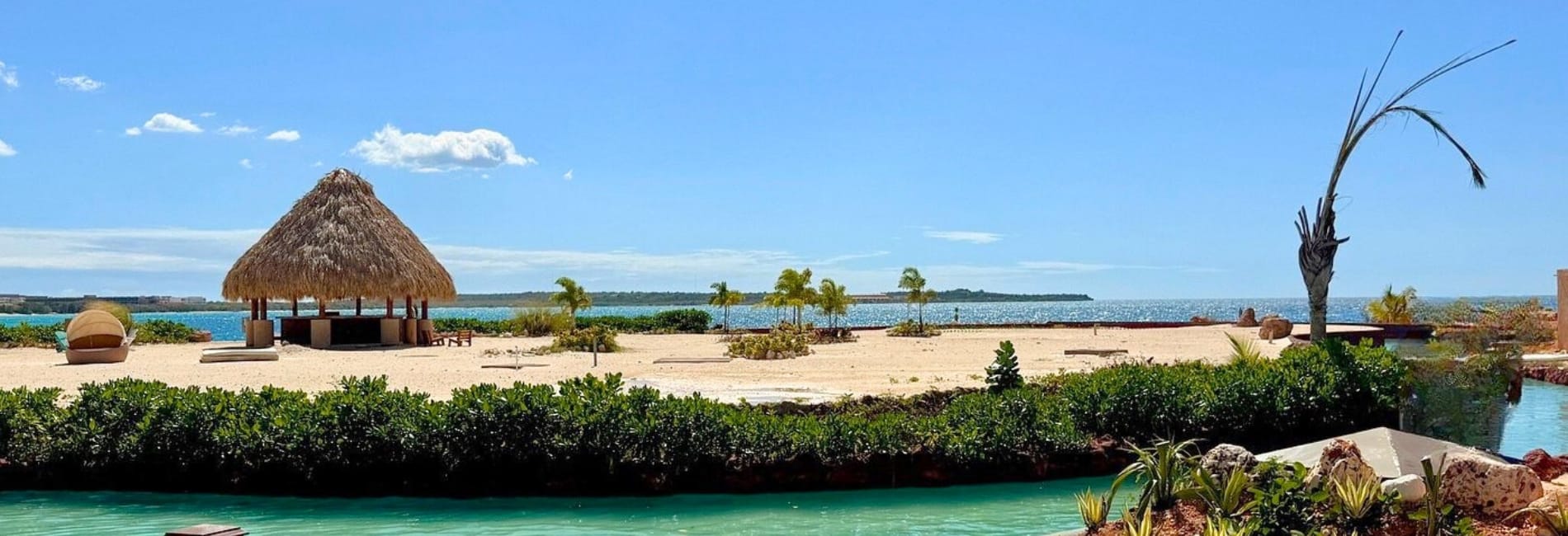
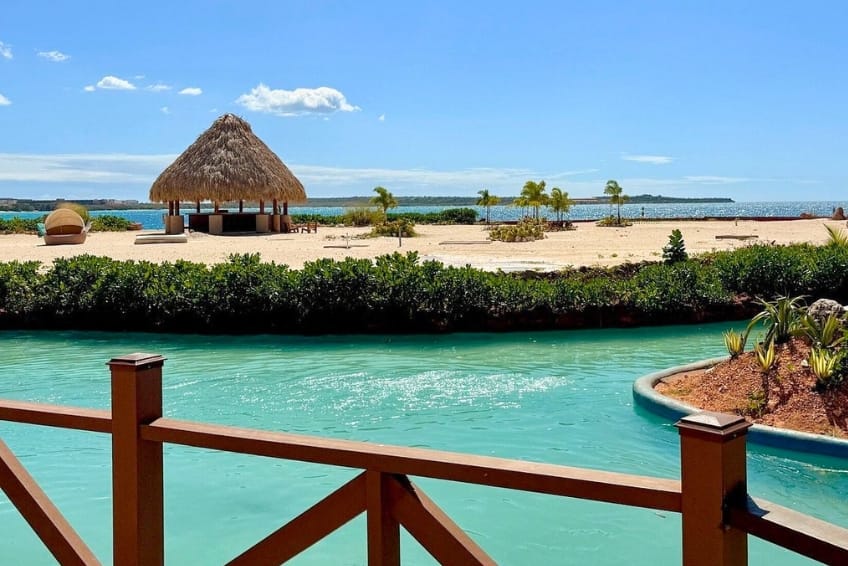
- Oasis Paradise (center): Lazy River, Tiki Tiki Pool Bar, Mojito Bar, Blue Parrot Restaurant, Margarita Bar
- Mining Factory: Relaxing Pool, The Mine Bar and Grill, Ocean Access for Snorkeling & Swimming, Retail shops
- Baby Beach (far end): Pay to enter Beach Club with Baby Grill Snack Bar, Baby Blues Pool Bar, Baby Sky Pool Bar, Snack Baby Restaurant
The Port Exit, where taxis and independent tour operators wait, is clearly marked on the map with an arrow. The shuttle/taxi stand is also marked if you need a ride into Pedernales or to a pre-arranged tour pickup point.


Where To Meet Independent Tour Operators
If you’ve booked with Cocotours, Larimar EcoTour, or another independent operator, head to the port exit near the Old Cape Mine zone when you first arrive. Guides wait just outside with signs displaying passenger names. They’ve done this hundreds of times and know exactly where to stand. Have your guide’s WhatsApp number saved before you disembark, and don’t dilly dally in the port if you have an excursion booked. Independent operators typically need you at the exit within the first 30–45 minutes of docking to keep their return schedule on track.
Booking Through Your Cruise Line
What's on Offer and What to Know
The shore excursions at Port Cabo Rojo are more developed than you might expect for a port this new. All the major lines calling here offer a solid range of options, and because the same local operators run most of the tours across cruise lines, the experiences are largely the same whichever ship you arrive on. Check your cruise line’s excursion page for what is available on your specific sailing.
Beach and Beach Club Excursions
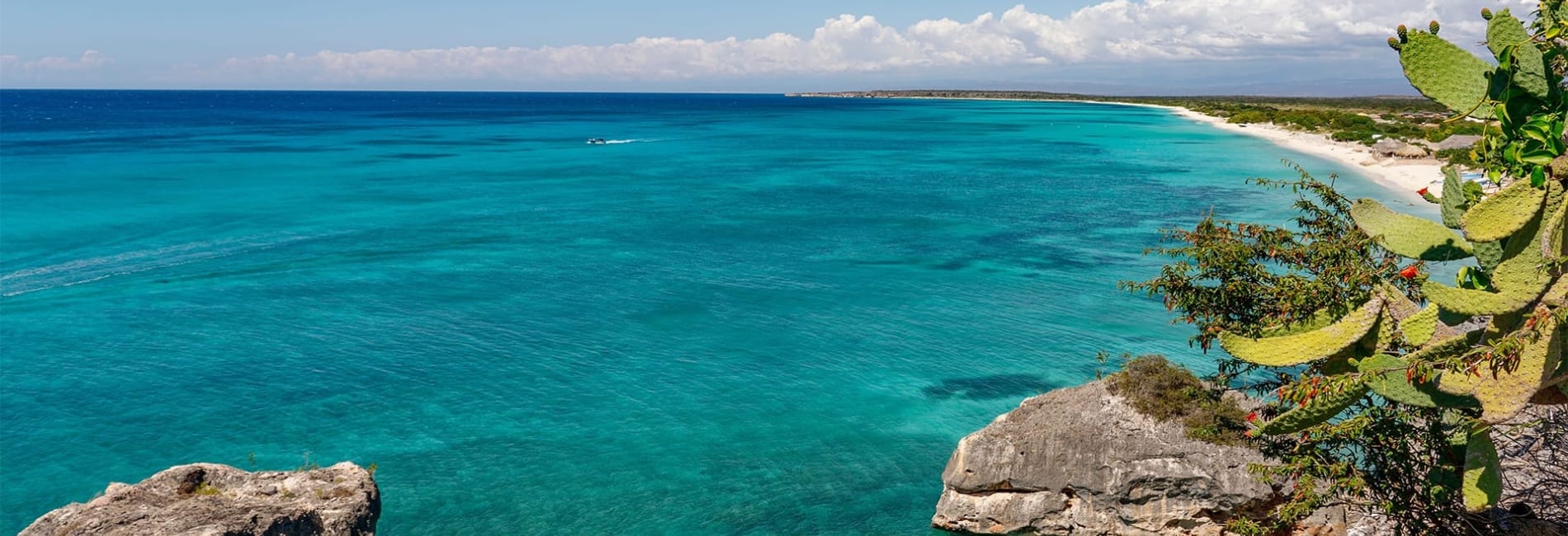
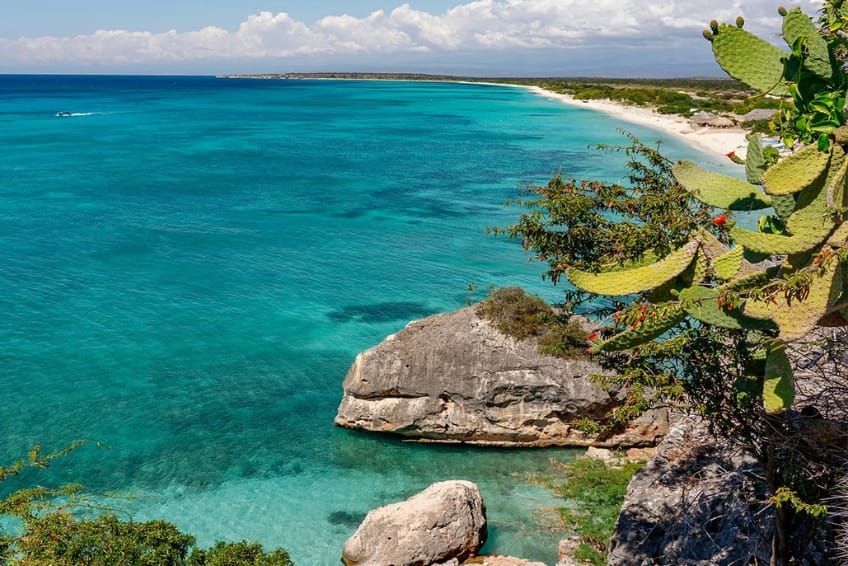
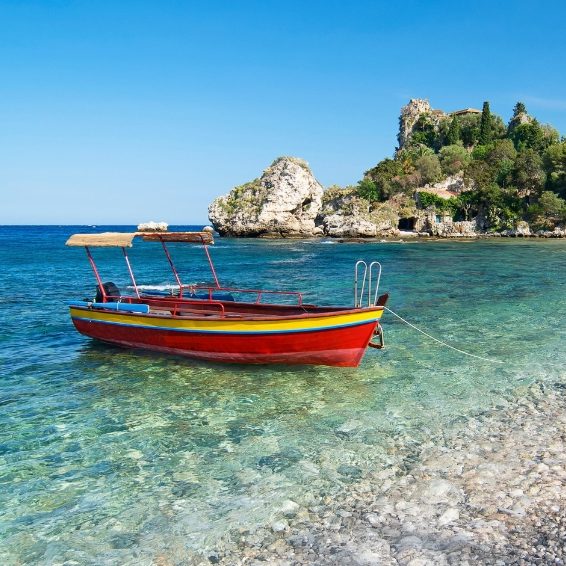
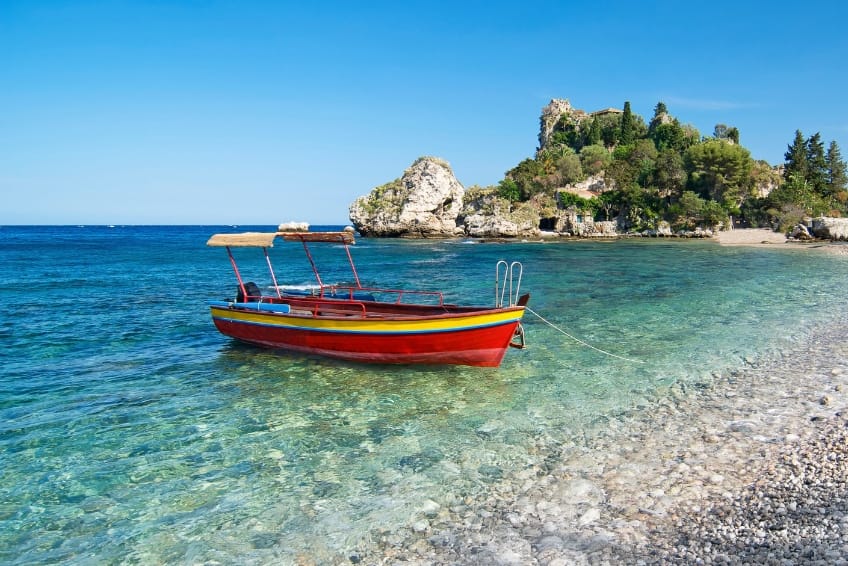
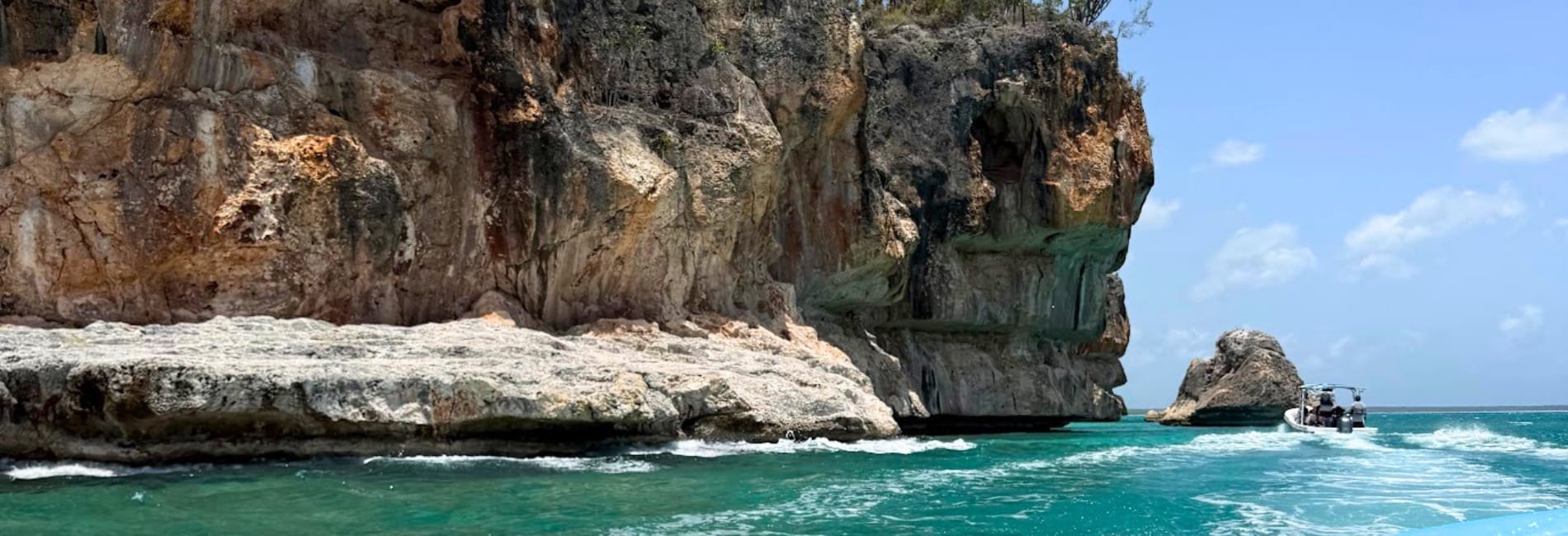
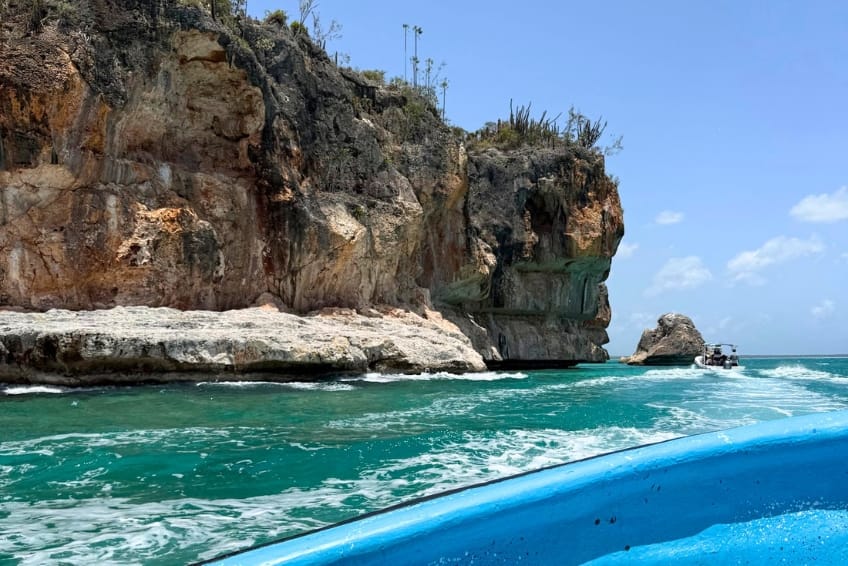
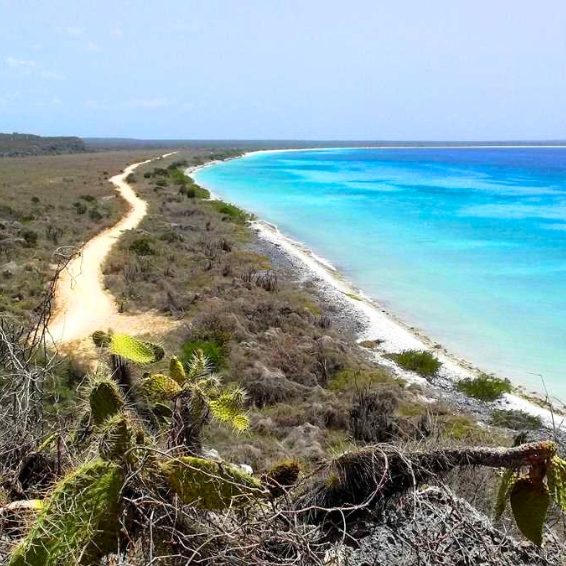
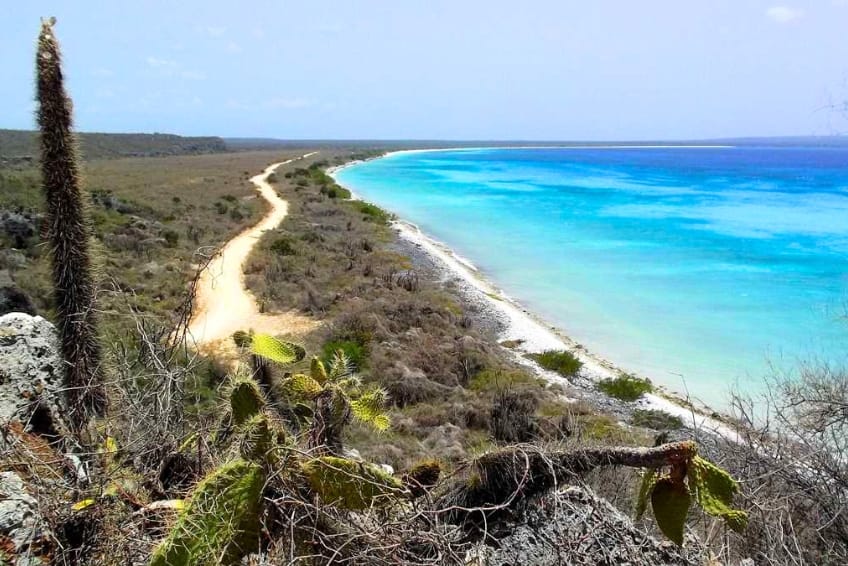
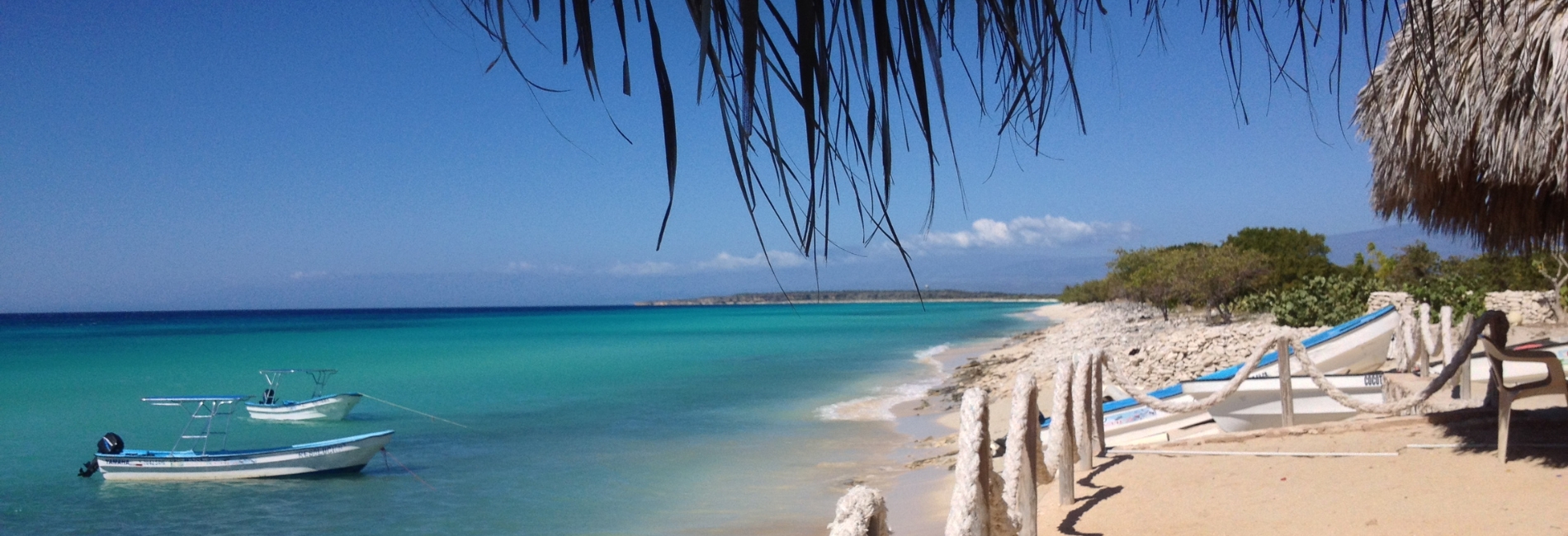
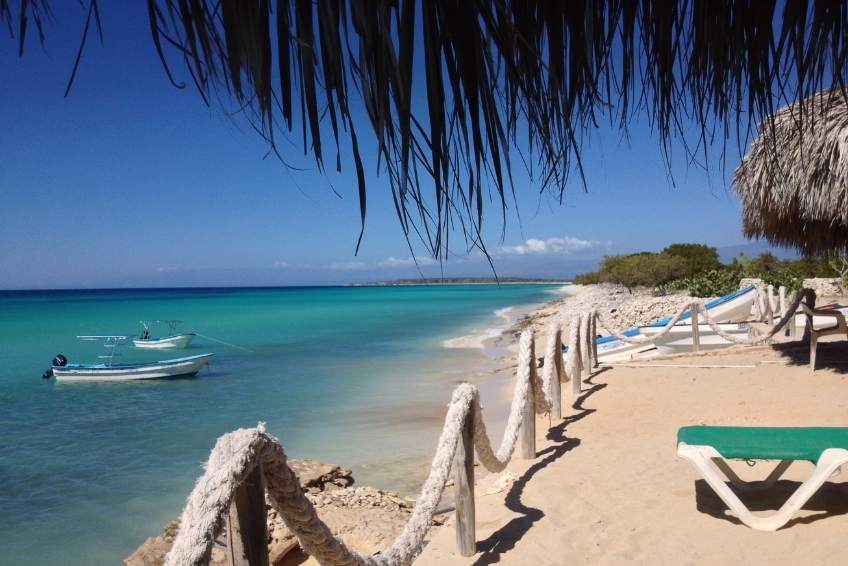
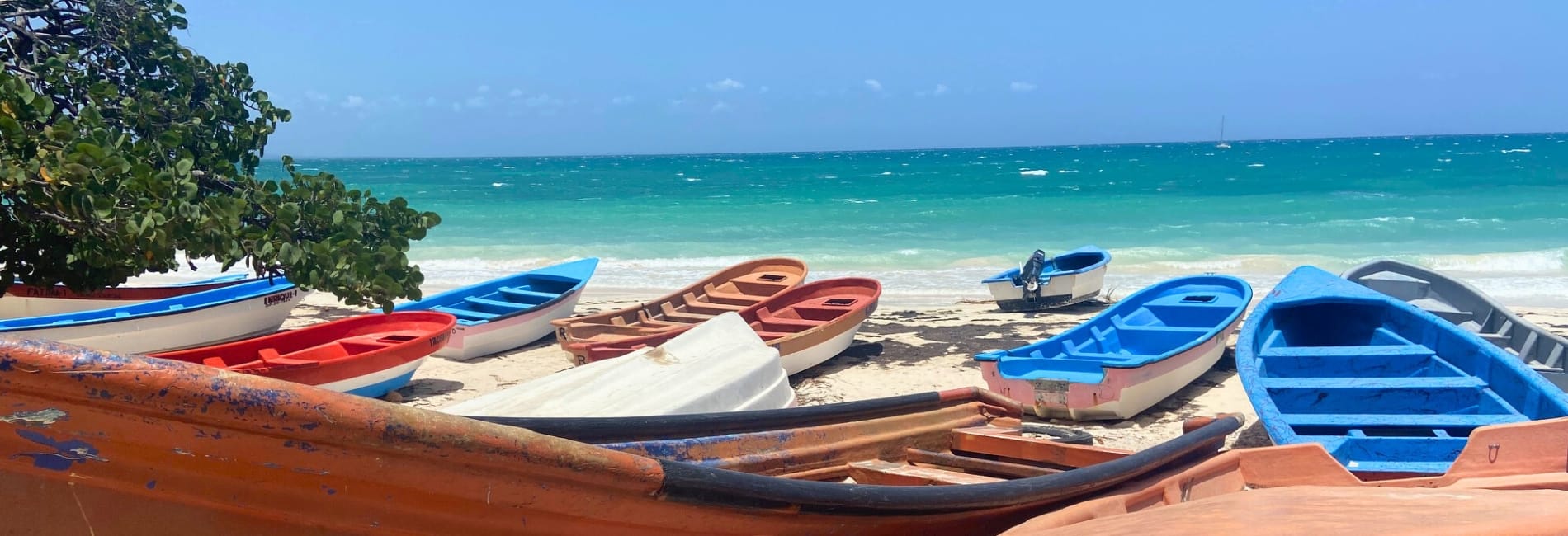
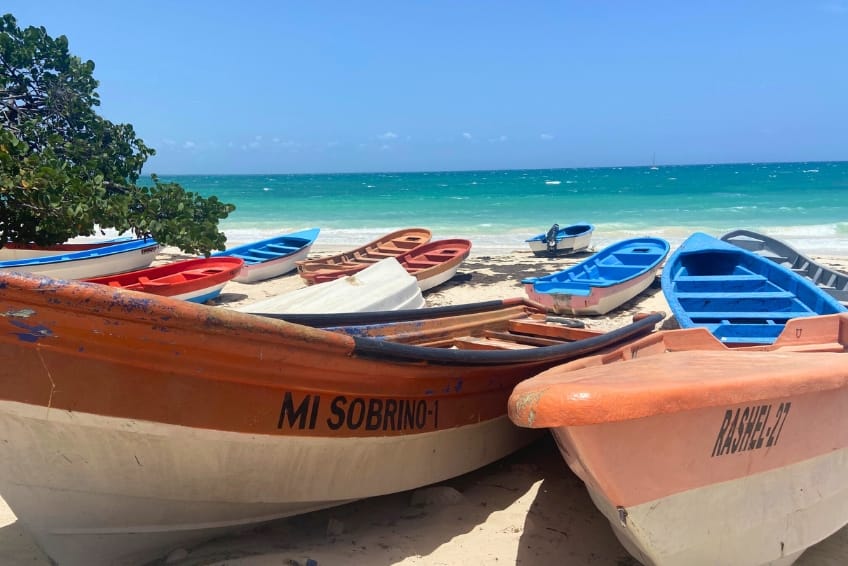
For passengers who want the best beach in the region, most lines offer a Bahia de las Aguilas excursion at around $149-179 per adult. This involves a short transfer to the fishing village of La Cueva followed by a 15-20 minute boat ride into Jaragua National Park. The beach itself is eight kilometers of undeveloped white sand with exceptional water clarity. It is the standout excursion at this port, and the one most worth booking early, as group sizes are limited. There are no amenities at Bahia de las Aguilas, so be sure to read our Bahia de las Aguilas Guide for all the details and insider tips.
The most popular lower-cost beach experience at this port is the Baby Beach club package, which most cruise lines price somewhere between $80 and $89 per adult and around $50 per child. The gated Baby Beach area is literally attached to the port, so no driving is needed. What you get at the club is unlimited open bar, access to a private sandy beach, sun loungers, umbrellas, kayaks, paddleboards, and a swimming pool with a swim-up pool bar. Food costs extra for all packages. For the full picture on what’s included and what’s not, be sure to check out our Baby Beach Guide.
For passengers who want a different beach setting, several lines offer an Eco Del Mar beach club experience, but we think it’s inferior to the other options above.


Adventure and Off-Road Excursions
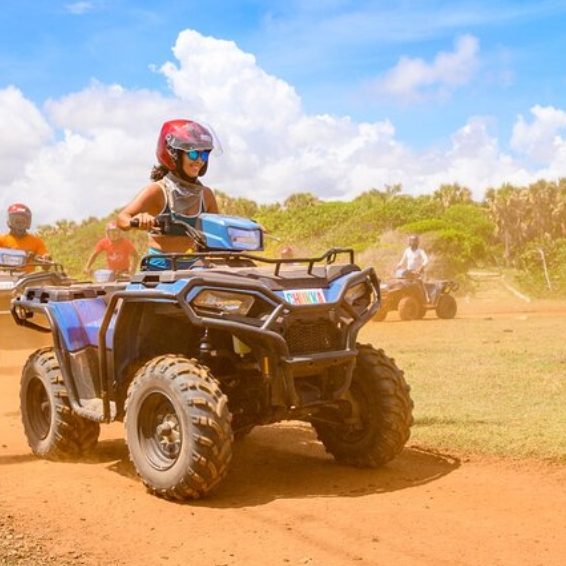
The ATV Adventure at Las Mercedes is one of the most distinctive things you can do at this port. The route takes riders through the abandoned Las Mercedes bauxite mine, a surreal lunar landscape of red and ochre craters, on single-person ATVs for around 45 minutes, followed by time at Baby Beach. Prices run around $149-169 per person. You need a valid driver’s license, must be 18 or older, and must be under 280 pounds.
Off-road buggy tours are also widely available, which include four-seat dune buggies driven through coastal desert terrain and finish at a different beach. These tours are around $149-159 per adult. Check whether your cruise line’s version includes lunch, as this varies. There is also a shorter two-person buggy option at a similar price point.
Insider Tip: The bauxite mine terrain on the ATV excursion is the closest thing to a moon landscape you will find in the Caribbean. It sounds bizarre on paper and looks extraordinary in person. If you are on the fence between ATV and beach, the ATV option is the more unique experience, as you can access a beach club on virtually any Caribbean island.
Nature, Eco, and Cultural Excursions
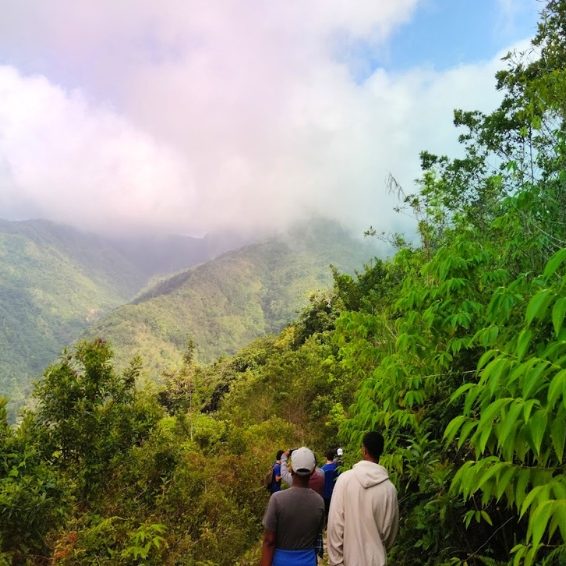
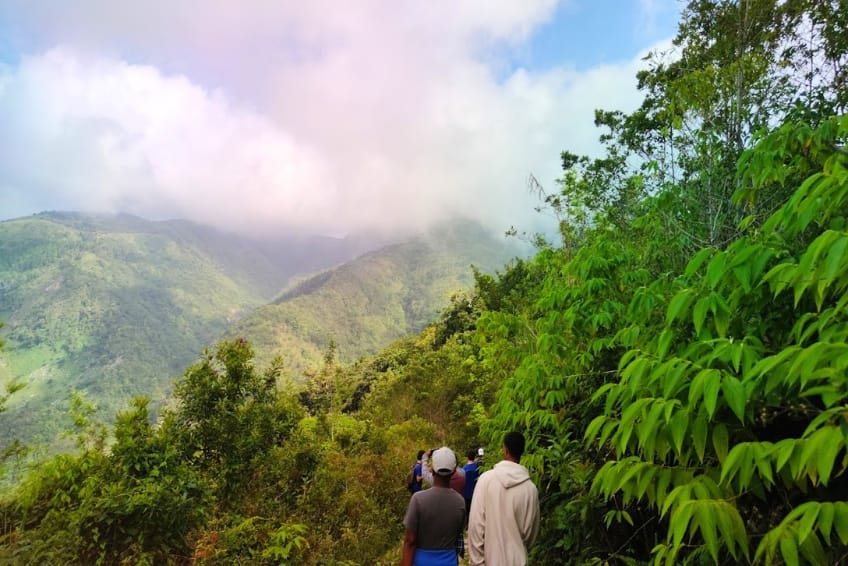
Most lines offer a mountain drive excursion that takes in the dramatic landscape of the Sierra de Bahoruco, including a stop at the Hoyo de Pelempito viewpoint and a refreshment stop with seasonal fruits and Dominican coffee. It typically runs around $149 and takes around 4.5 hours, covering three distinct climate zones on the way up. For passengers who want to see the landscape rather than the beach, this is the most rewarding option in the ship catalog.
A Laguna de Oviedo excursion is also available through several lines, including a one-hour bus ride to the lagoon, a boat tour with flamingos and rhinoceros iguanas, and an optional mud bath. Given that the lagoon is around 55-60 kilometers from the port and requires an hour each way in a vehicle, having a tour arranged ahead of time is necessary for this particular destination. See our Laguna de Oviedo guide for everything on the lagoon itself.
Some lines also offer cultural excursions focused on local food and life in the Pedernales region. Details vary by sailing and cruise line.
What Happens if Your Ship Skips the Port
Port Cabo Rojo is a weather-dependent port. The pier is exposed, and some itineraries include a clause allowing the ship to skip the stop if conditions are unfavorable. If you book independently with a local operator, refund policies vary, so confirm cancellation terms before you pay. Most will refund your money. Ship excursions are refunded automatically if the port is skipped.
Insider Tip: If Bahia de las Aguilas is the reason you booked this itinerary, build in a backup plan. The beach is accessed by boat from the fishing village of La Cueva, and even on normal port days, boat captains can call off runs if swells are too high. It is rare, but worth knowing.
Going Independent
What's on Offer and What to Know
Going independent at Port Cabo Rojo is absolutely possible, and for some excursions, it may be the smarter choice both for your budget and your experience. The key difference from most Caribbean ports is that you need to plan ahead before you arrive. There are no tour vendors lined up outside the gates, and same-day arrangements are not realistic for many options.
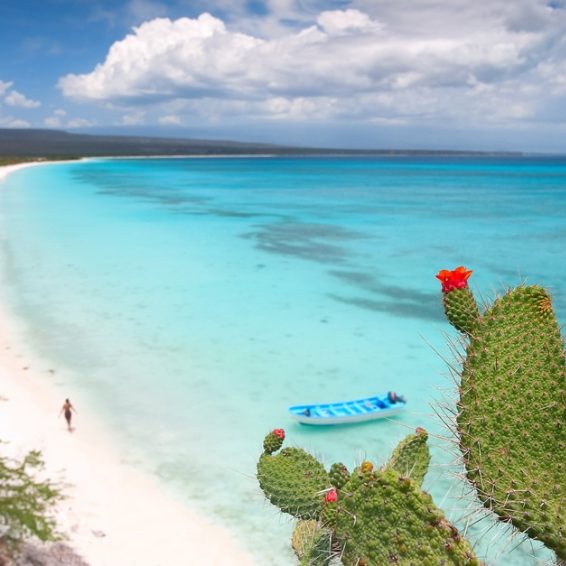
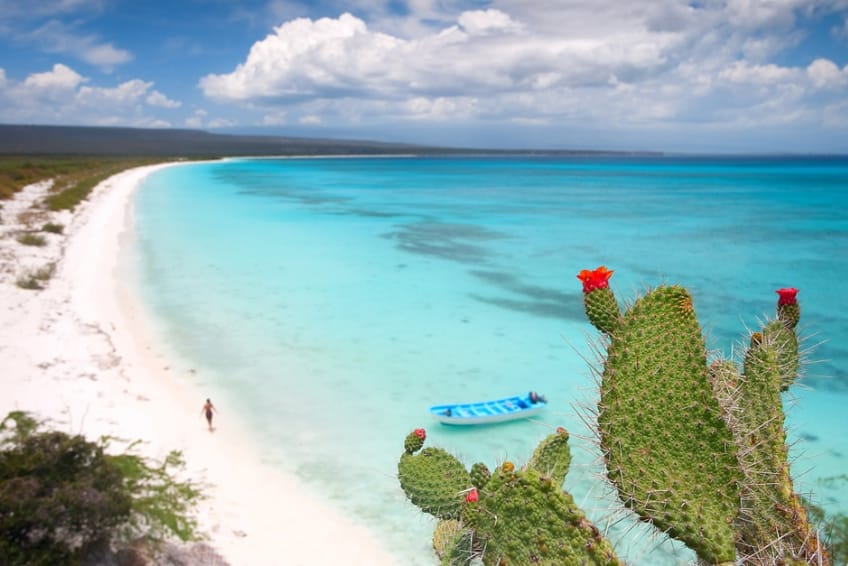
Bahia de las Aguilas: The Standout Independent Option
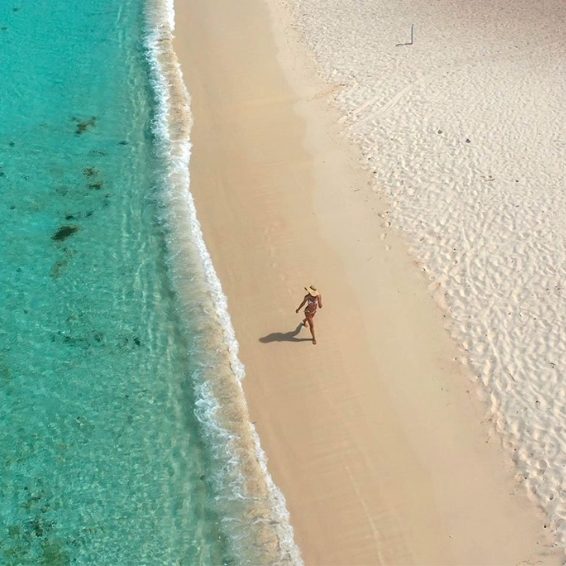
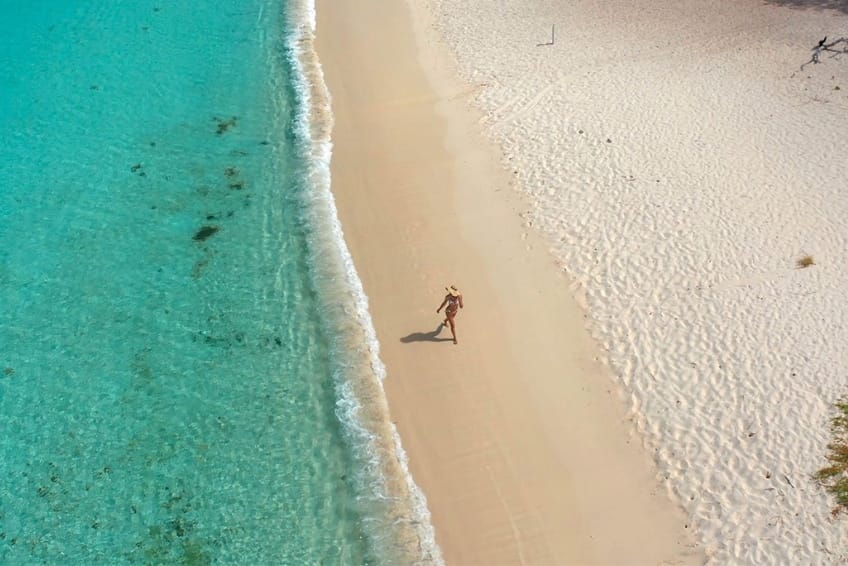
Bahia de las Aguilas beach is the main reason to go independent at this port. Eight kilometers of powder-white sand inside a national park, with no development and exceptional water clarity. Your cruise line charges $149-179 per person to get here, while going independently with a group of four, the same beach costs around $15-25 per person for the day.
See our comprehensive Bahia de las Aguilas Visitors Guide for the full how-to, including the route from the port, boat pricing, and what to bring.
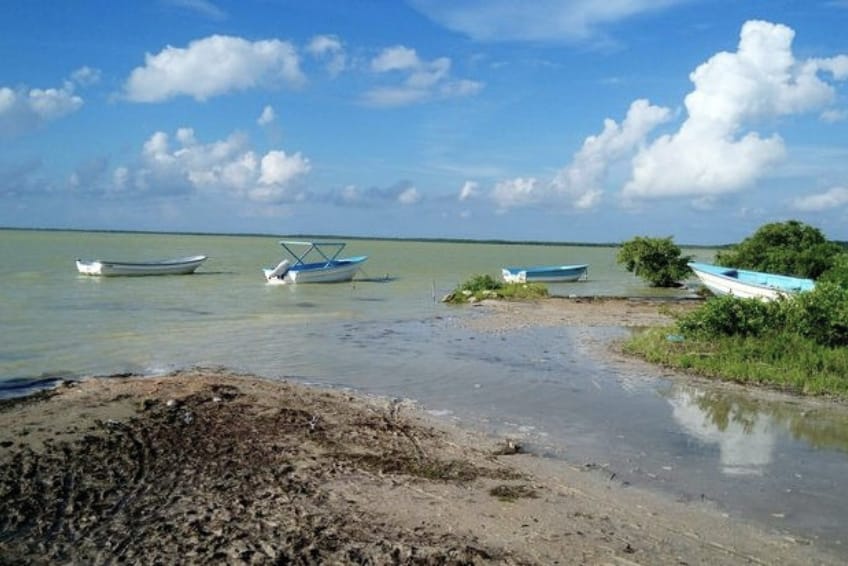
Laguna de Oviedo
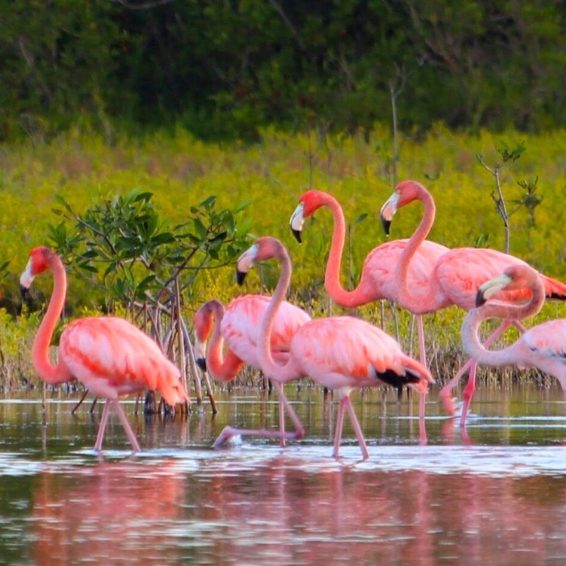
Laguna de Oviedo is a saltwater lagoon inside Jaragua National Park, and is home to American flamingos, rhinoceros iguanas, and over 150 bird species! Boat tours range from a basic flamingo circuit (around $27) to a full flamingos-and-iguanas tour (around $100 for a group of up to 5). It is around 55-60 kilometers from the port, so budget at least 4.5-5 hours for the round trip.
See our full Laguna de Oviedo Visitors Guide for transport options, tour pricing, and the best time to visit.
Hoyo de Pelempito and Sierra de Bahoruco
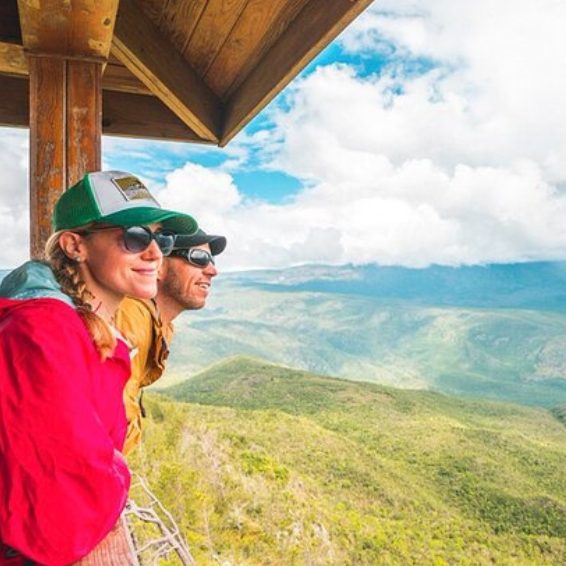
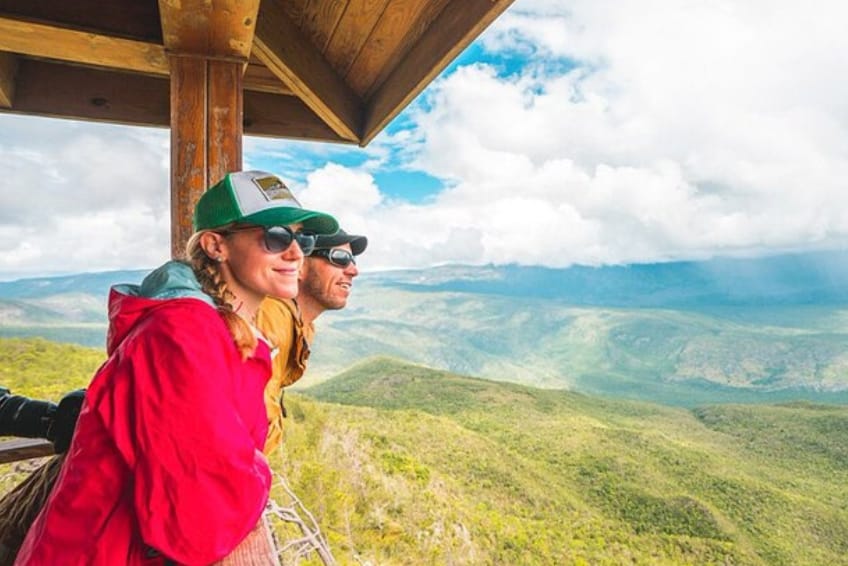
Hoyo de Pelempito is a vast geological sinkhole in the Sierra de Bahoruco mountains with a viewpoint at 1,165 meters. The views are genuinely unlike anything else in the Caribbean. It is around 45-50 km from the port and requires a 4×4 to reach. The Sierra de Bahoruco, alongside it, is one of the most important birding sites in the entire Caribbean, holding around 30 of the 32 bird species endemic to Hispaniola. Both destinations require a guided experience with a trusted local tour operator. The best options are all detailed in our guides below.
Check out our Hoyo de Pelempito Visitors Guide and our Sierra de Bahoruco Visitors Guide.
What to Know Before Going Independent
Transport works differently here than at most Caribbean ports. There are no metered taxis, so negotiate the fare before you get in. Drivers outside the port speak very little English, so having a translation app downloaded offline before you leave the ship is genuinely useful, not just a nice-to-have.
Bring cash in small USD bills. Independent boat captains, park entry, and local vendors all work in cash. USD is widely accepted, but you will not find an ATM at La Cueva or anywhere else once you leave the port.
The ship-waits guarantee does not apply to independent tours. If you book through your cruise line and the excursion runs over time, the ship will wait. If you are on your own and miss all-aboard, you are responsible for getting to the next port yourself. It is an unlikely outcome with good planning, but it is the main reason some passengers prefer to book through the ship, especially at a remote port like this one.
Ship vs. Independent: The Real Comparison
At most Caribbean cruise ports, going independent is the obvious smart move. You save money, you get more flexibility, and the setup is there to support you. Cabo Rojo works differently, at least partly. The ship excursion programs here are genuinely well-organized because the cruise lines have invested in making this port work. They have contracted with reputable local operators and pre-arranged transport and timing.
That said, independent excursions are absolutely possible, and in some cases (particularly for Bahia de las Aguilas), by going independent you can save real money. The key is that they require advance planning. You cannot improvise your way through a port day here the way you might elsewhere.
When to Book Through Your Cruise Line
- Book through your cruise line if this is your first time at Port Cabo Rojo and you are not sure what to expect.
- Book through your cruise line if your port day is on the shorter side and you cannot afford to lose time to logistics.
- Book through your cruise line if you are traveling with young children or anyone who would be genuinely stressed by improvised transport in a Spanish-only environment.
- Book through your cruise line for any excursion involving significant travel time into the mountains (Hoyo de Pelempito, Sierra de Bahoruco), where the road conditions and timing make a guided transfer worth the cost.
When Going Independent Makes Sense
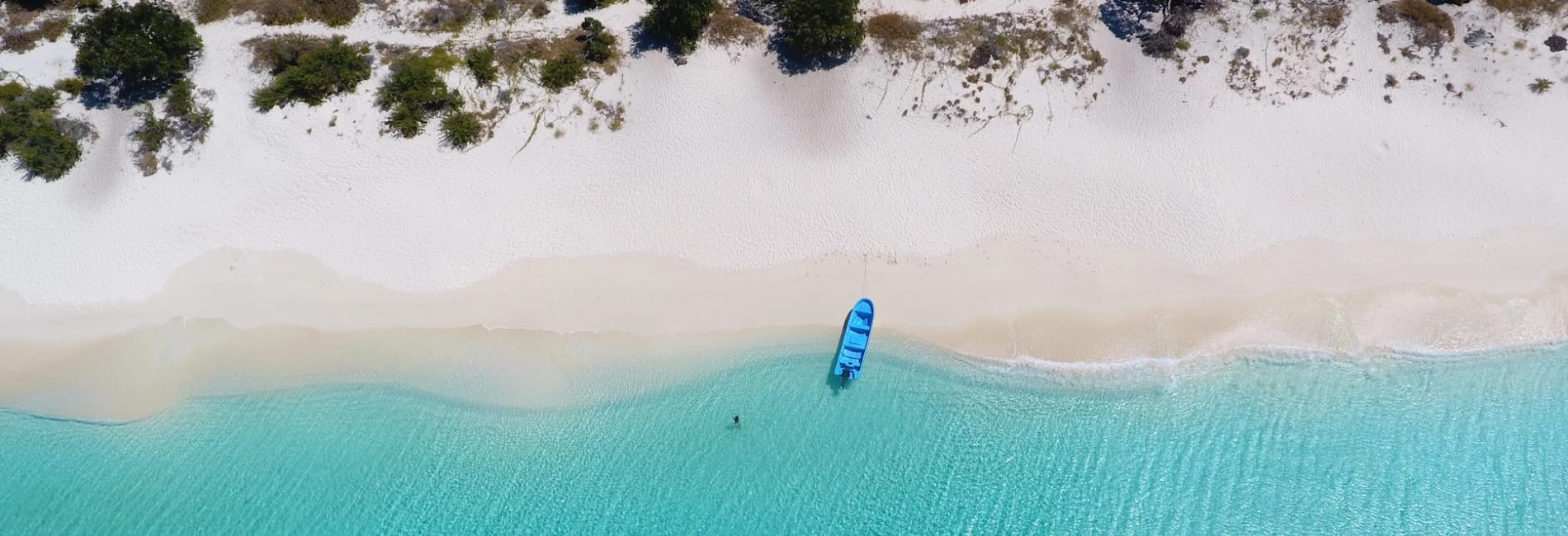
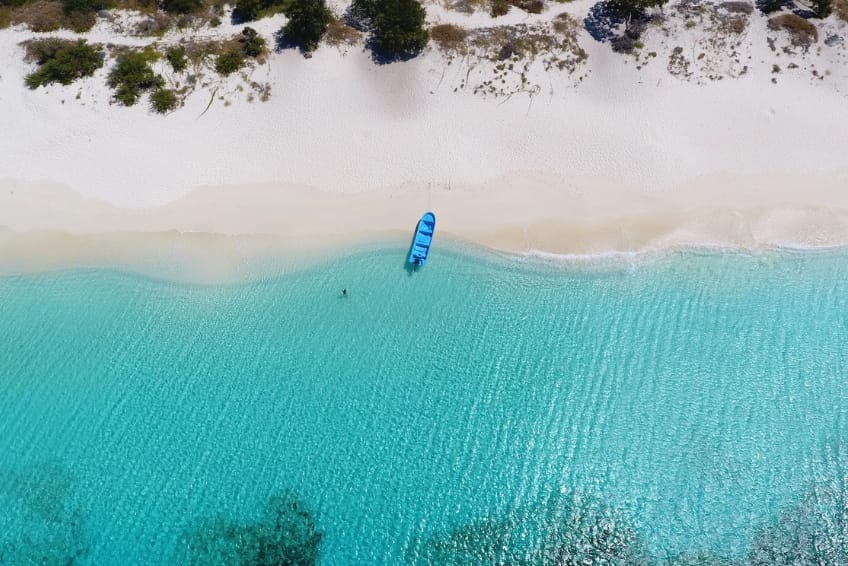
Going independent makes the most sense for Bahia de las Aguilas, where the savings are substantial and the experience is the same beach either way. You have two options.
- The fully DIY route (taxi to La Cueva, negotiate a boat on the spot), which needs no advance planning and works well on the day.
- A pre-arranged guided package through Cocotours or Larimar EcoTours, if you want a bilingual guide, snorkeling gear, and a ship-return guarantee.
Both beat the ship excursion price significantly. For Laguna de Oviedo, Hoyo de Pelempito, or Sierra de Bahoruco, going independent still makes sense if you have done your research, but those destinations absolutely require arranging transport and a guide before you arrive. See our individual Destination Guides for complete logistics and details.
Our Picks: Best Excursions at Cabo Rojo by Traveler Type
No hedging here. These are our honest recommendations based on what this port actually has to offer.
Best for Beach Lovers
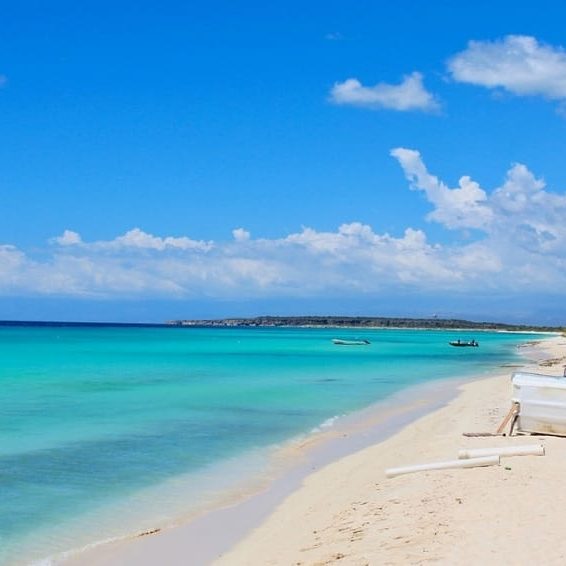
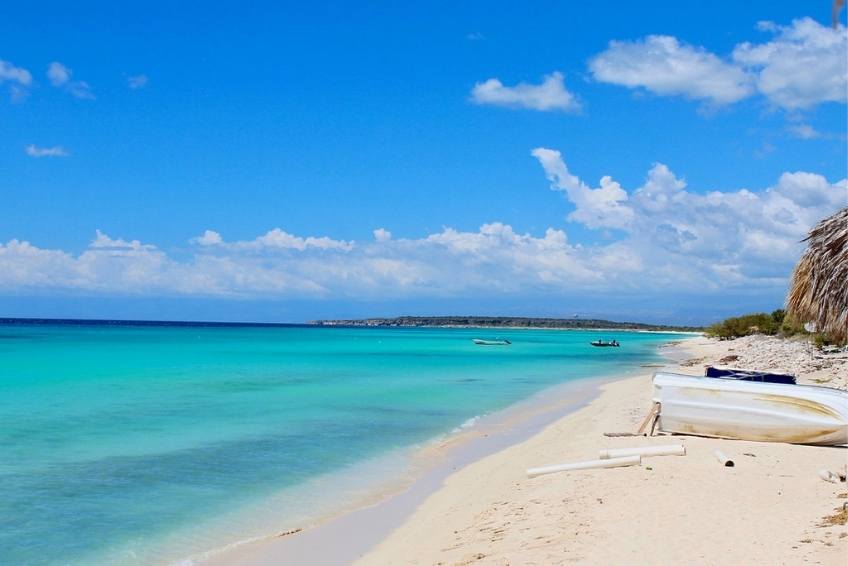
Bahia de las Aguilas. There is no contest. Baby Beach is excellent for a relaxed, open-bar day close to the ship, but Bahia de las Aguilas is one of the great beaches in the entire Caribbean. We’re talking eight kilometers of white sand inside a national park with no development, no sunbed vendors, and no crowds (your fellow excursion passengers aside).

Best for Adventure Seekers
The ATV Adventure at Las Mercedes followed by Baby Beach. The bauxite mine landscape is unlike anything else in the Caribbean, and combining it with a beach club gives you a genuinely varied port day. If off-road driving is more your speed than ATVs, the buggy tour to Cabo Rojo Beach is a strong alternative. Just check whether your cruise line’s version includes lunch, as some do, and some don’t.
Best for Nature and Wildlife
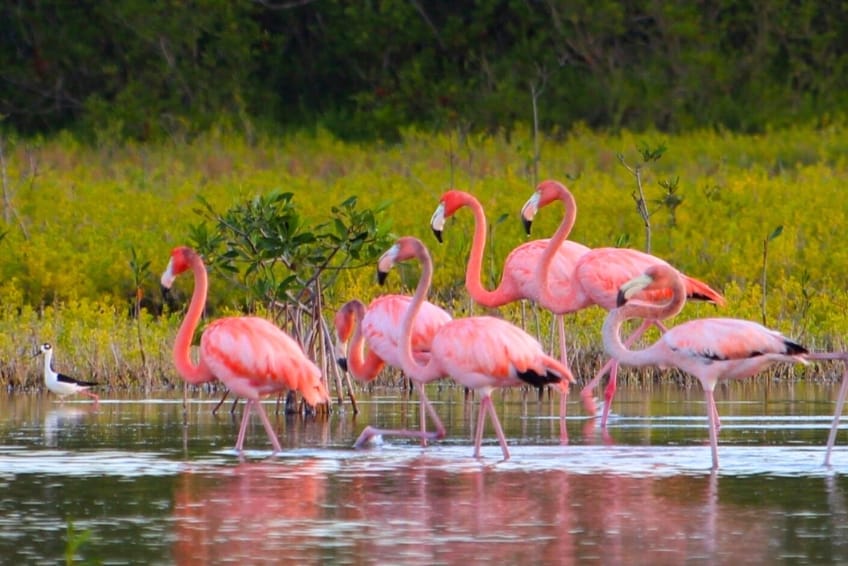
Laguna de Oviedo for wildlife in a spectacular wetland setting, or the Sierra de Bahoruco for serious birding with a specialist guide. If you can only do one and you are not a dedicated birder, the lagoon is more accessible, and the flamingo-and-iguana boat tour is one of the more memorable wildlife experiences in the region. See our Laguna de Oviedo guide and our Sierra de Bahoruco guide for details.


Best for Families with Young Children
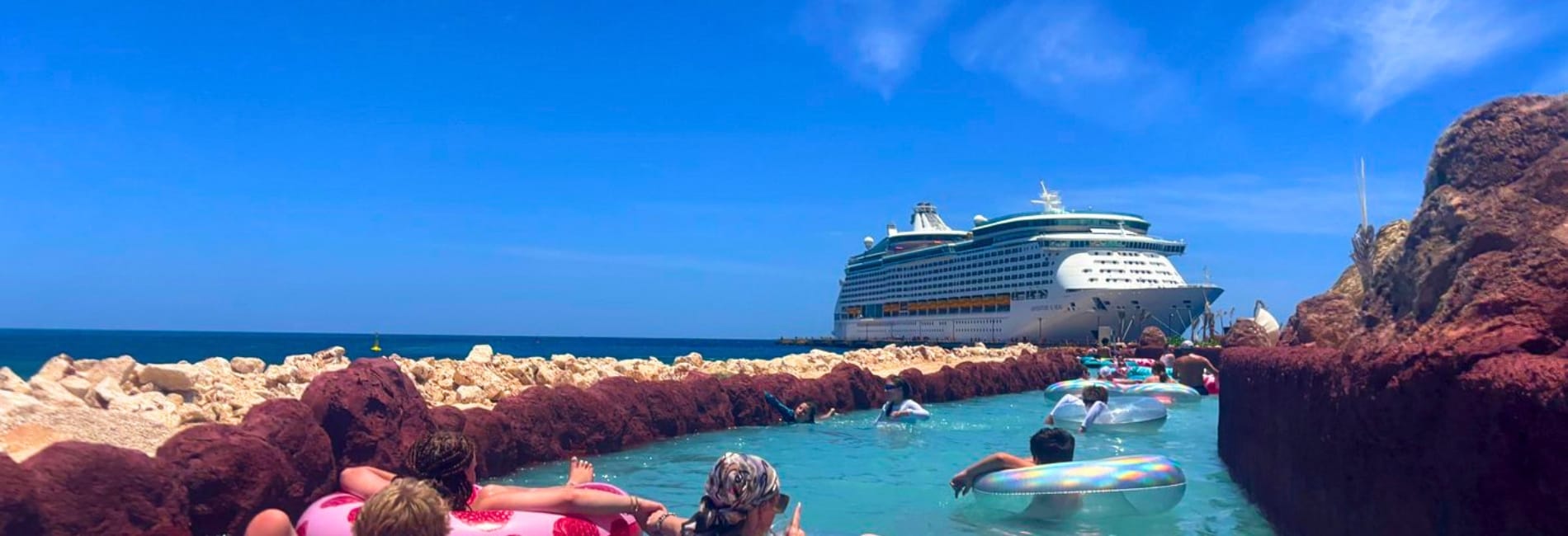
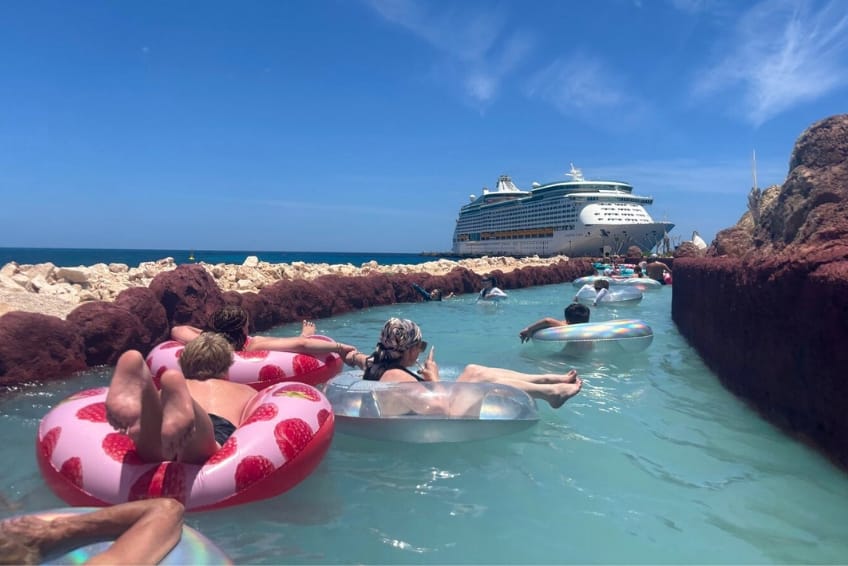
Baby Beach. The capacity controls keep it from feeling overwhelming, the water is calm and clear, there is a pool with a swim-up bar for the adults while kids play in the shallows, and the walk back to the ship takes five minutes. If you have teenagers who want more action, the ATV excursion works for anyone 18 and older with a driver’s license. Younger kids are also well served by the free port complex, which includes a play zone, a Ferris wheel, and a lazy river.
Helpful Info
A little preparation goes a long way at Port Cabo Rojo. This is not a port where you can show up, read the boards, and decide on the day. Popular excursions fill up, cash is king once you leave the terminal, and a few simple things in your bag will make the difference between a smooth day and an avoidable headache. Here is what to know before you go.


How Far in Advance Should You Book?
Book ship excursions as early as possible, typically three to six months ahead, when they first appear in your cruise line’s app or website. Popular excursions at this port sell out quickly, and Bahia de las Aguilas in particular runs with limited group sizes. For independent bookings through independent tour companies, contact them AT LEAST a few weeks before your sailing and give them your ship arrival time and all-aboard deadline.


Currency and Payments
Bring USD in small bills: $1, $5, $10, $20. The port ATM is frequently out of service or out of cash. Do not count on it as your source of funds. There is a currency exchange booth at the terminal with fair rates. Dominican pesos in small denominations are useful for park entrance fees, roadside comedores, and anything in Pedernales town. Credit cards work at some port vendors. Do not count on them anywhere else.
The Two-Ship Day Factor
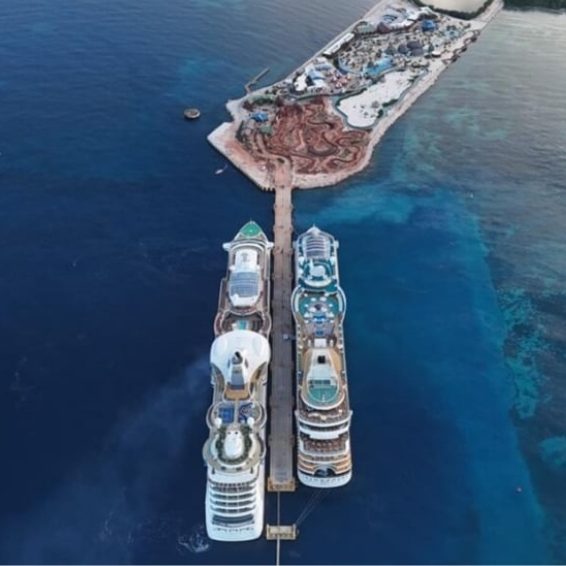
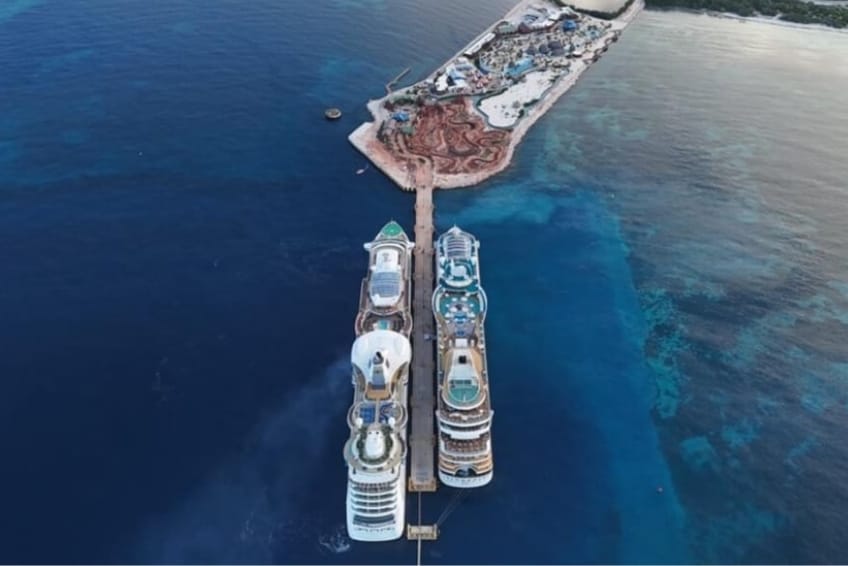
Port Cabo Rojo has one pier currently in operation, with expansion planned to eventually accommodate four ships simultaneously. When two ships dock on the same day, the port can receive close to 5,000 passengers at once. The pools fill up, Baby Beach reaches capacity faster, and popular ship excursions sell out earlier in the booking window. If you can check your itinerary’s port schedule and see that another large ship is in on the same day, move your excursion bookings up accordingly.


Sun and Heat
The southwest DR is hotter and drier than the north coast, with average daily highs of 85–90°F. The arid climate means the sun is more intense than the temperature suggests, and both Baby Beach and Bahia de las Aguilas have minimal to zero natural shade. Reef-safe sunscreen is required in national park waters. Standard sunscreen is harmful to the reef systems in Jaragua National Park and is likely to be regulated or banned for use there. Bring SPF 50+, a wide-brimmed hat, UV sunglasses, and significantly more water than feels necessary.

What to Eat
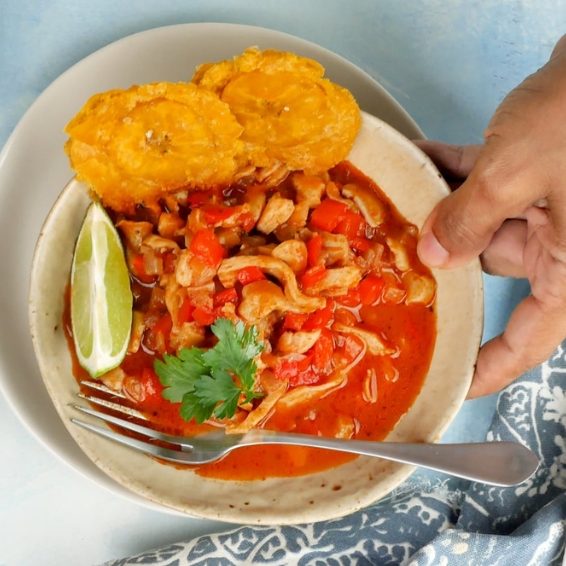
While out on your tour, you may have the opportunity to sample local cuisine. Here are just a few traditional dishes worth seeking out:
- Mofongo (mashed plantains with garlic, often stuffed with seafood)
- Pescado frito (whole fried fish with moro rice and tostones)
- Lambi (conch, prepared various ways)
- Cangrejo con tostones (crab with fried plantains).
For something quick and easy, many street vendors sell empanadas and yaniqueques (fried dough) for pocket change. Meals across the region typically cost RD$300-1,000 ($5-17 USD). Cash only at virtually every establishment.
What to Pack
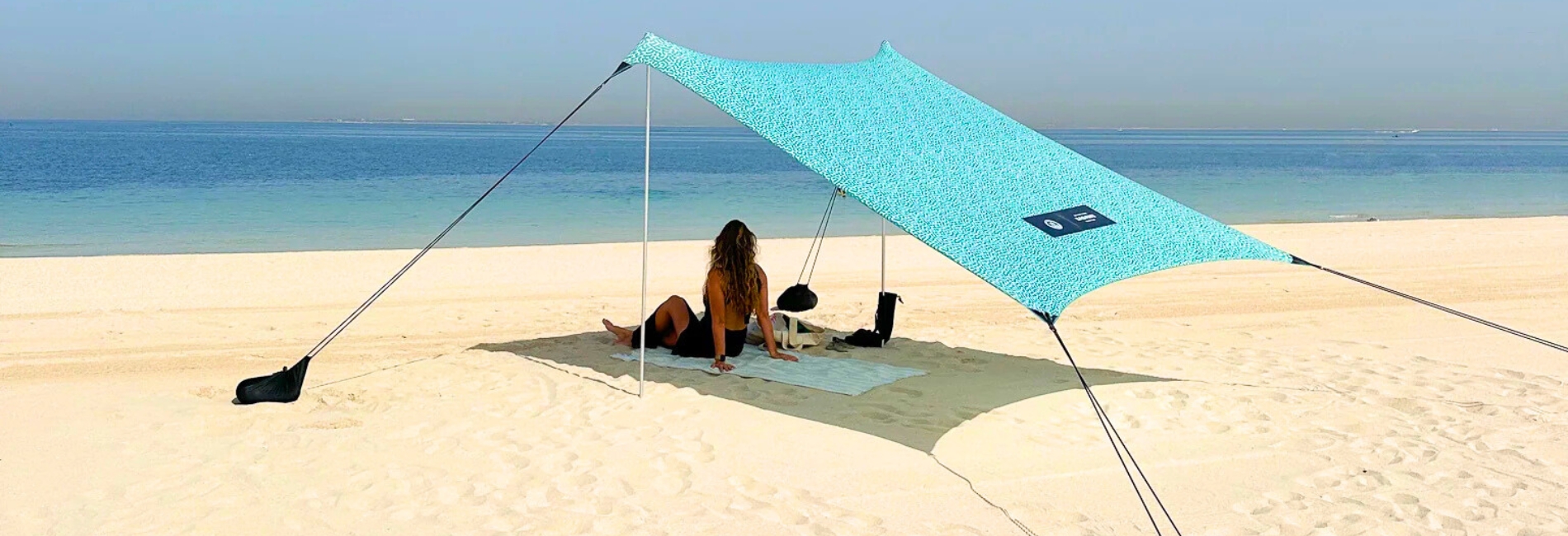
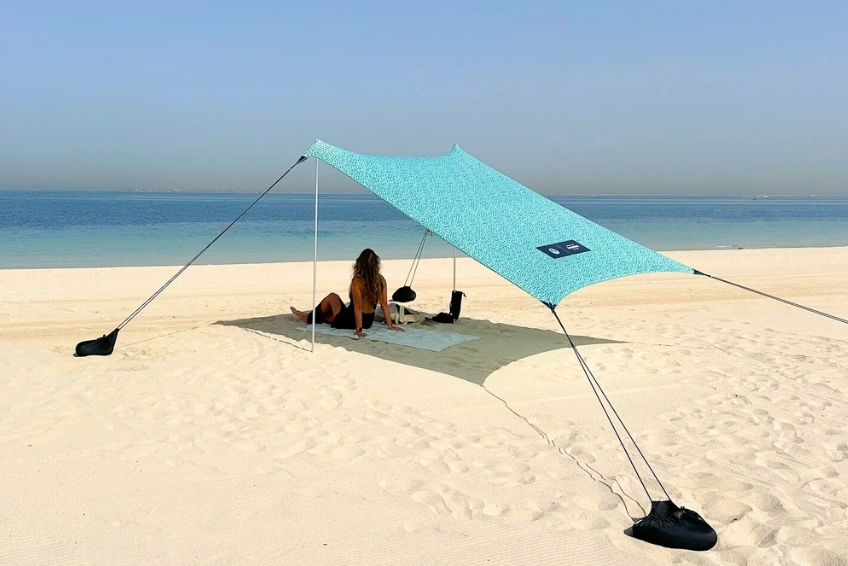
What you need depends entirely on how you’re spending the day. A port pool day requires almost nothing beyond sunscreen and a hat, but if you leave the port, there are a number of things you may need. Please check out our individual destination guides for specific packing lists for where you’re going. Here are some basics to get you started.
- Small USD bills (Port, taxis, and most vendors prefer small USD. $1s, $5s, and $10s are most useful. The on-site ATM is unreliable.)
- Reef-safe/biodegradable sunscreen SPF 50+ (Essential everywhere, but especially at Bahia de las Aguilas, where standard sunscreen is harmful to the reef and is banned in the water.)
- Wide-brimmed hat and polarized sunglasses (Needed at the port, the beach, and in the mountains. The southwest DR sun is serious all day.)
- Water shoes (For Bahia de las Aguilas specifically, the boat embarkation at La Cueva is rocky, and so is the approach to the shoreline.)
- At least 2 liters of water per person (Critical for Bahia de las Aguilas and Hoyo de Pelempito. There is nothing for sale at either site.)
- Snacks (For beach and mountain excursions only. There are no vendors at either location.)
- Waterproof bag or dry bag for phone and camera (For Bahia de las Aguilas: the open-water boat ride to the beach will splash you. Protect electronics before you board.)
- A warm layer (For Hoyo de Pelempito only. The viewpoint sits at over 1,200 meters and can be 10°C cooler than the coast, with strong wind on top of that.)
- Binoculars (For Sierra de Bahoruco and the drive up to Hoyo de Pelempito. The birding on the mountain road is exceptional and wasted without magnification.)
- Offline maps downloaded before disembarking (For any independent excursion. Cell coverage disappears quickly outside the port gates.)
- Your guide’s WhatsApp number saved (For any independently booked excursion. Confirm their contact before you step off the gangway.)
Cabo Rojo Excursion FAQ
Frequently Asked Questions
Can I leave Port Cabo Rojo independently and explore on my own?
Yes, you can walk through the port gates and take a taxi outside, but any real exploring requires planning ahead rather than figuring it out when you arrive. The nearest town (Pedernales) is around 20 kilometers away, English is rarely spoken beyond the port, and there are no tour operators or transport services waiting at the gates. Pre-arranging a tour through a reputable operator like Cocotours before your sailing date is the smart way to go independent at this port.
What is the best excursion at Port Cabo Rojo for first-time visitors?
Bahia de las Aguilas is the standout. It is one of the finest beaches in the Caribbean, inside a national park with no development, and accessible by a short boat ride from the fishing village of La Cueva. For first-timers who want simplicity, book it through your cruise line. For those happy to handle the planning themselves, pre-arrange it through Cocotours or Larimar EcoTours and save significantly per person. See our full Bahia de las Aguilas guide for everything you need to know.
Is the Baby Beach package at Port Cabo Rojo worth it?
For passengers who want a relaxed, well-organized beach day close to the ship, yes. Baby Beach limits how many people can enter at once, so it stays far less crowded than the main pool areas, the water is calm and crystal clear, and the open bar is genuinely unlimited. Food is not included and costs extra. The ship excursion version (around $80-89 per adult) guarantees entry; walk-up pricing at the gate varies and may differ from ship excursion rates. For the full breakdown, see our Baby Beach guide.
How much does it cost to visit Bahia de las Aguilas independently from Port Cabo Rojo?
Going independently, the main costs are: a taxi from the port to La Cueva (around $15-25 each way), the Jaragua National Park entrance fee (around $3 per person), and a round-trip boat ride to the beach (around $40-60 for a group of up to 5-6 passengers). Split across a group of four, the total comes to around $15-25 per person (compared to $149-179 per person through ship excursions). The experience is the same beach either way.
Can I visit Laguna de Oviedo as a shore excursion from Port Cabo Rojo?
Yes, but it requires planning. The lagoon is around 55-60 kilometers from the port, roughly an hour’s drive each way, making it at least a 4.5-5 hour trip from start to finish. Several cruise lines offer a dedicated Oviedo excursion with transport included: check your line’s shore excursions page. Going independently, book a van and guide through Cocotours or Larimar EcoTours in advance. Do not plan to arrange this on the day. The flamingo and rhinoceros iguana boat tours at the lagoon run between around $27 and $100 for a group. See our Laguna de Oviedo guide for details.
Do I need to book Cabo Rojo shore excursions in advance?
Yes, for any of the popular options. Popular excursions at this port fill up quickly, and Bahia de las Aguilas boat access has limited daily capacity due to national park rules. Ship excursions typically open three to six months before sailing: book the moment they appear. Independent operators like Cocotours accept advance bookings and coordinate around your ship’s schedule.
What should I bring for a port day at Port Cabo Rojo?
Small USD bills (for boat captains, tips, and local vendors), reef-safe sunscreen (required by cruise lines and tour operators for park activities), water shoes if you are heading to Baby Beach, your ship towel if you are going to Baby Beach (towels are not provided), a waterproof bag if you are taking a boat, and offline Spanish translation on your phone for anything outside the port gates. Food and drinks at the port complex are available but cost extra at resort prices.
Is Port Cabo Rojo a good cruise port?
It depends entirely on what you do with your port day. Passengers who stay inside the terminal complex and judge the port on its pools and restaurants tend to be disappointed: the complex is still developing and the drinks prices draw complaints. Passengers who get out to Bahia de las Aguilas or take one of the off-road adventures consistently rate it as a highlight of their cruise. The port is not a strolling-around-town destination. It is a launching pad for some spectacular natural experiences, and it rewards passengers who treat it that way.
What cruise lines currently stop at Port Cabo Rojo?
As of 2026, confirmed cruise lines calling at Port Cabo Rojo include Norwegian Cruise Line, Royal Caribbean, Holland America Line, MSC Cruises, Costa Cruises, Azamara, and AIDA Cruises. The port’s schedule has grown rapidly since it opened in January 2024, and additional lines are expected to add calls as facilities develop.
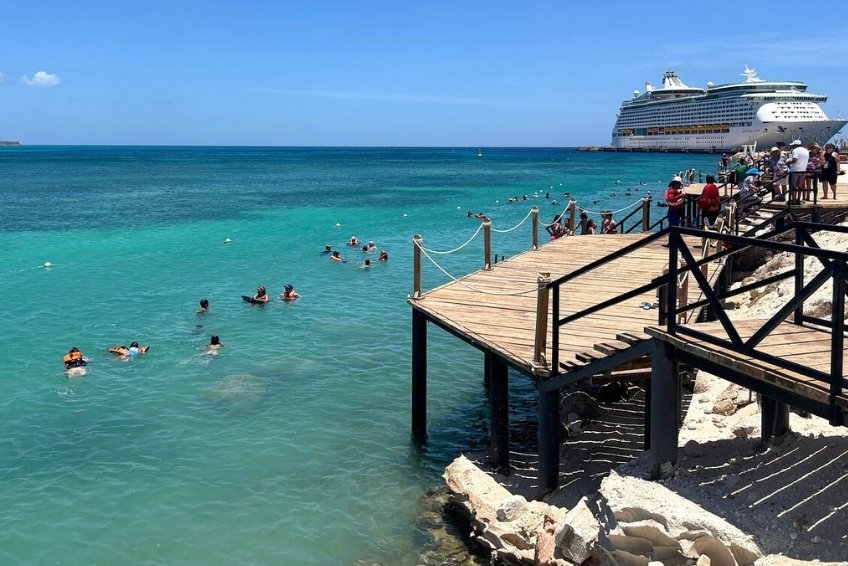
Port Cabo Rojo opened in 2024 on the remote southwest coast of the Dominican Republic, and what surrounds it is extraordinary. Bahia de las Aguilas, one of the world's great beaches, is a short boat ride away. This guide covers everything you need for your port day.
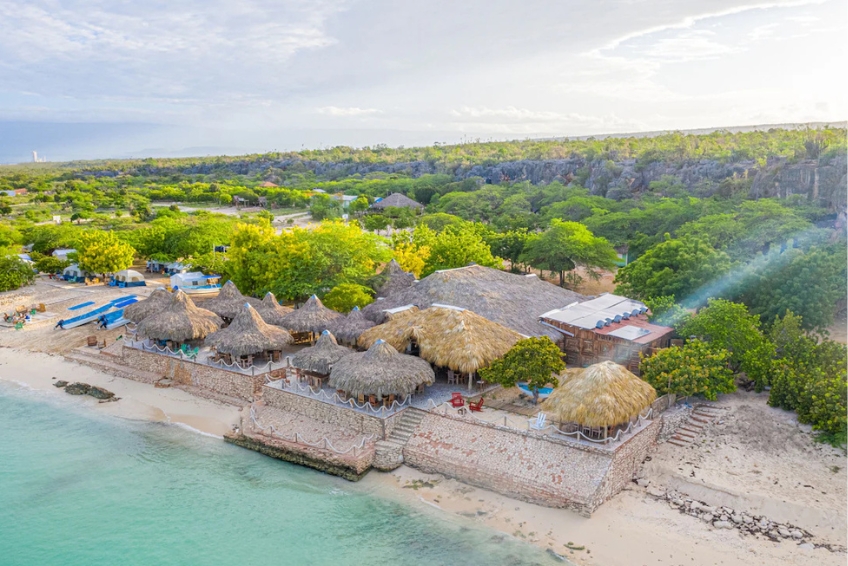
Pedernales has no chain hotels, no resort buffets, and no swim-up bars. What it does have is the best beach in the Caribbean, a handful of genuinely great family-run guesthouses, and a $2.2 billion resort development that's about to change everything. Here's where to stay right now.
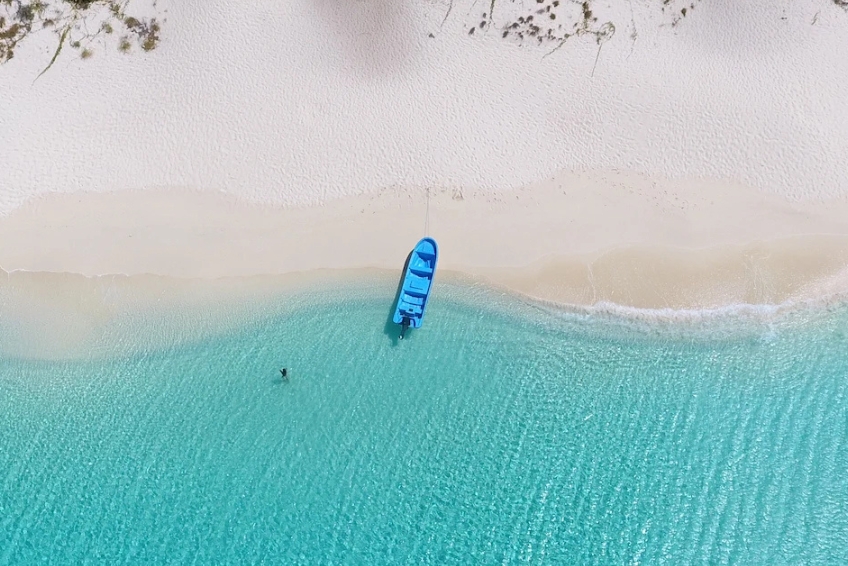
Bahia de las Aguilas is the Dominican Republic's most beautiful beach, and one of its hardest to reach. This guide covers everything you need to plan your visit: how to get there from Cabo Rojo cruise port or Pedernales, boat logistics, costs, what to pack, where to eat, and honest advice on what to expect.
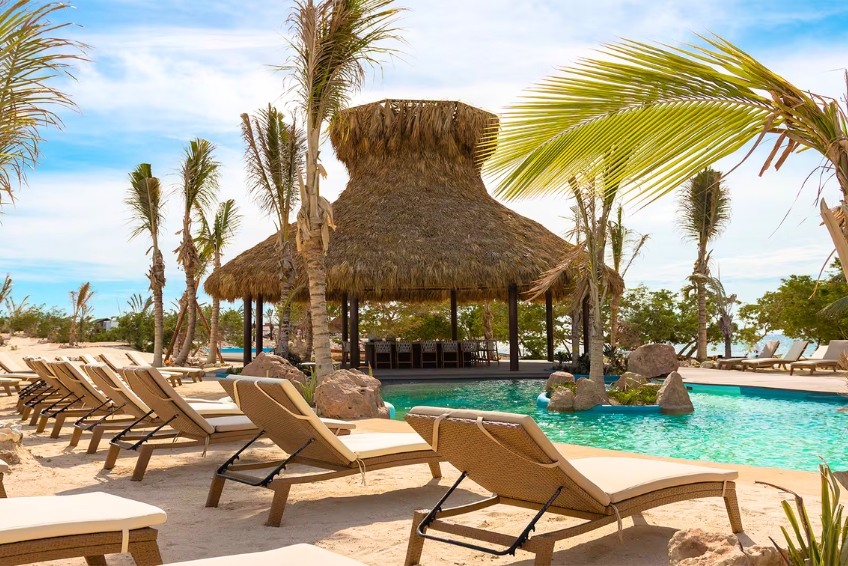
Baby Beach at Port Cabo Rojo is a capacity-controlled beach club with an unlimited open bar, sandy Caribbean swimming, kayaks, and a freshwater pool. But is it worth the price? This guide covers exactly what's included, what it costs, who should book it, and how to get the most out of your day.
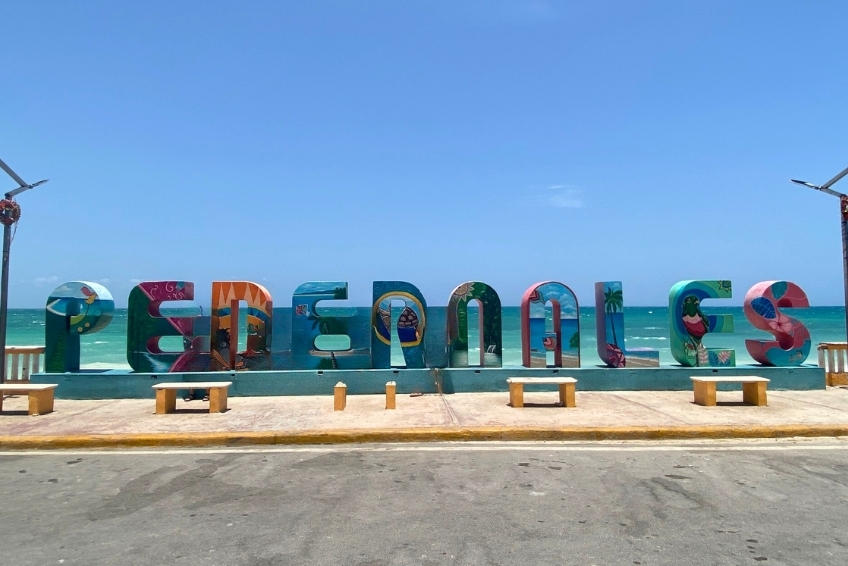
Pedernales is the gateway to the Dominican Republic's wild southwest: Bahia de las Aguilas, Hoyo de Pelempito, Jaragua National Park, and the new Cabo Rojo cruise port. This guide covers how to get there, where to stay and eat, what to do, and everything you need to plan your trip.

Larimar is a rare blue gemstone found in only one place on Earth. A single mountainside in the Dominican Republic's southwest, within reach of Cabo Rojo. Here's what it is, why it only exists here, how to buy the real thing, and how to visit the mine yourself.
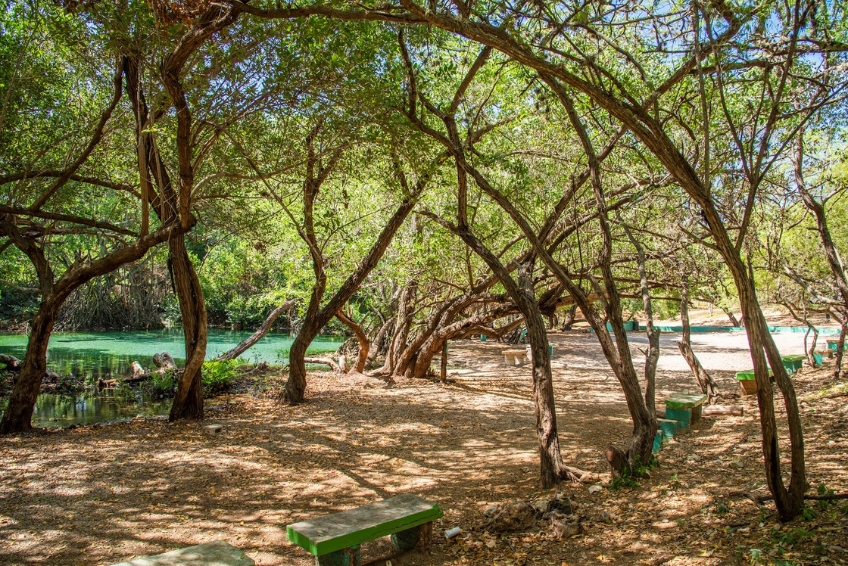
Jaragua National Park is the largest protected area in the Caribbean, home to Bahia de las Aguilas, thousands of flamingos at Laguna de Oviedo, and wildlife found nowhere else on Earth. This guide covers how to get there, 10 things to do, tour options and pricing, where to eat and stay in Pedernales, what to pack, and the best time to visit.
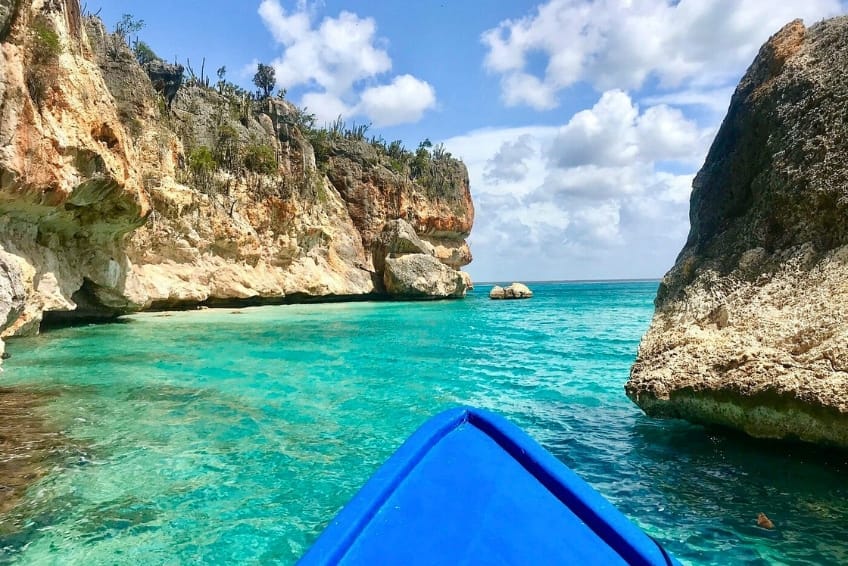
Cabo Rojo sits on the remote southwest coast of the Dominican Republic, home to Bahia de las Aguilas, an 8-kilometer pristine beach routinely ranked among the Caribbean's most beautiful. A $2.2 billion development is transforming the region, but right now you can still experience something rare. A world-class destination before the crowds arrive.
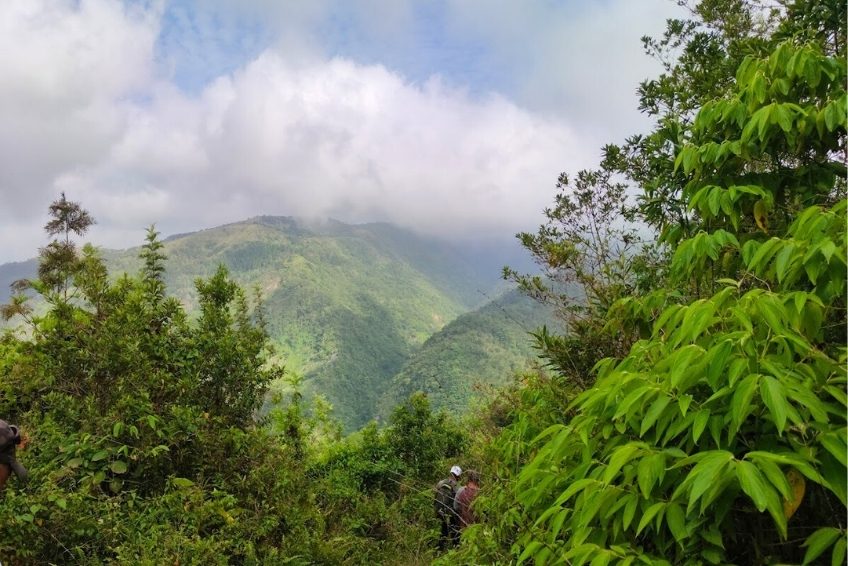
The Caribbean's most biodiverse mountain range, Sierra de Bahoruco National Park shelters 30 of Hispaniola's endemic bird species, ancient cloud forests, and wildlife found nowhere else on Earth. This complete guide covers how to get there, what to do, where to stay, and everything else you need to plan your visit.